The Resilient Beauty of the Crown-of-Thorns
The Crown-of-thorns is a flower that tells a story of contrasts. At first glance, its small, vibrant blooms—often red or pink—seem cheerful and inviting. But beneath that softness lies a network of sharp, protective thorns along its stems. It is a plant that holds both beauty and defense in the same breath, reminding us that life, too, often carries this duality.Native to Madagascar, the Crown-of-thorns thrives in harsh, dry conditions where many plants struggle to survive. It does not rely on comfort; instead, it grows stronger through adversity. Its ability to endure neglect, drought, and intense sunlight makes it a symbol of resilience. In many ways, it reflects the human spirit—capable of blooming even in the most difficult environments.
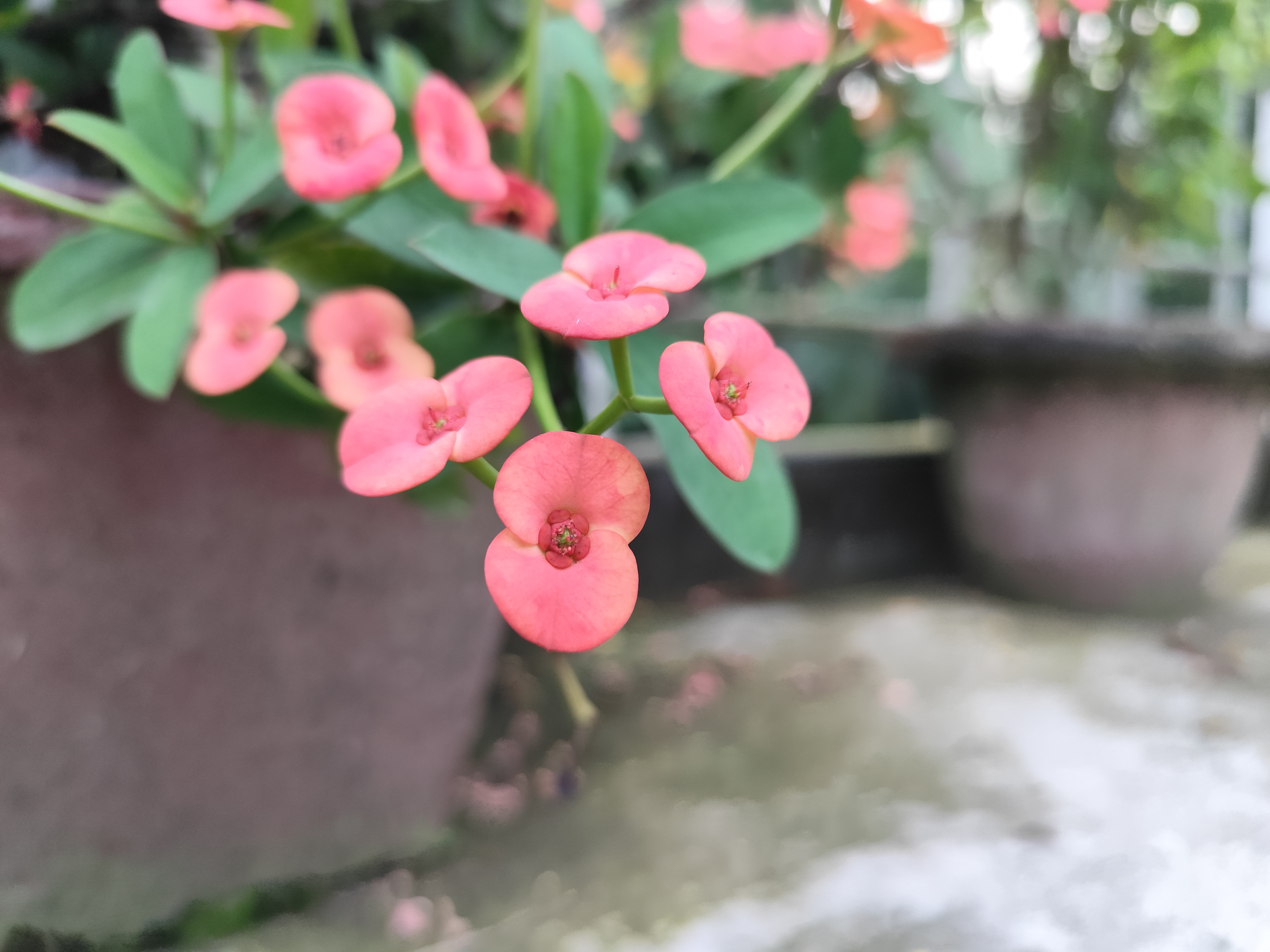
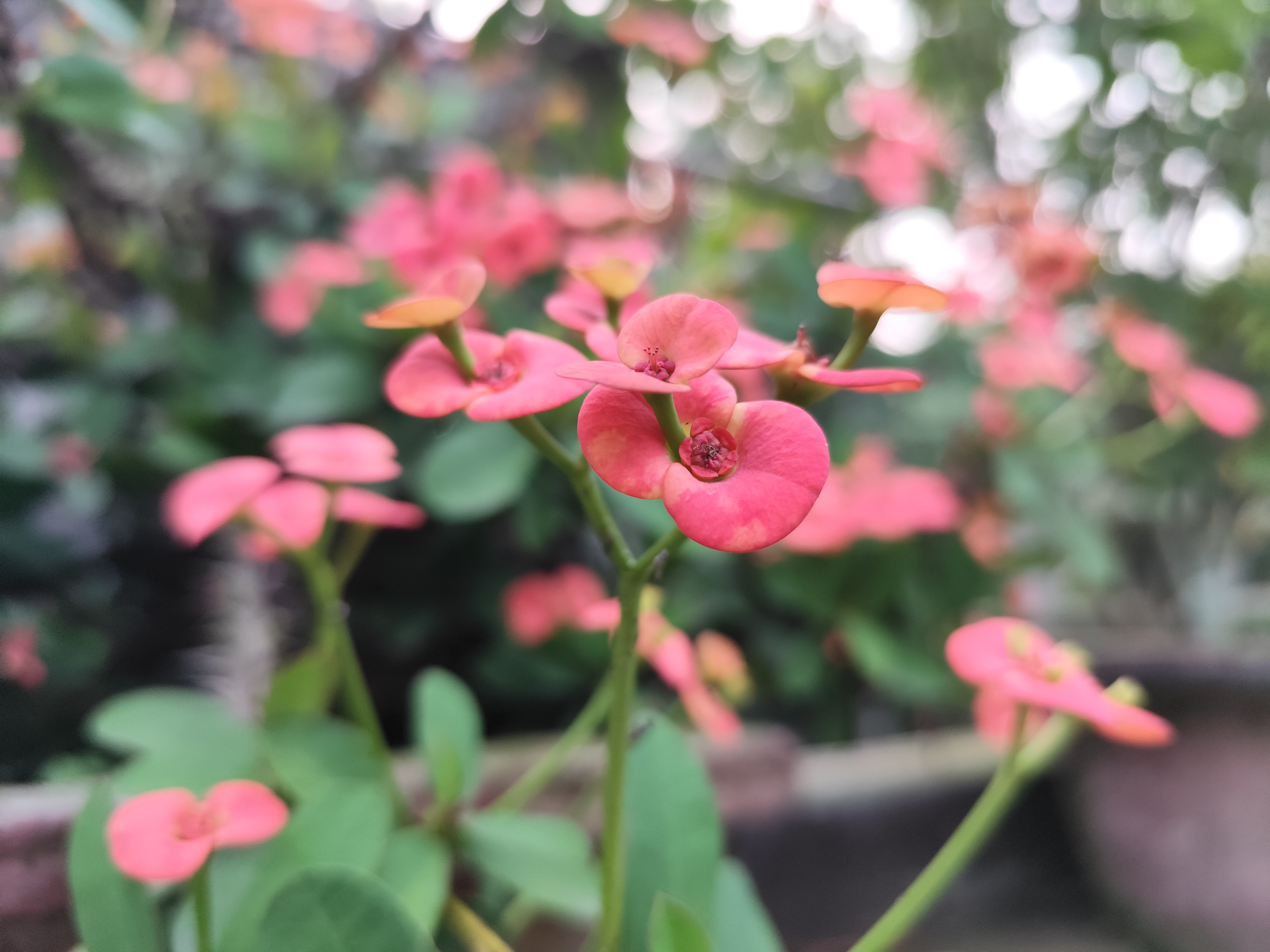
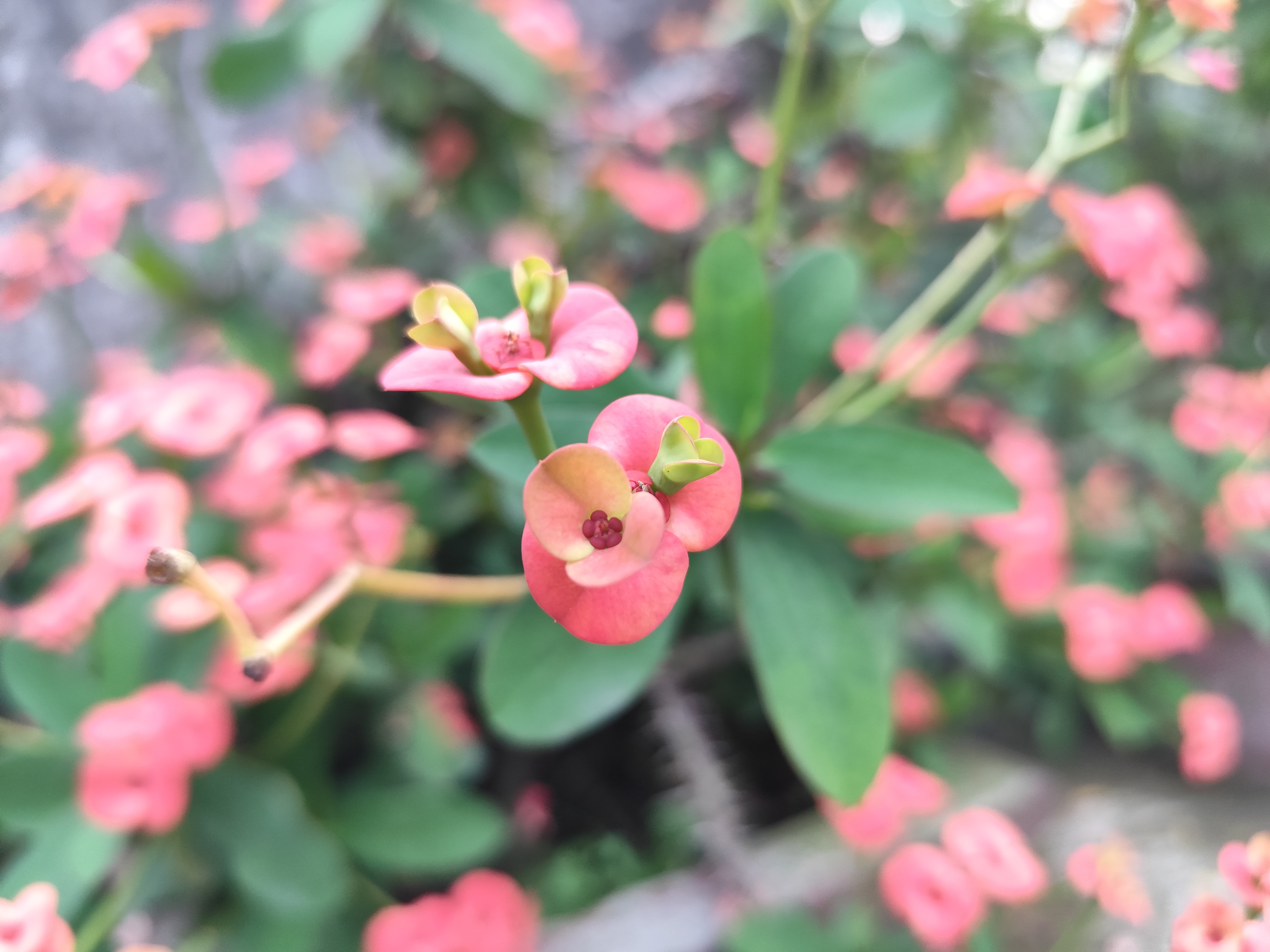
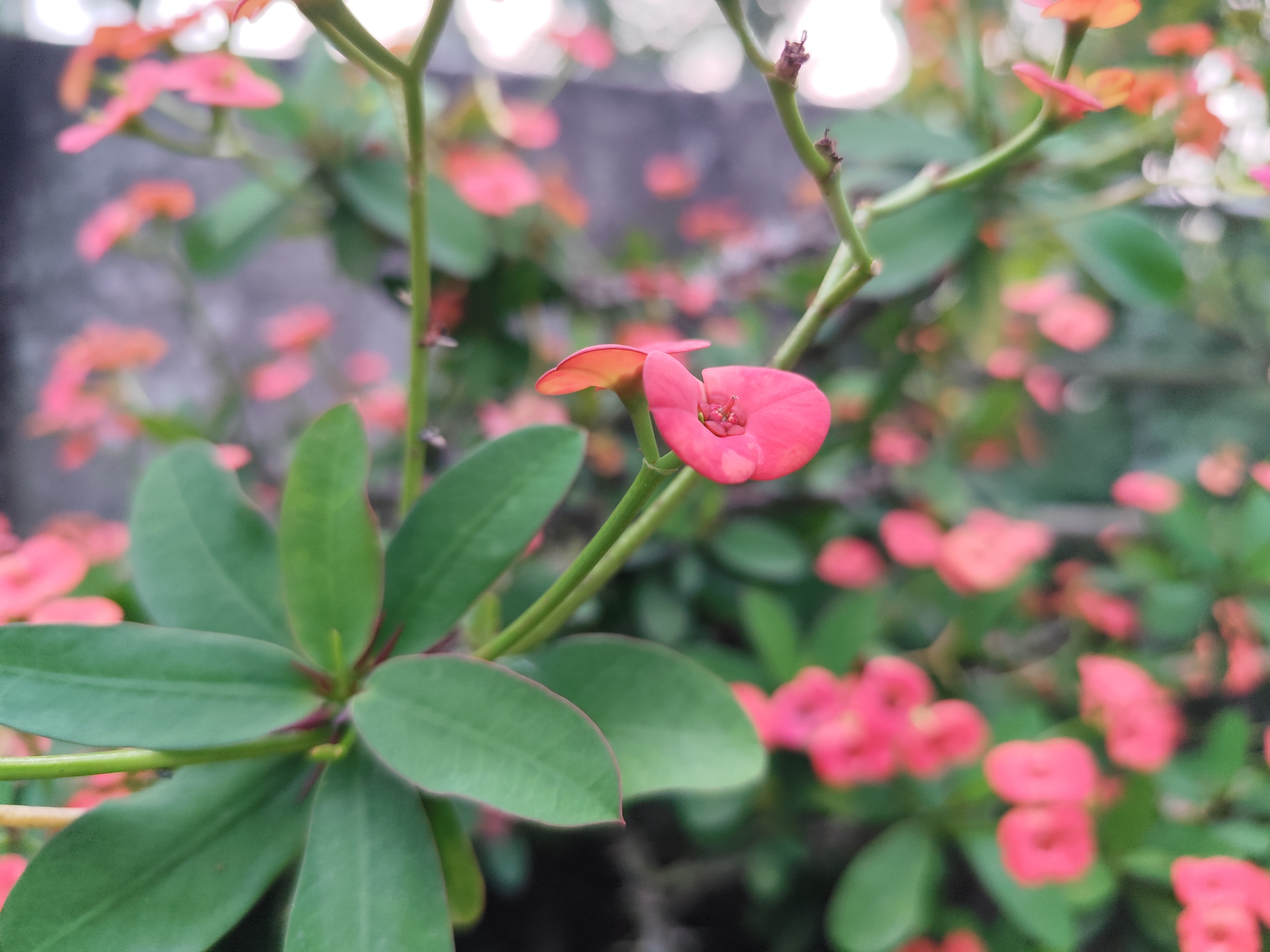
The name itself carries deep historical and cultural significance. It is often associated with the biblical Crucifixion of Jesus, where it is believed to have been used in the crown placed upon Jesus. This connection gives the plant a layer of meaning tied to sacrifice, endurance, and faith. Whether one views it through a religious lens or not, the symbolism of suffering intertwined with beauty is hard to ignore.What makes the Crown-of-thorns especially fascinating is how it balances fragility and strength. Its flowers are delicate, almost tender, while its thorns serve as a clear boundary. It teaches a quiet lesson: it is possible to be open and beautiful while still protecting oneself. In a world that often demands vulnerability without limits, this plant suggests a healthier harmony.
Captured by @pixelmit – bringing nature’s wonders to life, one frame at a time.From vibrant petals to fleeting moments,every shot tells a story worth sharing.