Eurasian Tree Sparrow: The Humble Companion of Human Landscapes
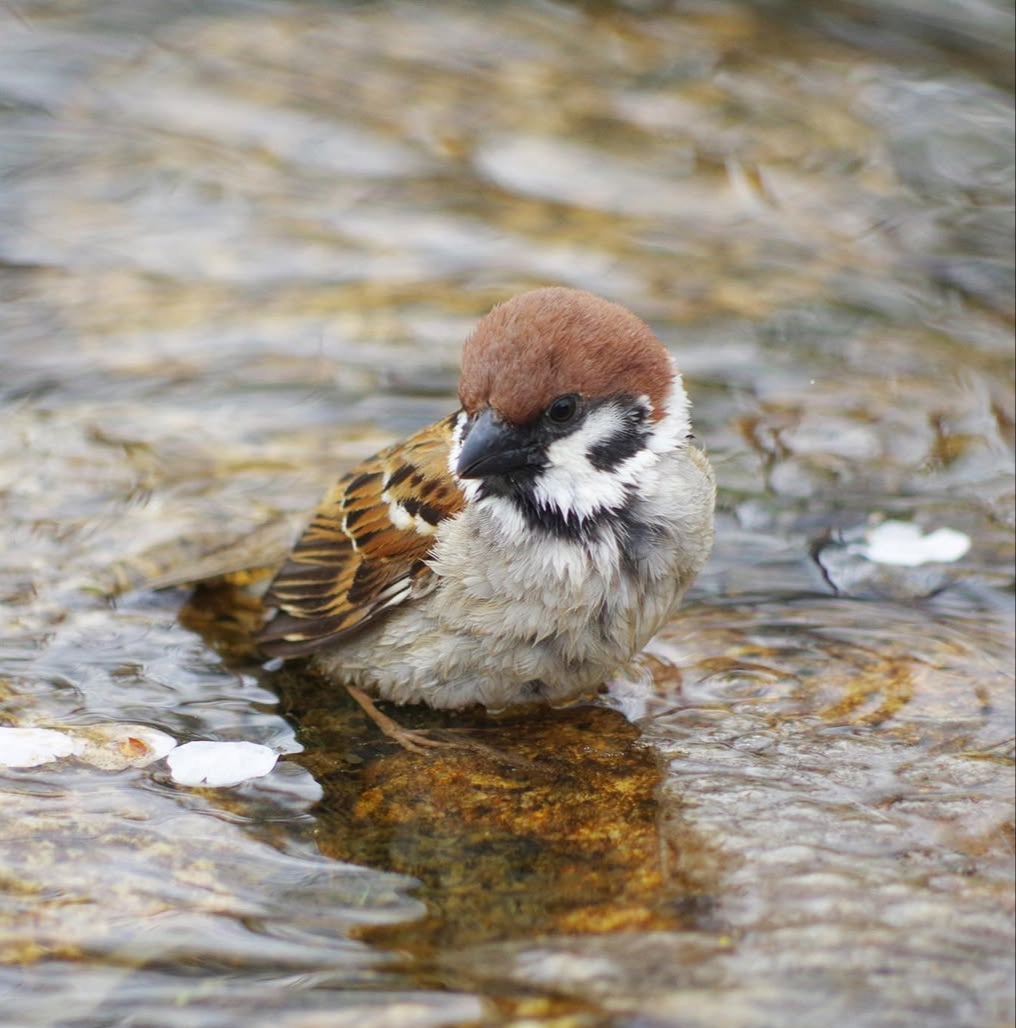
Among the quiet rhythms of villages, fields, and city edges, the Eurasian tree sparrow lives a life so familiar that it is often overlooked. Smaller and subtler than its urban cousin, it carries a warm brown cap, neat black cheek spots, and a gentle presence that blends seamlessly into everyday surroundings. Yet within this modest bird lies a story of adaptability, resilience, and quiet companionship with humanity.
Unlike many species that retreat from human activity, the Eurasian tree sparrow has learned to live alongside it. It nests in tree cavities, old buildings, and even small crevices in walls, turning ordinary spaces into safe havens. Its soft chirps are part of the background music of rural mornings, where it flits between hedges and open fields, rarely drawing attention but always present.
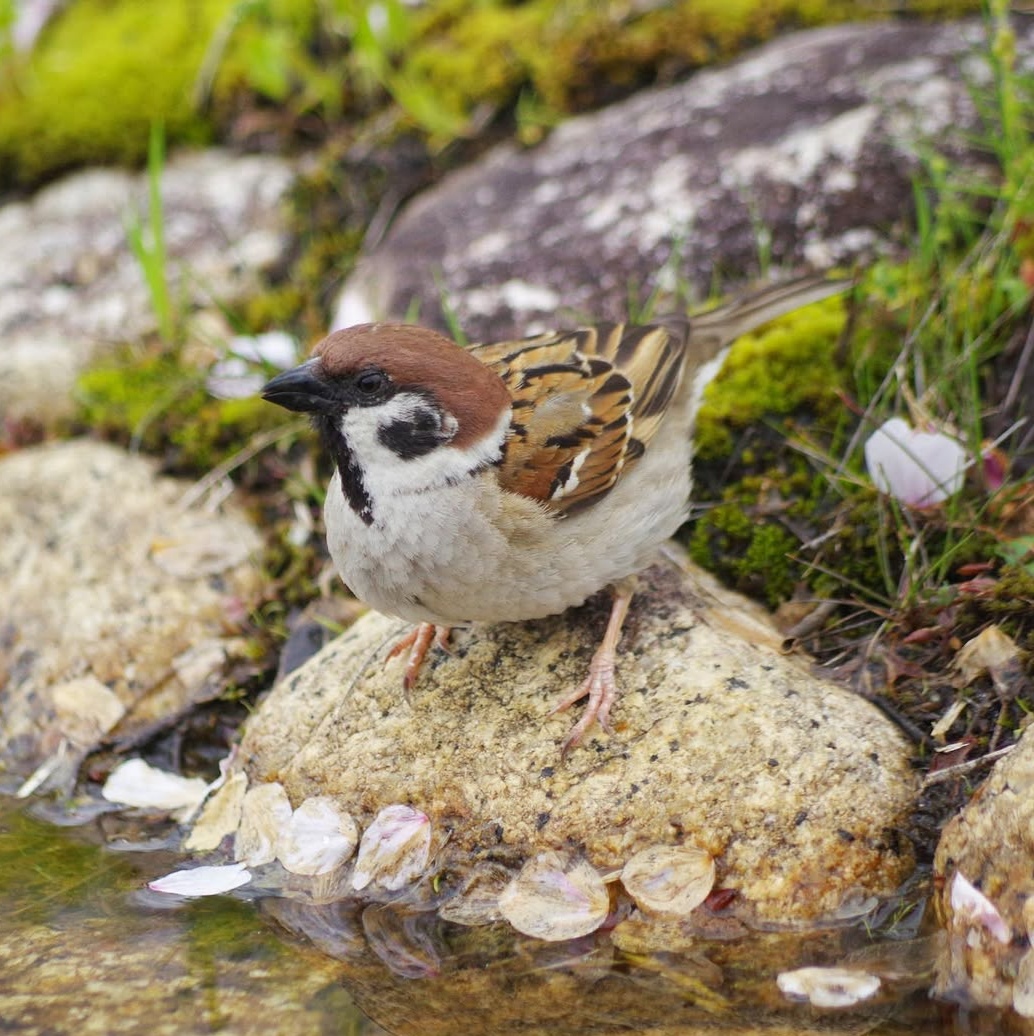
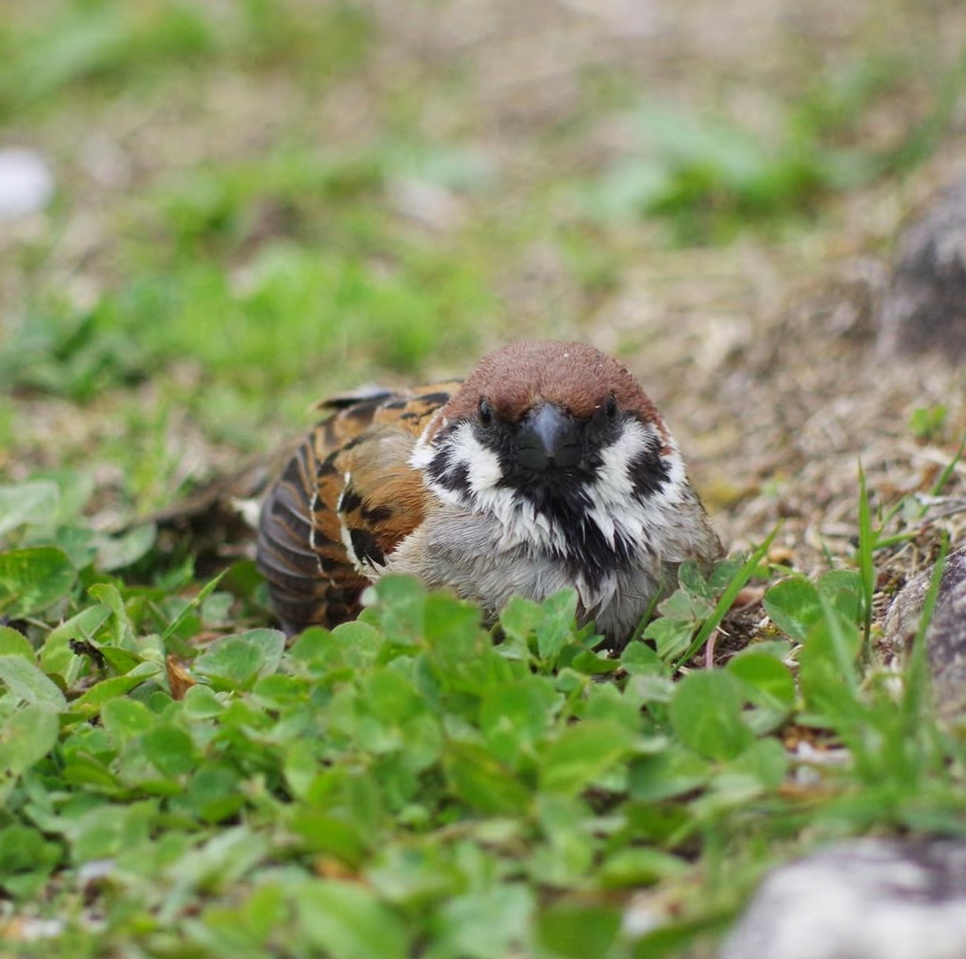
What makes this bird particularly endearing is its social nature. Tree sparrows often move in small groups, feeding together on seeds, grains, and occasional insects. There is a sense of community in their movements—a shared rhythm that reflects cooperation rather than competition. Watching them gather on a branch or forage on the ground feels like witnessing a quiet conversation, one that speaks of belonging and simple survival.
Despite its adaptability, the Eurasian tree sparrow is not untouched by change. Modern agricultural practices, urban expansion, and the loss of natural nesting sites have affected its populations in various regions. Its decline in some areas serves as a subtle warning—an indication that even the most familiar species depend on balanced ecosystems to thrive.
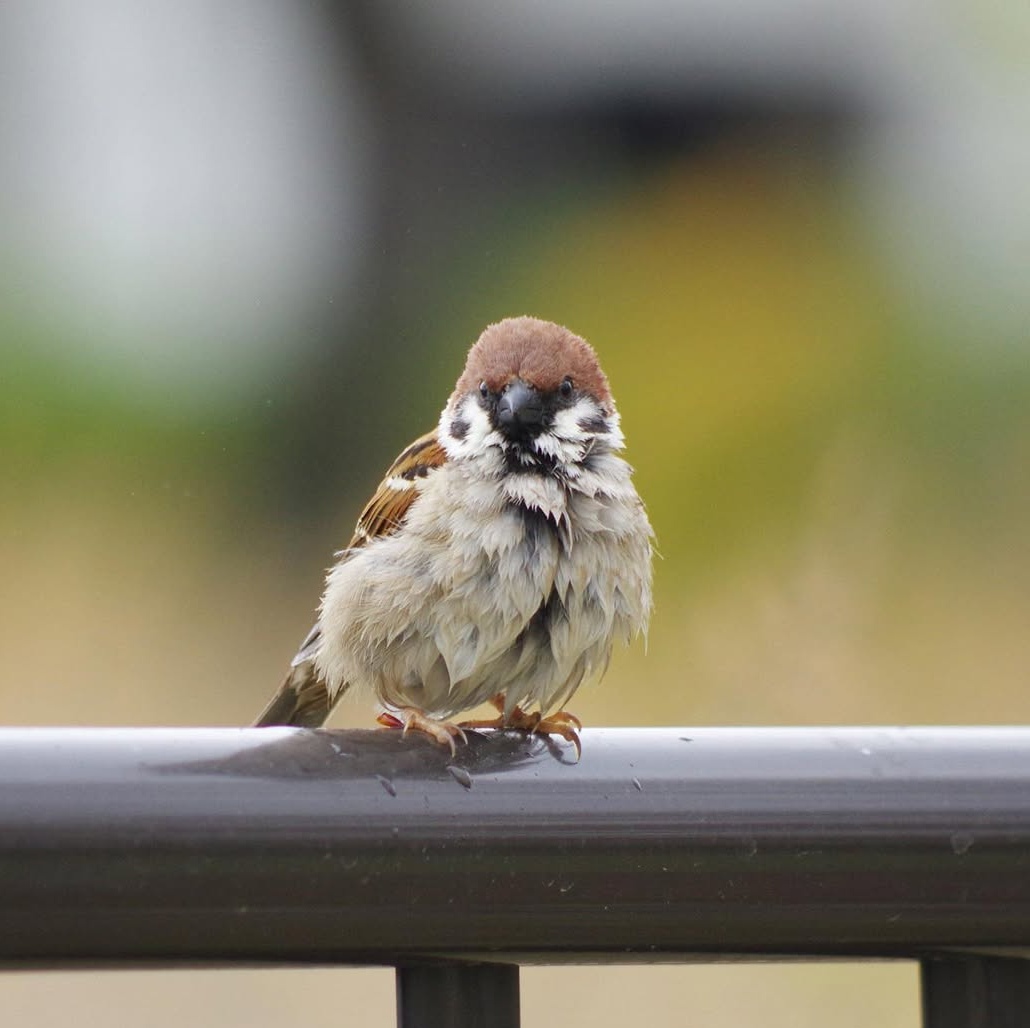
Still, where conditions allow, the bird continues its gentle existence, bridging the gap between wild nature and human life. It doesn’t demand attention with bright colors or elaborate songs, yet it offers something equally valuable: a steady, comforting presence. In a fast-changing world, such constancy can feel quietly reassuring.
To notice the Eurasian tree sparrow is to rediscover the beauty in the ordinary. It reminds us that not all wonders are rare or distant—some live right beside us, in the spaces we pass each day. And perhaps, in paying closer attention to these small companions, we learn to value the simple, enduring connections that shape our shared world.
%20(9).jpeg)