Black-throated Blue Warbler: A Jewel of the Forest
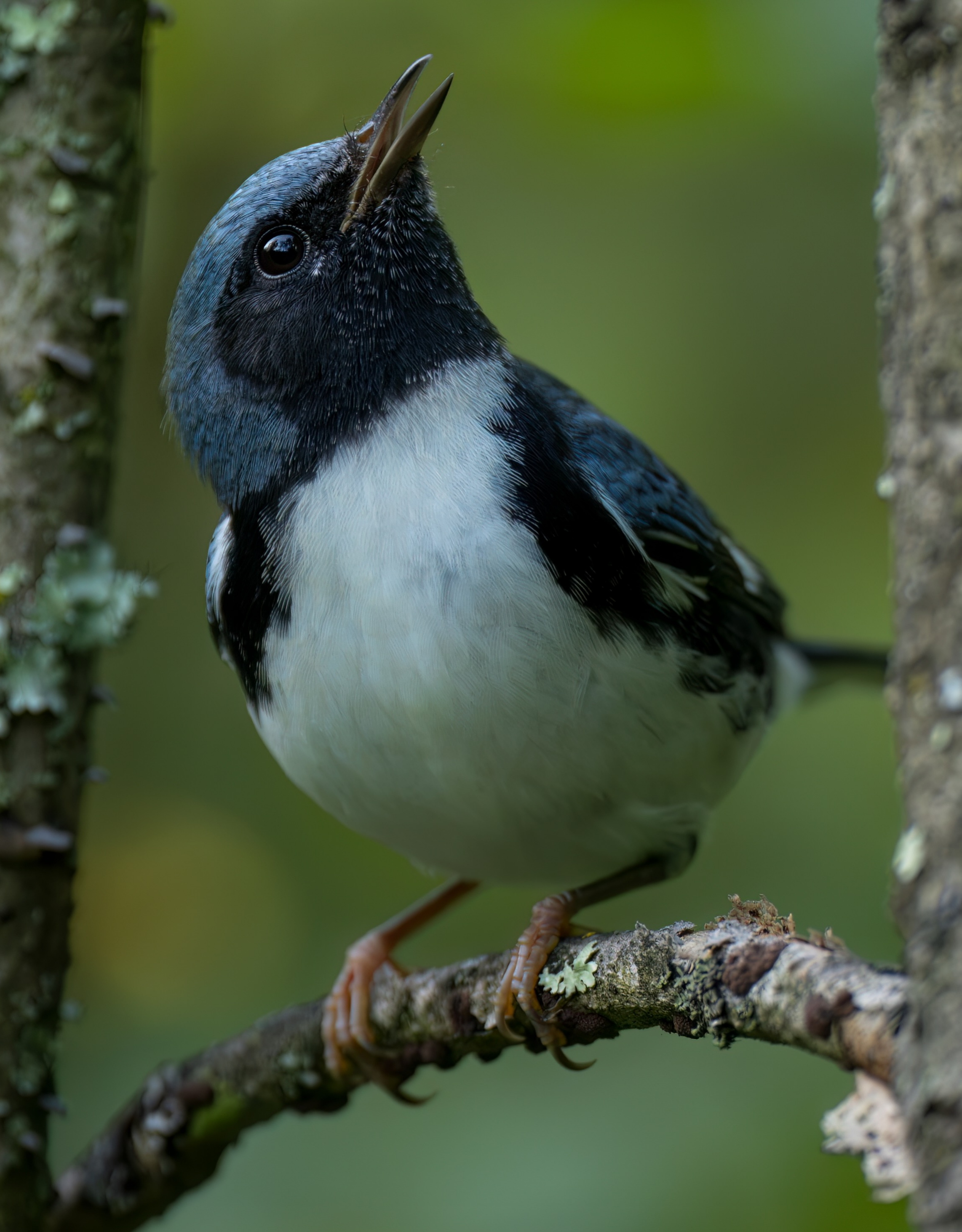
The Black-throated Blue Warbler is a small songbird whose striking appearance makes it one of the most memorable birds of the eastern forests of North America. The male is especially eye-catching, dressed in deep blue plumage with a bold black throat and face, while the female has a very different appearance, with soft olive-brown coloring and a pale eyebrow. Despite its tiny body, this warbler carries an unmistakable charm that can brighten a quiet woodland morning.
During the breeding season, Black-throated Blue Warblers are commonly associated with mature, shaded forests, where dense vegetation provides shelter and abundant food. They spend much of their time moving through branches and foliage in search of insects and other small invertebrates. Their preference for forest interiors gives them a special connection with healthy woodland ecosystems, where layers of trees and understory plants create the perfect environment for feeding and nesting.
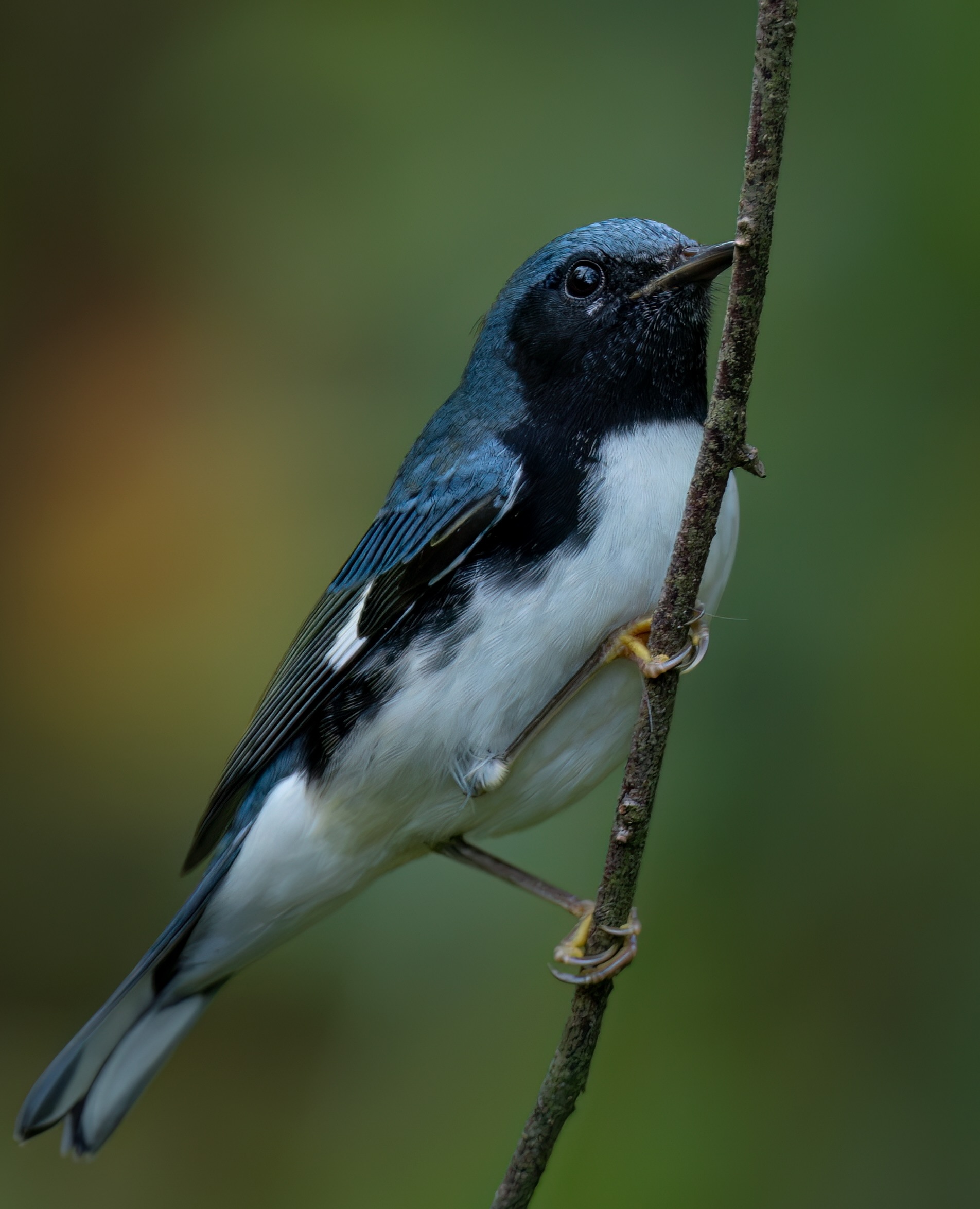
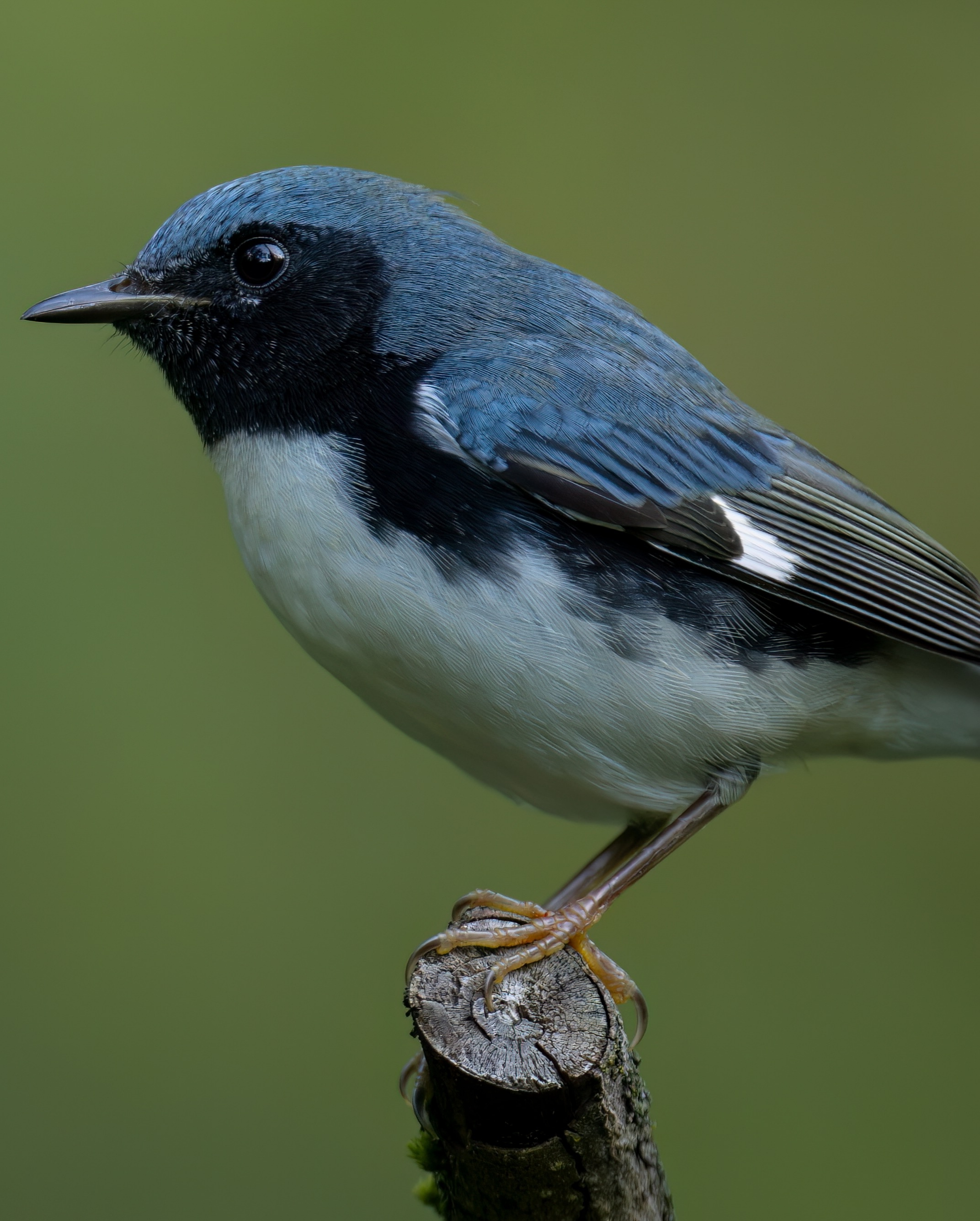
One of the most beautiful aspects of this bird is its seasonal journey. Black-throated Blue Warblers migrate between their breeding grounds in eastern North America and wintering areas farther south, including parts of the Caribbean and Central America. These long journeys are remarkable for such a small creature. Twice each year, the bird crosses vast distances, guided by instincts that have been shaped through generations.
The warbler's diet changes with the seasons, but insects, caterpillars, spiders, and other small creatures form an important part of its food. By searching carefully among leaves and branches, it helps keep insect populations naturally balanced. During migration and winter, it may also include fruits and berries in its diet, allowing it to take advantage of whatever food the changing landscape provides.
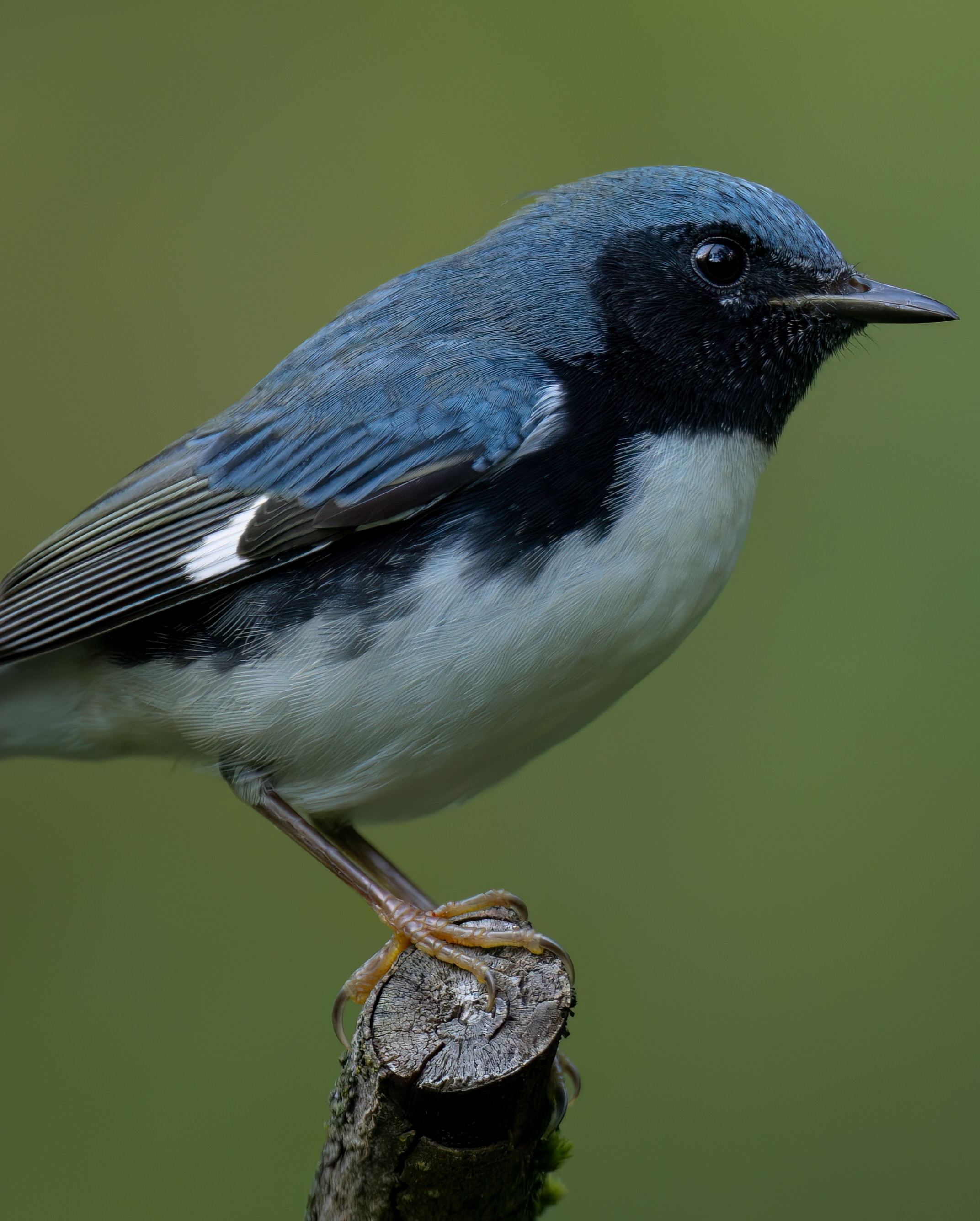
Black-throated Blue Warblers also remind us why protecting forests matters. Loss and fragmentation of mature woodland can reduce suitable breeding and feeding habitat, while changes along migration routes can create additional challenges. Protecting connected forests and preserving natural vegetation can therefore benefit not only this beautiful warbler but countless other species that share its world.
For birdwatchers, encountering a Black-throated Blue Warbler can feel like discovering a tiny work of art moving quietly through the trees. Its vivid male plumage, contrasting female appearance, gentle movements, and remarkable migration story make it much more than an attractive woodland bird. It represents the quiet resilience of nature and the extraordinary journeys that take place above and among the forests we often pass without noticing.
%20(9).jpeg)