Cedar Waxwing: The Elegant Songbird That Brings Color to Every Season
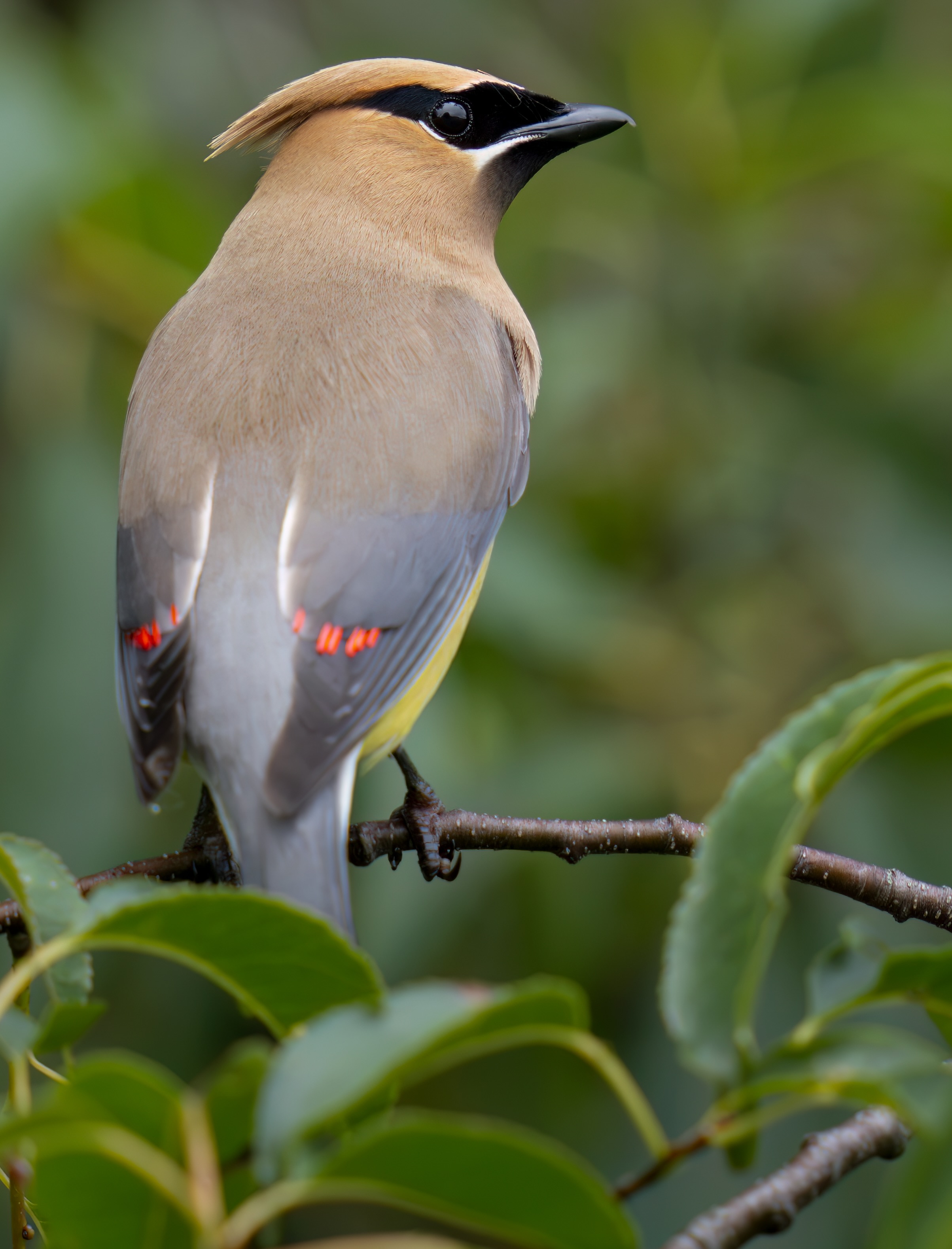
The Cedar Waxwing is one of nature's most graceful birds, admired for its silky feathers, soft colors, and calm personality. Found across North America, this beautiful songbird is easy to recognize with its sleek brown crest, black mask, pale yellow belly, and bright yellow-tipped tail. Its name comes from the wax-like red droplets on the tips of its wing feathers, making it look as though the bird has been carefully painted by nature itself.
Unlike many birds that search for insects throughout the year, Cedar Waxwings have a special love for fruits and berries. They gather in flocks and feast on cherries, cedar berries, blueberries, and other seasonal fruits. During warmer months, they also eat insects, especially flying ones caught gracefully in midair. This balanced diet helps them thrive in forests, orchards, parks, and suburban gardens where food is plentiful.
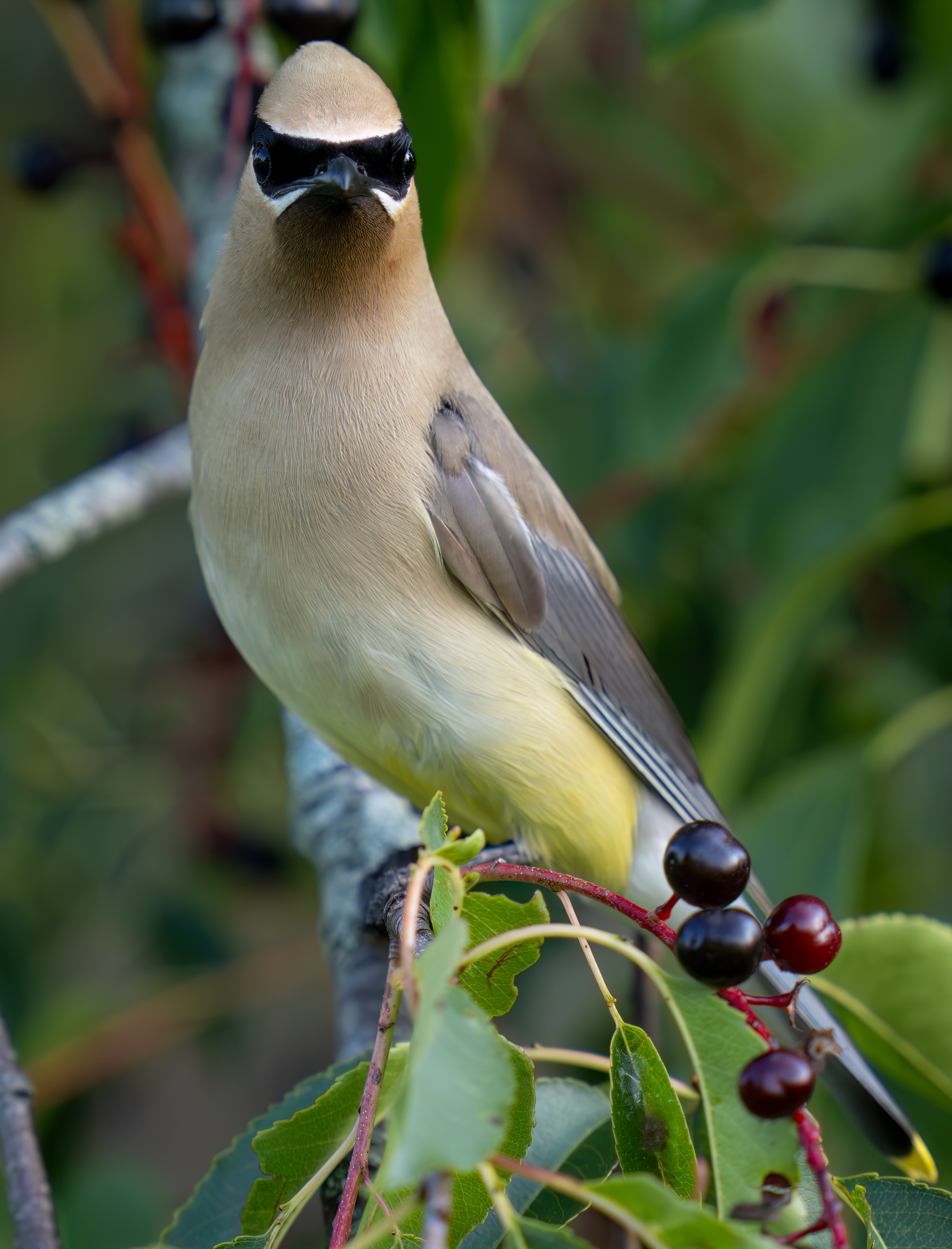
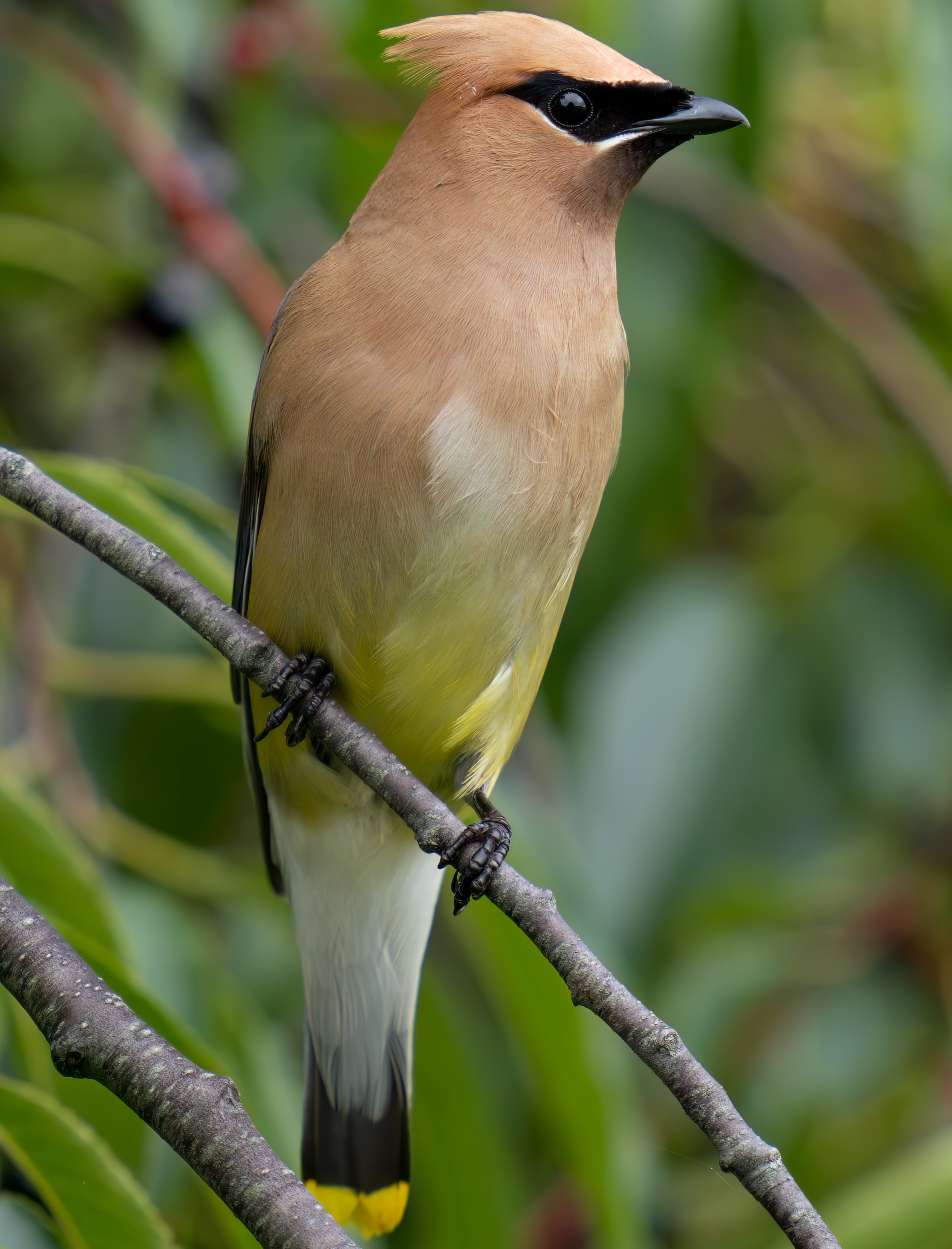
One of the most fascinating qualities of the Cedar Waxwing is its strong sense of community. These birds are highly social and rarely live alone. They travel, feed, and even groom each other in groups. A charming behavior often observed is two waxwings passing a berry back and forth before one finally eats it. This gentle interaction reflects cooperation and bonding, making them one of the friendliest bird species in the wild.
The breeding season of the Cedar Waxwing is slightly later than many other songbirds because they wait until summer fruits become abundant. They build neat cup-shaped nests using twigs, grass, moss, and soft materials, usually hidden among tree branches. Both parents share responsibilities, from incubating the eggs to feeding the hungry chicks, showing remarkable teamwork in raising their young.
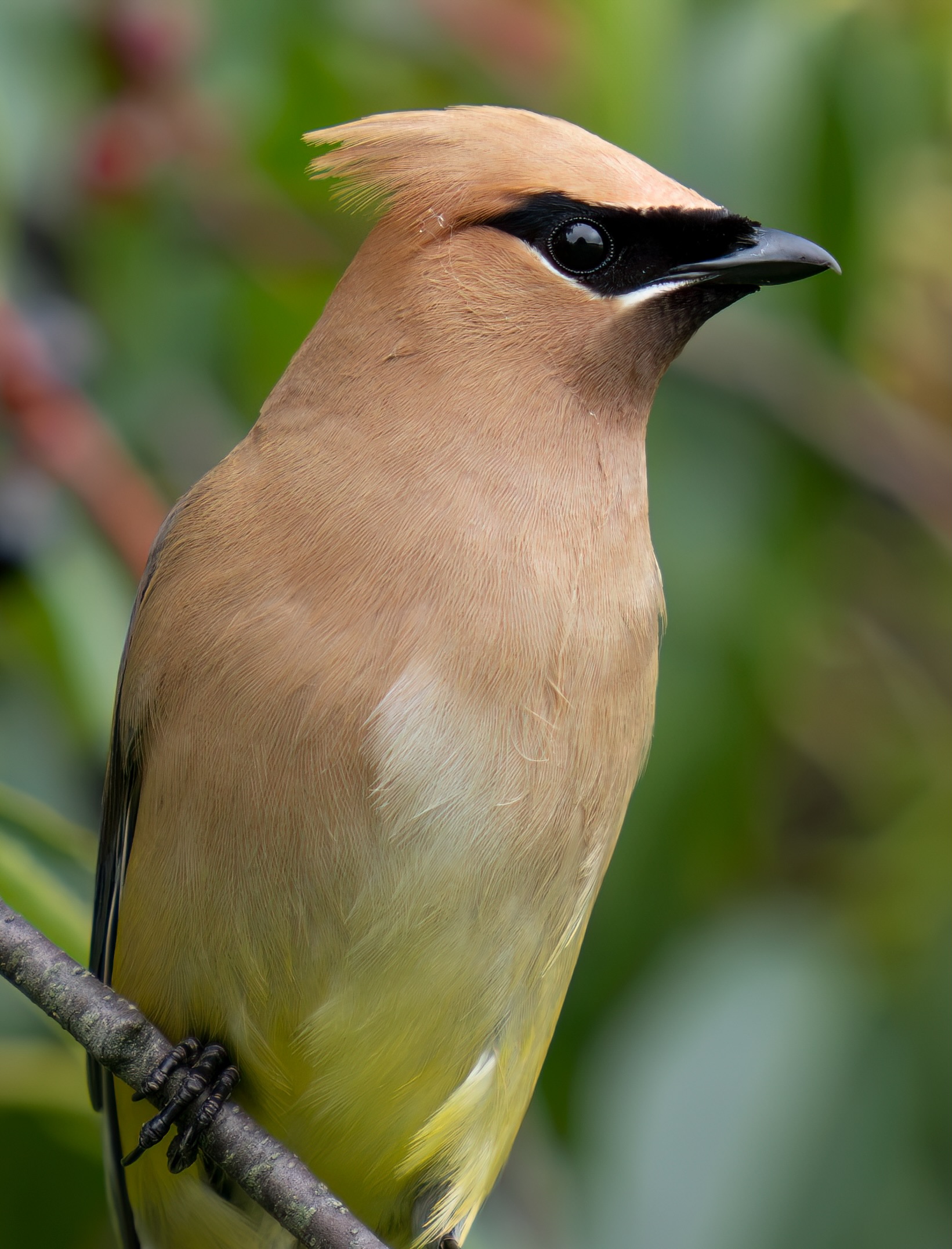
Beyond their beauty, Cedar Waxwings play an important role in nature. As they consume berries, they spread seeds across forests and open landscapes, helping new plants grow naturally. Their presence supports healthy ecosystems and contributes to the regeneration of many fruit-bearing trees and shrubs. They are a reminder that even small birds can have a significant impact on the environment.
Watching a flock of Cedar Waxwings glide through the trees is a peaceful and unforgettable experience. Their elegant flight, soft whistles, and colorful appearance make them a favorite among birdwatchers and nature photographers alike. The Cedar Waxwing teaches us that true beauty often lies in simplicity, harmony, and living closely with nature. Protecting their habitats ensures that future generations will continue to enjoy the quiet charm of this remarkable songbird.
%20(9).jpeg)