Common Yellowthroat: The Masked Songbird of Wetlands
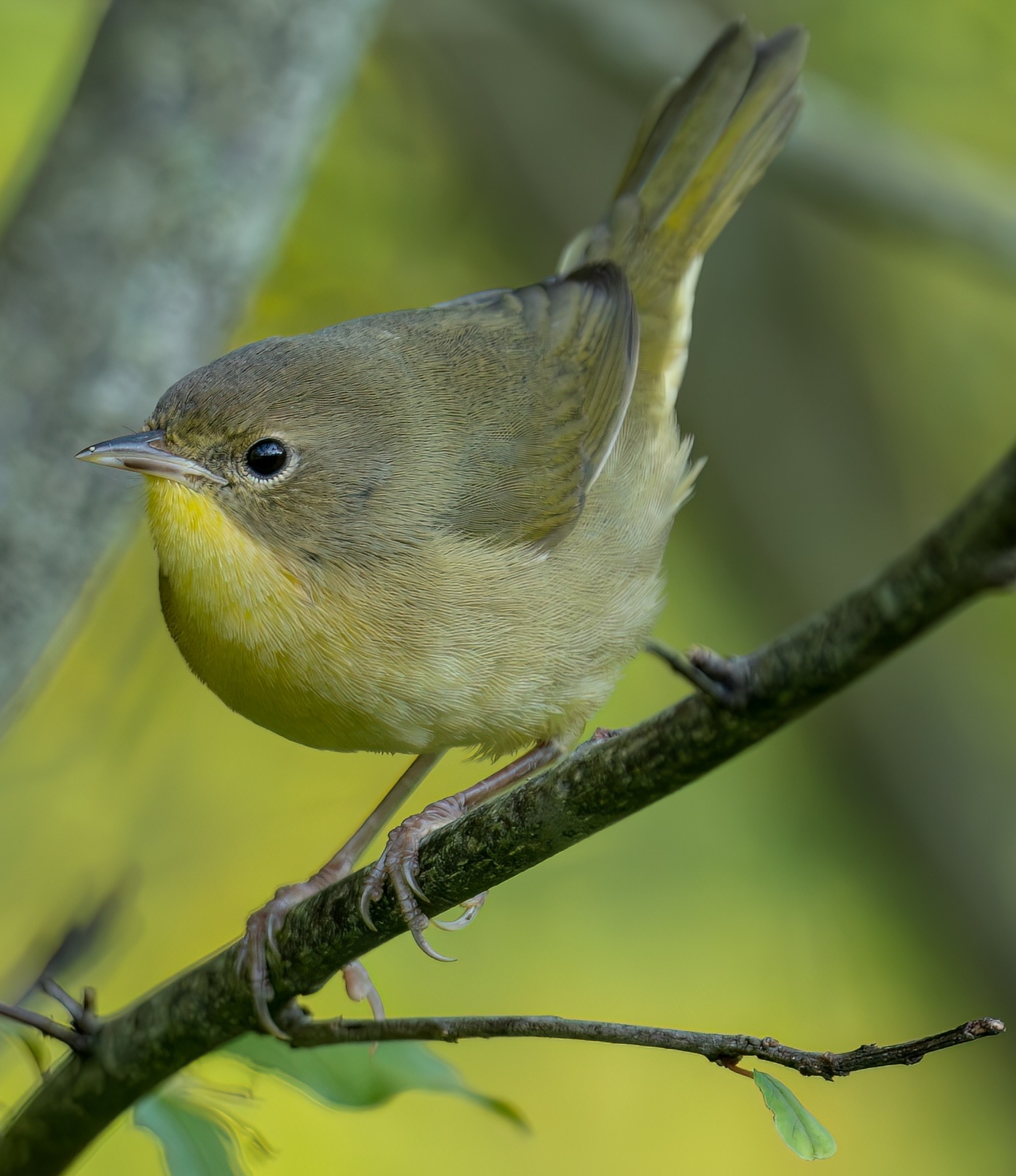
The Common Yellowthroat is a small, lively songbird best known for the striking black mask worn by males. Found across much of North America, this cheerful bird often lives in wetlands, grassy fields, marsh edges, and areas filled with dense vegetation. Its bright yellow throat and breast contrast beautifully with its olive-brown body, making it a delightful sight for birdwatchers.
Male Common Yellowthroats are especially recognizable because of their dark facial mask bordered with pale markings. Females usually have a softer appearance, lacking the bold mask and showing more subdued brown and olive tones. Despite their small size, these birds are active and energetic, frequently moving through grasses and shrubs while searching for insects and other tiny creatures.
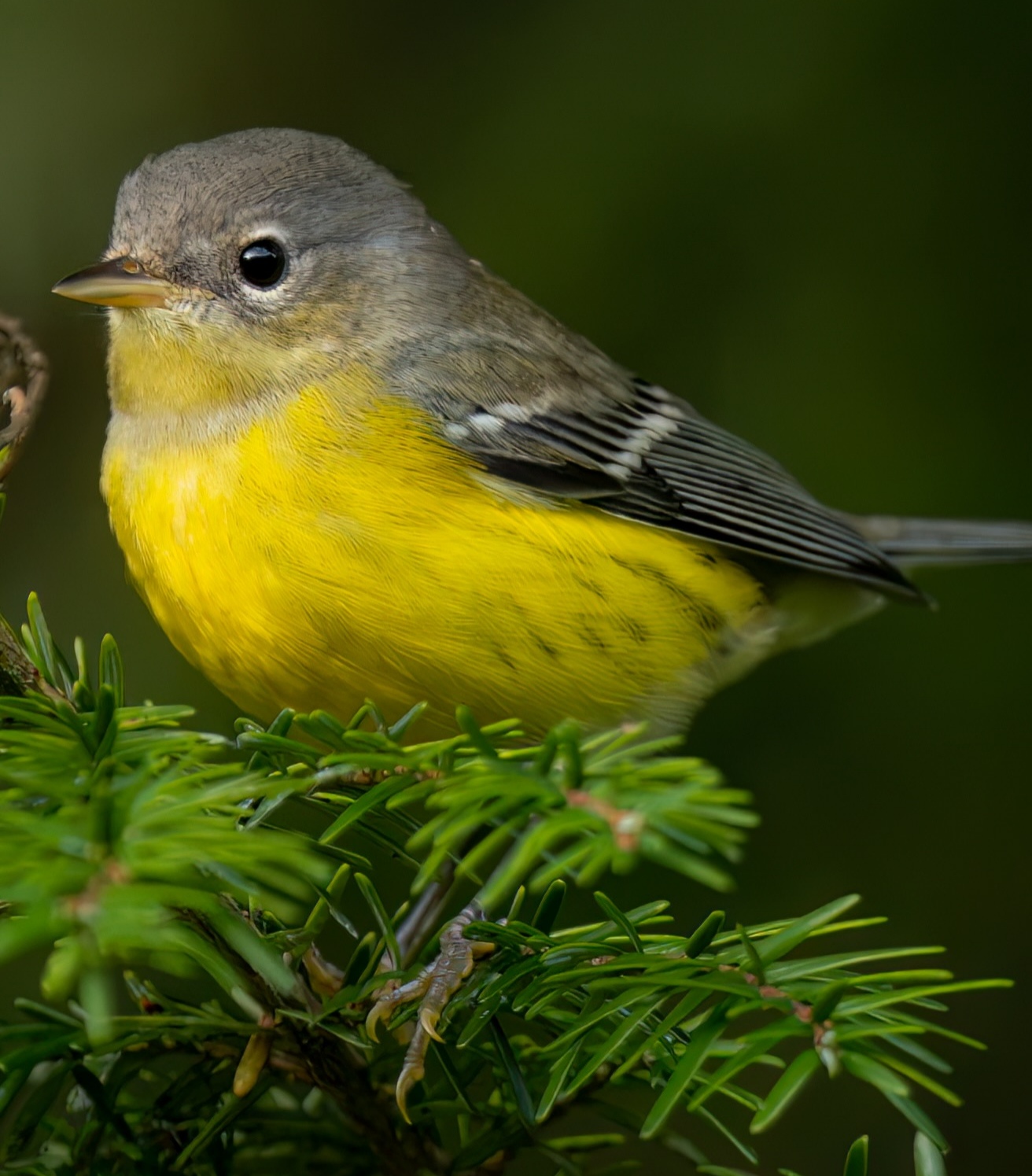
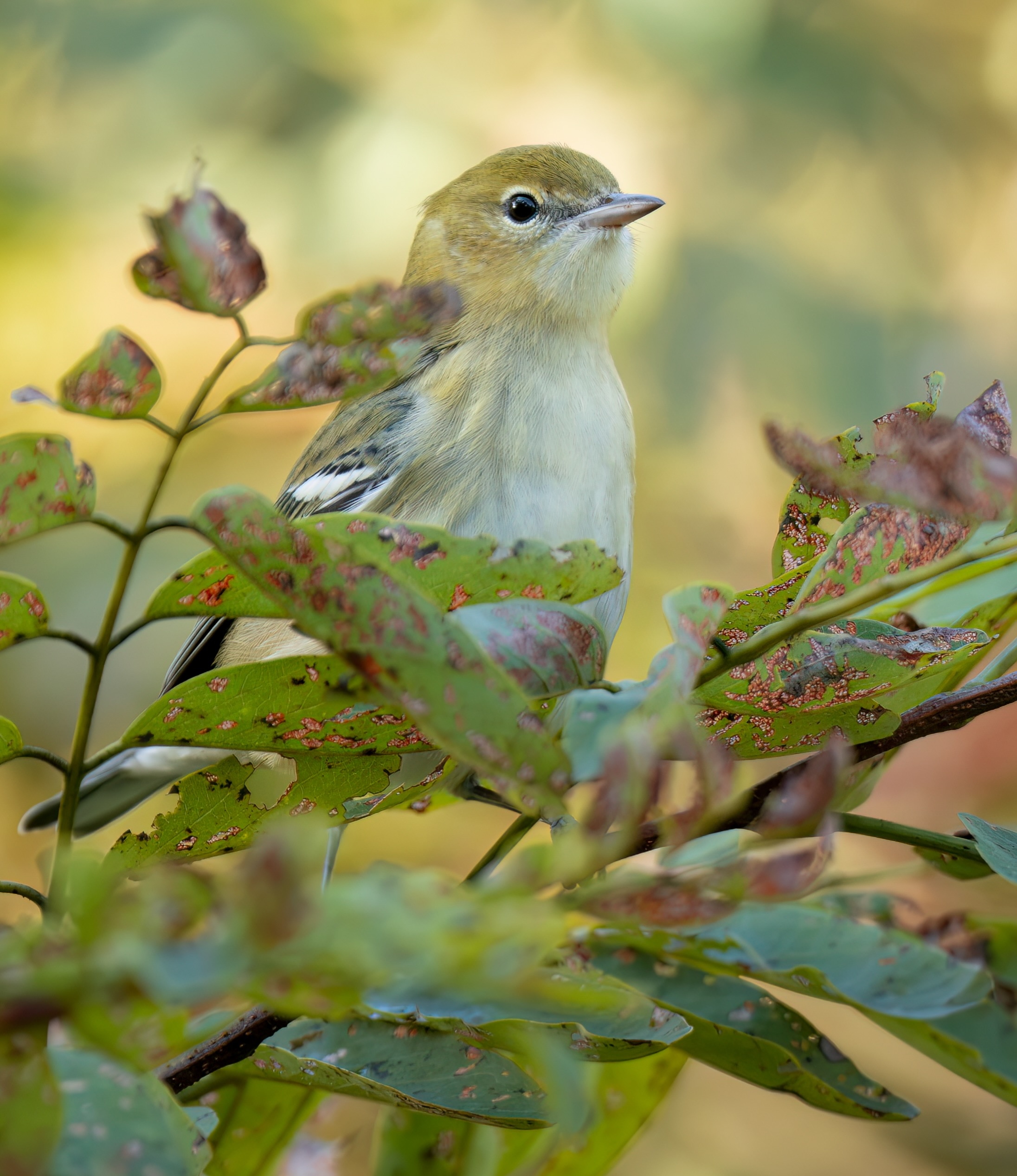
The Common Yellowthroat spends much of its time close to the ground, where thick vegetation provides both food and protection. It feeds mainly on insects such as beetles, moths, caterpillars, and other small invertebrates. Its habit of disappearing quickly into dense plants can make it challenging to observe, but its distinctive song often reveals its presence before the bird itself comes into view.
During the breeding season, males become particularly vocal as they defend territories and attract mates. Their familiar song is a simple, cheerful series of notes that many bird enthusiasts recognize immediately. Nests are usually hidden among grasses or low vegetation, helping protect eggs and young birds from predators.
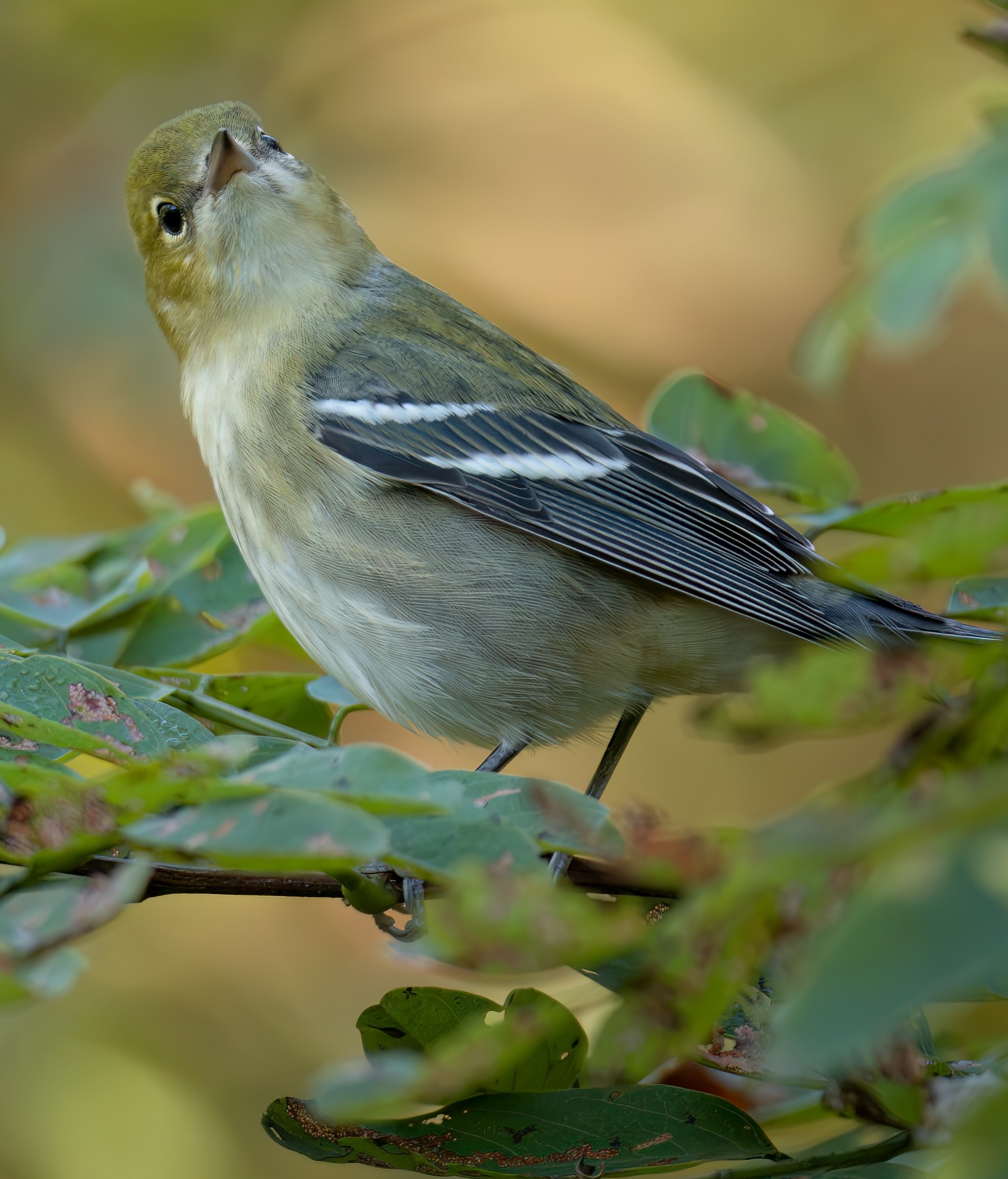
As seasons change, many Common Yellowthroats migrate to warmer areas, while populations in milder regions may remain throughout the year. Their dependence on dense vegetation means that healthy marshes, meadows, and overgrown habitats are important for their survival. Protecting these natural spaces therefore benefits not only the yellowthroat but also many other small birds and wildlife species.
The Common Yellowthroat may be a tiny bird, but its personality is remarkably vivid. With its bright yellow breast, distinctive mask, energetic movements, and familiar song, it brings life to wetlands and grassy landscapes. For anyone who enjoys observing birds, finding a Common Yellowthroat quietly moving through the reeds can turn an ordinary walk in nature into a memorable experience.
%20(9).jpeg)