Hepatica nobilis: The Quiet Jewel of Early Spring
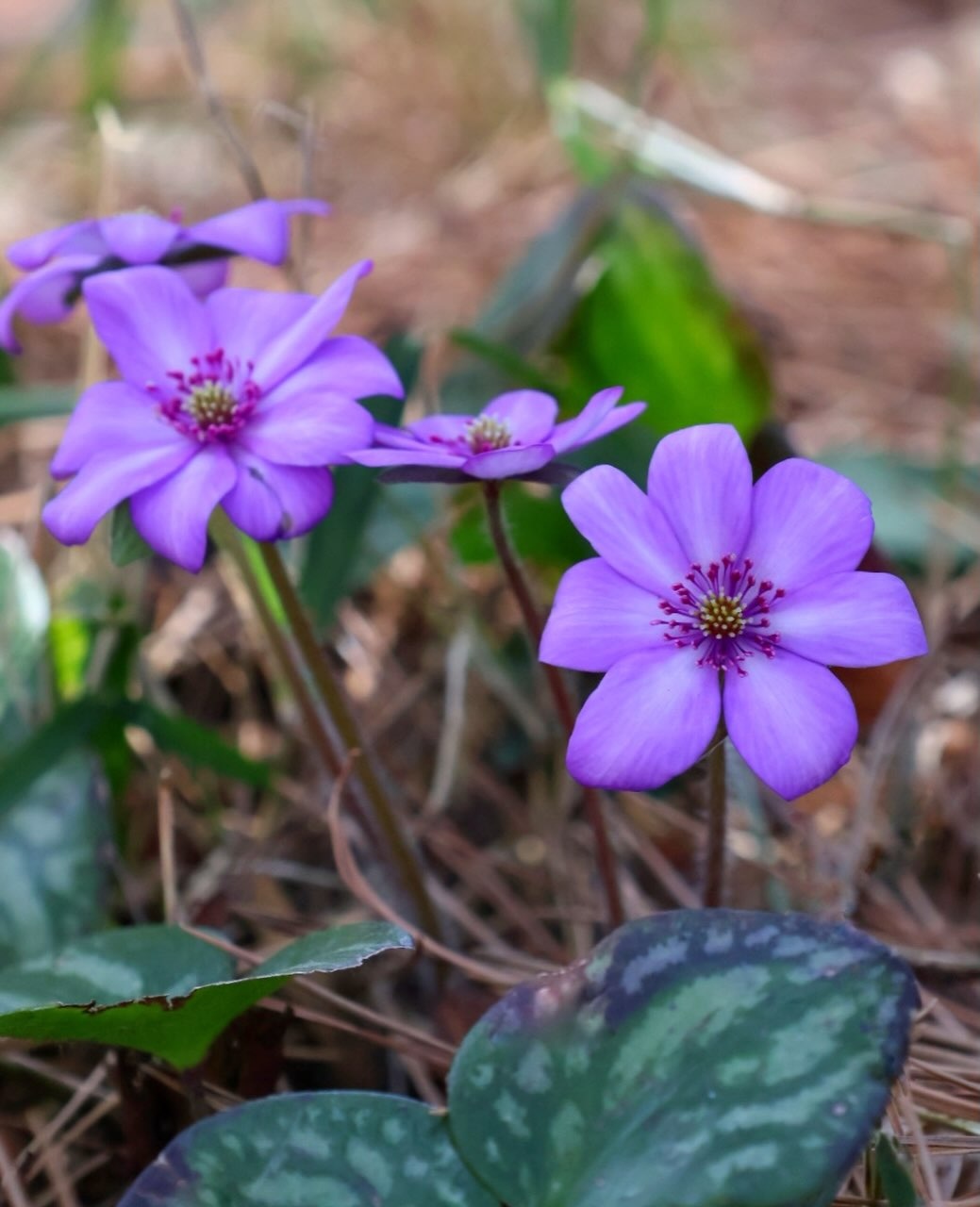
In the gentle awakening of early spring, when the earth is just beginning to shrug off winter’s chill, the Hepatica nobilis emerges like a soft whisper of color. Nestled close to the forest floor, its small blossoms appear in shades of violet, blue, pink, and sometimes pure white. These delicate flowers seem almost too refined for the rugged environment they inhabit, yet they persist—quietly resilient, announcing the arrival of a new season.
The name Hepatica traces back to an old belief linking the plant’s three-lobed leaves to the human liver, a connection rooted in ancient herbal traditions. While modern science has moved beyond such symbolic associations, the plant still carries a sense of history within it. Each leaf, often leathery and dark green, remains long after the blooms fade, offering a steady presence throughout the changing seasons.
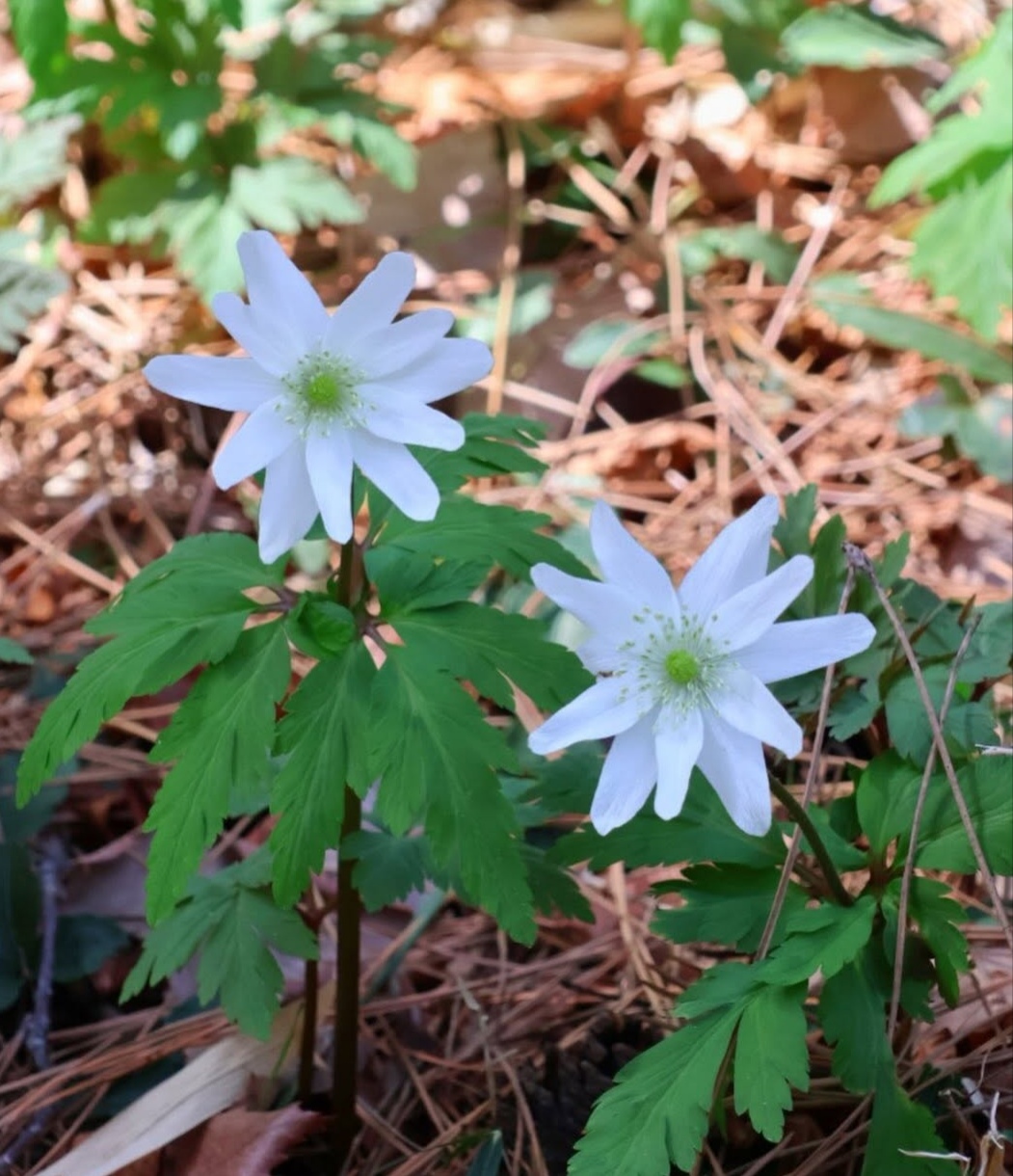
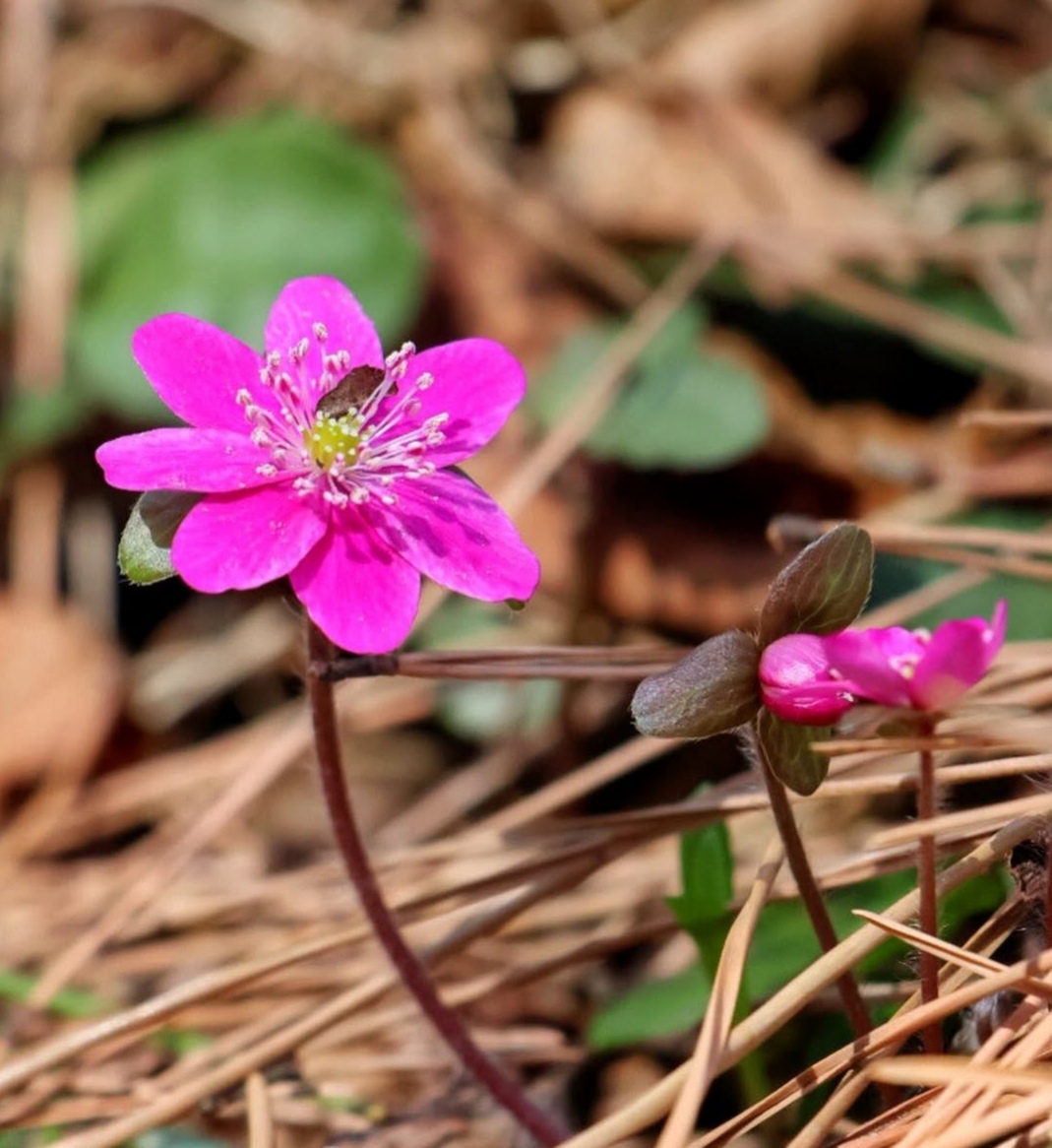
What makes Hepatica nobilis especially captivating is its timing. It blooms before many other plants have awakened, taking advantage of the sunlight that filters through bare tree branches. In this brief window, it flourishes without competition, painting the forest floor with subtle color. There is something quietly courageous about this—choosing to bloom when conditions are still uncertain, trusting in the promise of warmth yet to come.
Beyond its beauty, the plant plays a meaningful role in its ecosystem. Early pollinators, such as small bees and insects emerging from winter dormancy, rely on these blossoms for nourishment. In return, they help carry pollen from flower to flower, continuing a cycle that has unfolded for centuries. This delicate exchange highlights the interconnectedness of life, even in the smallest corners of nature.
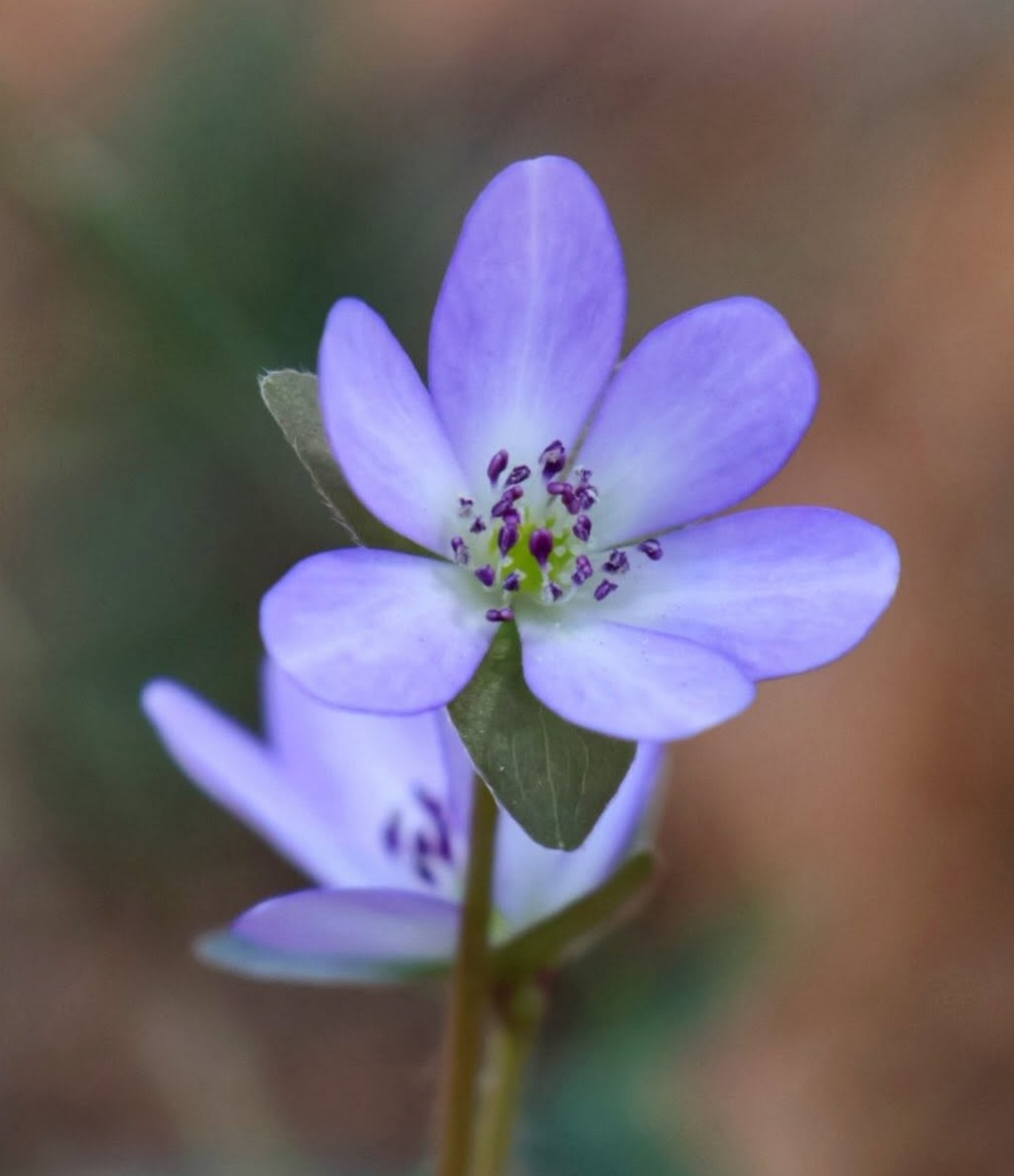
Gardeners who cultivate Hepatica nobilis often do so with patience and respect for its natural preferences. It thrives best in shaded, woodland-like conditions, where the soil is rich and undisturbed. Unlike showier garden plants, it does not demand attention, but rather rewards those who observe closely. Its presence transforms a quiet garden into a space of seasonal storytelling.
Ultimately, Hepatica nobilis is a symbol of quiet beginnings. It reminds us that renewal does not always arrive with bold declarations; sometimes, it unfolds gently, petal by petal, in the cool air of early spring. In its modest blooms, we find a lesson in resilience and hope—the kind that grows quietly, yet endures long after the season has passed.
%20(9).jpeg)