Melastoma malabathricum: The Quiet Beauty of a Wildflower
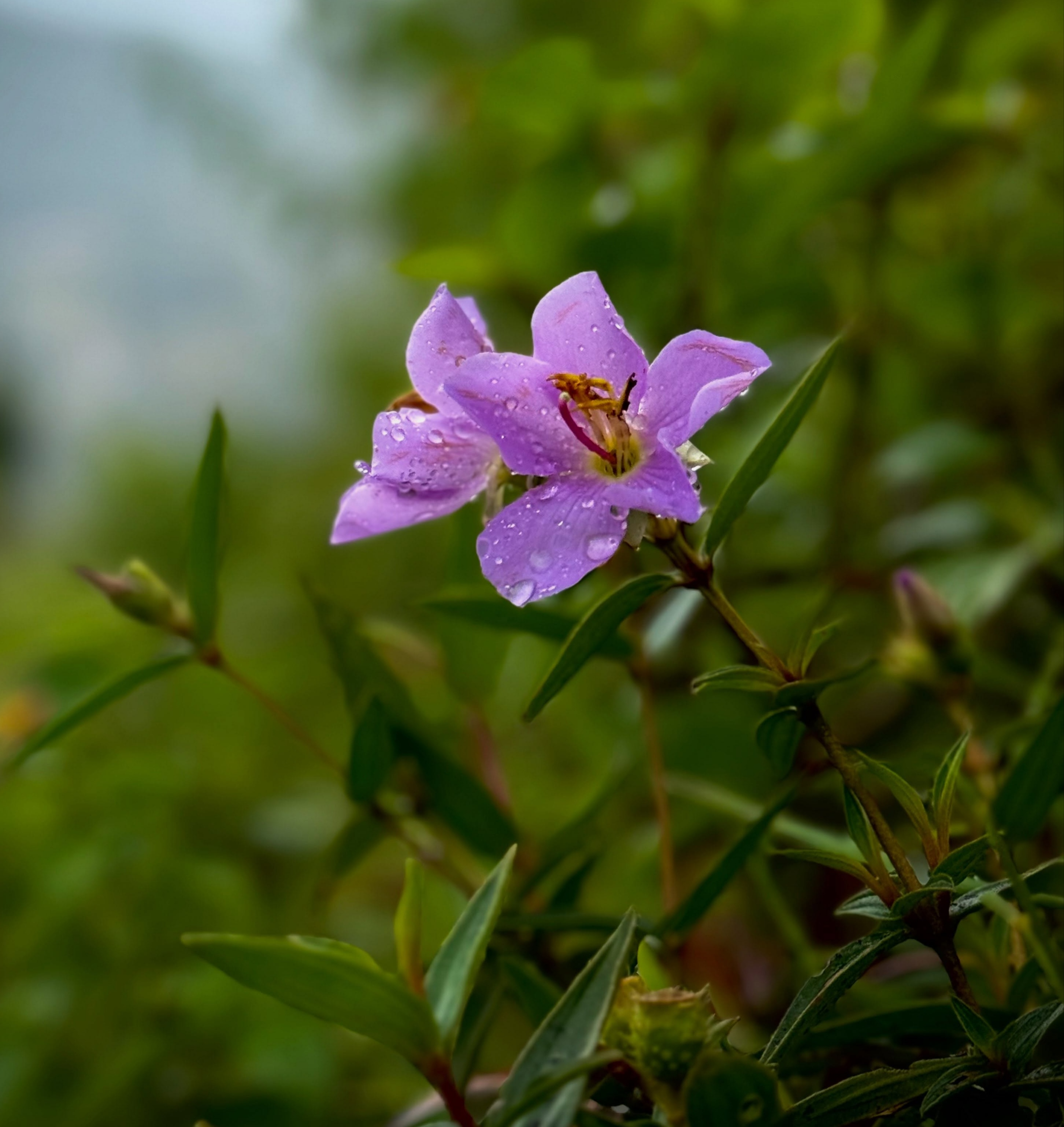
Melastoma malabathricum is a charming flowering plant that often grows quietly in tropical landscapes. With its vivid purple-pink flowers and soft green leaves, it brings a touch of colour to places where many people might not expect to find beauty. Although it may not be as famous as roses or orchids, this wild plant has a character of its own. Its simple appearance reflects the natural richness of tropical environments.
The plant is commonly found in open grasslands, forest edges, roadsides, and other sunny or lightly shaded areas. It is well adapted to warm and humid climates and can establish itself in disturbed land. This ability to survive in changing surroundings makes it an interesting part of the local vegetation. Wherever it grows naturally, it can provide colour and life to an otherwise ordinary landscape.
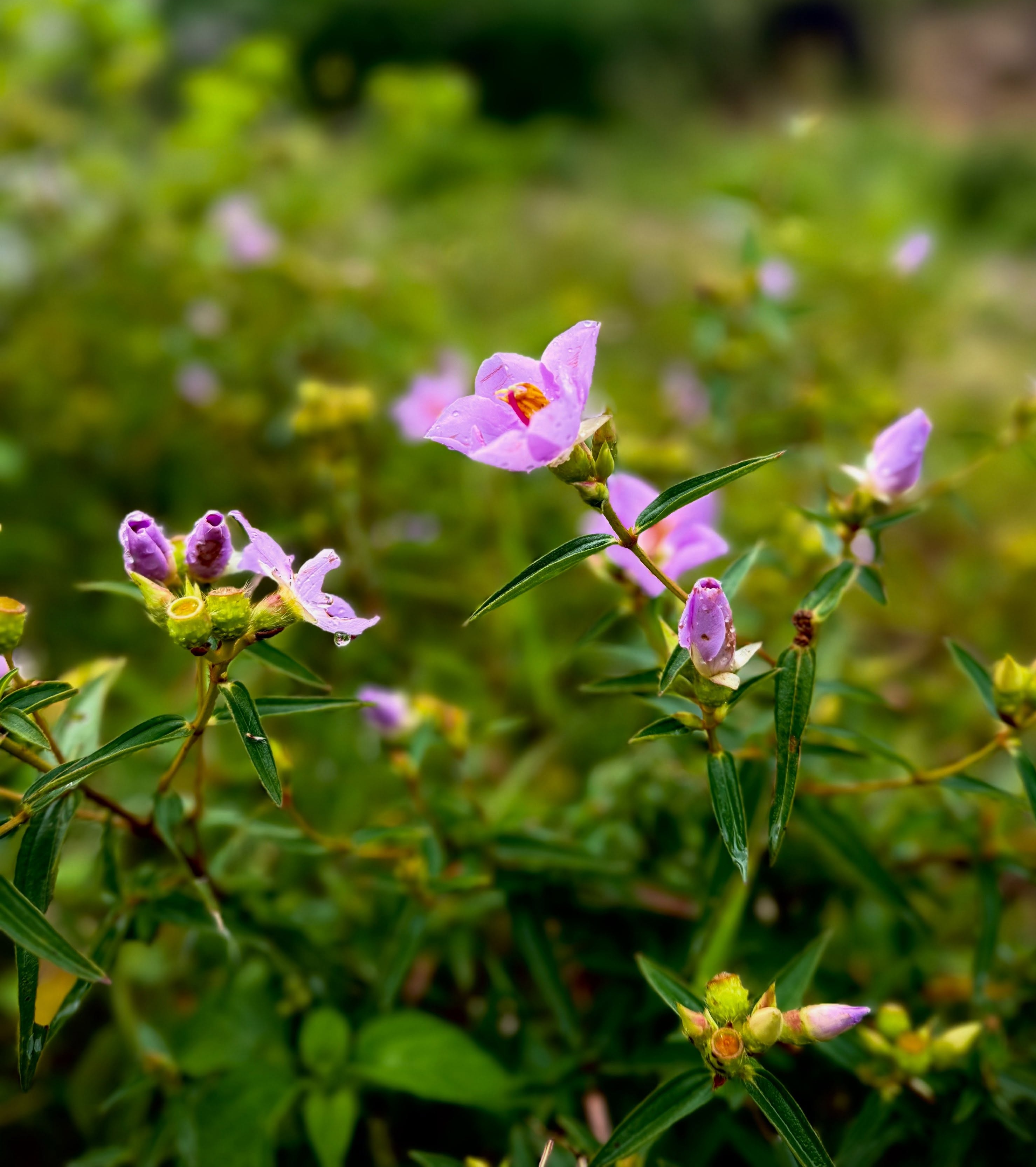
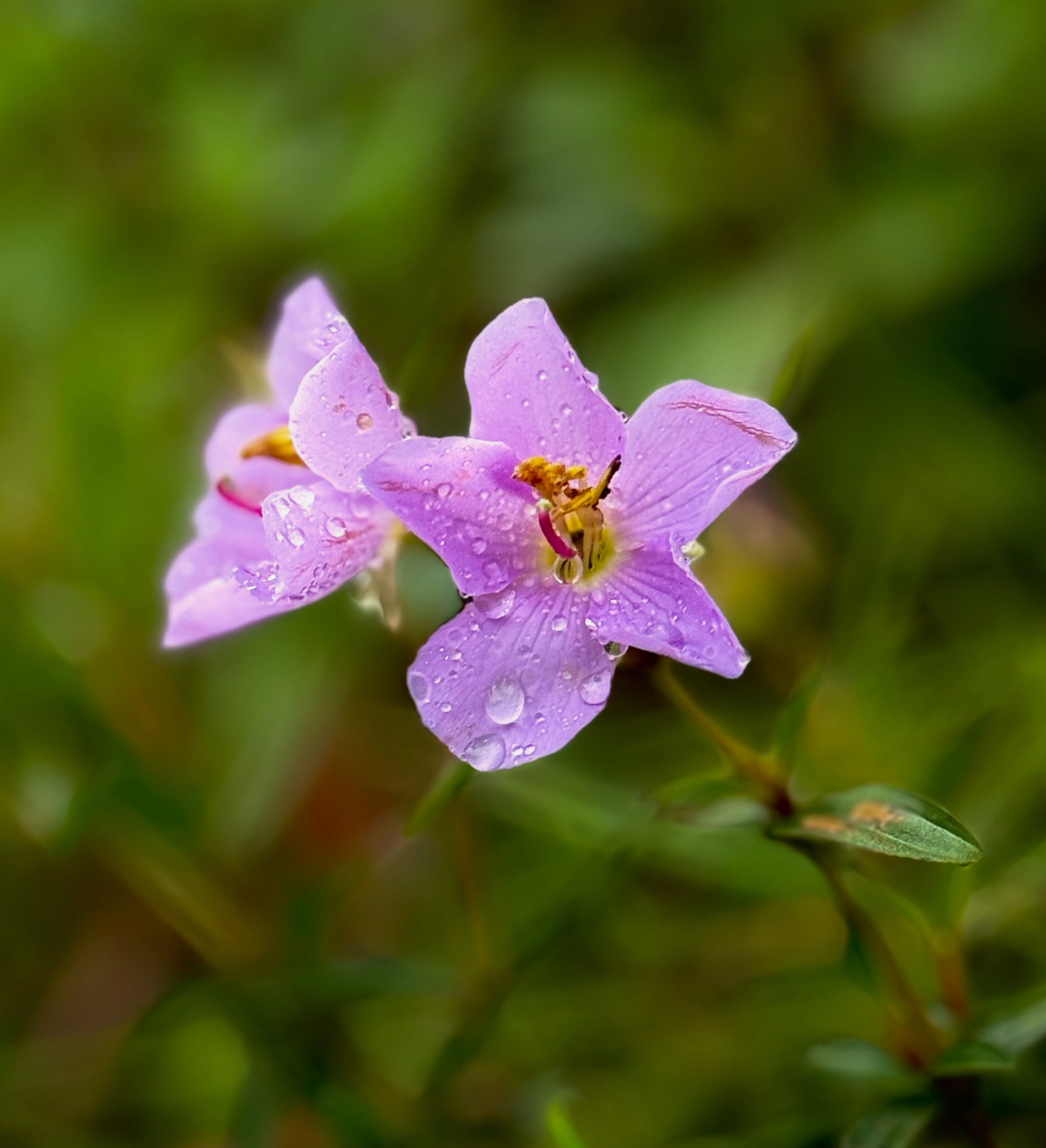
One of the most attractive features of Melastoma malabathricum is its flower. The bright petals, usually pink to purple, surround a cluster of distinctive stamens that give the flower an almost artistic appearance. Its leaves are also notable, often showing several prominent veins that create a beautiful pattern. Together, the flowers and foliage make the plant easy to recognize once someone takes the time to notice it.
Beyond its visual appeal, the plant has a long history of traditional use in different parts of tropical Asia. Various communities have used parts of the plant in traditional remedies and household practices. However, traditional use should not automatically be taken as proof of medical effectiveness, and scientific evidence varies depending on the particular claimed use. Its cultural importance nevertheless shows how closely people have historically lived alongside the plants around them.
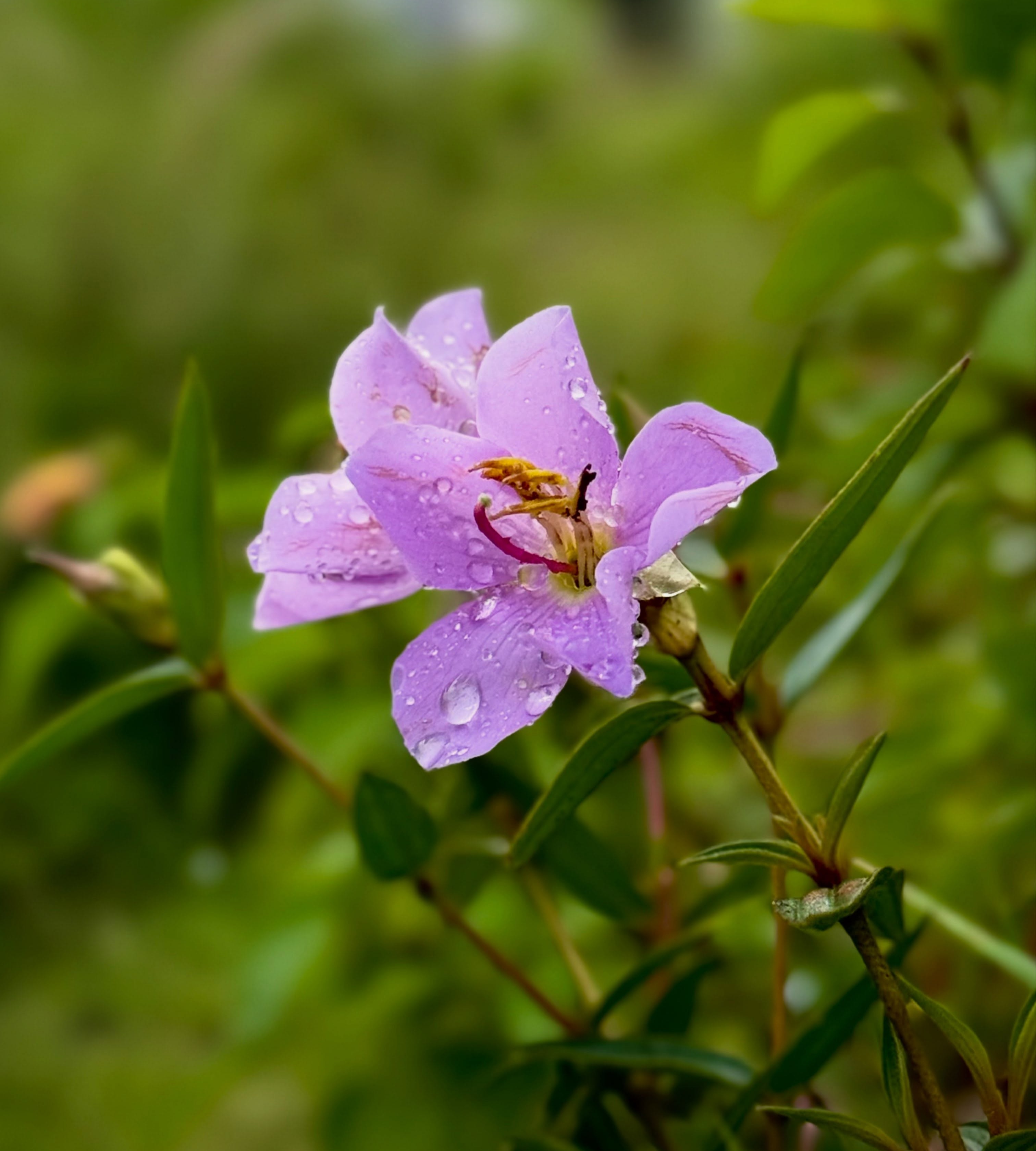
Ecologically, Melastoma malabathricum is more than just a pretty flower. Its blossoms can provide resources for insects and other small pollinating animals, while its fruits contribute to the local food web. Plants such as this also help maintain the diversity of natural and semi-natural habitats. Protecting ordinary wild plants is therefore important because healthy ecosystems depend on many species, not only the ones that attract the most attention.
In a world where people often rush past familiar landscapes, Melastoma malabathricum offers a gentle reminder to look more closely at nature. A small purple flower beside a path may seem insignificant, yet it can represent resilience, biodiversity, tradition, and the quiet beauty of the tropics. Learning about such plants encourages us to appreciate the living world around us—not simply for what it gives us, but because it is valuable in its own right.
%20(9).jpeg)