Pussytoes: A Delicate Wildflower of Quiet Beauty
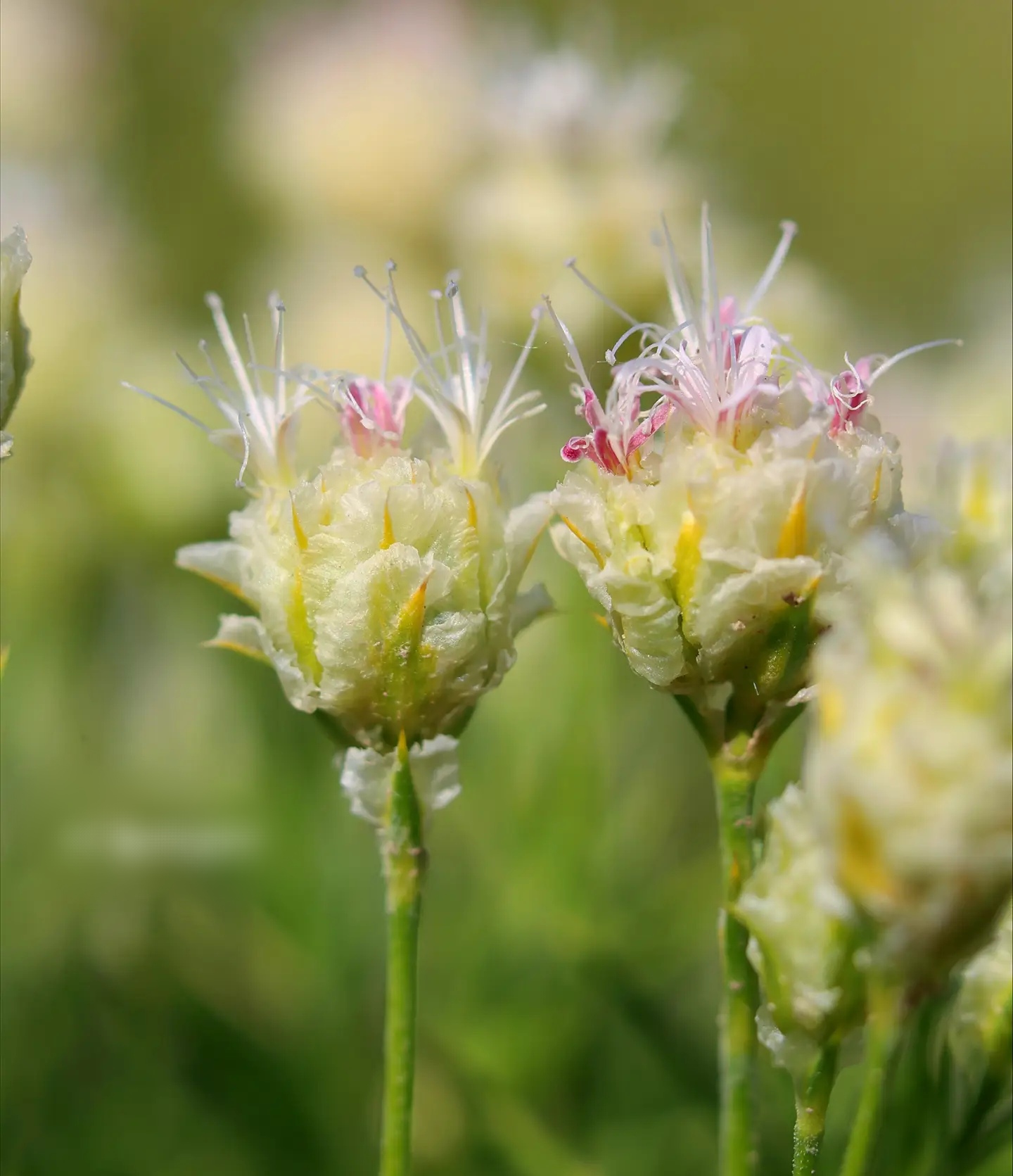
Pussytoes is the charming common name given to several small wildflowers in the genus Antennaria, admired for their soft, woolly flower heads and understated beauty. Unlike showy garden flowers that demand attention with bright colors, pussytoes have a gentle appearance that blends naturally into meadows, grasslands, rocky slopes, and open woodland edges. Their name comes from the fuzzy flower clusters, which resemble the tiny paws of a kitten.
One of the most fascinating features of pussytoes is their silvery-green foliage. The leaves are often covered with fine hairs that give the plant a soft, almost velvety texture. These hairs also help the plant cope with dry and exposed environments by reducing moisture loss. Growing close to the ground, pussytoes can form attractive little patches that provide subtle texture and character to natural landscapes.
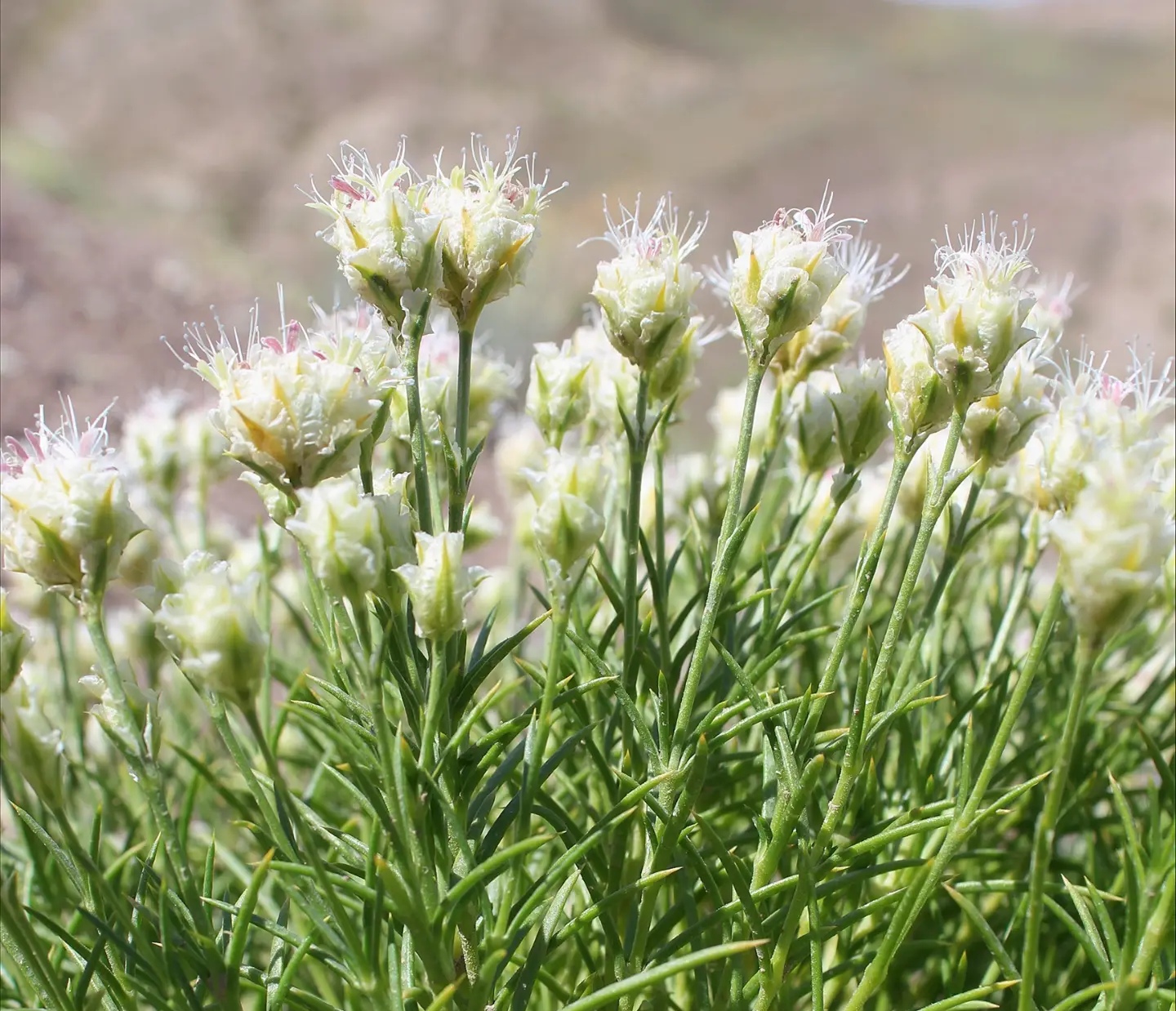
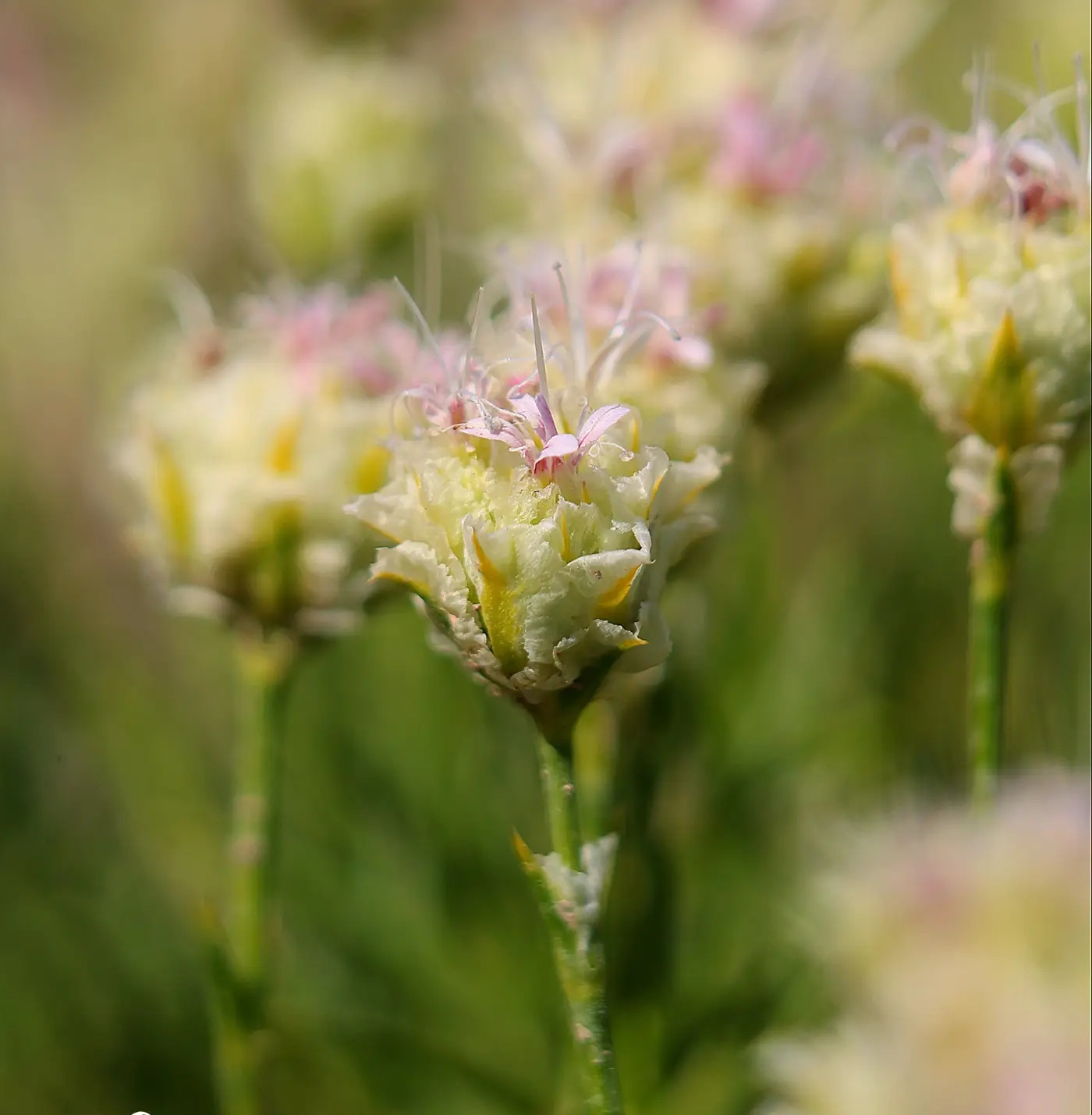
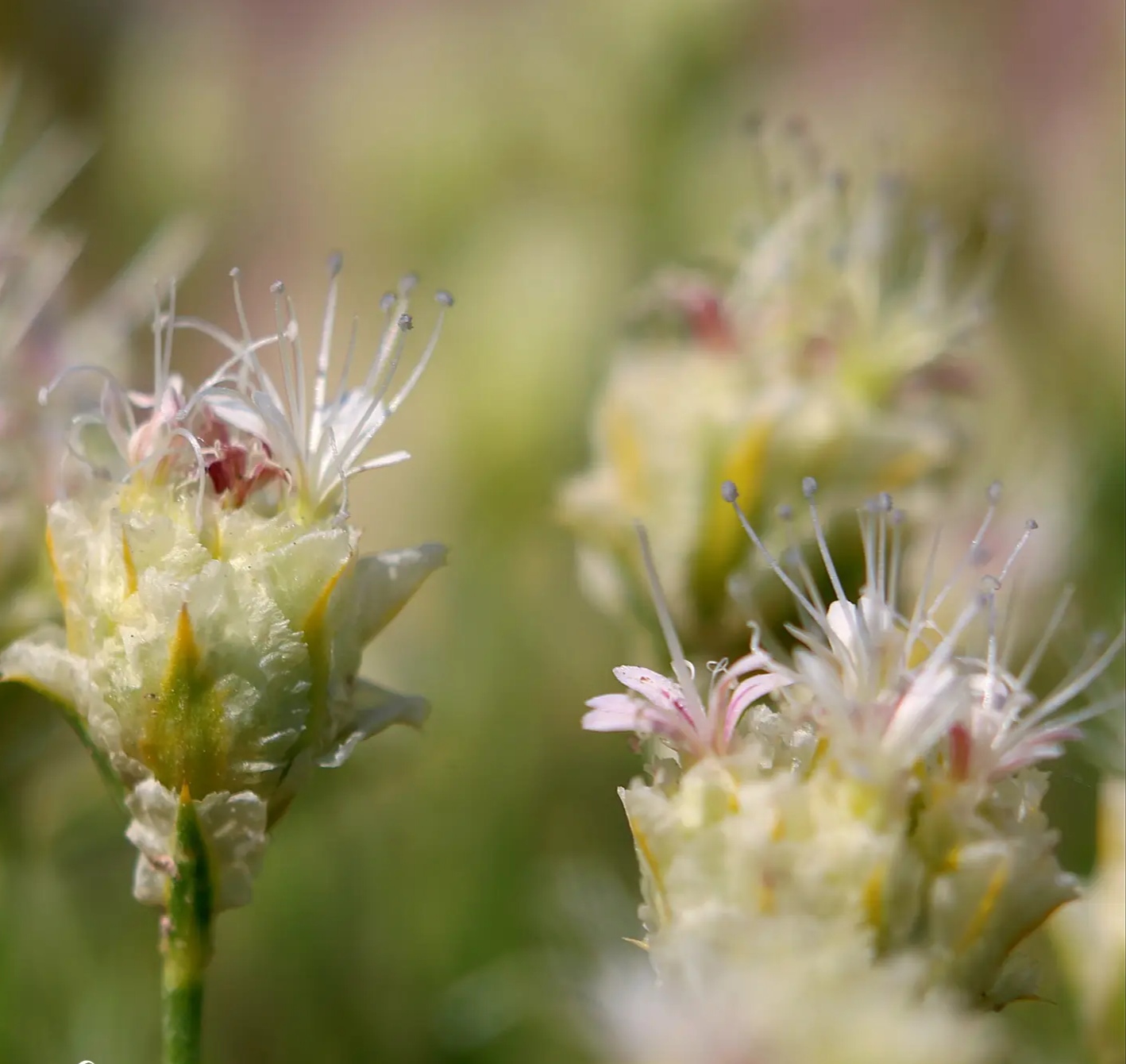
Pussytoes produce small flower heads that are usually white, cream, or pale pink. They appear in clusters above the low-growing foliage, creating a delicate display during the flowering season. Many species are dioecious, meaning male and female flowers are generally produced on separate plants. This unusual reproductive arrangement adds another interesting detail to an otherwise modest-looking wildflower.
Beyond their appearance, pussytoes contribute quietly to local ecosystems. Their flowers can provide food for various insects, including bees and butterflies, while their low-growing form offers cover for small creatures living among grasses and ground vegetation. Because they are adapted to relatively poor soils and open habitats, these plants can also thrive where more demanding species might struggle.
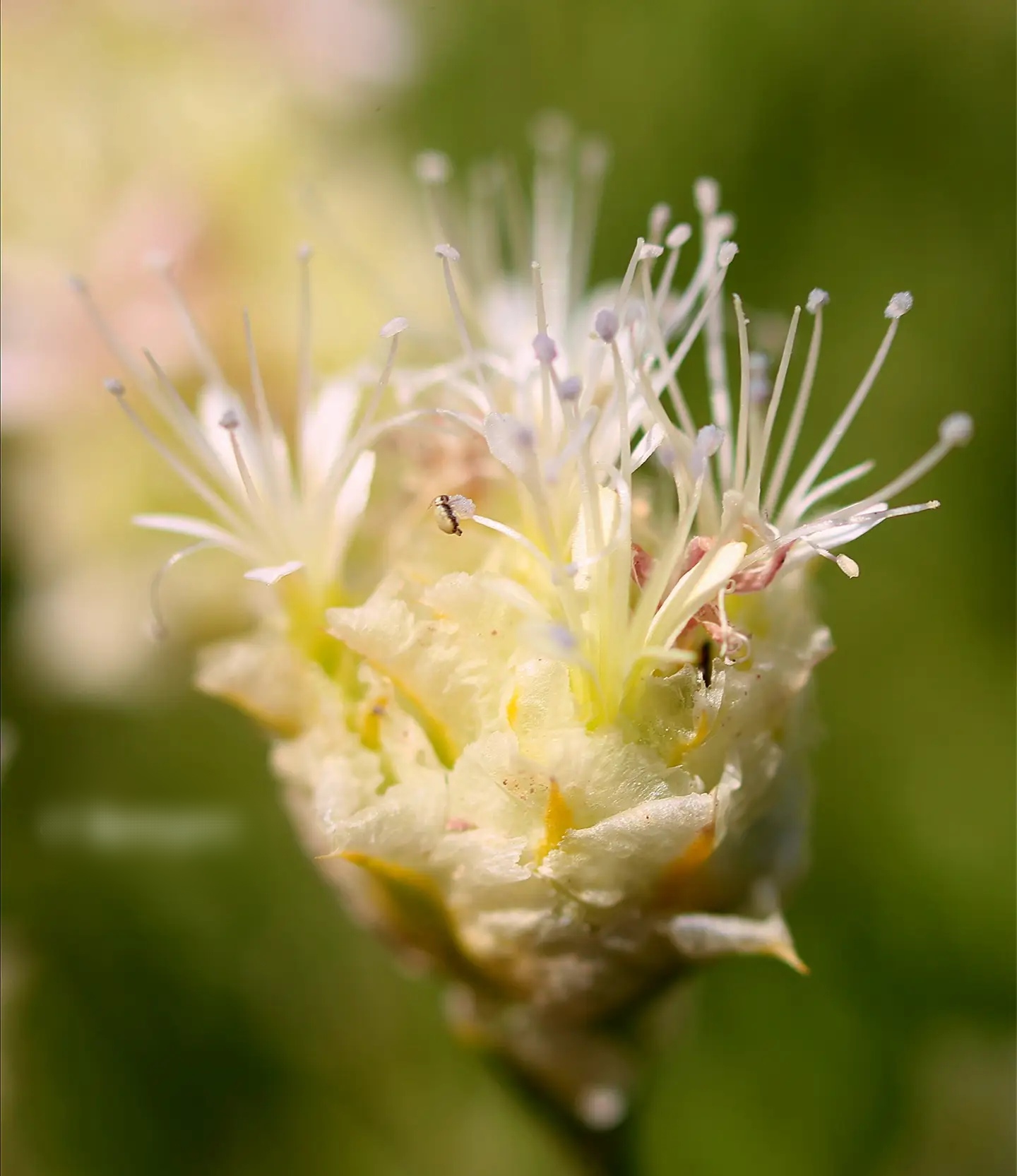
Pussytoes have a special appeal for people who appreciate native plants and naturalistic gardens. Their compact growth, soft foliage, and resilience make them suitable for rock gardens, borders, and wildlife-friendly landscapes. Rather than overwhelming a garden, they create a calm, natural atmosphere that feels connected to the surrounding environment.
Perhaps the greatest charm of pussytoes is their ability to make simplicity memorable. They do not rely on dramatic colors or enormous blossoms; instead, their beauty comes from texture, form, and the quiet character of a wildflower growing where it belongs. Looking closely at a patch of pussytoes can be a reminder that nature often hides some of its most delightful details in the smallest and most unassuming plants.
%20(9).jpeg)