The Living Poetry of New World warblers
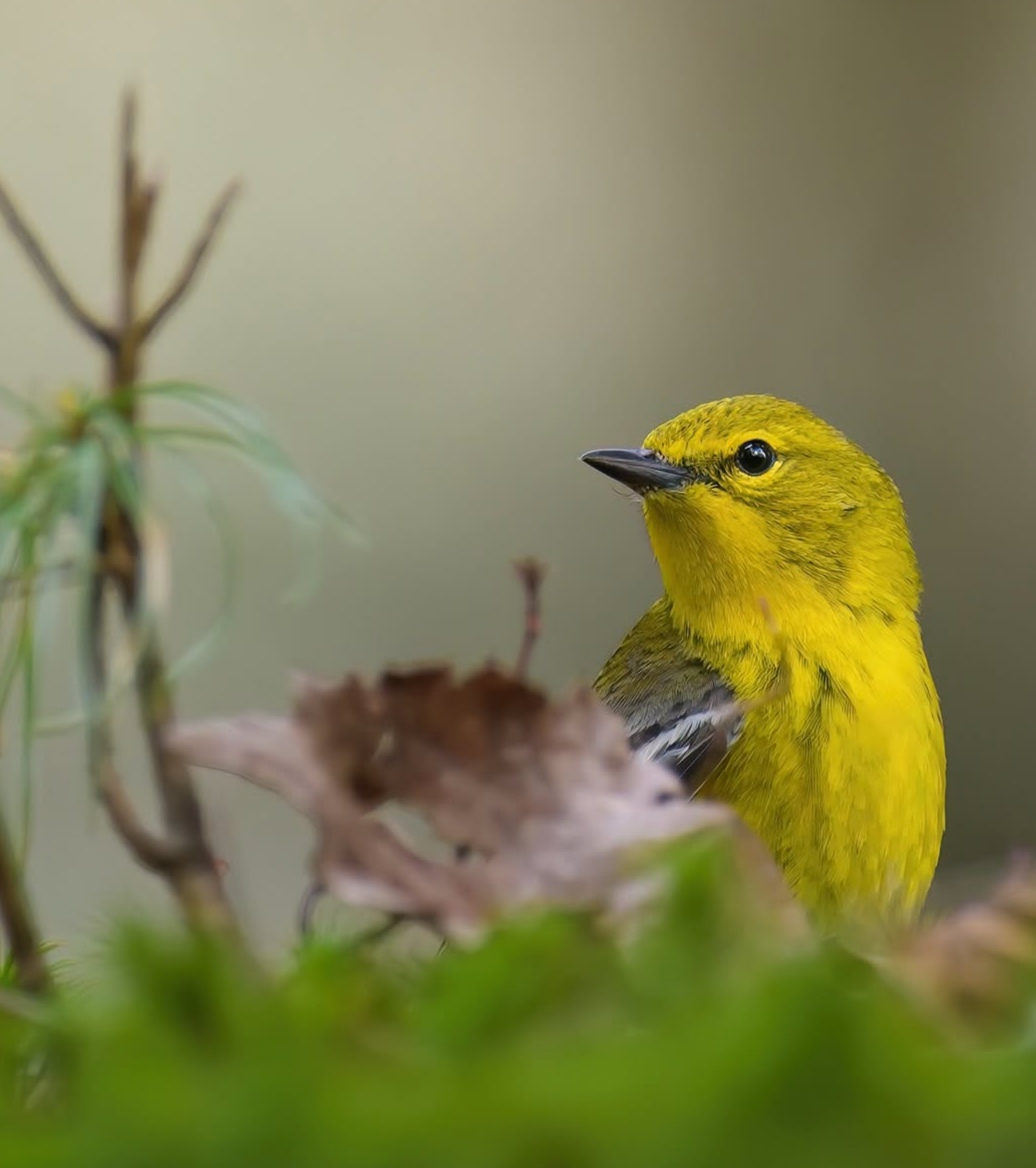
In the quiet shimmer of dawn forests and the tangled green of wetlands, New World warblers emerge like fleeting brushstrokes of color and sound. These tiny birds, often no larger than a human palm, carry within them an extraordinary vitality. Found across the Americas, they are not merely birds but storytellers of seasons—appearing with spring’s gentle warmth and vanishing again as autumn whispers its farewells.
What makes New World warblers so captivating is their dazzling diversity. With over a hundred species, they wear plumage that rivals the brightest flowers—yellows like sunlight, blues like distant skies, and streaks of black and white like ink on parchment. Yet, their beauty is not only visual. Their songs—intricate, rapid, and often delicate—create a living symphony in the wild, each species contributing its own melody to nature’s chorus.
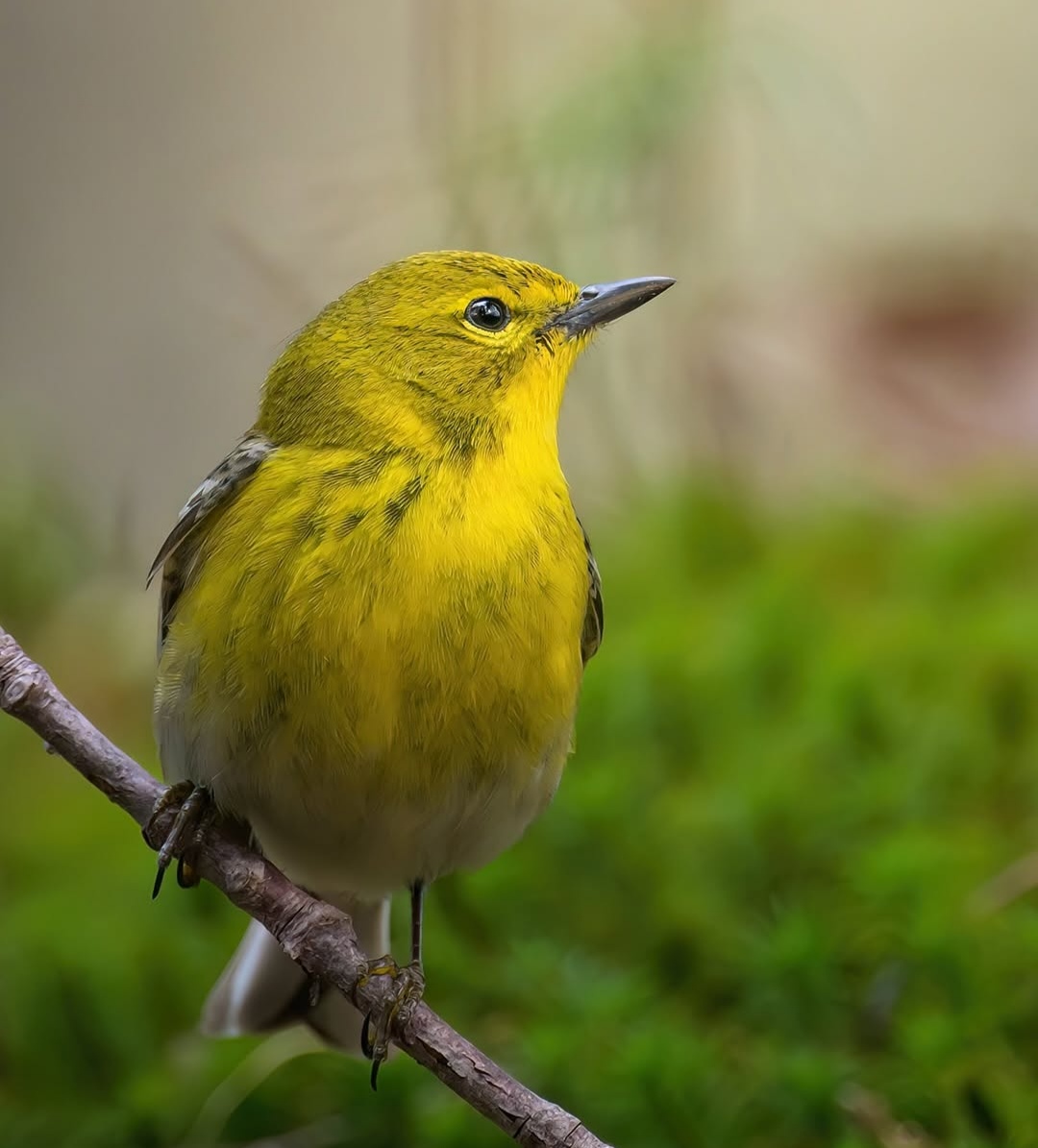
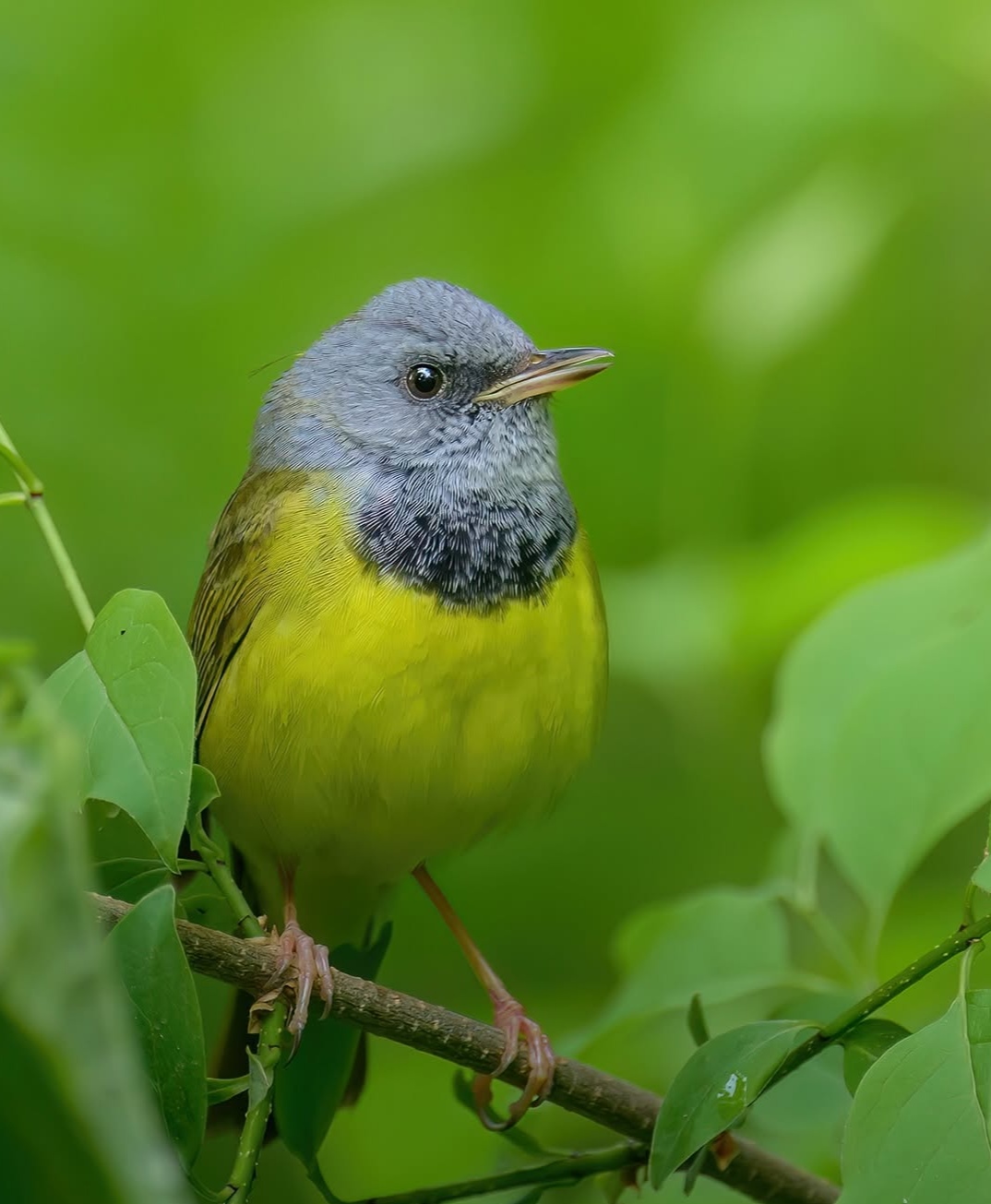
Despite their small size, these birds are remarkable travelers. Many warblers undertake long migratory journeys, flying thousands of kilometers between breeding grounds in North America and wintering habitats in Central and South America. These migrations are feats of endurance and instinct, guided by stars, landscapes, and an ancient rhythm embedded deep within their being. In their journeys, they remind us of resilience and the invisible threads that connect distant parts of the world.
Warblers are also deeply intertwined with their ecosystems. As insectivores, they play a crucial role in maintaining ecological balance, feeding on pests that might otherwise overwhelm forests and crops. Their presence signals a healthy environment, while their absence can be an early warning of ecological distress. Observing them is not just a joy—it is a subtle lesson in the interconnectedness of life.
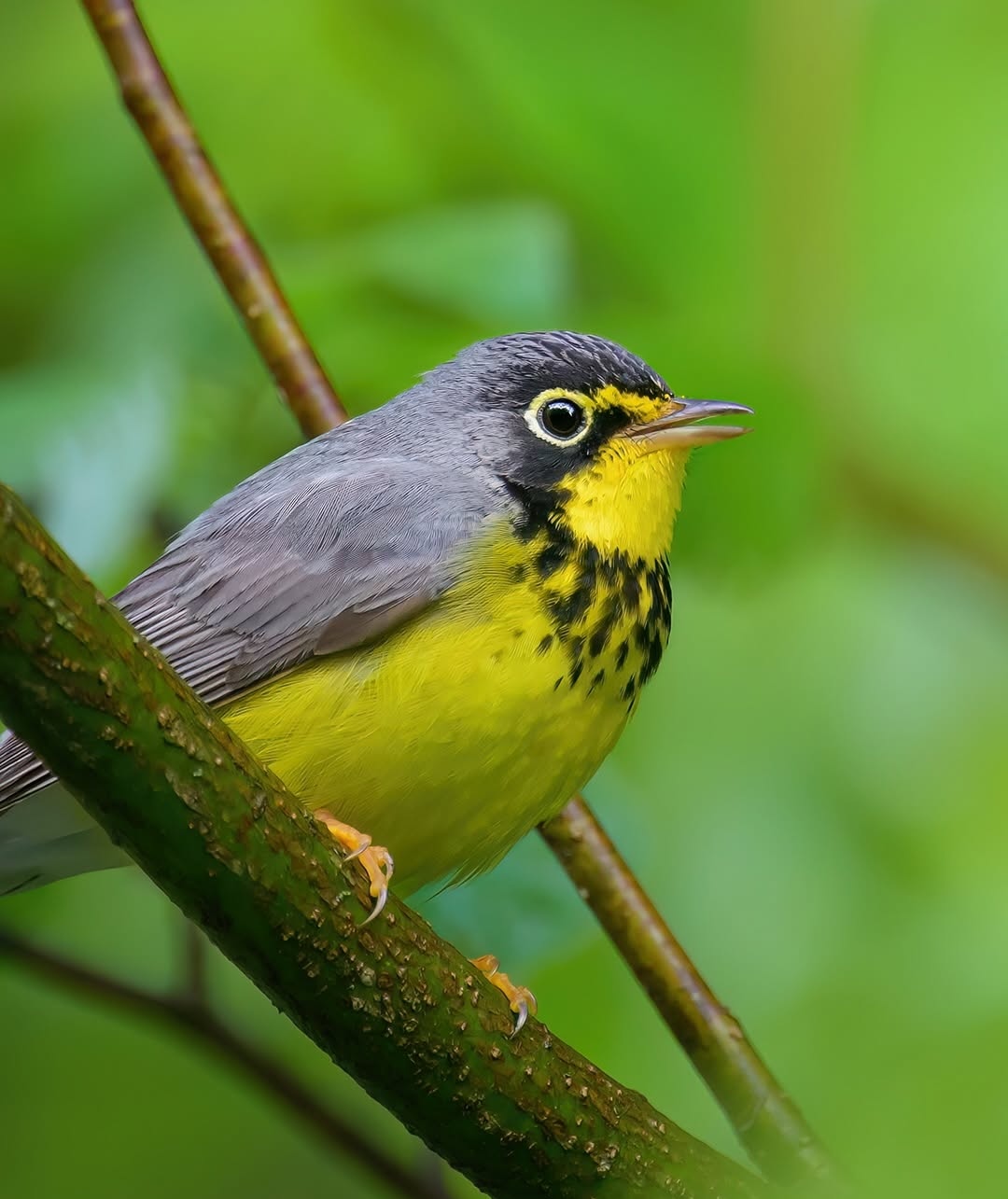
There is something profoundly human in the way we are drawn to these birds. Birdwatchers often speak of the thrill of spotting a rare warbler, the patience required to follow its quick movements, and the quiet satisfaction of hearing its song. In a fast-paced world, these moments of stillness—watching a warbler flit through leaves—offer a rare kind of peace, grounding us in the present.
Ultimately, New World warblers are more than just a family of birds; they are symbols of movement, color, and harmony. They remind us that even the smallest creatures can carry immense beauty and significance. In their brief appearances and long journeys, they echo a simple truth: life, in all its forms, is meant to be both vibrant and transient, a song that is most precious because it does not last forever.
%20(9).jpeg)