Yellow-Necked Mouse: The Agile Forest Forager with a Golden Collar
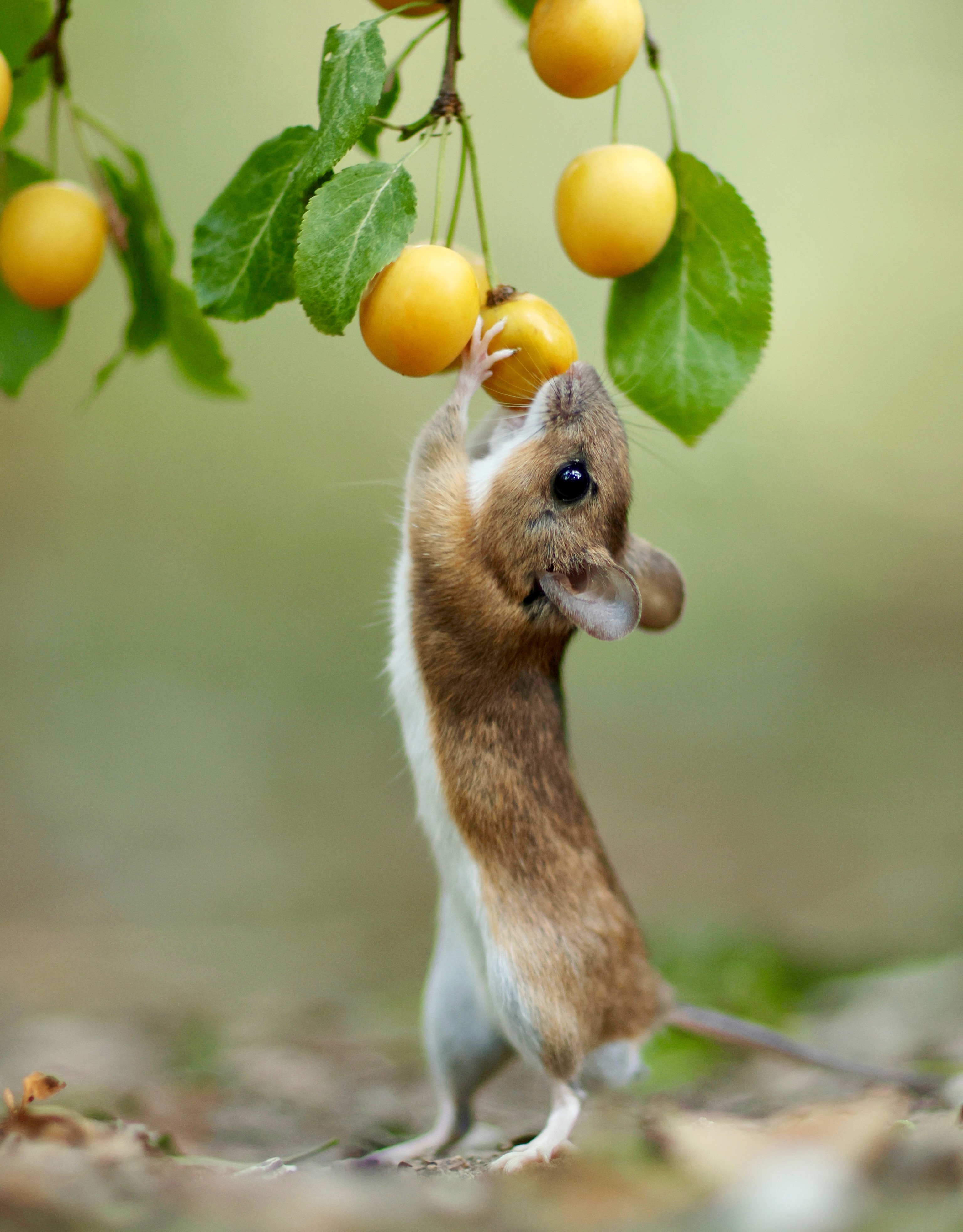
The Yellow-necked mouse is a fascinating woodland rodent that often goes unnoticed despite its remarkable adaptability and ecological importance. Recognizable by the distinctive band of yellow or orange fur across its neck, this small mammal is native to forests and wooded regions across much of Europe and parts of Western Asia. Although it resembles the common wood mouse, its larger size and vibrant "collar" make it stand out to those who observe wildlife closely. Quiet, alert, and incredibly agile, the yellow-necked mouse is a perfect example of nature's subtle beauty.
One of the most impressive traits of the yellow-necked mouse is its incredible agility. It can leap surprisingly long distances compared to its body size and is an excellent climber, allowing it to navigate trees, shrubs, and rocky terrain with ease. Primarily active at night, it spends its evenings searching for food while skillfully avoiding predators such as owls, foxes, snakes, and wildcats. During the day, it retreats to carefully constructed nests hidden in tree hollows, underground burrows, or dense vegetation where it can rest safely.
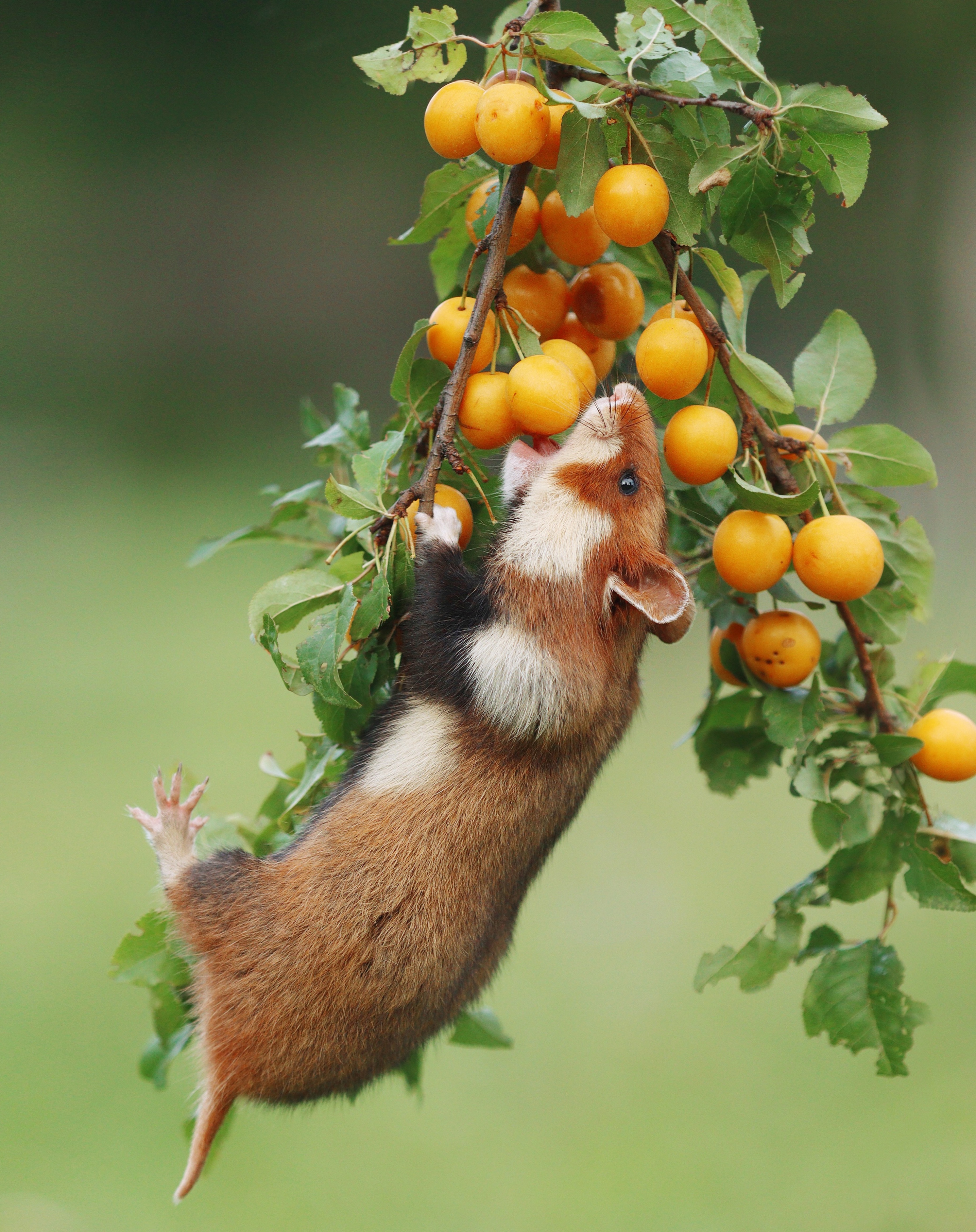
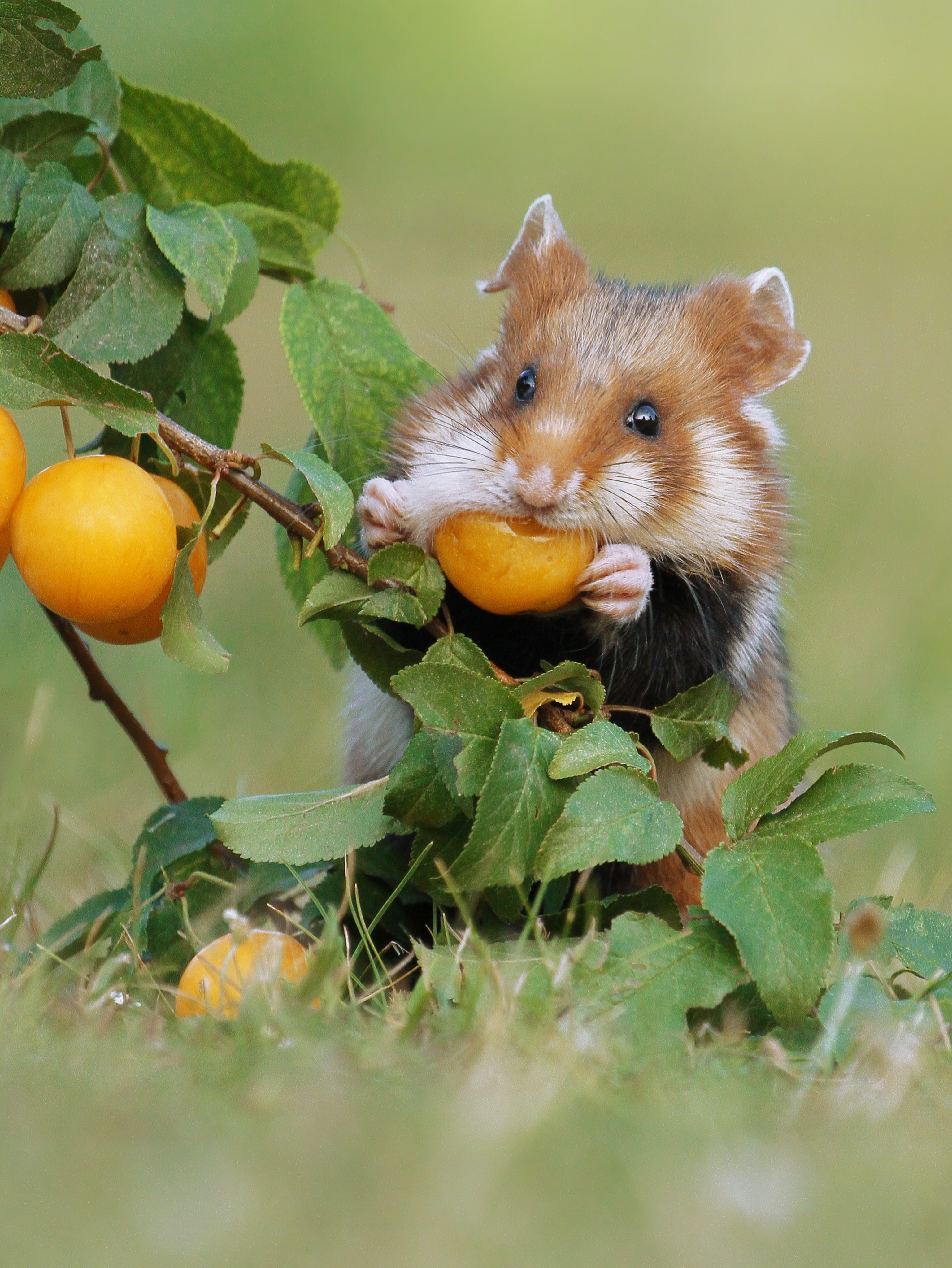
The diet of the yellow-necked mouse reflects its opportunistic nature. It feeds on seeds, acorns, beechnuts, berries, fruits, fungi, and insects, adjusting its menu according to the changing seasons. In autumn, it becomes especially busy collecting and storing food for the colder months ahead. Interestingly, not all of its hidden food caches are recovered, allowing forgotten seeds to germinate and grow into new plants. In this way, the tiny mouse unintentionally contributes to forest regeneration, making it an important partner in maintaining healthy woodland ecosystems.
Despite its small size, the yellow-necked mouse plays a vital role in the food web. It serves as a key prey species for many predators, helping sustain the natural balance within forest habitats. At the same time, its foraging and seed-dispersal activities support biodiversity and encourage the growth of trees and understory vegetation. Scientists also study this species because its population trends can reveal valuable information about the health of forest environments and the effects of climate and habitat changes.
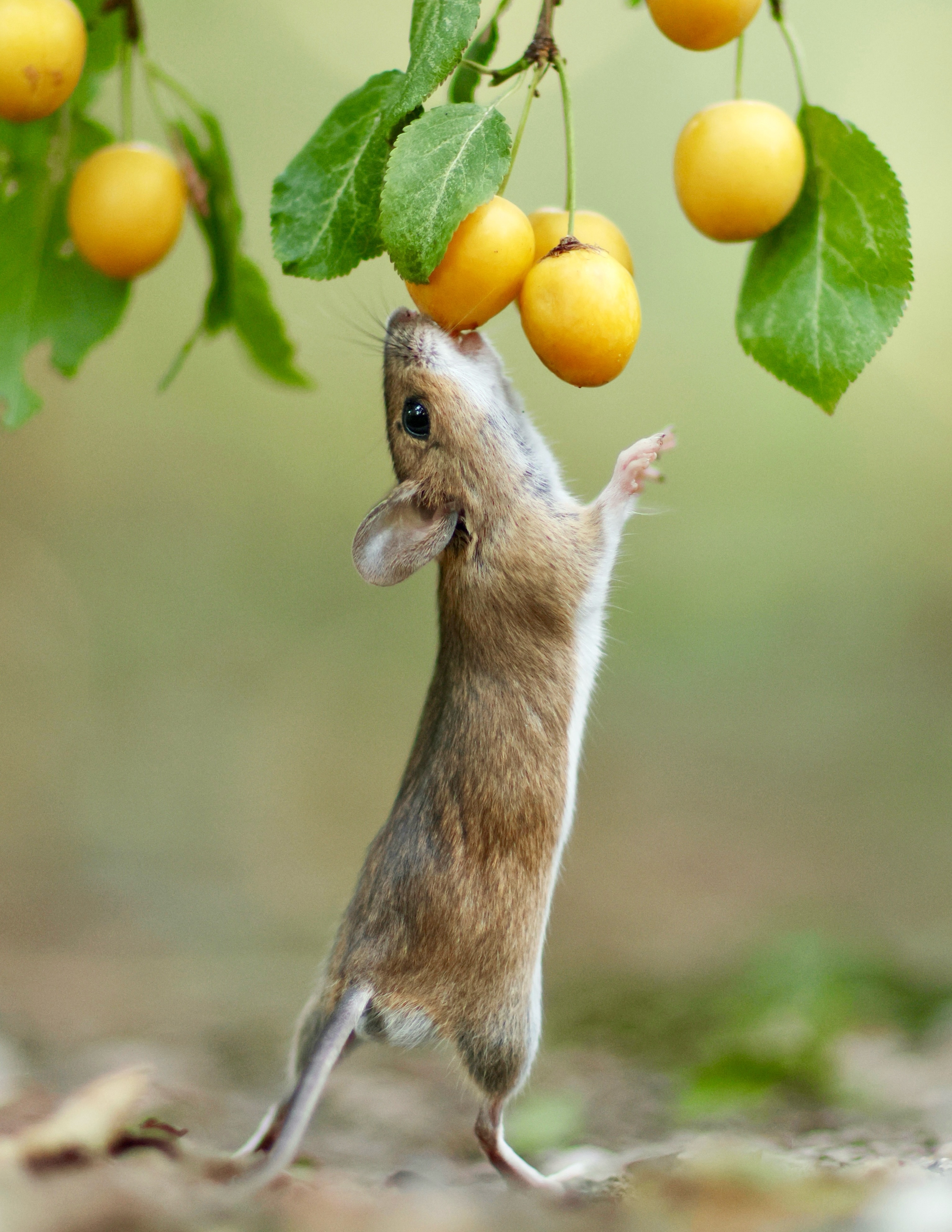
The breeding season usually extends from spring through early autumn, when females may produce several litters of young under favorable conditions. Baby mice grow rapidly and soon become independent, allowing populations to recover quickly after periods of natural predation. However, habitat fragmentation, deforestation, and human disturbance can reduce suitable nesting sites and food availability. Conserving mature forests and maintaining connected woodland habitats are therefore essential for ensuring the long-term survival of this adaptable yet vulnerable species.
The yellow-necked mouse reminds us that even the smallest forest inhabitants can have an enormous impact on the natural world. Its graceful movements, remarkable survival skills, and quiet contributions to seed dispersal highlight the interconnectedness of every living creature within an ecosystem. By appreciating and protecting species like the yellow-necked mouse, we also safeguard the forests they help sustain. Hidden beneath leaves and branches, this tiny woodland resident continues its nightly adventures, playing an indispensable role in the enduring story of nature.
%20(9).jpeg)
This are some very good photos 👌👌👌
Thanks