Aparajita: The Quiet Strength of a Blue Bloom
The aparajita flower, known scientifically as Clitoria ternatea, blooms with a quiet grace that feels almost meditative. Its deep blue petals, sometimes touched with white, resemble a small piece of sky resting gently on a vine. Unlike flowers that demand attention with bold displays, aparajita invites a softer kind of admiration. It grows along fences and trellises, weaving itself into its surroundings, as if reminding us that beauty often lives in harmony rather than in spotlight.
Its name, “Aparajita,” means “unconquered” or “invincible,” and there is something profoundly fitting about that. Despite its delicate appearance, this flower thrives in warm climates and modest soil, asking for little while giving so much. It embodies resilience not through resistance, but through quiet persistence. In a world that often celebrates loud strength, aparajita teaches the value of gentleness that endures.
The flower also holds deep cultural and spiritual significance. In many South Asian traditions, it is offered in prayers and used in rituals, symbolizing purity, devotion, and inner peace. Its vibrant blue hue feels almost sacred, evoking calmness and reflection. Beyond spirituality, aparajita is also cherished for its natural dye and herbal uses, often brewed into tea that changes color with a splash of lemon—an everyday kind of magic that delights both the eye and the soul.
Growing aparajita is like nurturing a quiet companion. It climbs steadily, reaching upward with patience, needing sunlight and a little support to flourish. Gardeners who care for it often find themselves slowing down, noticing the small changes—the unfurling of a bud, the deepening of its color. It becomes less about control and more about coexistence, a gentle partnership between human and plant.
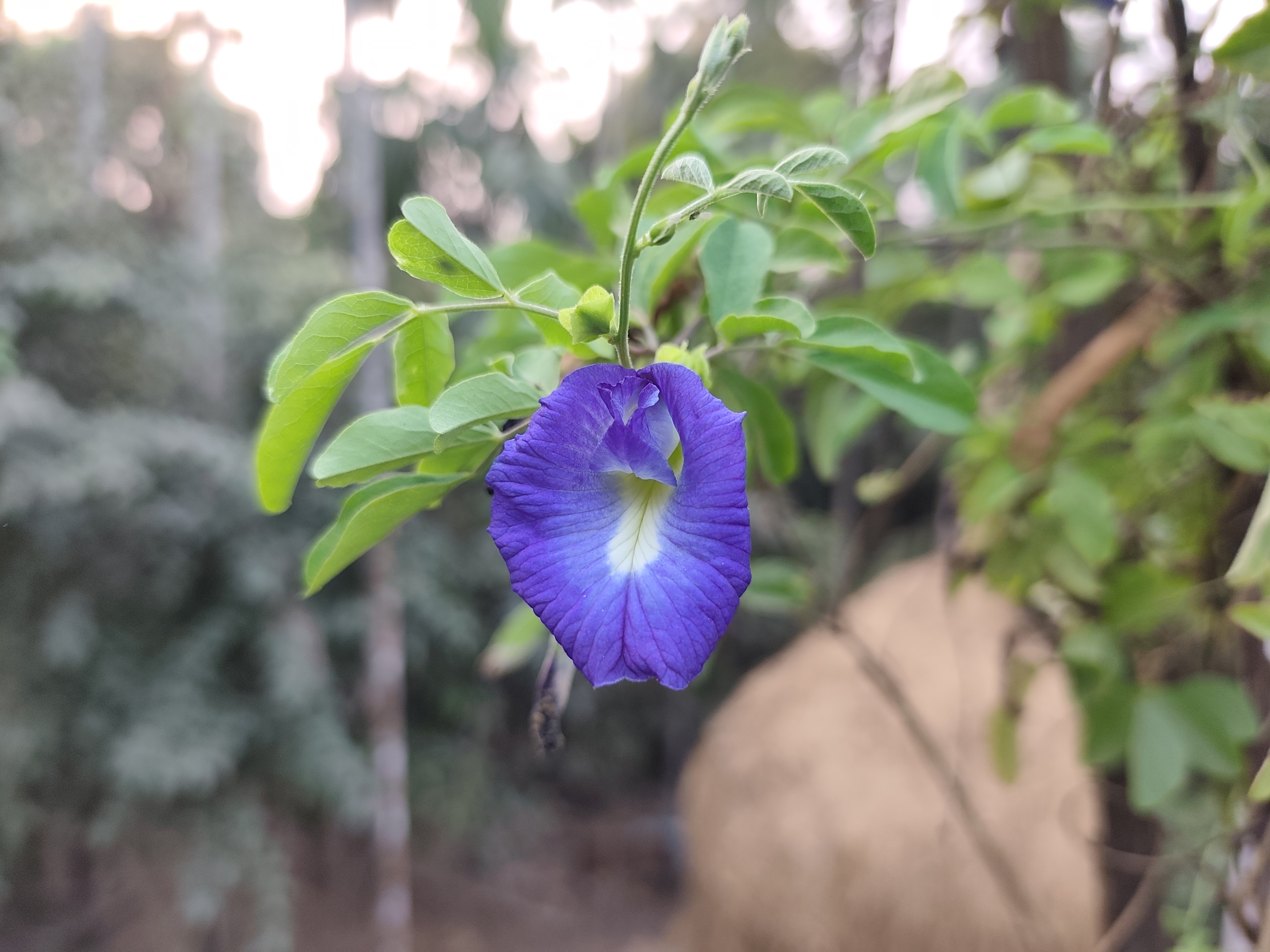
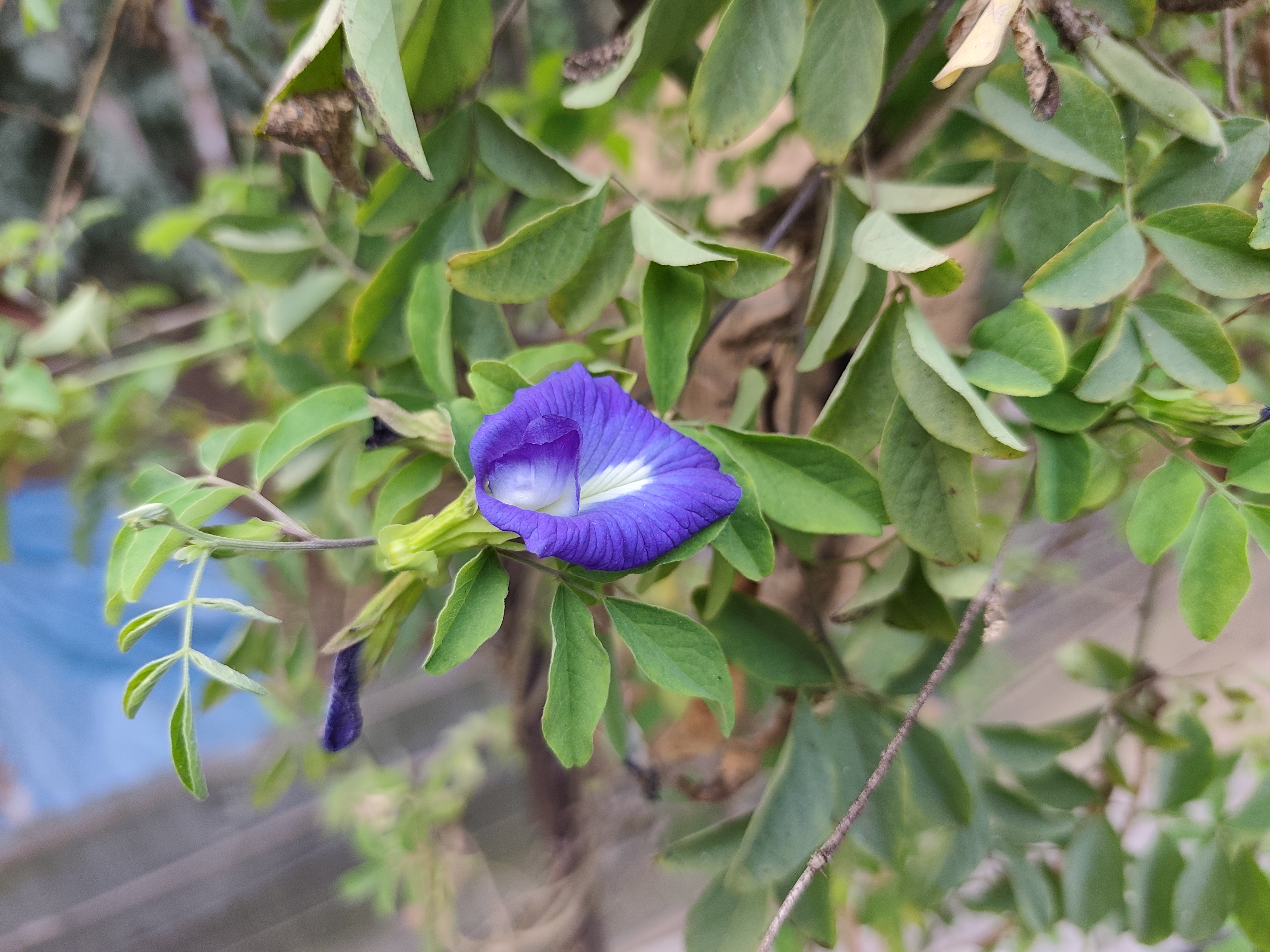
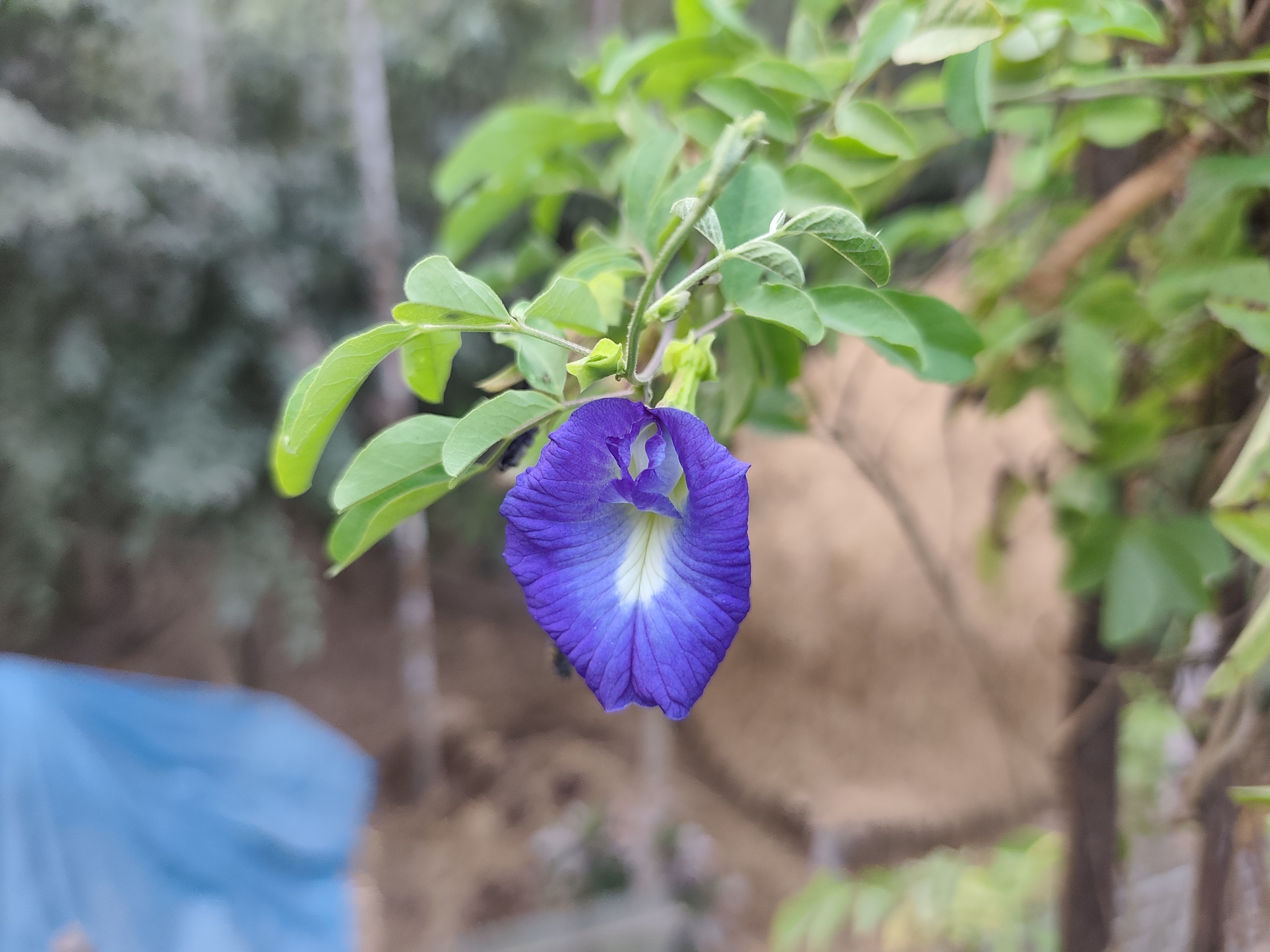
Through the lens of @snapsage – capturing moments,telling stories and preserving beauty one shot at a time.
Upvoted! Thank you for supporting witness @jswit.