Frangipani: The Fragrance of Quiet Grace
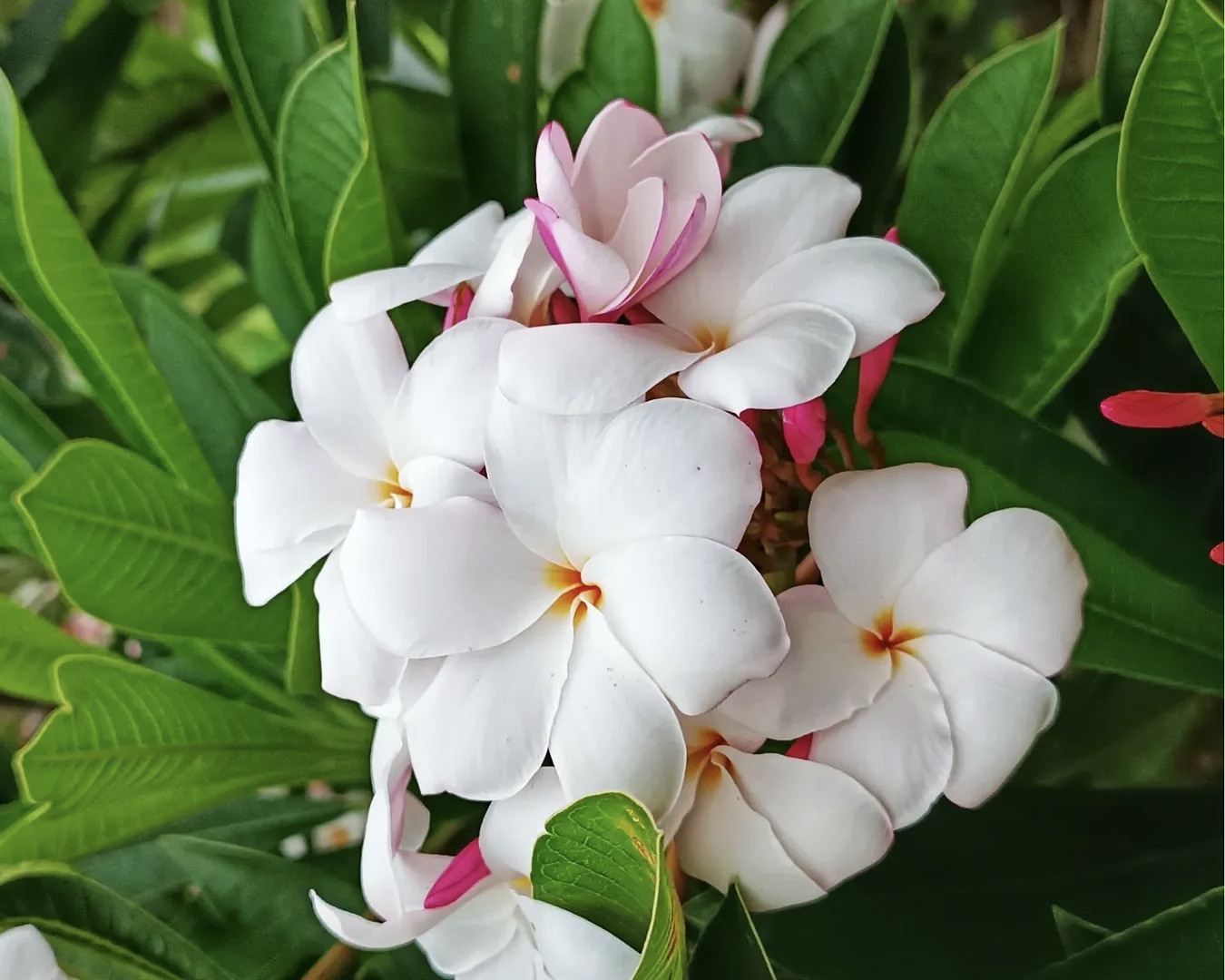
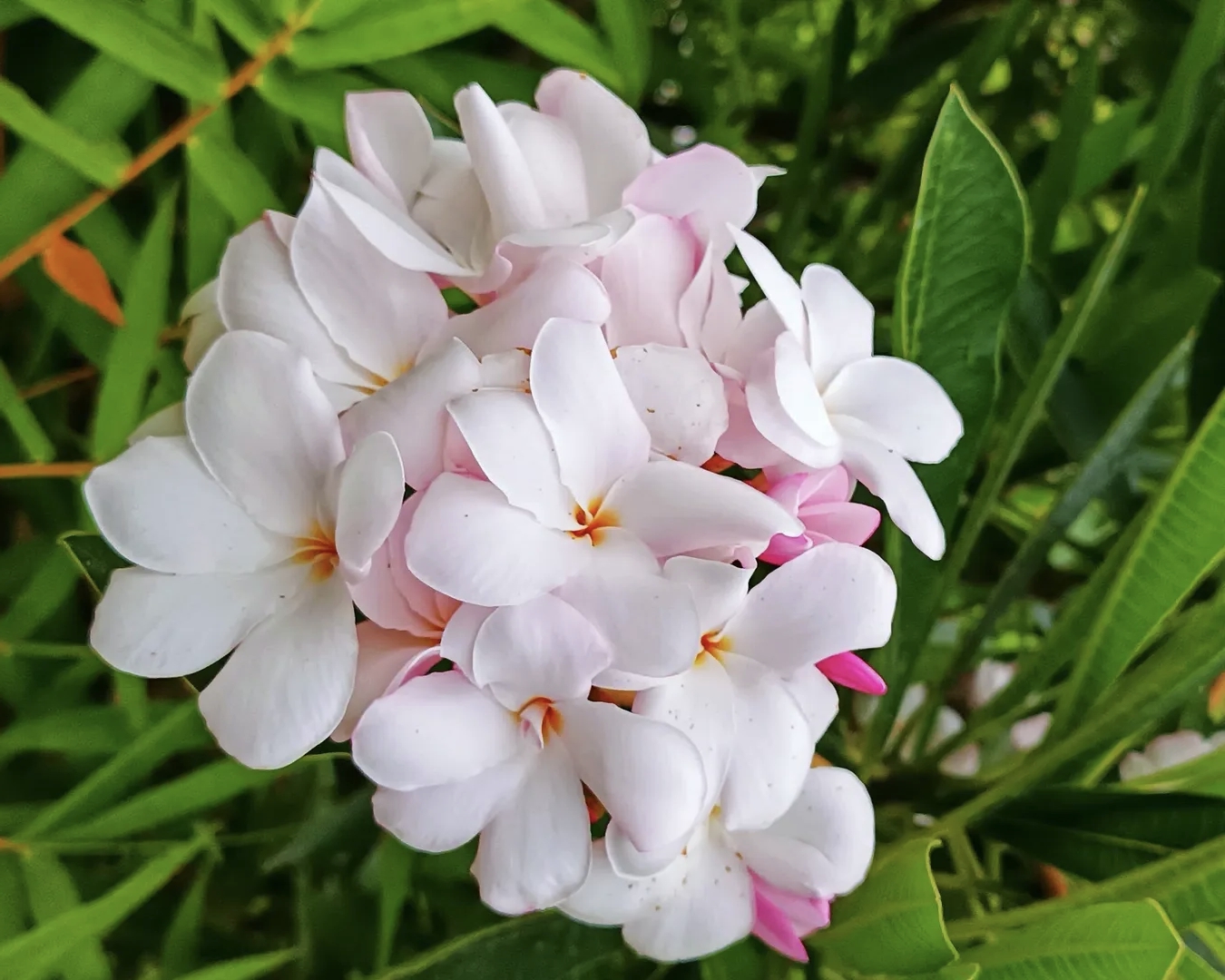
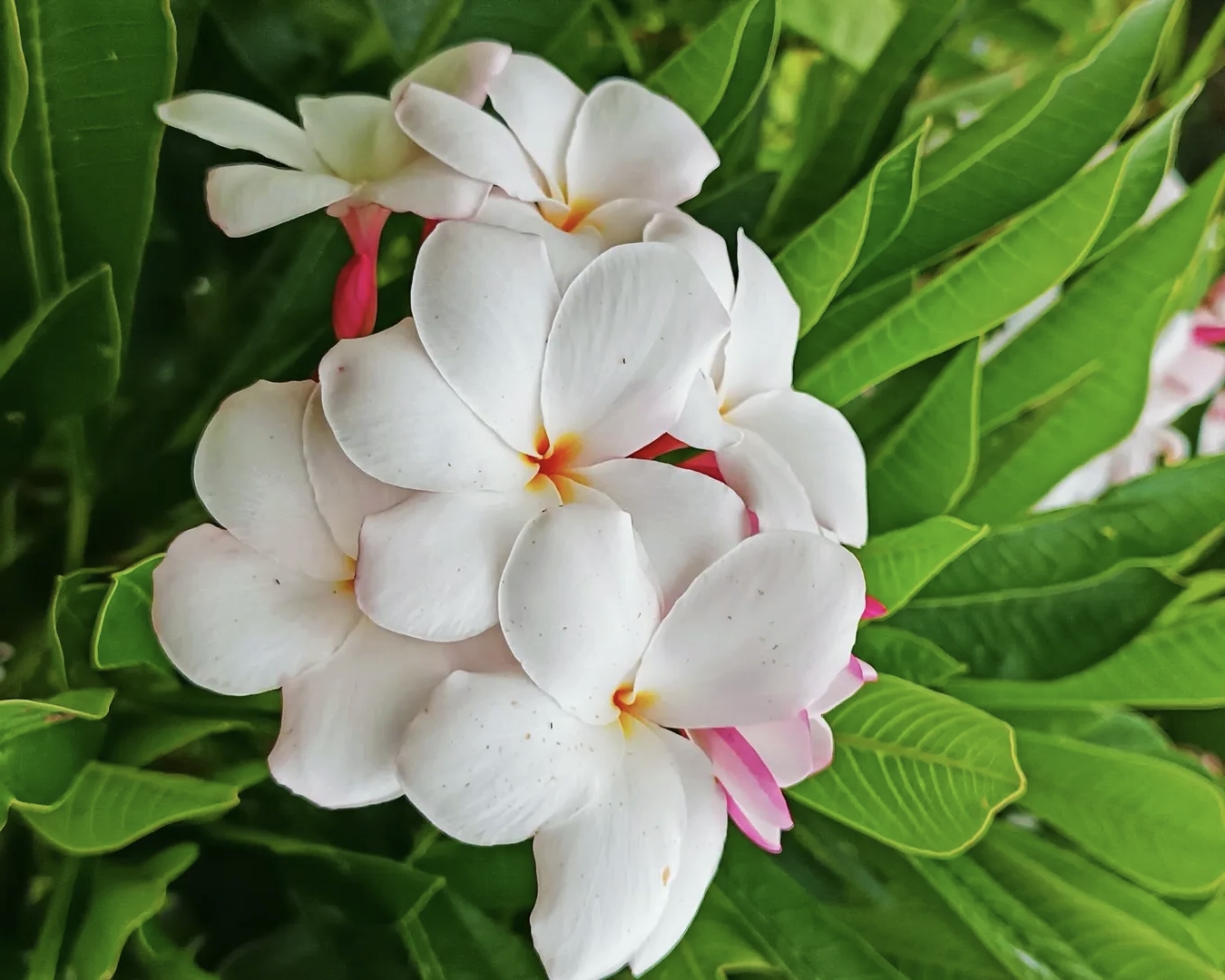
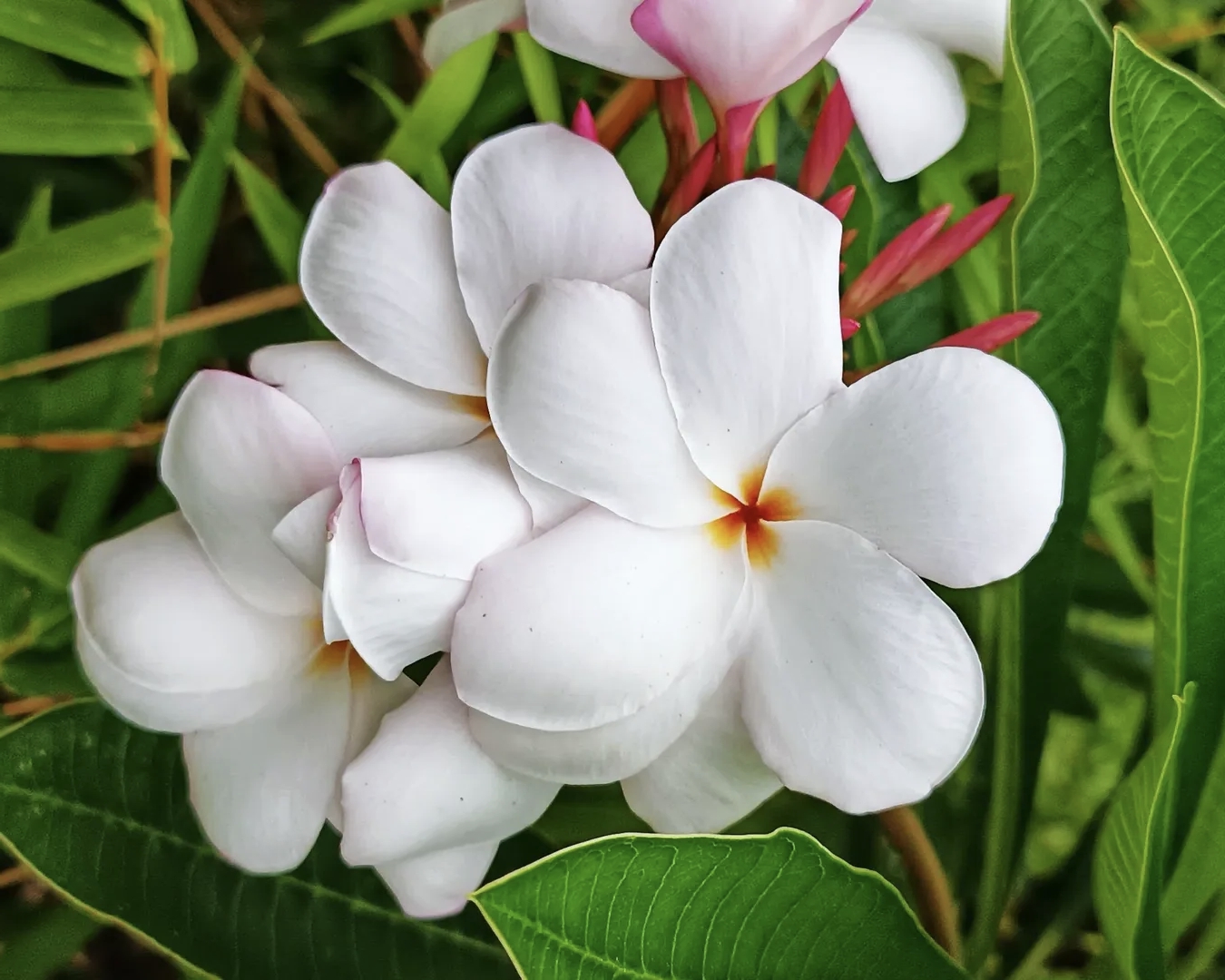
The frangipani, known botanically as Plumeria, carries a beauty that feels both tender and timeless. Its waxy petals—often white brushed with yellow or softened with pink—seem almost sculpted by light. Yet it is the fragrance that truly defines it: soft, lingering, and deeply evocative. It doesn’t rush to be noticed. Instead, it unfolds slowly in the air, like a memory returning without warning.Frangipani trees often stand with bare, twisting branches, especially during certain seasons. At first glance, they can appear stark, even lifeless. But then the blossoms arrive—sudden and luminous—transforming the tree into something quietly extraordinary. There is a gentle lesson here about patience and renewal. Not everything that looks empty is without life; sometimes, it is simply waiting for the right moment to bloom.Across many cultures, frangipani flowers carry layers of meaning. They are linked to love, spirituality, and the continuity of the soul. In some traditions, they are placed in offerings or woven into garlands, while in others, they are associated with remembrance and reflection. The flower seems to exist between worlds—both joyful and contemplative—holding space for celebration and silence at once.What makes the frangipani especially human is its relationship with memory. Its scent has a way of anchoring moments—warm evenings, quiet courtyards, the hush of early morning. It doesn’t overwhelm; it lingers, inviting you to pause and notice the present. In a fast-moving world, the frangipani becomes a gentle interruption, reminding us that stillness has its own kind of richness.
Upvoted! Thank you for supporting witness @jswit.