Kadam Flower: The Golden Bloom of Rainy Days
The Kadam flower is a unique and beautiful blossom that is deeply connected with the rainy season and the natural beauty of South Asia. Its round, golden-yellow flower head looks like a soft ball made of countless tiny blossoms joined together. During the monsoon months, Kadam trees bloom abundantly, filling the air with a gentle earthy fragrance. The flower’s unusual shape and cheerful color make it stand out among many traditional flowering plants.
The Kadam flower holds cultural and spiritual importance in many regions. It is often associated with love, devotion, and traditional folklore. In Bengali culture and literature, the blooming of Kadam flowers is closely tied to the romance and emotions of the rainy season. The flower is also connected with stories of Lord Krishna, who is often described near Kadam trees in ancient tales and songs. Because of these cultural ties, the Kadam flower carries a sense of nostalgia and emotional warmth.
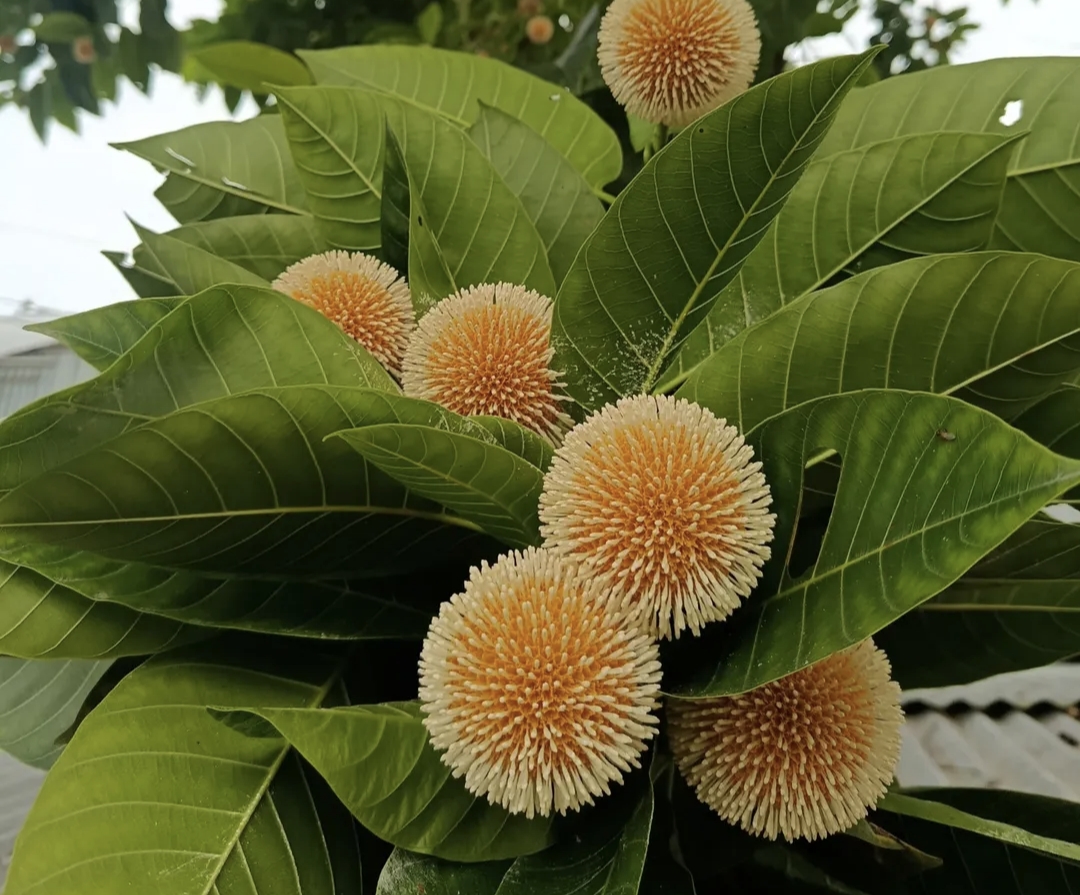
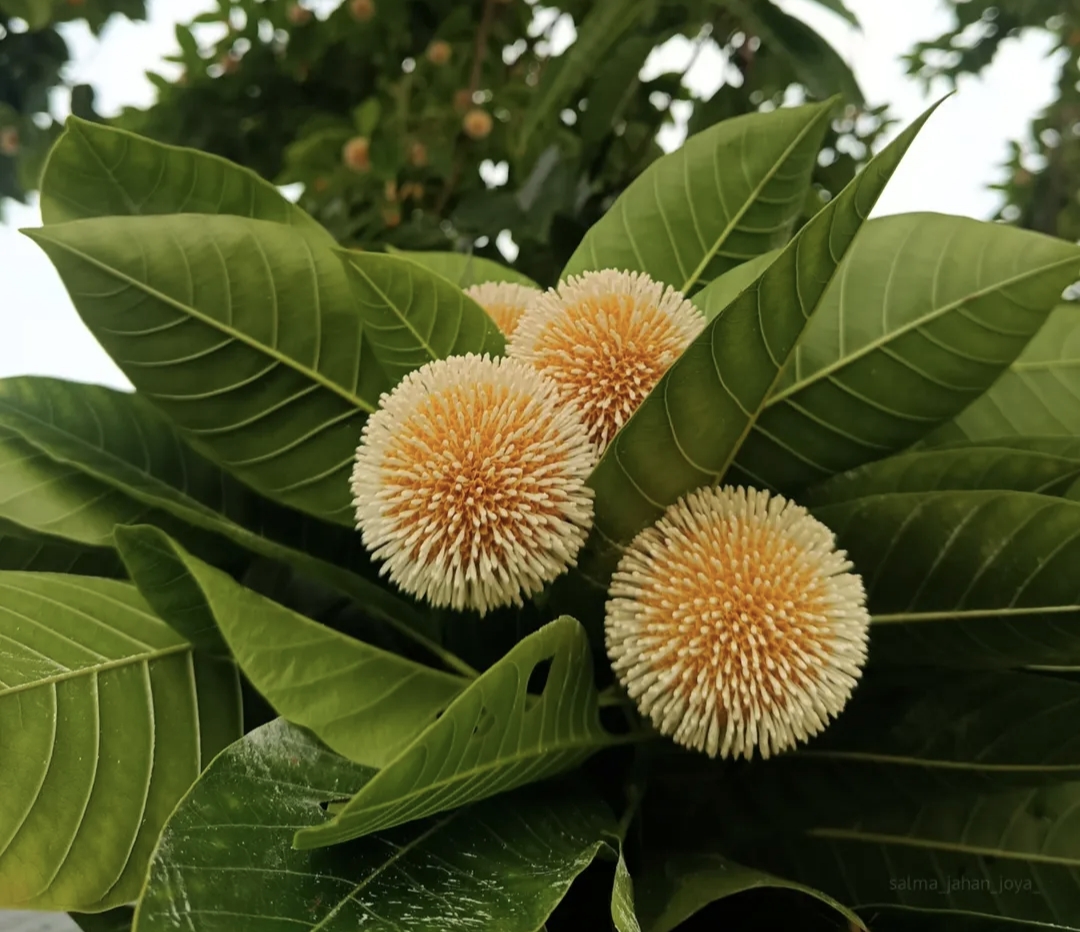
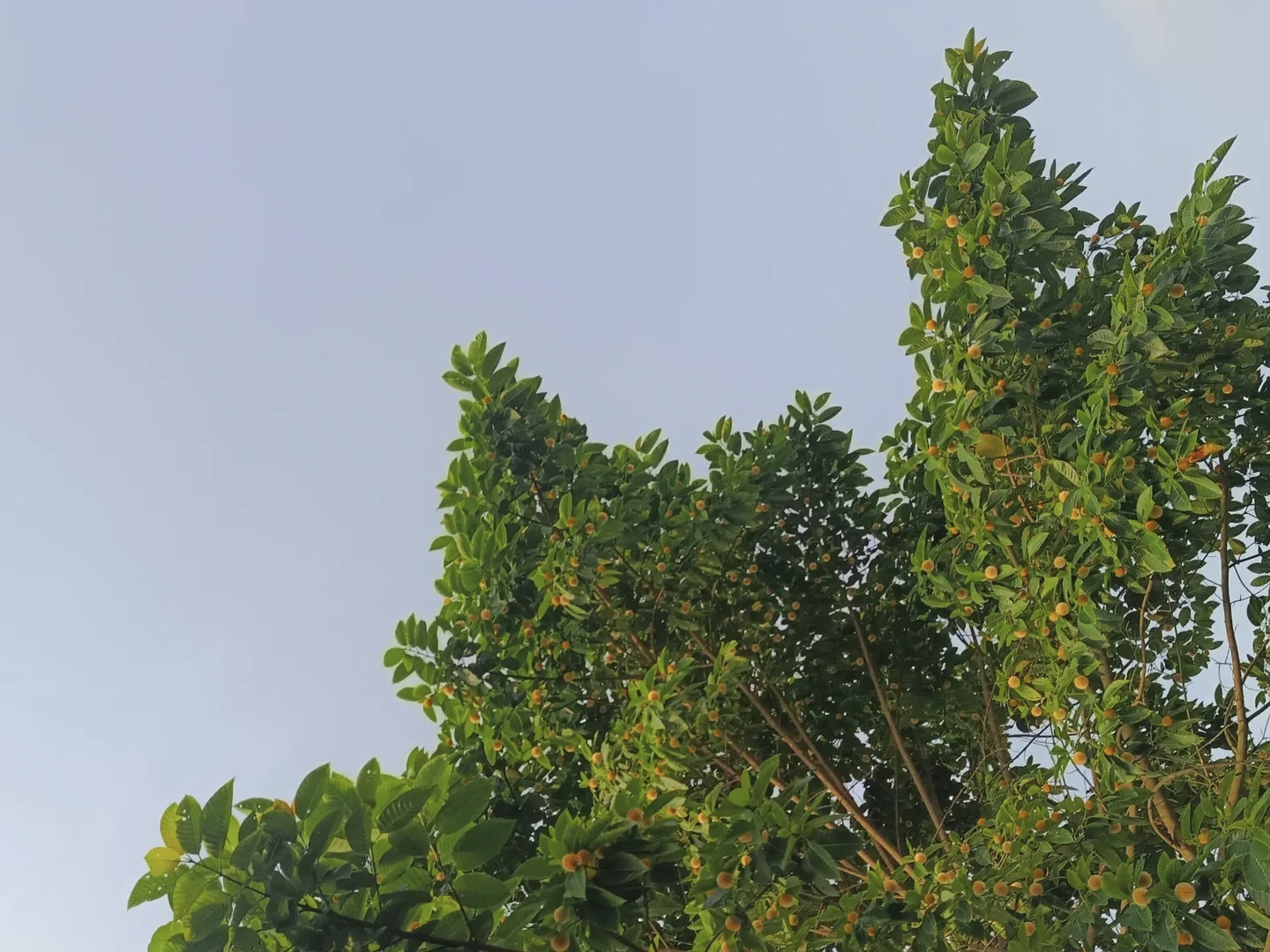
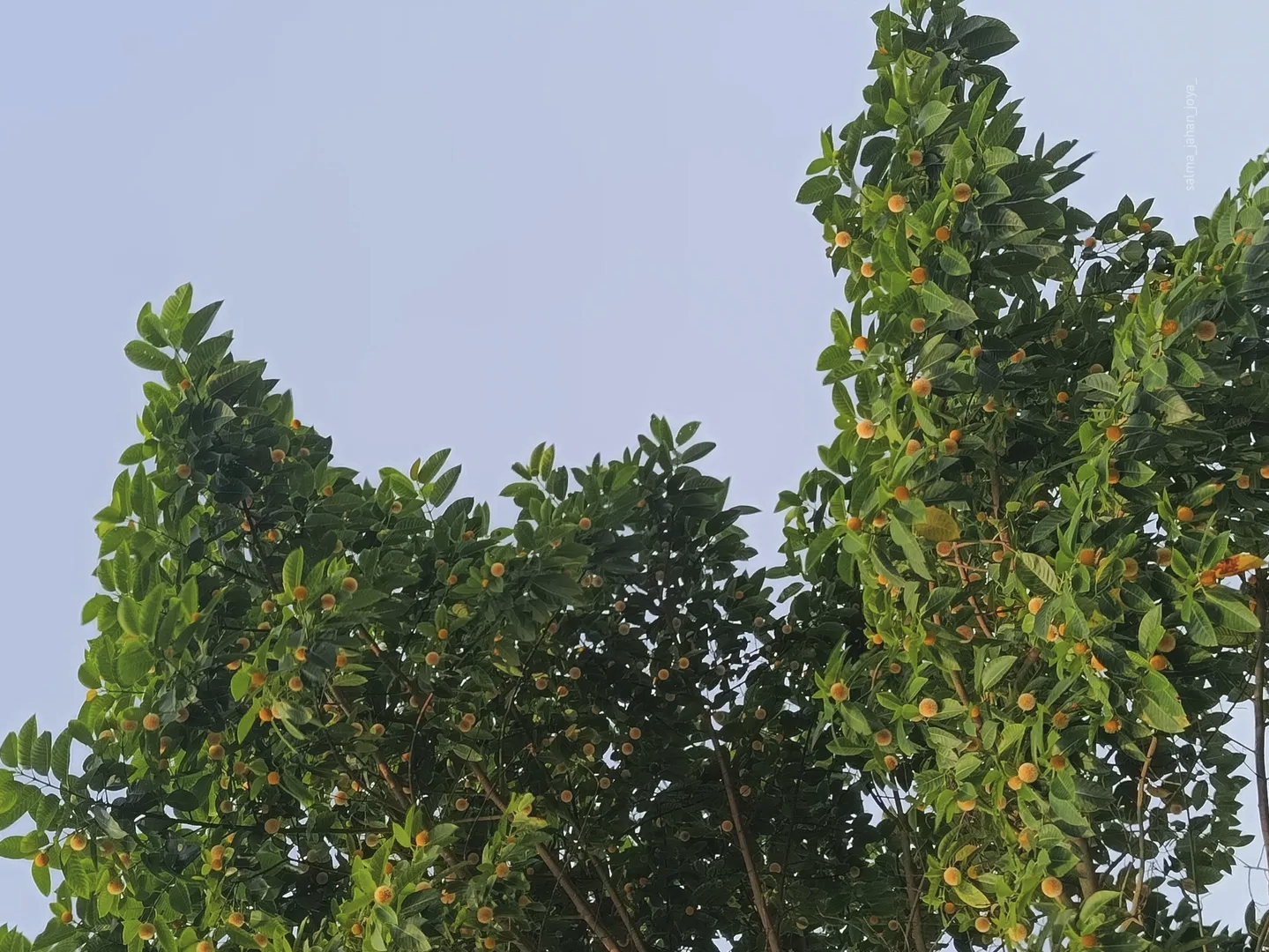
Apart from its symbolic value, the Kadam tree is admired for its strength and generous shade. It grows quickly and flourishes in humid, tropical climates, especially during heavy rains. Its broad green leaves and fragrant flowers create a refreshing environment in villages, parks, and riversides. Birds, bees, and butterflies are naturally attracted to the tree, making it an important part of the surrounding ecosystem.
In gardens and natural landscapes, the Kadam flower brings a peaceful beauty that feels closely connected to nature and seasonal change. Watching its bright blossoms sway gently in the rain creates a calming and memorable scene. The flower reminds people of childhood memories, monsoon evenings, and the quiet charm of rural life. With its fragrance, cultural richness, and natural elegance, the Kadam flower remains one of the most treasured blooms of the rainy season.
Upvoted! Thank you for supporting witness @jswit.