Desert-Willow Flower
The Desert-willow is a striking and resilient flowering tree that thrives in the arid landscapes of North America. Despite its name, it is not a true willow but belongs to the Bignoniaceae family, which also includes trumpet vines and catalpas. Its common name comes from its long, narrow leaves that resemble those of willow trees, giving it a graceful, airy appearance. This plant is native to the southwestern United States and northern Mexico, where it has adapted perfectly to the challenges of hot, dry climates.
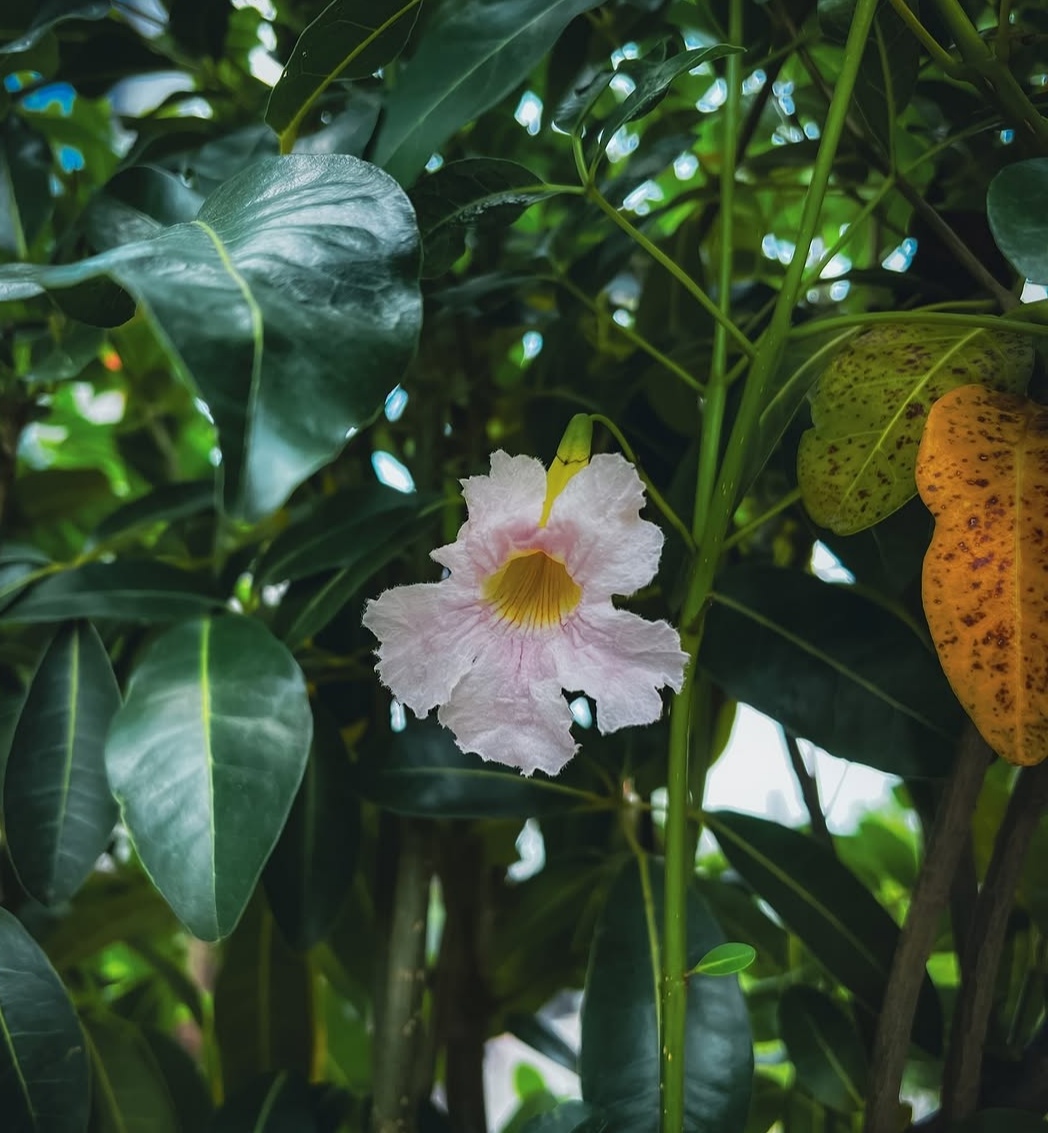
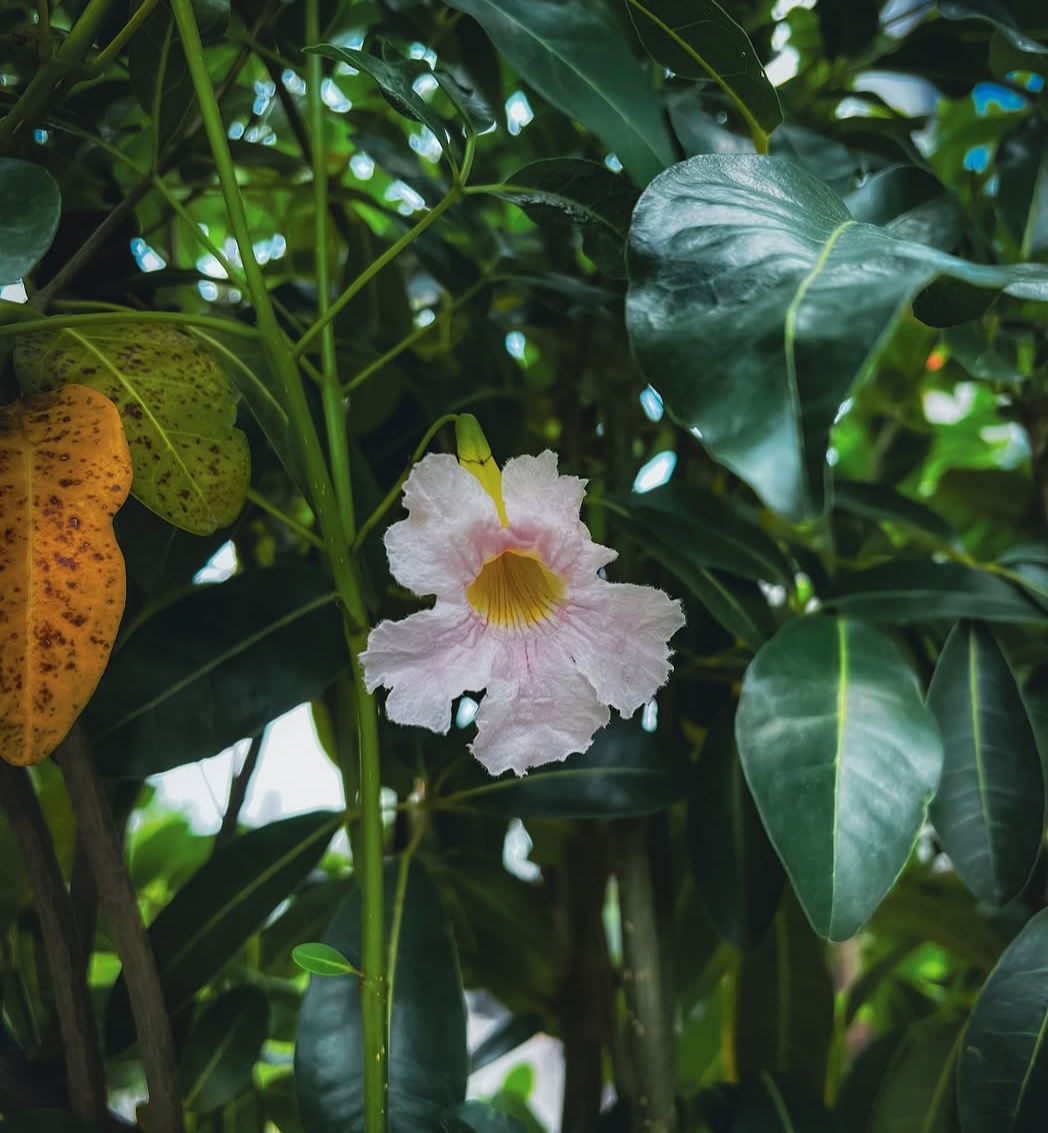
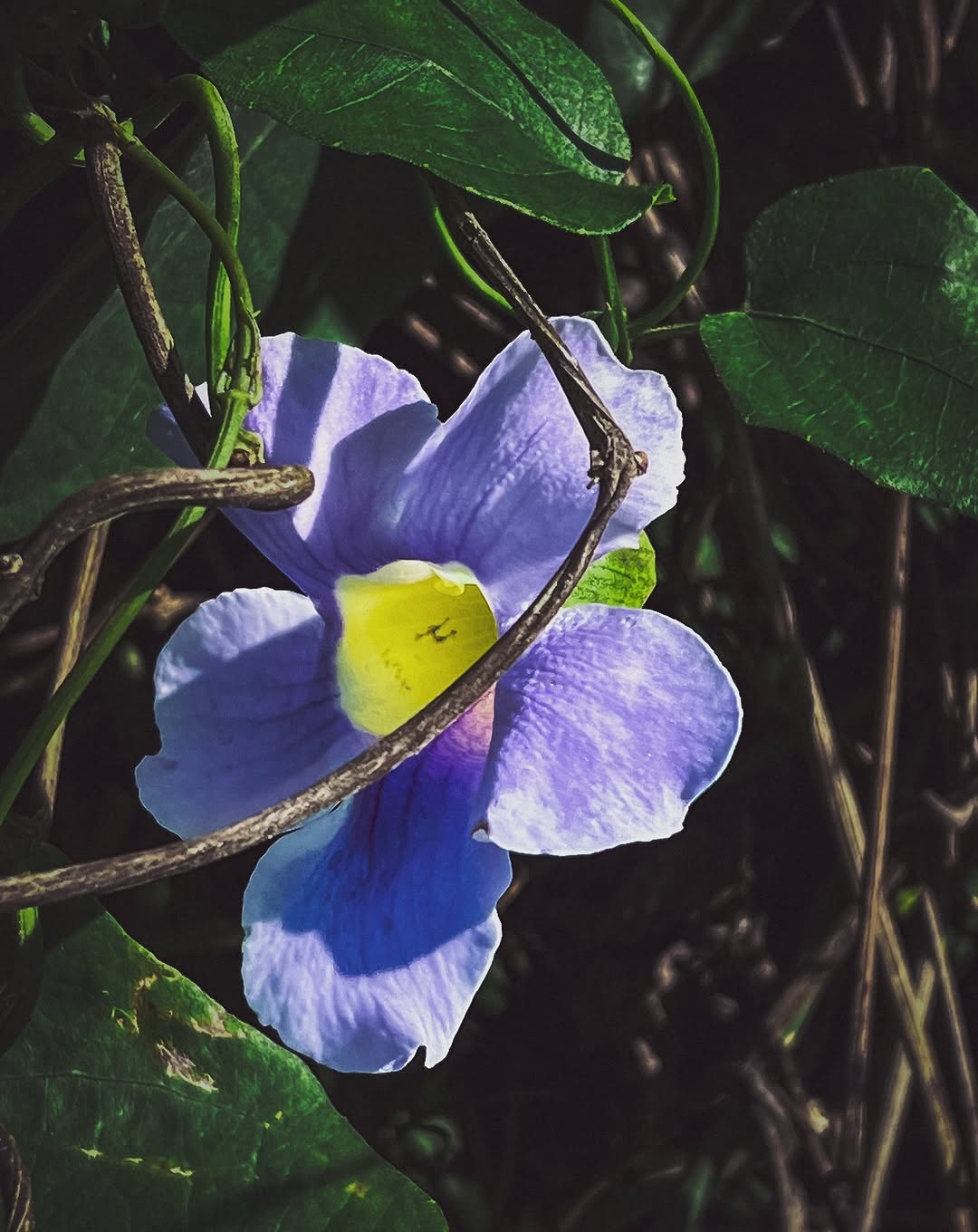
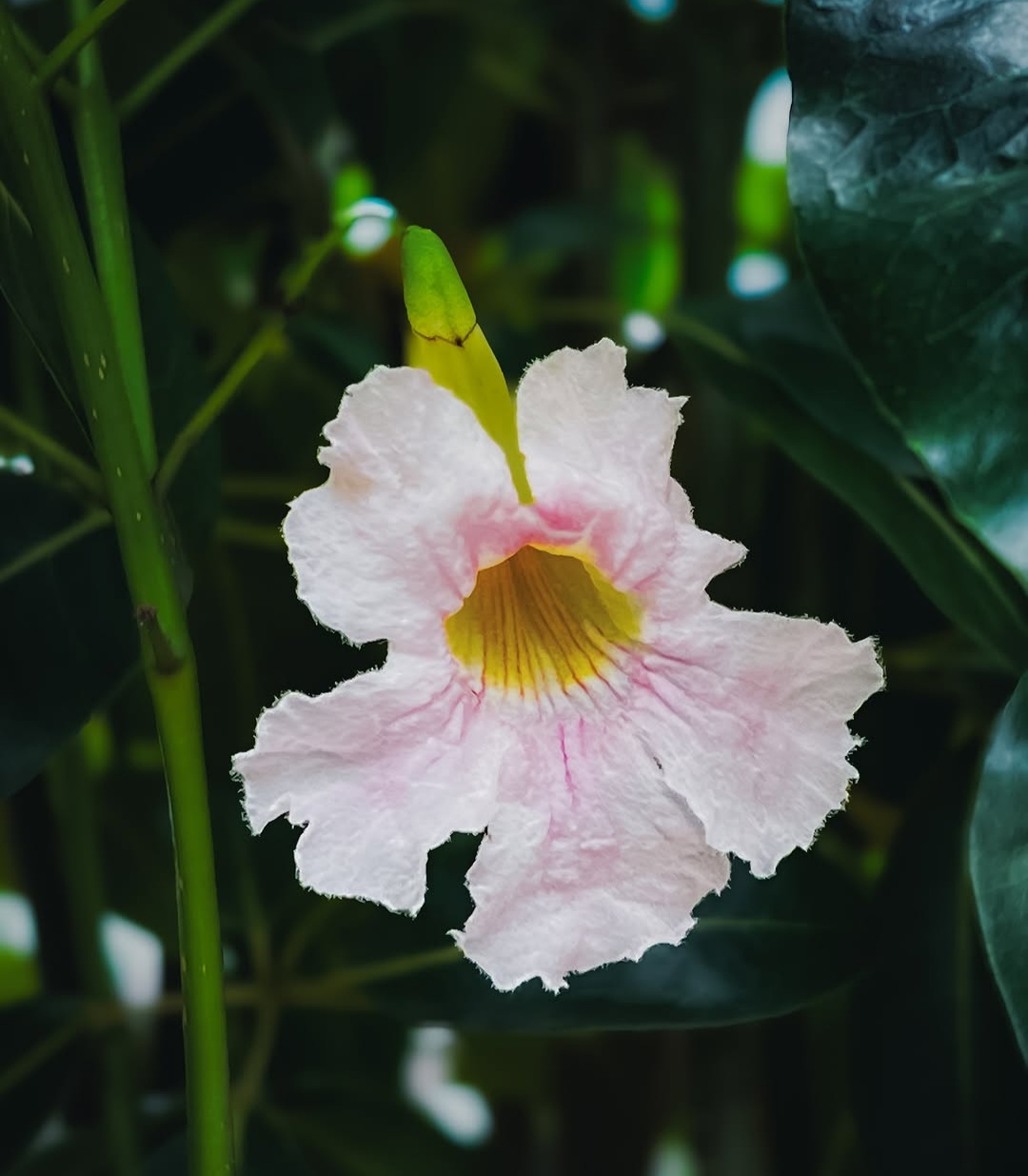
One of the most captivating features of the Desert-willow is its beautiful, trumpet-shaped flowers. Blooming from late spring through early fall, the blossoms come in shades of pink, lavender, and sometimes white, often with yellow or purple throats that add extra depth to their charm. These flowers are not only visually stunning but also fragrant, making them a delight for both people and pollinators. Hummingbirds, butterflies, and bees are particularly drawn to the blossoms, turning the tree into a lively hub of activity during the flowering season.
The tree itself is typically small to medium-sized, reaching heights of about 15 to 30 feet. It often has a multi-trunked form and an open, spreading crown, which provides light shade without completely blocking sunlight. This makes it an excellent choice for xeriscaping, where conserving water is a priority. Its deep root system allows it to tolerate drought conditions exceptionally well, and it can thrive in poor, sandy, or rocky soils where other trees might struggle. Once established, it requires little care and minimal irrigation, making it a favorite in desert and urban landscapes alike.
Beyond its beauty and resilience, the Desert-willow has cultural and ecological significance. Indigenous peoples traditionally used parts of the plant for medicinal purposes, including treatments for fungal infections and pain relief. Its strong yet flexible wood was sometimes utilized for tools or crafting. In modern times, the tree is valued for erosion control in dry regions, as its roots help stabilize soil while its canopy provides shade for smaller plants and wildlife.
Gardeners and landscapers appreciate the Desert-willow not only for its adaptability but also for its seasonal interest. In addition to the spectacular flowers, the tree produces slender seed pods in late summer and fall. These pods, often several inches long, hang gracefully from the branches and can persist into winter, adding texture and movement to the landscape. In colder climates, the tree may lose its leaves, but in warm regions, it can remain semi-evergreen, offering greenery year-round.
Symbolically, the Desert-willow represents endurance, beauty in harsh conditions, and the ability to thrive where life seems difficult. It serves as a reminder of the strength and elegance found in nature’s most unlikely places.
%20(7).jpeg)