Water Lilies: The Floating Jewels of the Pond
When you glide across a tranquil pond and spot a delicate, cup‑shaped blossom perched on a glossy leaf, you’re looking at one of nature’s most iconic performers – the water lily. Belonging to the genus Nymphaea, these aquatic flowers have enchanted poets, painters, and garden designers for centuries, and they deserve a moment of reverence in today’s fast‑paced world.
A Brief Botanical Portrait
Water lilies are hardy perennials that thrive in shallow, still water where sunlight can kiss their leaves and buds. Their round, floating leaves—often called “lily pads”—are equipped with a waxy coating that repels water, allowing the plant to breathe air while staying buoyant.
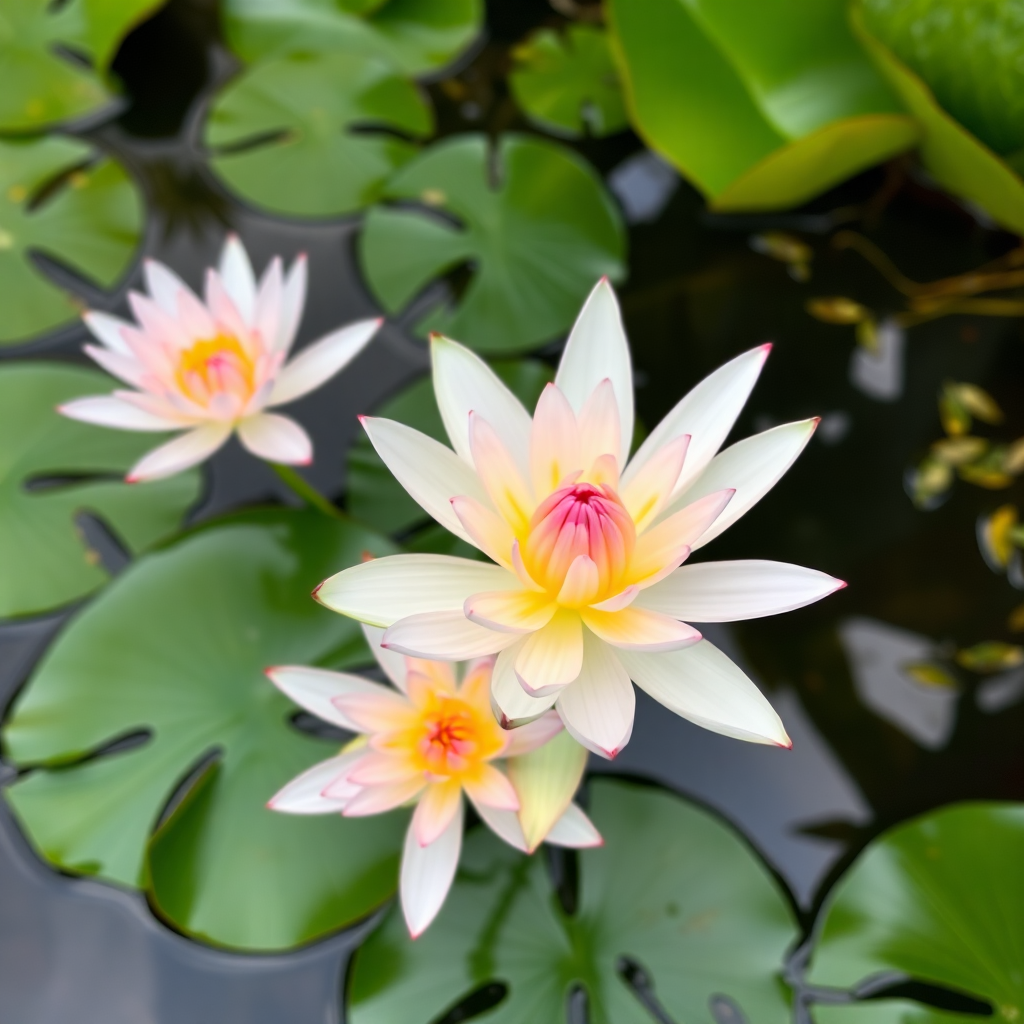
When summer arrives, the stems push upward, unveiling flowers that range from pristine white to vibrant pink, deep crimson, or soothing lavender. Most species open in the morning, bask in the daylight, and gently close at dusk, a daily ritual that adds a rhythmic elegance to any water garden.
Cultural Symbolism
Across cultures, water lilies have carried profound meanings. In ancient Egypt, they symbolized rebirth and the sun because they close at night and rise again at dawn.
Buddhist art often portrays the lotus—a close relative of the water lily—as a metaphor for spiritual enlightenment emerging from murky waters. Meanwhile, Claude Monet’s celebrated series of lily pond paintings captured the flower’s fleeting beauty, cementing its place in Western art history.
Caring for Your Own Pond Jewels
If you’re inspired to invite water lilies into your garden, a few simple guidelines will set you up for success:
- Depth: Plant bulbs 6–12 inches below the water surface; deeper water encourages larger leaves.
- Light: Most varieties need at least 4–6 hours of direct sunlight daily.
- Soil: Use a heavy, loamy substrate—garden soil mixed with sand works well.
- Winter Protection: In colder zones, cut back foliage in fall and allow the tubers to settle on the pond bottom, where they’ll remain dormant until spring.
Why We Love Them
Beyond their visual allure, water lilies play a vital ecological role. Their leaves shade the water, reducing algal overgrowth, while the flowers attract pollinators such as bees and dragonflies. In short, they are both ornamental and functional—a perfect embodiment of beauty serving purpose.
So next time you stroll by a pond, pause and admire the water lily’s graceful poise. In its simple, floating presence lies a timeless reminder: even in stillness, life can bloom spectacularly.