Sweet William (Dianthus barbatus): A Classic Cut‑Flower with Charismatic Charm
Sweet William, the lively Dianthus barbatus, is a biennial or short‑lived perennial that has earned a permanent spot in cottage‑garden palettes across temperate regions.
Native to southern Europe and parts of western Asia, it was introduced to England in the 16th century, where its vivid spikes of pink, red, white or lavender quickly became a favorite of poets and horticulturists alike.
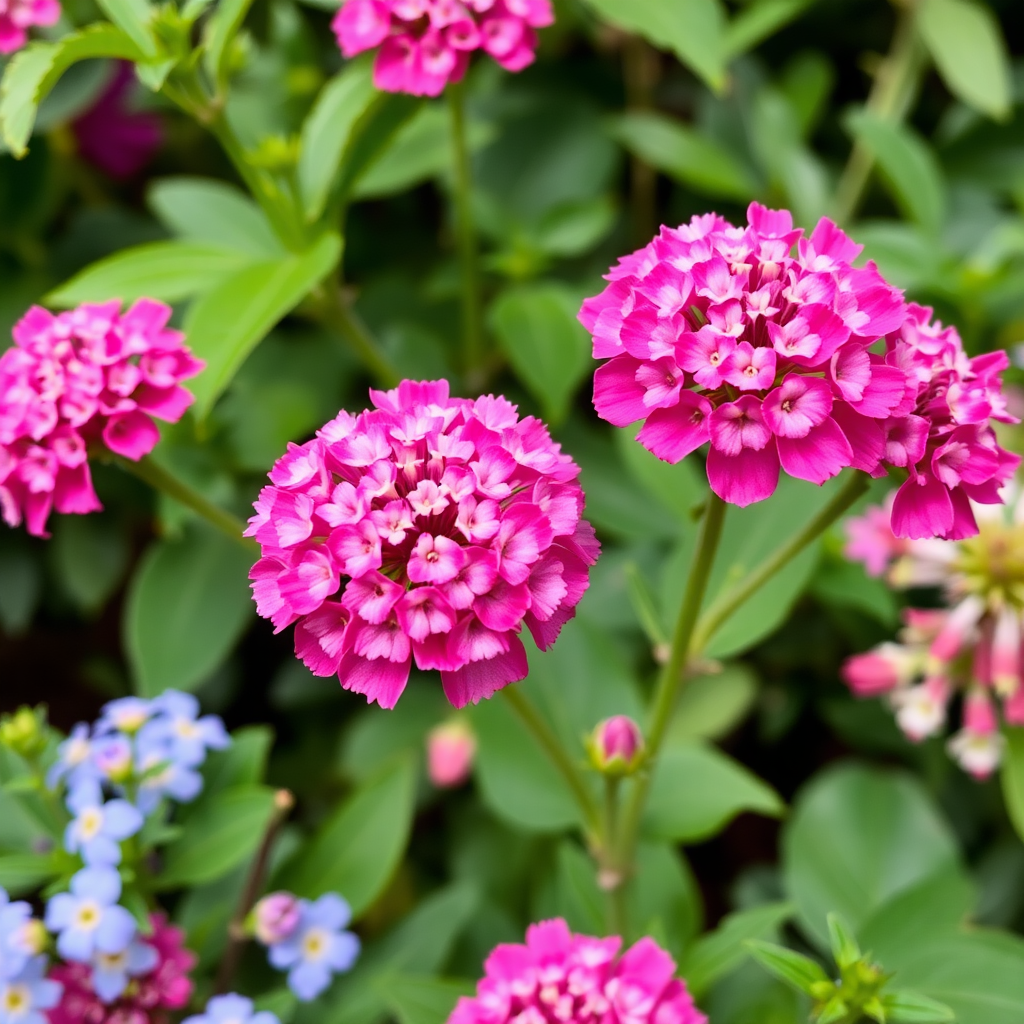
Beyond aesthetics, Sweet William carries rich symbolism. In Victorian floriography it represents “thoughts of others” and “gratitude”, making it an ideal bouquet filler for thank‑you gifts or wedding arrangements.
Gardeners appreciate Sweet William for its ease of cultivation. Plant the seeds in early spring or fall, spacing them 12‑15 inches apart in well‑drained, slightly alkaline soil enriched with compost. A sunny location with at least six hours of direct light encourages compact, densely‑flowered stems; however, the species tolerates light shade and can survive light frosts.
To prolong blooming, deadhead spent flowers every two weeks. This not only improves appearance but also redirects energy into new buds, extending the display from late spring into early autumn. For a continuous colour show, stagger plantings every three weeks throughout the growing season.
Because the foliage is aromatic, many gardeners use Sweet William as a companion plant to deter pests from nearby roses or tomatoes. Its subtle fragrance, reminiscent of clove, is released when stems are brushed, adding an extra sensory layer to the garden.
In summary, Sweet William offers a blend of vivid colour, easy maintenance, and historical charm. Whether used as a cutting garden staple, a border filler, or a fragrant companion, it delivers reliable beauty year after year—making it a timeless choice for both novice and experienced gardeners.
Add a splash of pastel Sweet William to any container, and instantly elevate the arrangement with its charming, old‑world elegance throughout summer today.