5 Advanced Pickleball Techniques That Instantly Improve Court Control
5 Advanced Pickleball Techniques That Instantly Improve Court Control
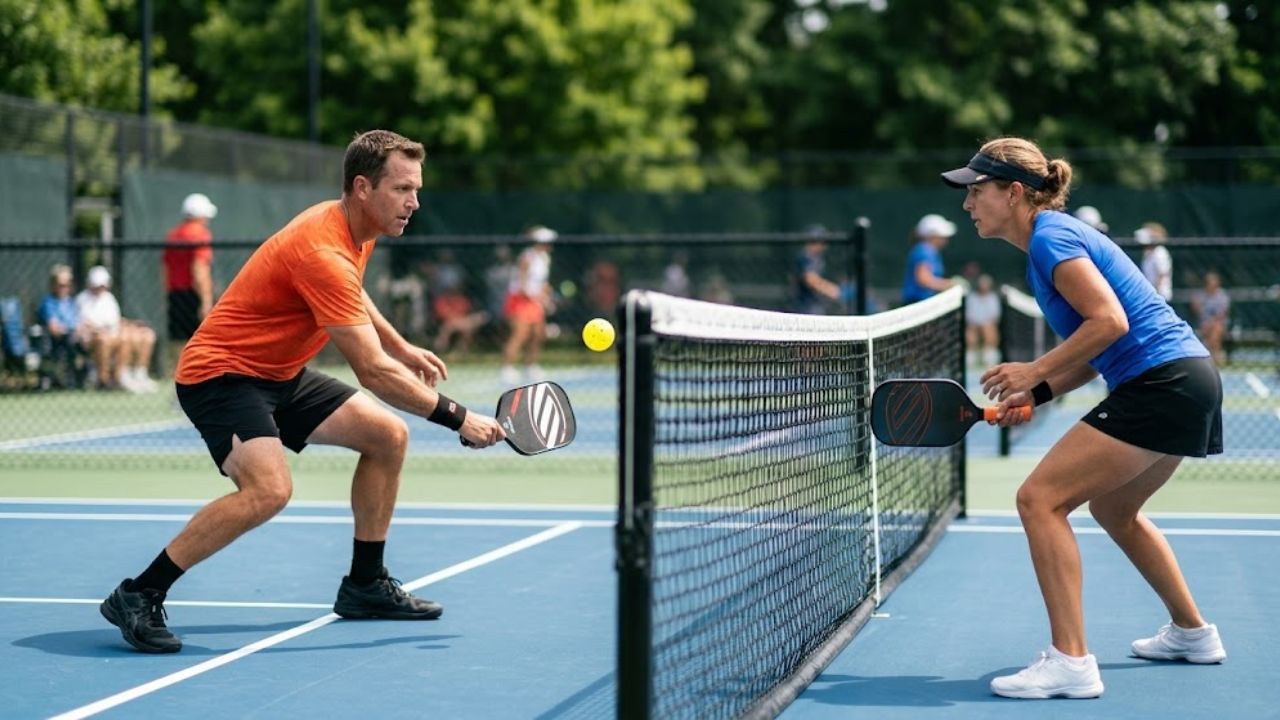
Pickleball may appear simple at first glance, but experienced players know that court control is what separates recreational players from competitive ones. The ability to dictate pace, placement, and positioning allows players to dominate rallies rather than react to them.
Advanced players rely on a set of tactical techniques that improve shot consistency, reduce unforced errors, and force opponents into difficult situations. By mastering these techniques, players can turn defensive situations into offensive opportunities while maintaining control of the court.
Below are five advanced pickleball techniques that can dramatically improve court control and overall gameplay performance.
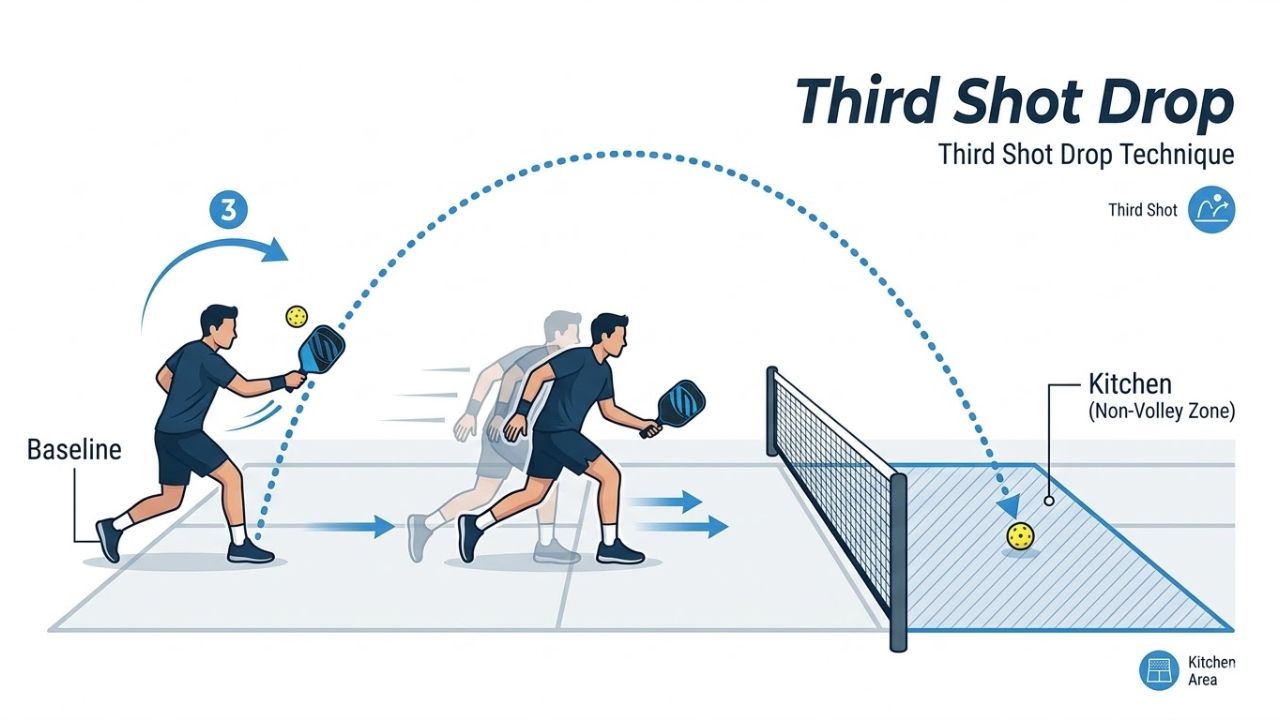
1. Master the Third Shot Drop
One of the most important skills in modern pickleball strategy is the third shot drop.
After the serve and return, the serving team must transition from the baseline to the kitchen line. The third shot drop helps accomplish this by hitting a soft arc shot that lands in the opponent's kitchen.
Why does it improve control?
- Slows the pace of the rally
- Prevents aggressive volleys from opponents
- Allows your team to move forward safely
A well-executed third shot drop neutralizes the return team's early advantage and resets the rally into a controlled dink exchange.
Players studying shot strategy in more detail can also explore other high-percentage shots that consistently win rallies, such as drives, dinks, and passing shots.
A helpful breakdown can be found in this guide on
Pickleball shots that win the most points
2. Control the Kitchen with Strategic Dinking
Dinking is often misunderstood as a simple soft shot. In reality, strategic dinking is one of the most sophisticated aspects of pickleball.
Advanced players use dinks to:
- Move opponents laterally
- Create openings in the court
- Force opponents to lift the ball
Instead of dinking directly at your opponent, aim for their backhand side or the sidelines to stretch their positioning.
The goal is patience. When executed correctly, dinking turns the kitchen line into a battle of control rather than power.
3. Use the Reset Shot Under Pressure
Even advanced players eventually face fast volleys or aggressive drives. In these situations, the reset shot becomes essential.
A reset shot is a soft defensive return that absorbs the pace of an incoming shot and drops the ball into the kitchen.
Benefits of mastering reset shots
- Neutralizes aggressive attacks
- Slows down fast rallies
- Allows players to regain positioning
Instead of trying to counter-attack immediately, experienced players reset the point and rebuild control.
This technique is especially important in doubles play, where fast exchanges near the net can escalate quickly.
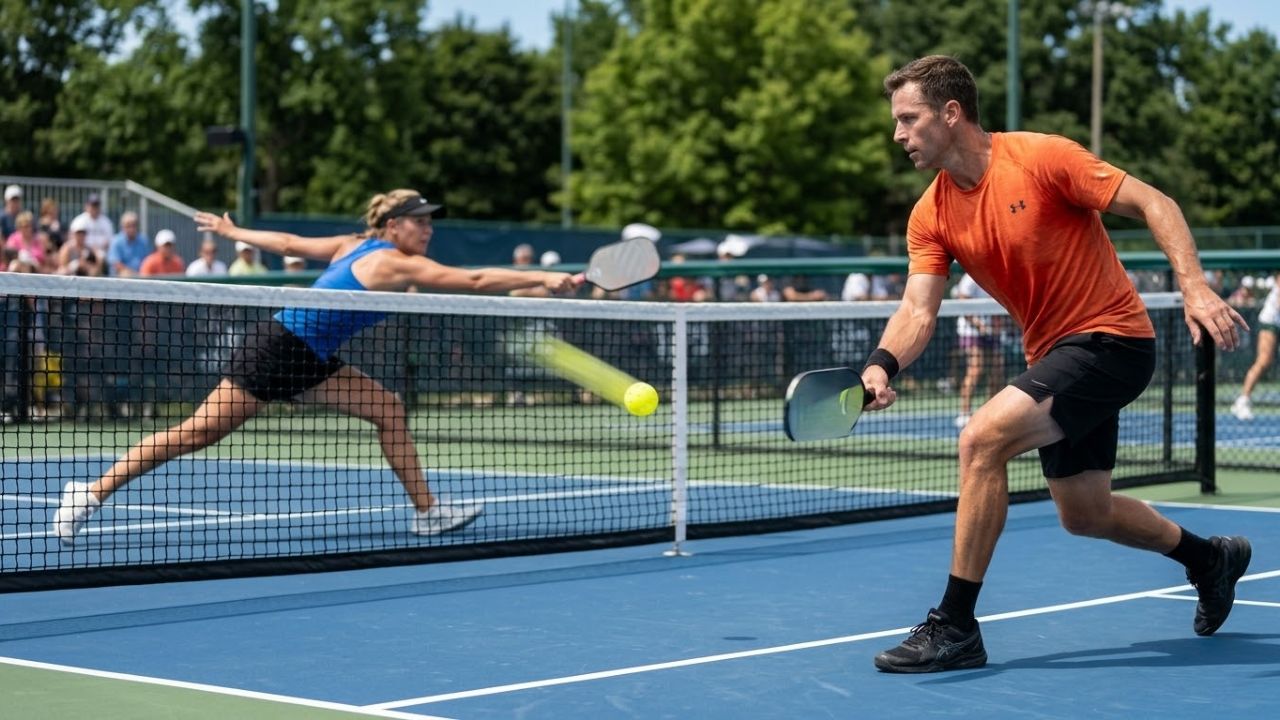
4. Improve Angled Shot Placement
Court control is not just about slowing down rallies. It is also about placing shots where opponents cannot easily respond.
Advanced players often target:
- The sidelines
- The opponent’s backhand side
- The middle gap between doubles partners
Angled shots force opponents off balance and create openings on the court.
A well-placed angle can pull an opponent wide enough to leave the opposite side of the court exposed for the next shot.
Developing this skill requires both precision and anticipation of your opponent’s movement.
5. Learn to Transition Smoothly to the Kitchen Line
The kitchen line (non-volley zone line) is the most dominant position on the court. Players who control this area typically control the rally.
However, reaching the kitchen safely requires careful movement.
Advanced players transition using a “hit and move” approach:
- Hit a controlled drop or drive
- Move forward a few steps
- Stop before the opponent hits the ball
- Repeat until reaching the kitchen line
This prevents players from being caught off balance by fast returns.
Once both players reach the kitchen line, rallies often shift into strategic dink exchanges and controlled placement battles.
Why Technique Matters More Than Power
Many new players focus heavily on hitting harder shots, but pickleball strategy often rewards precision and control over raw power.
High-level play typically emphasizes:
- Placement instead of speed
- Patience instead of aggression
- Strategy instead of reaction
Understanding how to control the tempo of a rally allows players to force mistakes rather than take unnecessary risks.
Sustainability in the Growing Pickleball Community
As pickleball continues to grow globally, another important conversation has emerged around sustainability in sports equipment.
Millions of plastic pickleballs are used every year, and many eventually end up in landfills. Recycling initiatives and material innovations are helping address this issue by encouraging players to reuse materials and reduce waste.
Efforts like these highlight how the pickleball community can continue to grow while also becoming more environmentally responsible.