The Healing Beauty of the Borage Flower
Nestled in gardens and wild meadows, the borage flower (Borago officinalis) stands out with its striking star-shaped, bright blue blossoms that seem to capture the sky in their petals. Often called the "herb of gladness," borage has been cherished for centuries not only for its visual charm but also for its remarkable health benefits and culinary uses.
Native to the Mediterranean region, borage is an annual herb with hairy stems and leaves, and delicate flowers that bloom in clusters. What makes borage truly special is its vibrant blue hue—rare in the plant world—which attracts bees and pollinators in droves. In fact, borage is sometimes called “bee bread” because bees are irresistibly drawn to its nectar-rich blooms.
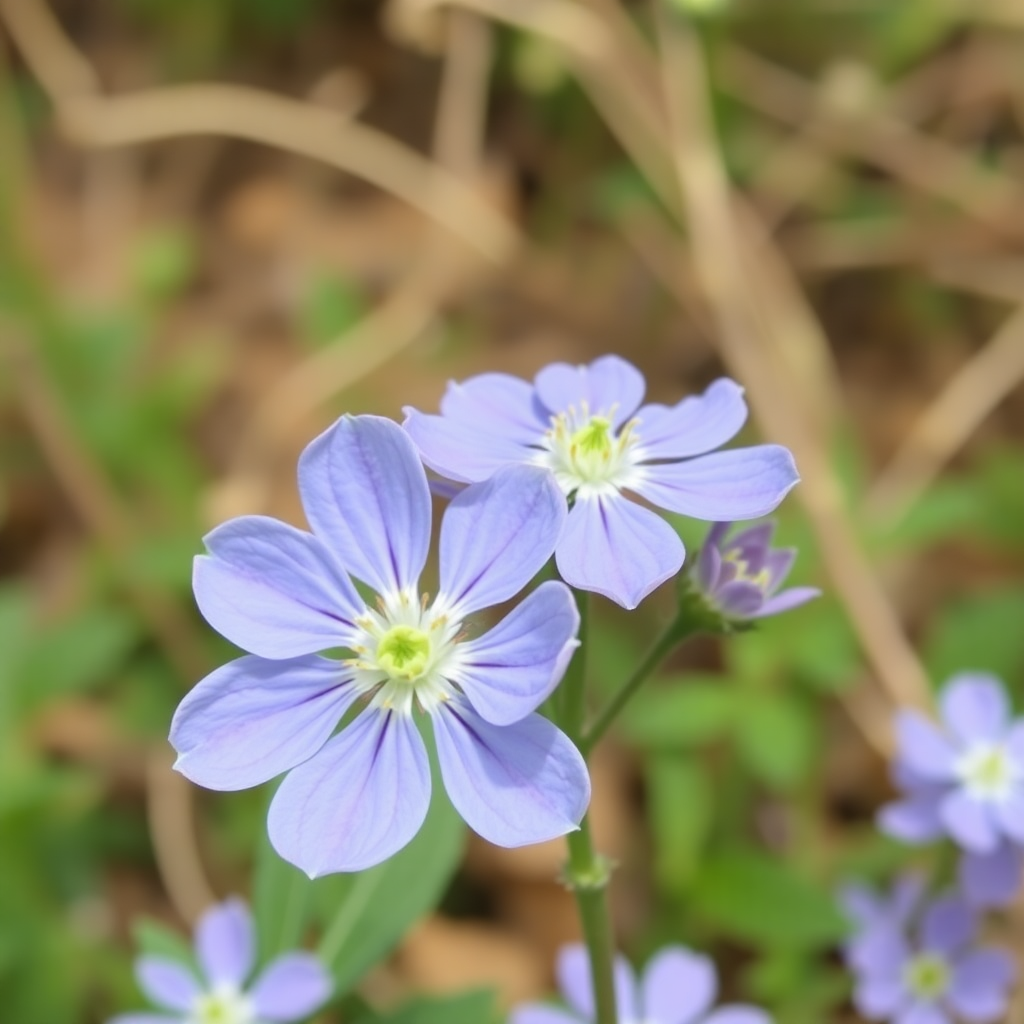
Beyond its beauty, borage has a long history in traditional medicine. The flowers and leaves are rich in vitamin C and contain antioxidants that support immune health. Perhaps most notably, borage seeds are a prized source of gamma-linolenic acid (GLA), an essential fatty acid known for its anti-inflammatory properties. This has made borage oil a popular supplement for promoting healthy skin, reducing joint pain, and supporting hormonal balance.
In the kitchen, borage flowers are a delightful edible garnish. Their subtle cucumber-like flavor adds a refreshing twist to salads, fruit punches, and cocktails. Chefs often freeze the blossoms in ice cubes or float them in summer drinks for an elegant, eye-catching touch. The young leaves can also be used in soups and stews, though they’re best when cooked, as raw leaves can be slightly irritating due to fine hairs.
Growing borage is simple—this resilient plant thrives in full sun and well-drained soil, requiring minimal care. Once established, it self-seeds easily, making it a welcome addition to any organic garden. It's also a companion plant, believed to enhance the growth and flavor of nearby vegetables like tomatoes and strawberries.
Despite its many benefits, borage should be used thoughtfully. While the flowers and leaves are generally safe, long-term use of concentrated borage oil may carry risks for some individuals, especially those with liver conditions.
In a world filled with high-maintenance herbs and exotic botanicals, borage is a humble reminder that nature’s most powerful gifts often come in simple, beautiful forms. Whether you're sipping a floral-infused lemonade, supporting your well-being with natural remedies, or simply enjoying its cheerful blooms in the garden, borage truly earns its title as an herb of joy.