The Tuberose: A Night‑Blooming Jewel That Captivates the Senses
If you’ve ever walked through a moonlit garden and been greeted by a perfume that feels almost otherworldly, chances are you’ve met the tuberose (Polianthes tuberosa).
This elegant, wax‑y‑like blossom, native to Mexico and now cultivated across the globe, is more than just a pretty face; it is a cultural icon, a perfumers’ muse, and a surprisingly easy plant for the dedicated home gardener.
A Brief Botanical Portrait
The tuberosa belongs to the Asparagaceae family, the same lineage that includes onions and asparagus. Its name—Polianthes—derives from Greek roots meaning “many flowers,” a nod to the dense racemes that can stretch a foot above the foliage. Each raceme bears dozens of funnel‑shaped, pure‑white flowers, each roughly the size of a small bell.
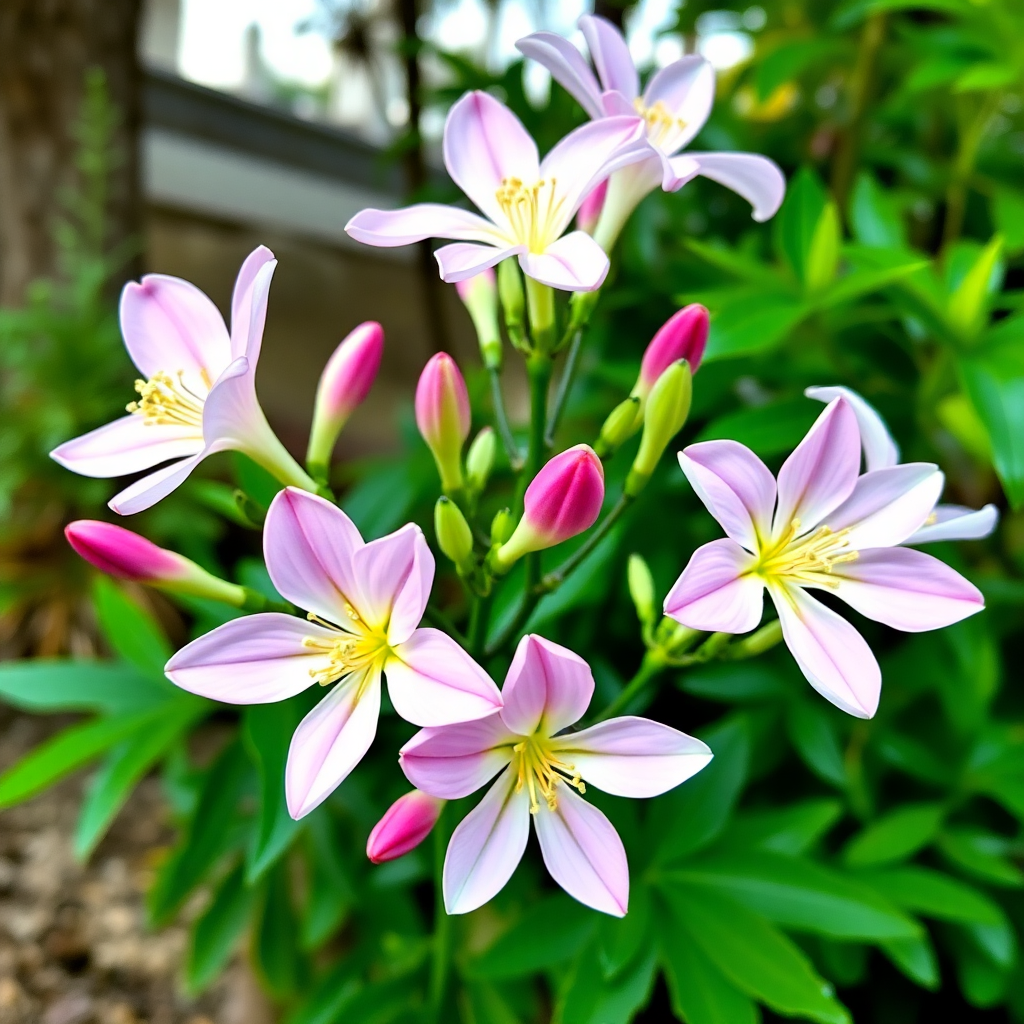
While the blooms open in the late afternoon, they reach full glory at night, releasing a scent that is simultaneously sweet, creamy, and slightly spicy. This nocturnal fragrance is an evolutionary trick: it lures night‑flying pollinators such as moths, which are drawn to the flower’s rich olfactory signal.
From Sacred Rituals to Modern Runways
In its Mexican homeland, the tuberose has long been woven into the fabric of tradition. Indigenous peoples dry the blossoms and burn them as incense during ceremonies, believing the aroma purifies both space and spirit. The flower also appears in Indian Ayurveda, where its essential oil is prized for its calming, anti‑inflammatory properties.
Fast forward to the 20th century, and the tuberose became a cornerstone of haute‑cuisine perfumery. Chanel’s legendary No. 5 (1930) and Coco (1984) feature tuberose as a key heart note, while niche houses such as Serge Lutens and Frederic Malle have built entire olfactory stories around its heady scent.
In these creations, tuberose provides a lush, almost animalic depth that balances brighter citrus or floral accords, proving its versatility across scent families.
Growing Tuberose in Your Garden
For gardeners, the tuberose is a rewarding addition to a sunny border or container garden. Here are three simple guidelines:
Planting Time – In temperate zones, plant the small tubers in late spring after the last frost. In warmer climates, they can be set out in early autumn for a spring bloom.
Soil & Sun – Well‑draining, loamy soil with a pH of 6.0‑7.5 works best. The plant thrives in full sun; a minimum of six hours of direct light ensures robust flowering.
Water & Care – Keep the soil evenly moist during active growth, but reduce watering once foliage begins to yellow—this signals the plant is entering dormancy. In colder regions, dig up the tubers before the first frost and store them in a dry, cool place until spring.
Symbolism and Why It Still Matters
Across cultures, the tuberosa symbolizes sensuality, elegance, and the mystery of night. Its intoxicating perfume has inspired poets, painters, and designers alike, making it a perpetual reminder that beauty often thrives in darkness as much as in daylight.
Whether you are arranging a bridal bouquet, crafting a signature fragrance, or simply admiring a moonlit garden, the tuberose offers a sensory experience that is both timeless and unforgettable. Its delicate white petals may be fleeting—lasting only a few nights—but the memory of its scent lingers long after the bloom has faded. Embrace the tuberose, and let a touch of nocturnal luxury blossom in your life.