The Ocean’s Surprise: Growing and Cooking with the Oyster Plant (Mertensia maritima)
If you’ve ever wished the sea could be harvested by hand, the oyster plant might be the closest you’ll get. Scientifically known as Mertensia maritima and affectionately called “sea kale,” this hardy coastal succulent produces fleshy, spoon‑shaped leaves that deliver a clean, briny flavor reminiscent of freshly shucked oysters.
Gardeners, chefs, and foragers alike are drawn to its unique taste, striking foliage, and surprising resilience. Below is a quick guide to understanding, cultivating, and enjoying this marine marvel in roughly 400 words.
What Is the Oyster Plant?
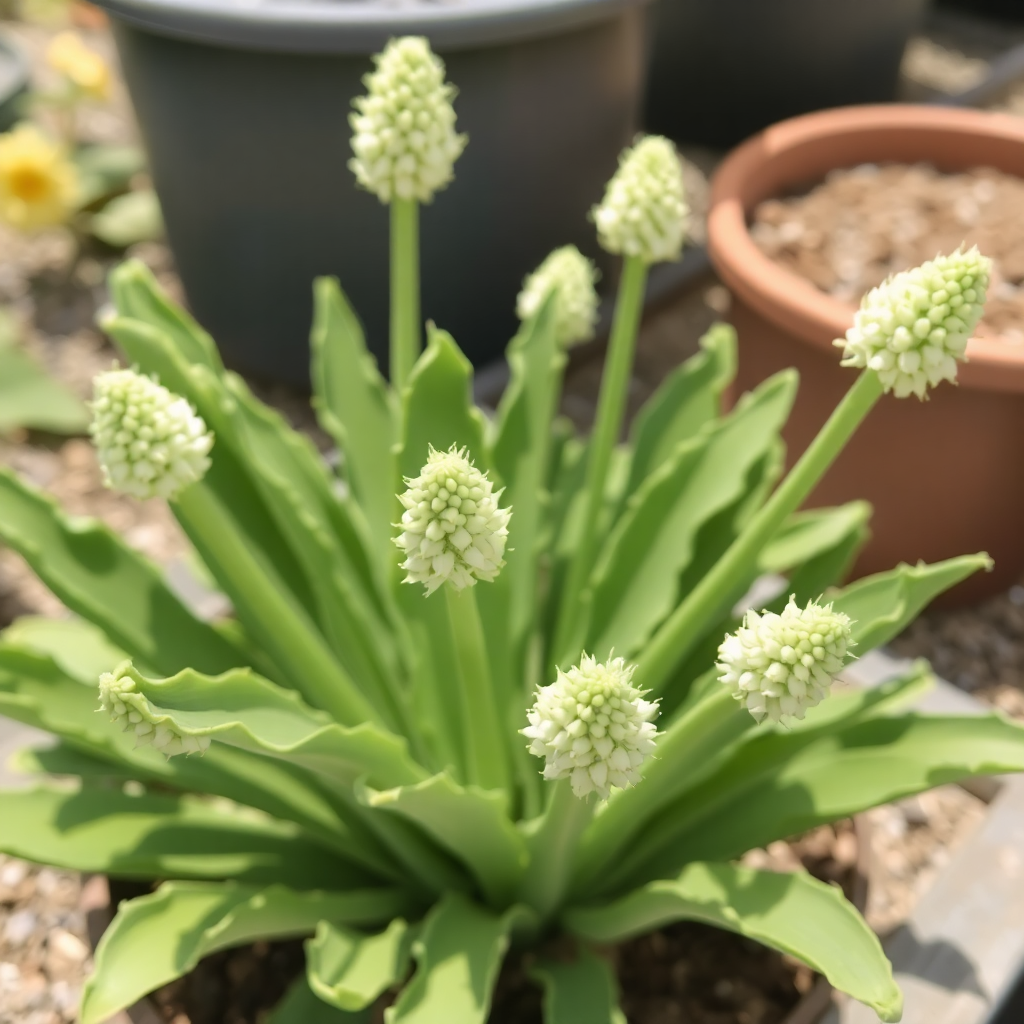
Native to the rocky shores of northern Europe, North America, and parts of Asia, the oyster plant thrives in salt‑sprayed environments where few other vegetables can survive. Its low, mat‑forming habit spreads via rhizomes, creating silver‑green rosettes that turn a delicate lavender when the plant bolts to seed.
The leaves are thick, succulent, and often tinged with a faint, metallic sheen—an adaptation that helps retain moisture and tolerate salty winds.
While the plant’s scientific name may sound exotic, its common moniker comes straight from the palate: bite into a raw leaf and you’ll taste a subtle, oceanic mineral note that pairs beautifully with citrus, seaweed, or a drizzle of extra‑virgin olive oil.
Growing Conditions: From Shore to Soil
Although it originates on cliffs, the oyster plant adapts surprisingly well to garden settings. Here are the essentials:
Requirement Ideal Condition
Light Full sun to light shade; a few hours of direct light enhances leaf flavor.
Soil Well‑draining, sandy or loamy mix; incorporate a handful of coarse sand or perlite to improve drainage.
pH Slightly acidic to neutral (6.0–7.0).
Water Moderate; keep soil moist but never soggy. Once established, the plant tolerates brief dry spells.
Salt A light sea‑salt spray (or a brine solution diluted 1:10) mimics its natural habitat and can boost the “sea‑y” taste.
Plant seedlings in early spring after the last frost, spacing them 12–18 inches apart to give each rosette room to expand. Mulch with coarse gravel to retain moisture and deter weeds. In colder zones, a cold frame or an indoor bright windowsill can extend the growing season; the plant tolerates temperatures down to –15 °C (5 °F) when the roots stay dry.
Harvesting and Culinary Uses
The leaves are ready to pick once they reach 2–3 inches in length, typically 6–8 weeks after sowing. Use clean scissors to snip the outermost leaves, allowing the inner growth to continue. Fresh leaves are a star in:
Ceviche‑style salads: Thinly slice and toss with lime juice, diced cucumber, and a pinch of sea salt.
Garnish for seafood: Lay whole leaves atop oysters, scallops, or smoked salmon for an extra briny nuance.
Butter or oil infusions: Blend leaves with softened butter or warm olive oil, then chill for a sea‑infused spread.
If you prefer a milder flavor, briefly blanch the leaves in salted water; the heat softens the texture while preserving the marine essence.
Sustainability and Pro Tips
Because the oyster plant thrives on marginal land, it’s an eco‑friendly addition to a low‑input garden. Its shallow root system makes it ideal for container cultivation, rooftop gardens, or even hydroponic setups. To boost vigor:
- Mist occasionally with diluted sea‑salt solution during hot, dry periods.
- Divide rhizomes every 2–3 years to prevent overcrowding and maintain leaf vigor.
- Avoid heavy fertilization; excess nitrogen can dilute the characteristic salty flavor.
Bottom line: The oyster plant offers a rare combination of culinary intrigue and hardy beauty. With minimal care, you can grow a living tide in your own garden, harvest its briny leaves, and bring a whisper of the coast to your kitchen—no boat required. Give it a try, and let the sea’s secret ingredient sprout right at your doorstep.