Foxglove: The Elegant, Poison‑Laced Bell‑flower That Captivates Gardens and Legends Alike
If you’ve ever wandered through a meadow or a cottage garden in early summer and heard a gentle chorus of tall, tubular blossoms swaying in the breeze, chances are you’ve met the foxglove (Digitalis purpurea). With its striking spikes of pink, purple, white, or even yellow bells, this plant is both a visual show‑stopper and a cautionary tale—beauty wrapped in a potent dose of chemistry.
A Quick Botanical Snapshot
Family: Plantaginaceae (formerly Scrophulariaceae)
Native range: Most of Europe, western Asia, and north‑west Africa.
Growth habit: Biennial or short‑lived perennial; typically 3‑6 ft tall.
Flower structure: Perfect (bisexual) tubular corollas arranged in a one‑sided raceme, each bloom opening sequentially from the bottom upward.
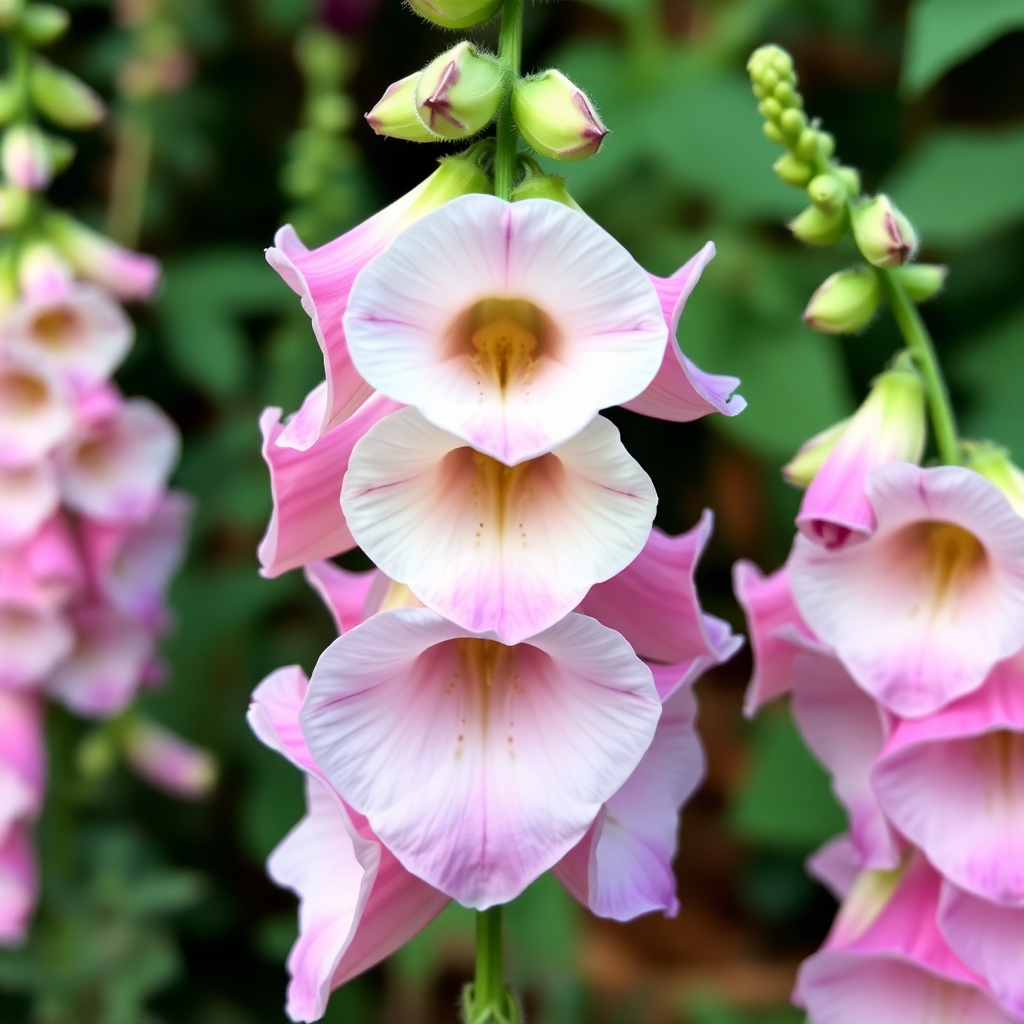
The name “foxglove” is thought to derive from old English folklore: hunters believed the flowers were gloves for foxes to wear while stealing into henhouses. Whether or not a fox would ever need a pair of silk‑soft gloves, the moniker endures.
Gardening With Foxglove
Sunlight & Soil: Foxglove thrives in full sun to part shade and prefers a well‑draining, slightly acidic to neutral soil rich in organic matter.
Planting tips:
Space matters – Plant seedlings 12–18 in apart; the mature plant will need room for its sprawling clump.
Staking is optional – Tall varieties can stand on their own, but windy sites benefit from a simple stake or a garden net.
Self‑seeding – Allow a few spent spikes to dry naturally; they’ll drop seeds that pop up the following spring, ensuring a continuous display.
Companion plants: Foxglove’s vertical drama pairs beautifully with low‑lying perennials such as Hosta or Lungwort and with the airy foliage of Delphinium or Lupine.
Pruning: Cut back the flower spikes after blooming to encourage a second, smaller flush in late summer, especially in milder climates.
Beauty With a Side of Danger
All parts of the foxglove contain cardiac glycosides—most famously digitalis, the source of the medication used to treat heart failure and atrial fibrillation. In controlled, pharmaceutical doses, these compounds are lifesaving; in the garden, they’re lethal if ingested. Keep children and pets away from the plant, and wear gloves when handling mature stems.
Cultural Footprints
Beyond horticulture, foxglove has woven itself into poetry, folklore, and art. William Shakespeare referenced “the fox‑glove” in A Midsummer Night’s Dream as a symbol of rustic charm. In the language of flowers, foxglove conveys “bewilderment” or “dangerous beauty,” a fitting description for a flower that can both heal and harm.
Final Thoughts
Cultivating foxglove is a rewarding blend of aesthetics and responsibility. Its towering, bell‑shaped flowers add drama and depth to any summer garden, while its storied history reminds us that nature’s elegance often carries a potent secret. Plant it responsibly, admire its graceful sway, and let the foxglove’s quiet, poisonous perfume whisper a tale of beauty, caution, and timeless allure.