The Charming Pelargonium: One of the World’s Most Loved Flowers
If you’ve ever walked through a garden or a bustling market and caught a whiff of a sweet, citrus‑like scent, there’s a good chance a pelargonium was behind that lovely aroma.
Often confused with geraniums, pelargoniums are a distinct group of plants that bring color, fragrance, and a touch of easy‑care elegance to any space. In this short guide we’ll explore what makes pelargoniums special, how to grow them, and a few fun facts that might surprise you.
What Is a Pelargonium?
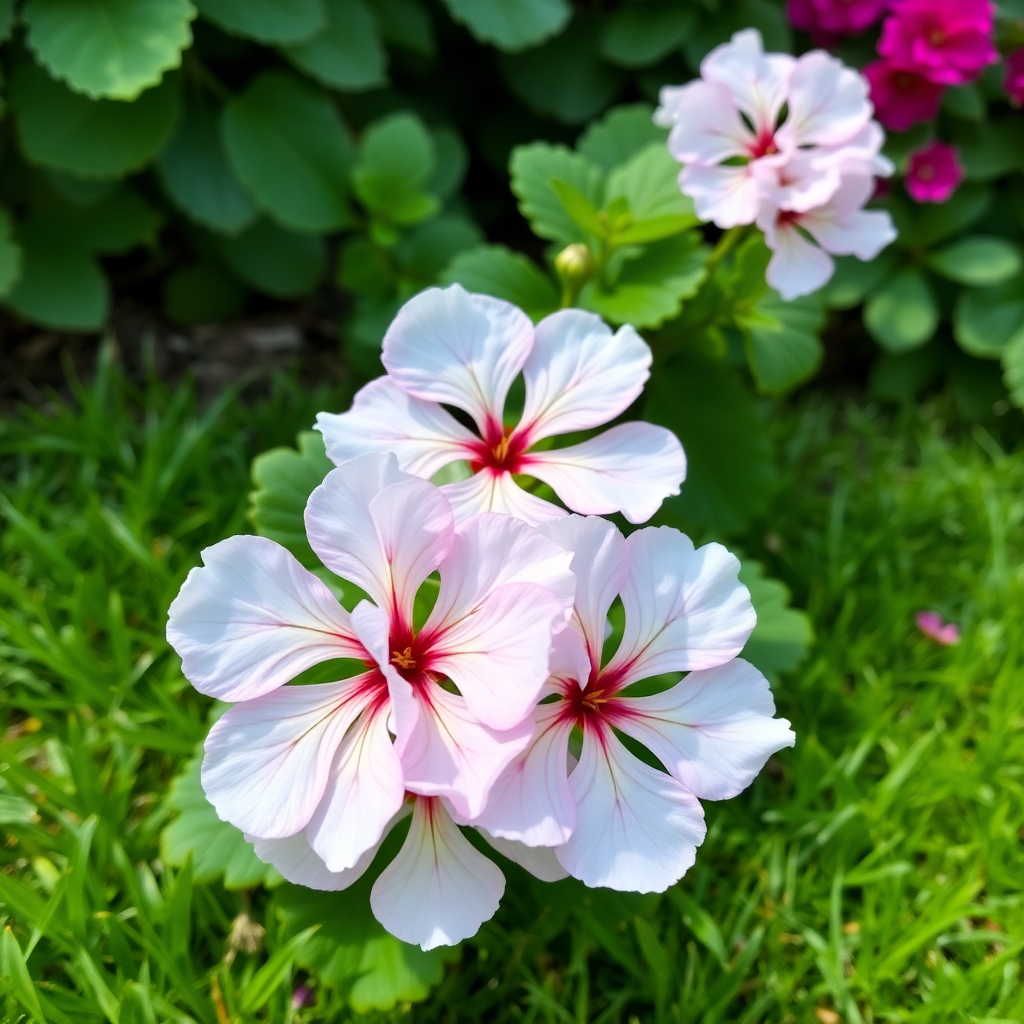
Pelargonium is a genus of about 200 species native to South Africa. The name comes from the Greek words pelargos (stork) and ion (flower), because the seed pods look a bit like a stork’s bill. While the term “geranium” is often used loosely in garden centers, true geraniums belong to a different genus.
The plants we call pelargoniums are sometimes called “stork‑bills” or simply “geraniums” in everyday language, which can be confusing. The good news? Whether you call them pelargoniums or geraniums, they’re easy to love.
Why People Love Them
Vivid Colors: Pelargoniums bloom in a rainbow of shades—scarlet reds, bright pinks, soft whites, and deep purples. Their flowers are generally larger and more showy than those of true geraniums.
Delightful Scents: Many varieties are scented, releasing aromas that range from citrus and mint to rose and chocolate. A single plant can have scented leaves, scented flowers, or both.
Hardy Nature: They tolerate heat, drought, and a range of soil types. In cooler climates, they can be grown as annuals or kept indoors as houseplants.
Versatility: Use them in borders, hanging baskets, containers, or as a trailing plant on a patio. Their compact size also makes them perfect for windowsill gardens.
Simple Growing Tips
Sunlight: Pelargoniums love the sun. Aim for at least 5‑6 hours of direct light daily. Too much shade can lead to leggy growth and fewer blossoms.
Soil: Well‑draining soil is key. A potting mix with sand or perlite works well. If you’re planting in the ground, amend heavy clay with compost or coarse sand.
Water: Let the soil dry out between waterings. Over‑watering is the most common mistake and can cause root rot.
Fertilizer: Feed every 4‑6 weeks with a balanced, water‑soluble fertilizer. Too much nitrogen can produce lush leaves but fewer flowers.
Pruning: Pinch back the tips of new growth to encourage bushier plants and more blooms. Remove any spent flowers (dead‑heading) to keep the plant flowering longer.
A Few Fun Facts
Culinary Uses: Some scented pelargoniums, especially the “lemon” and “mint” varieties, are used in teas, desserts, and even salads for a fresh, aromatic twist.
Historical Roots: In the 19th century, pelargoniums were a favorite in European conservatories, prized for their exotic beauty and perfume.
Pet‑Friendly: While they are generally non‑toxic to cats and dogs, it’s still best to keep an eye on curious pets that might chew on the leaves.
Bring Pelargoniums Home
Whether you’re a seasoned gardener or just starting out, pelargoniums are an excellent choice for adding instant color and scent to any space. Their resilience means you’ll spend less time troubleshooting and more time enjoying their blooms.
So head to your local garden centre, pick a few vibrant pots, and let the pelargonium’s cheerful personality brighten your home. Happy planting!