Plumbing Triage Steps for Leaks and Water Heater Trouble
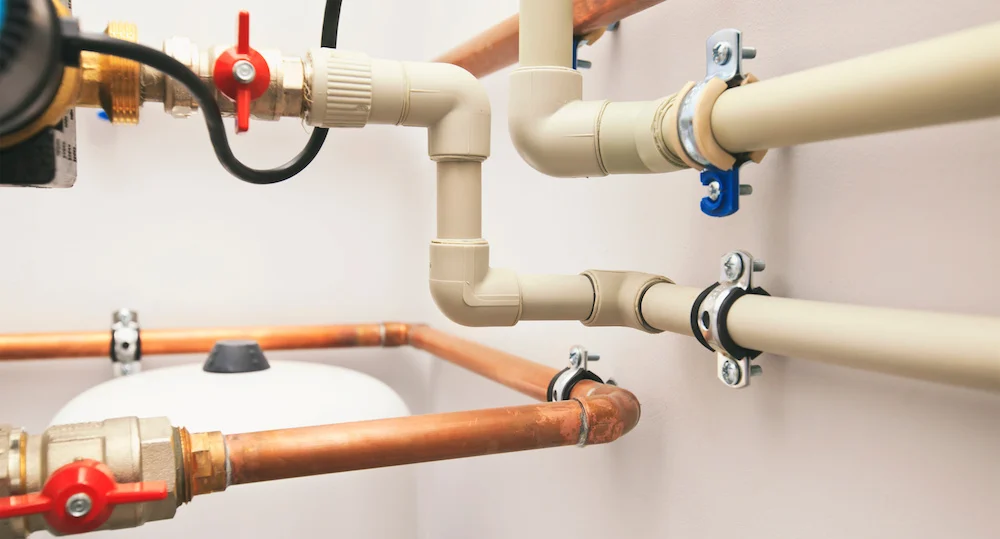
A plumbing problem interrupts a day fast. A leak under the sink soaks a cabinet. A toilet runs all night. A water heater stops delivering hot water right before school or work. In the Bay Area, plumbing systems often reflect the era of the home, plus decades of repairs layered on top. That mix creates surprises, especially in older Peninsula neighborhoods where crawlspaces, slab sections, and additions share the same supply lines.
This guide focuses on practical steps for common plumbing failures, plus questions that help you compare plumbers for repair and maintenance work.
Know your shutoffs before you need them
The best time to find shutoffs is not during a leak.
Locate and label:
• Main water shutoff, often near the front of the house or at the meter
• Water heater shutoff, cold water inlet valve above the tank
• Fixture shutoffs, under sinks and behind toilets
• Gas shutoff, if you have gas appliances or a gas water heater
Test valves during calm moments. Old valves seize. A plumber might recommend replacing shutoffs during routine work, which prevents panic later.
Leak clues that point to the source
Not all leaks show up as dripping water. Watch for:
• Swollen baseboards, peeling paint, or bubbling drywall
• Musty odors near a vanity or in a closet along a bathroom wall
• Warped cabinet floors under sinks
• A warm spot on a floor, which often suggests a hot water leak under slab
• A sudden rise in water use on a smart meter or bill
In foggy coastal zones, moisture on cold lines is normal condensation. The difference is water damage patterns, pooling, or staining that keeps spreading.
What to do during an active leak
When water is running, speed matters.
Shut off water at the nearest valve, fixture stop first, then the main if needed.
Open a faucet at a low point in the home to relieve pressure.
Move items off the floor and place towels or a pan to control spread.
Take photos of the area before drying, especially if flooring or cabinets are affected.
Avoid turning on lights or outlets near standing water.
If the leak involves a ceiling stain, treat it seriously. Water travels along framing and shows up far from the source.
Drain clogs, pick the right response
A slow drain often points to buildup, hair, soap, grease, or scale. A full stoppage points to a larger blockage or a collapsed line.
Use these clues:
• One fixture slow, likely local blockage
• Multiple fixtures slow, possible main line issue
• Toilet gurgling when a sink drains, a venting or line capacity issue
• Sewer odor, a dry trap, vent issue, or sewage backup risk
Avoid harsh chemical drain cleaners. They damage piping and complicate later snaking work.
Sewer pipe concerns in older Bay Area homes
Many Bay Area properties still have older sewer materials and long runs to the street. Tree roots, settled joints, and old cleanouts lead to recurring backups.
Ask a plumber how they decide between:
• A basic snaking and clearing
• A camera inspection to confirm line condition
• A cleanout addition for safer access
• A repair plan when the same section fails repeatedly
If your home sits on a slope, common in parts of San Mateo County, line grade and soil movement matter. A plan that ignores grade often leads to repeat clogs.
Gas pipe repairs, treat safety as non-negotiable
Gas line issues require caution. If you smell gas:
• Leave the area and avoid sparks, switches, or open flames
• Shut off gas at the meter if it is safe to reach
• Follow local utility guidance for emergency response
For planned gas pipe repair or new appliance connections, ask about pressure testing, shutoff placement, and permit expectations. A rushed gas connection creates risk.
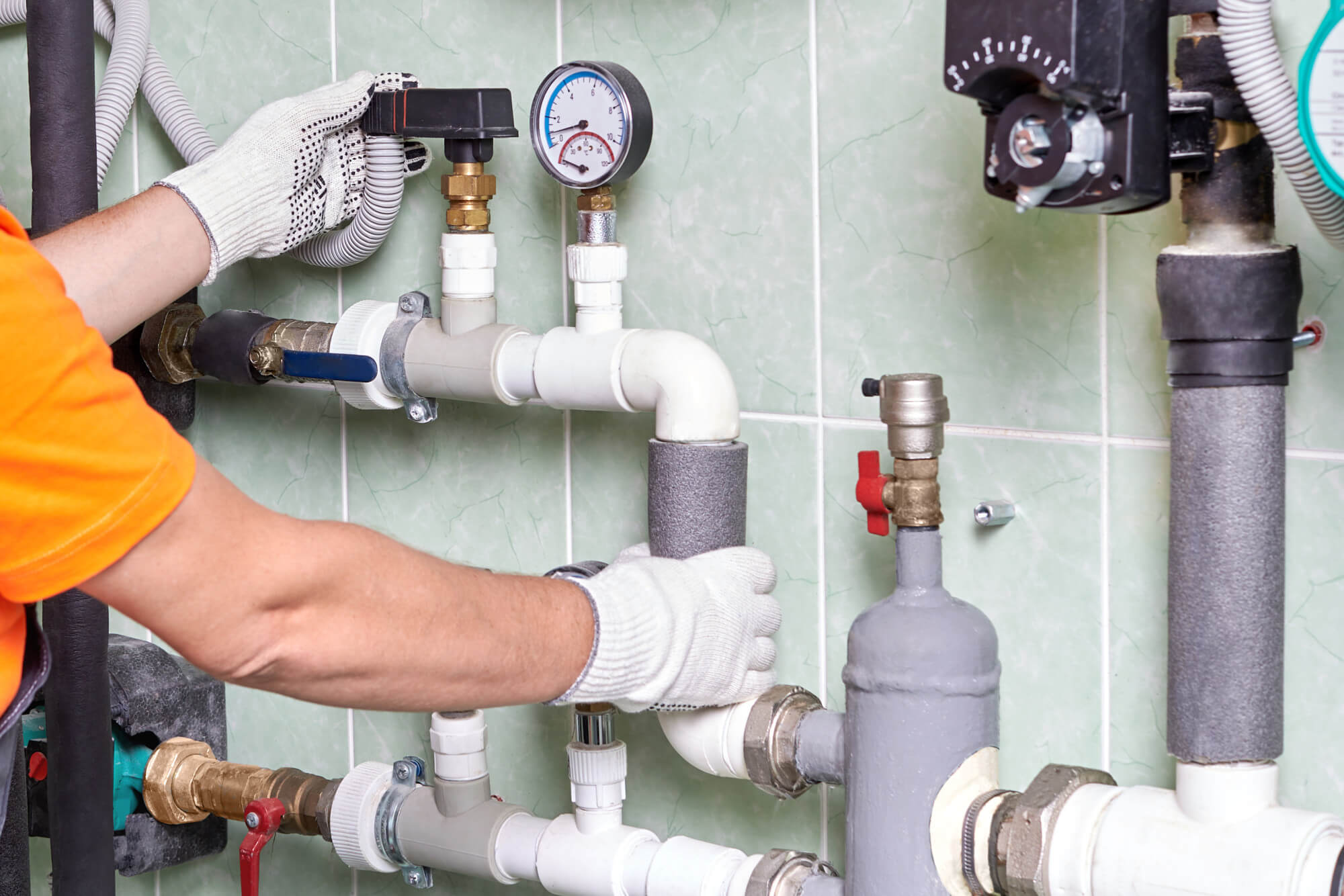
Water heater problems, sort symptoms first
Water heaters fail in predictable ways. Your symptoms guide the next step.
No hot water
• Pilot out or ignition failure on gas units
• Heating element or breaker issue on electric units
• Thermostat settings or failure
Hot water runs out fast
• Sediment buildup reducing tank volume
• A dip tube issue
• A tank that is undersized for current use
Rust-colored water or metallic odor
• Corrosion inside the tank
• An anode rod near end of life
Popping or rumbling sounds
• Sediment heating and shifting at the bottom of the tank
A water heater replacement plan should include shutoff upgrades, expansion tank requirements where applicable, and venting checks for gas units.
Leak detection, ask about methods, not guesses
Some leaks are visible. Others hide in walls, under floors, or under slabs. Ask how a plumber approaches leak detection:
• Visual inspection of fixtures and supply lines
• Pressure tests to isolate the system section
• Moisture readings at suspect areas
• Access planning, where openings might be needed
A good plan aims for the smallest access that still reveals the cause. In older homes with plaster walls or tile showers, access planning matters for restoration costs.
Water lines and pressure, protect fixtures and appliances
High water pressure stresses valves, water heaters, and appliance hoses. Low pressure frustrates daily use and signals restriction or leak.
Ask for:
• A pressure reading at a hose bib
• A review of pressure regulators and their condition
• Notes on galvanized piping, if present, since internal corrosion reduces flow
If your home uses older mixed piping, document what you have. Copper, PEX, and galvanized often appear together in older remodels.
Choosing a plumber, compare scope, diagnostics, and access
When you compare providers, focus on how the work gets diagnosed and documented, not only the repair itself.
Use a consistent question set:
What diagnostic steps happen before any major repair
How will the repair be tested, pressure test, flow test, or leak check
What access is expected, crawlspace, wall opening, or roof vent work
What restoration responsibilities are included or excluded
What parts are replaced versus reused, such as shutoffs and supply lines
For a reference point on typical plumbing scope language, review the Handy Bay Plumbing company report page while comparing providers. It lists project categories such as drain cleaning, leak detection, gas pipe repair, sewer pipe work, toilet repair, water heater installation, water heater repair, water heater replacement, and water line work.
Plan small upgrades during repairs
Emergency repairs are stressful. Yet a repair visit is also a chance to reduce future risk with small upgrades:
• Replace old shutoff valves that seize
• Add a cleanout for safer drain access
• Replace brittle supply hoses under sinks
• Add drip pans and drain lines for water heaters in vulnerable locations
Those changes do not eliminate future repairs. They reduce damage when a failure happens.
Plumbing is about control, controlling water flow, controlling access, and controlling the scope of work. When you learn your shutoffs and ask diagnostic-focused questions, a plumbing problem becomes easier to manage, even in older Bay Area homes.