Pool Remodel Planning: Coping, Plaster, and Equipment Choices
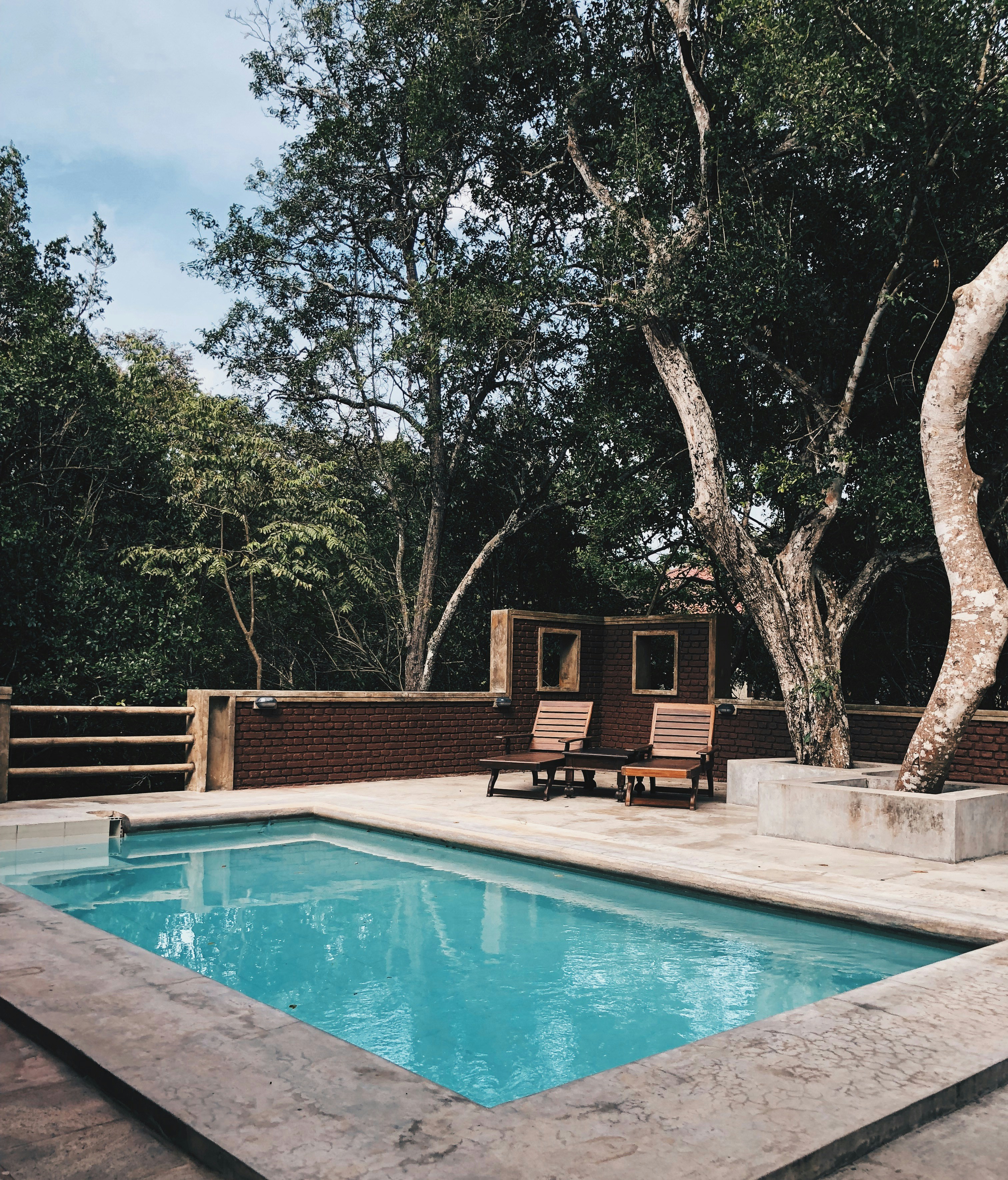
A swimming pool feels like a luxury until it turns into a weekly to-do list. Rough plaster tears at feet. Leaks drop the waterline faster than evaporation. A loud pump ruins quiet evenings. A remodel or major repair can bring the pool back into a low-stress part of your home, yet only if the plan covers structure, surfaces, and equipment together.
This guide lays out the key decisions homeowners face when hiring a swimming pool contractor, with Bay Area realities in mind.
What a pool contractor typically handles
Pool work covers a wide range of scopes:
New pool construction and installation
Remodels and upgrades
Leak detection
Plastering and resurfacing
Liner replacement on certain pool types
Coping repair and replacement
Equipment upgrades, pumps, filters, and heaters
Plumbing repairs and valve replacements
Pool landscaping tie-ins, decking, drainage, and hardscape coordination
Water delivery and fill support when needed
Routine cleaning and maintenance programs
The Elite Custom Pools Inc company report page lists services such as pool construction, remodeling, plastering, resurfacing, leak detection, liner replacement, and pool landscaping, plus references to solar pool heating and equipment upgrades in its company profile, which helps frame the full project scope beyond “new plaster.”
Start with the problems you want solved
Write down what is pushing you toward a project. Be specific.
Surface is rough, stained, or delaminating
Water loss that exceeds normal evaporation
Cracked coping or loose tile
Cloudy water that never stabilizes
Equipment noise, short cycling, or frequent breakdowns
Outdated layout, poor steps, poor lighting, or missing safety features
That list keeps the scope focused. It also helps you avoid a remodel that looks good but leaves a leak untouched.
Leak detection, start here before resurfacing
Resurfacing a leaking pool wastes money. Start with leak location work, then plan surface work.
Ask the contractor:
How leak testing is performed, and what evidence you receive
Whether they test the shell, plumbing, skimmers, and fittings
Whether they isolate lines, such as return lines versus suction
How they confirm the repair before moving into plaster
If the waterline drops to a consistent level and stops, that often points to a leak at that level, such as tile line, skimmer throat, or a fitting. If it keeps dropping, the plumbing or shell becomes more likely. You do not need to diagnose it yourself. You do need a contractor who documents the diagnosis.
Plaster and resurfacing, focus on material and prep
Pool finishes vary. A basic plaster finish differs from pebble-style finishes and other aggregates. Your choice affects feel, durability, and startup care.
Key questions:
What finish type is proposed, and why it fits your pool use
What prep method is planned, such as chip-out versus bond coat approach
How they address hollow spots or delamination
How they handle the tile line and transitions
What curing and startup instructions you will follow
Startup care is serious. A new surface needs controlled brushing and water chemistry management in the early phase. Ask for a written startup plan and ask who is responsible for water balancing during that period.
Coping and the edge detail that drives safety
Coping is the top edge around the pool. It protects the bond beam and forms the transition to decking. Coping problems show up as cracked corners, loose stones, and sharp edges.
Ask:
Whether coping will be repaired or replaced
How they inspect the bond beam for cracking
How they handle expansion joints between coping and deck
Whether the coping choice gets hot in sun, which matters inland
Slip resistance and edge profile for kids and older adults
Coping ties directly to drainage too. If water runs toward the pool deck and sits against coping, staining and movement follow.
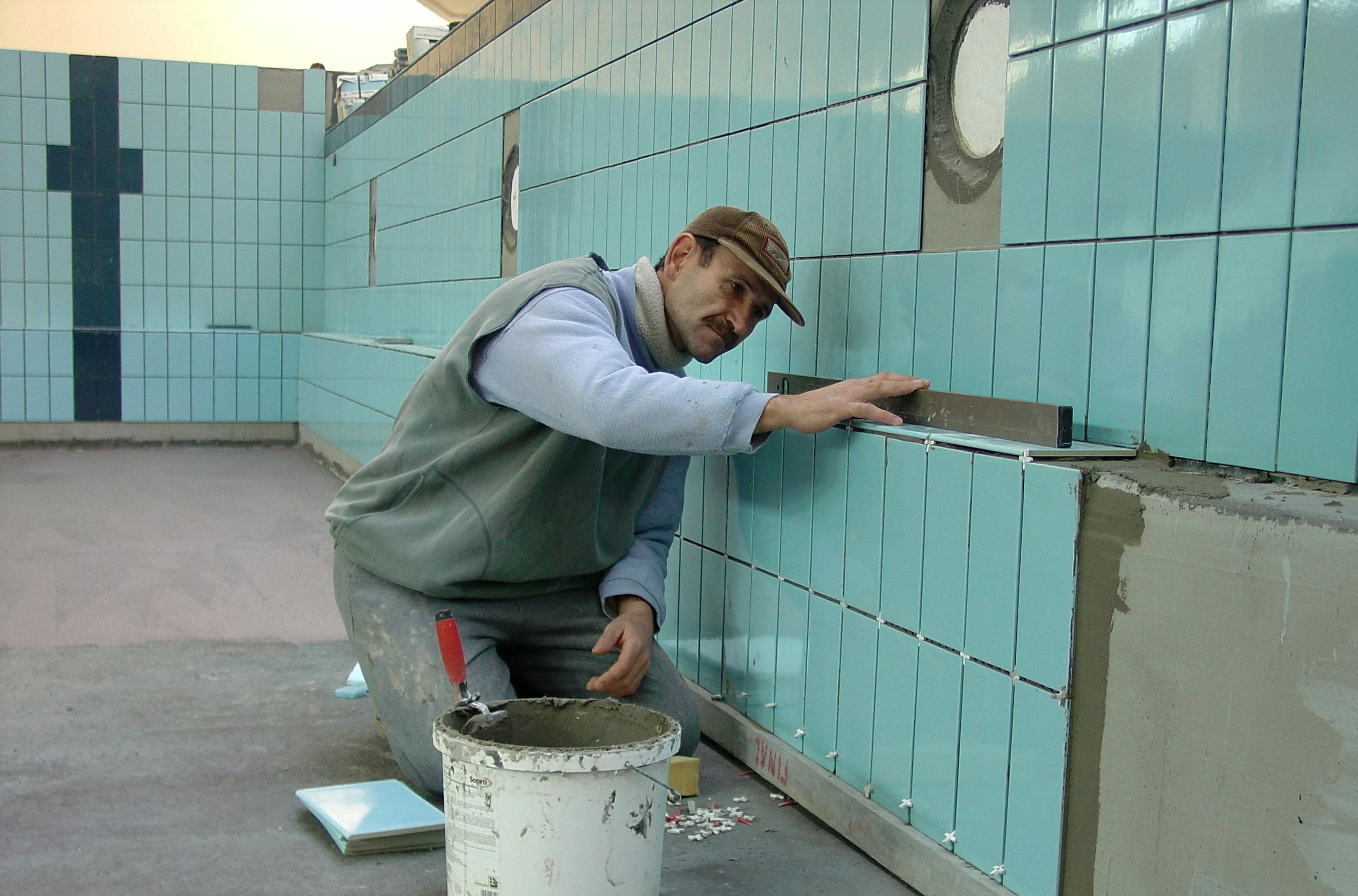
Tile, grout, and the waterline zone Waterline tile gets the most abuse from sun, chemicals, and oils.
Ask:
Whether tile replacement is part of scope
Whether grout is replaced, repaired, or cleaned and sealed
How they manage tile line levelness around the pool
A clean tile line changes the look more than many homeowners expect, yet a tile plan should match the rest of the remodel so materials blend.
Equipment upgrades, lower noise and better control Many pool headaches come from equipment. Pumps, filters, heaters, and automation systems do the heavy lifting.
Ask the contractor to evaluate:
Pump sizing for your pool volume and plumbing layout
Filter type and service access, cartridge versus sand versus DE
Heater options, gas heater versus heat pump, plus solar pool heating
Control systems, timers, automation, and remote access
Valves and plumbing layout, especially if pipes are crowded or outdated
The Elite Custom Pools Inc company profile references in-house capability to install solar pool heating systems and upgrade filters and other pool equipment, which highlights a practical point for homeowners. A remodel is a chance to update surfaces and equipment together, rather than fixing one and leaving the other to fail later.
Lighting and electrical planning
Pool lighting upgrades add safety and usability. Electrical work also raises permitting and inspection considerations.
Ask:
Whether existing conduits and junction boxes are in good shape
Whether lighting upgrade requires trenching or decking cuts
Whether the contractor coordinates electrical permitting and inspections where required
Whether GFCI protection and bonding are evaluated
In Bay Area cities, inspections vary. Some jurisdictions focus heavily on electrical bonding and safety. Plan for that early.
Decking and drainage around the pool
Pools sit outdoors, so water management matters. A remodel that ignores decking slope and drainage often leads to puddles, algae, and slippery paths.
Ask:
How the deck drains away from the pool and away from the house
Where runoff goes, and whether it affects landscaping
Whether drains or channel systems are part of scope
How new deck height aligns with coping height
In hillside neighborhoods across the Bay Area, runoff management matters even more. Water moving downslope finds weak points fast.
Permits and inspections, build time into the schedule
Pool projects often need permits, especially when the scope includes electrical, gas, structural repairs, or major remodel changes.
Ask:
Which permits apply to your scope
Who pulls them
Which inspections are typical, and at what stage
How the schedule accounts for inspection windows
Do not treat this as paperwork only. Permit scope affects what work is allowed and how it is verified.
A realistic project sequence
A pool remodel runs smoother when you understand the steps:
Drain and protect surrounding areas
Demo, surface removal, coping and tile removal where needed
Structural repairs and plumbing repairs
Equipment pad updates and piping work
Tile and coping install
Deck tie-in work if included
Interior finish install, plaster or aggregate
Fill and startup chemistry plan
Final adjustments and punch list
Ask your contractor to map this sequence to your site. In San Jose and other South Bay areas, summer heat impacts curing and scheduling. In foggy coastal pockets, humidity affects dry times and work windows.
Your homeowner checklist before signing a contract
Walk your yard with the contractor and confirm:
Access route for equipment, including side yard width
Where demo debris will be staged
How plants and hardscape will be protected
Where hoses will run for filling and startup
What noise limits apply in your neighborhood
Also confirm documentation:
Written scope with materials listed
Change order process for hidden issues
Startup instructions in writing
Equipment spec sheets and warranty paperwork
A pool remodel is a combination of surface, structure, plumbing, and equipment. When the plan treats those pieces as one system, the project feels less risky and the results match how you live.
Keep it up