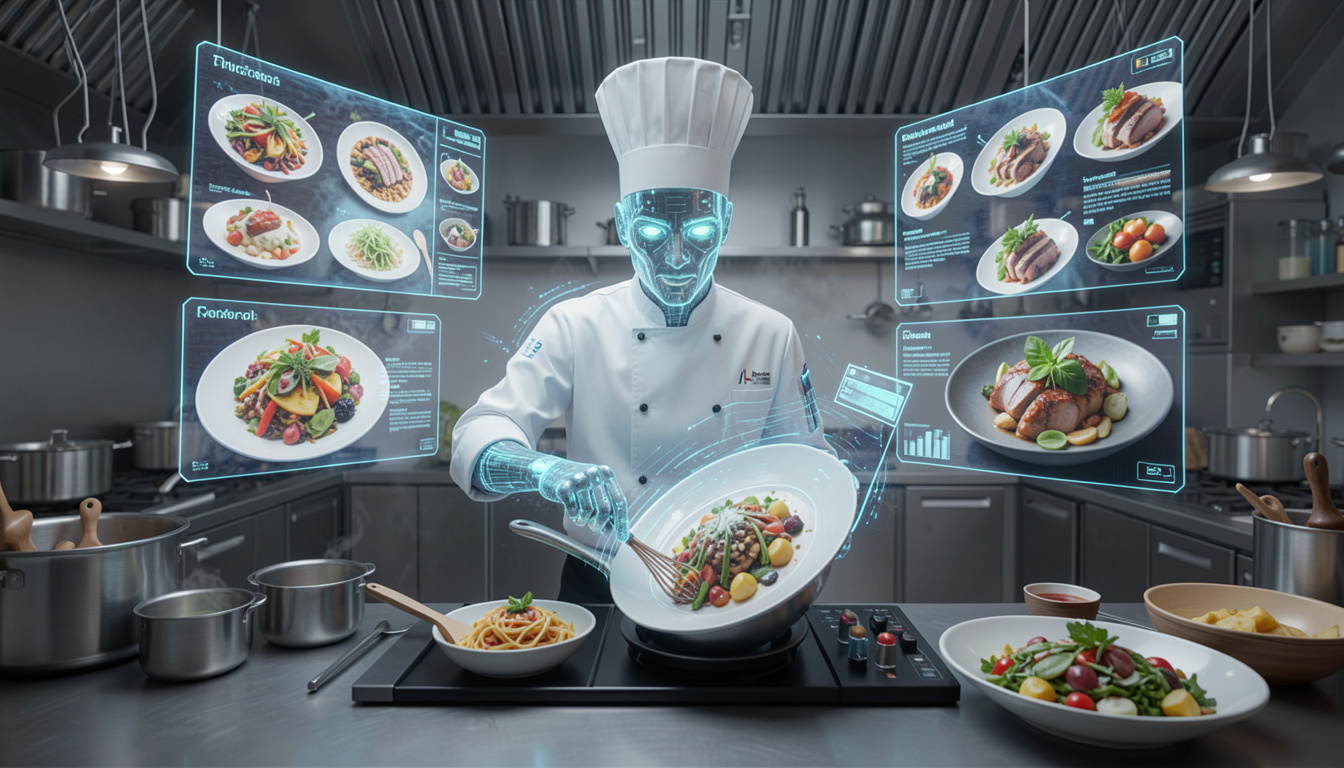
The artificial intelligence that cooks up new dishes.
in Popular STEM13 hours ago

The artificial intelligence that cooks up new dishes.



Souce


When artificial intelligence discovered that mixing cabbage and pineapple produces the exact flavor of cow's milk, the development of plant-based foods moved beyond the traditional trial-and-error approach of chefs, transforming instead into an exact computational science.


By cross-referencing databases from two vastly different worlds, generative algorithms are hacking culinary chemistry to shape the future of nutrition—a process that begins long before the cooking pot. Researchers analyze animal-based foods using mass spectrometry and other techniques capable of identifying the thousands of molecules responsible for aroma, texture, viscosity, acidity, and flavor; this data is compiled into massive chemical databases that serve as a reference for the algorithms.


From there, the artificial intelligence searches for plant-based ingredients that share similar molecular properties—even if they have never been paired in traditional cooking. This is precisely what sets "Giuseppe," the algorithm developed by NotCo, apart. Unlike a human chef, it has no cultural preferences or creative limitations; its role is simply to compare chemical structures and predict how they will interact during industrial processing.


The system evaluates thousands of plants simultaneously, calculating how each protein, fiber, sugar, and aromatic compound will behave under varying temperatures, pressure levels, and preparation methods—continuously refining its predictions based on feedback from human specialists. This process led to the discovery of combinations previously considered unlikely.


To replicate the characteristics of traditional milk, the system identified compounds in pineapple and cabbage that, when combined with other plant-based ingredients, created a sensory profile remarkably similar to cow's milk. In another project, chickpea proteins and bamboo fibers were used to recreate the creamy texture of ice cream; meanwhile, in the development of plant-based burgers, ingredients like cocoa and spinach helped simulate the characteristic flavor of meat—and even the color change that occurs during cooking.


The impact of this approach extends far beyond culinary creativity; companies report that the time required to develop new food products has dropped from years to mere months, while consumption of water, energy, and raw materials has also decreased. According to experts, artificial intelligence demonstrates that the secret to feeding the world sustainably lies not in expanding pastureland, but in deciphering the molecular code of the plant kingdom.


The kitchen of the future is now being written in lines of code; when AI and robotics join forces to produce food, you know what that means: a potentially great place to eat.


Sorry for my Ingles, it's not my main language. The images were taken from the sources used or were created with artificial intelligence