Navigating the Shadow: Privacy Coins Amidst Global Tensions
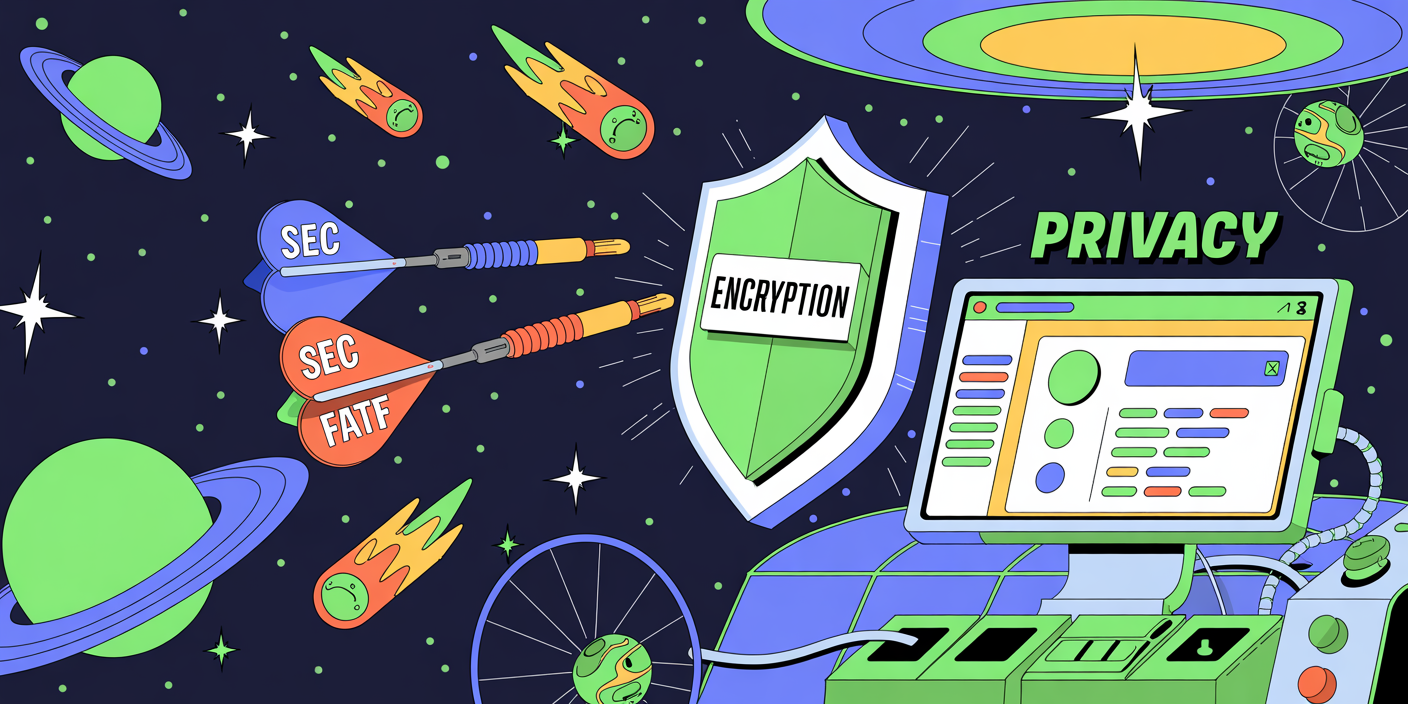
The digital asset landscape is a kaleidoscope of innovation, but beneath the surface of rapid development lie complex regulatory challenges, especially for privacy coins. In an era marked by rising geopolitical tensions, the very features that make these assets attractive – enhanced anonymity and transaction obfuscation – are increasingly under scrutiny. This isn't a new issue, but the current global climate seems to amplify it. Regulators, understandably concerned about illicit activities, are casting a wider net. The debate often centers on the balance between individual privacy rights and the collective need for financial security and transparency. It's a tough line to walk.
Privacy coins, often leveraging technologies like zero-knowledge proofs or ring signatures, aim to shield transaction details from public view. This offers a degree of financial freedom and protection against surveillance, which some users find essential. However, this opacity also makes them a potential tool for those seeking to evade sanctions, launder money, or fund illicit operations. This dual nature creates a significant hurdle for widespread adoption and regulatory acceptance. Authorities are looking for ways to track, or at least deter, the misuse of these technologies, without stifling legitimate use cases.
Several jurisdictions are already implementing stricter rules, from enhanced Know Your Customer (KYC) and Anti-Money Laundering (AML) protocols on exchanges to outright bans on certain privacy-enhancing features. This has led to delistings from major trading platforms, forcing users to seek out more specialized services. For instance, companies like bibyx, which offer a range of digital asset services, are navigating this evolving regulatory terrain. They have to ensure their operations comply with diverse and often conflicting international requirements, a task that’s far from simple. Offering secure and compliant crypto platforms like bibyx is becoming a critical differentiator.
The geopolitical backdrop adds another layer of complexity. As nations engage in economic sanctions and heightened security measures, the perceived risk associated with privacy coins escalates. Governments might view them as a threat to national security or financial stability, leading to more aggressive regulatory responses. This could manifest as increased pressure on exchanges and wallet providers, demanding greater oversight of user activity, even for privacy-focused transactions. It’s a bit like them wanting to see inside every vault, regardless of its intended purpose.
Some argue that the solution lies in technological innovation, developing privacy solutions that incorporate a degree of auditability or selective disclosure, allowing for compliance without sacrificing core privacy principles. This is the holy grail, really. Others believe that regulatory bodies need to adopt a more nuanced approach, understanding the legitimate uses of privacy technologies while effectively targeting criminal activity. The challenge, though, is defining that line clearly and consistently across different legal frameworks. Well, not exactly. It’s more of a moving target.
The impact on the broader crypto market is also significant. If privacy coins become too difficult to access or use, it could push users and developers to alternative, potentially less regulated, channels. This, paradoxically, might increase risks for everyone involved, creating darker, less transparent corners of the crypto ecosystem. That feels odd, given the goal is usually the opposite. It’s a kind of catch-22 situation.
Ultimately, the future of privacy coins hinges on finding a workable equilibrium between privacy, security, and regulatory compliance. The current geopolitical climate, however, suggests a path that may be fraught with increasing regulatory pressure. For platforms and users alike, staying informed and adaptable will be key. The demand for privacy will probably persist, but how that demand is met within a compliant framework is the big question.