Your Code Looks Fine… Until a Senior Engineer Looks at It
Ever stared at your meticulously crafted code, feeling that warm glow of accomplishment? You’ve tested it; it runs, and everything appears to be in order. "Ship it!" you think. But then, a seasoned senior engineer casts their eyes upon it, and suddenly, that warm glow turns into a mild panic as they effortlessly point out areas you never even considered. Sound familiar? This is the moment when the subtle art and critical necessity of a thorough code review become undeniable.
It’s a scenario played out daily in development teams worldwide. Junior and even mid-level developers, often under tight deadlines, prioritize functionality. "Does it work?" becomes the primary question. While functionality is paramount, it’s only one piece of the puzzle. The true value of a professional evaluation isn't just about finding bugs; it’s about ensuring the health, scalability, and maintainability of your entire software ecosystem.
The Hidden Cracks in the "Fine" Code Foundation
Imagine building a beautiful house. The walls are up, the roof is on, and from the outside, it looks perfect. But what if the foundation has a hairline crack, or the plumbing is routed inefficiently, just waiting to burst? That’s what can happen with software. Hidden complexities, inefficient algorithms, or architectural missteps might not cause immediate errors, but they’re like tiny time bombs ticking away.
One of the biggest culprits here is technical debt. It accumulates when quick-fix solutions are chosen over robust, well-engineered ones. Every rushed commit, every bypassed best practice, adds to this debt. And just like financial debt, it accrues interest, making future development slower, bug fixes harder, and system changes riskier. Recent 2026 industry insights suggest that developers now spend an average of 13.4 hours per week (nearly 33% of their time) solely addressing these legacy issues. That is a staggering amount of time and money wasted. A professional code review remains your strongest defense against this silent killer of productivity.
The Human Touch: Beyond Automated Checks
In today's fast-paced development landscape, we have an array of fantastic automated tools. Linters, static analyzers, and AI assistants can spot syntax errors, potential security vulnerabilities, and adherence to style guides in a flash. They are indispensable. However, they lack the nuanced understanding of a human brain, especially one honed by years of real-world experience.
Automated vs Manual Code Review
This brings us to a crucial distinction: automated vs manual code review. While automated tools are excellent for catching low-hanging fruit, they can't assess architectural integrity, logical flow, or the long-term implications of a design choice. They can't ask, "Is this the most elegant solution?" or "How will this scale when we have 100,000 users instead of 1,000?" A senior engineer brings context, pattern recognition, and an understanding of the project's broader goals that no algorithm can replicate. They're looking for the why behind the logic, not just the what.
Elevating Your Project with Professional Scrutiny
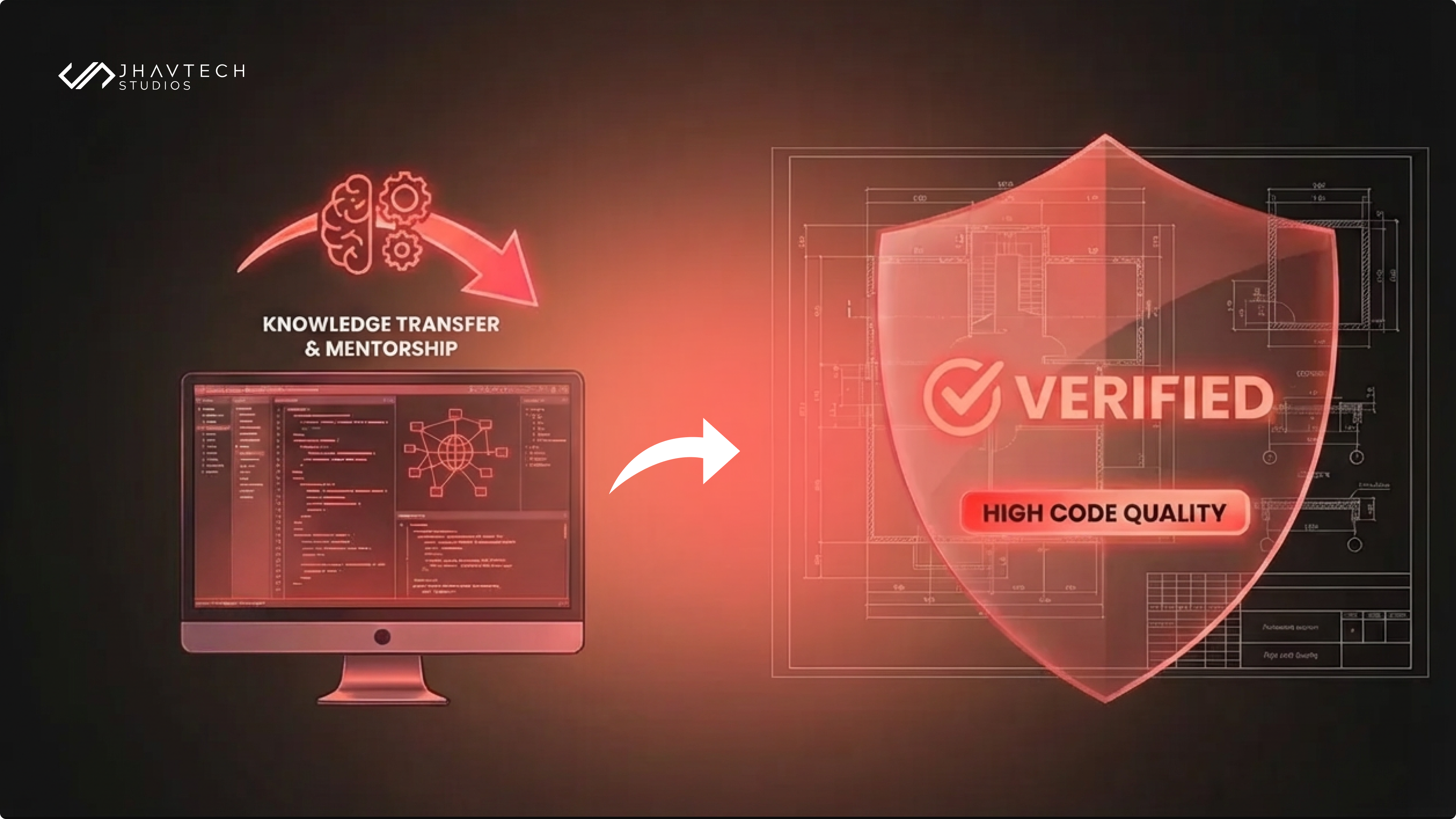
Think about it from a business perspective. Every line written is an investment. Ensuring that investment is sound, secure, and future proof is paramount. This is where the benefits of professional code review truly shine. It’s not just about debugging; it’s about knowledge transfer, skill improvement for the team, and most importantly, guaranteeing the overall code quality.
When an experienced external team conducts a code review, they bring a fresh pair of eyes and an objective perspective, unburdened by internal team dynamics or project biases. They can identify subtle flaws that an internal team might overlook due to familiarity or pressure. This independent assessment is critical for high-stakes projects or when onboarding new team members to an existing codebase.
More Than Just Fixing Bugs: A Learning Opportunity
A proper code review isn't a critique; it's a collaborative learning experience. It fosters a culture of excellence and continuous improvement. Imagine a junior developer getting direct, constructive feedback on their pull request from a senior. That’s invaluable mentorship in action. It helps them understand not just what to change, but why those changes improve the software. This kind of knowledge sharing elevates the entire team's capabilities.
For businesses engaged in app development, especially for complex mobile or web applications, the stakes are even higher. User experience, performance, and security are non-negotiable. A missed vulnerability or a performance bottleneck discovered late in the development cycle can lead to costly reworks and reputation damage. Proactive, expert scrutiny mitigates these risks significantly.
The Cost of Overlooking Code Health
The financial implications of skipping these checks are measurable. Industry studies show that the cost of fixing an error after release can be up to 100 times higher than catching it during the design or development phase. In 2026, where AI-generated code is flooding repositories, the risk of "almost right" code is higher than ever. Developers report that debugging AI-generated code often takes more time than writing it from scratch because the logic can be deceptively flawed.
A high-quality code review acts as a filter, ensuring that only the most robust, performant code makes it to production. It protects your brand and ensures that your software can evolve as your business grows. Without it, you are essentially gambling with your digital infrastructure.
When Things Go Sideways: The Role of Code Review in Recovery
Sometimes, despite best intentions, a software project can go off the rails. Deadlines are missed, budgets are blown, and the system becomes an unmanageable mess. This is often when a software project rescue becomes necessary. And guess what the very first step in such a recovery operation usually is? You guessed it: a comprehensive code review.
Before any attempt can be made to fix or salvage a troubled project, senior engineers need to understand the existing health of the system, identify the core issues, and assess the extent of the accumulated mess. A detailed analysis provides the critical insights needed to formulate a viable recovery plan, helping to untangle spaghetti code and put the project back on a stable path. Without this diagnostic step, attempting a rescue is like trying to fix an engine blindfolded.
The Jhavtech Studios Difference
At Jhavtech Studios, we understand that great software isn't just about functionality; it's about elegance, efficiency, and long-term viability. Our team of senior engineers brings years of experience across diverse industries to every code review. We dive deep, not just to find errors, but to identify architectural weaknesses, suggest performance optimizations, and ensure your work aligns with best practices and your business goals.
By partnering with an external team, you gain access to a level of scrutiny that internal teams often cannot provide due to "tunnel vision." We look at the big picture: how the code interacts with the database, how it handles concurrent users, and how easily a new developer can pick it up six months from now.
We're committed to helping you turn "fine" code into truly exceptional software. Don't let hidden issues sabotage your project. Invest in a professional code review and build a stronger, more resilient future for your software. Visit our website to learn more about how we can help you achieve technical excellence.
Very insightful analysis on the AI landscape. The shift towards open-source intelligence is indeed a major frontier. It's interesting to see how different regions are approaching the challenges of scaling LLMs. Thanks for sharing this perspective!