A Practical Guide to Protecting Yourself After a Car Accident
A car accident brings noise, stress, and fast decisions. You might feel sore, angry, embarrassed, or unsure what to do next.
The steps you take after the crash matter. They help protect your health, your claim, and your ability to explain the facts later.
Jacobs Injury Law guide you through a practical process after an automobile accident. It uses plain English and focuses on actions that help.
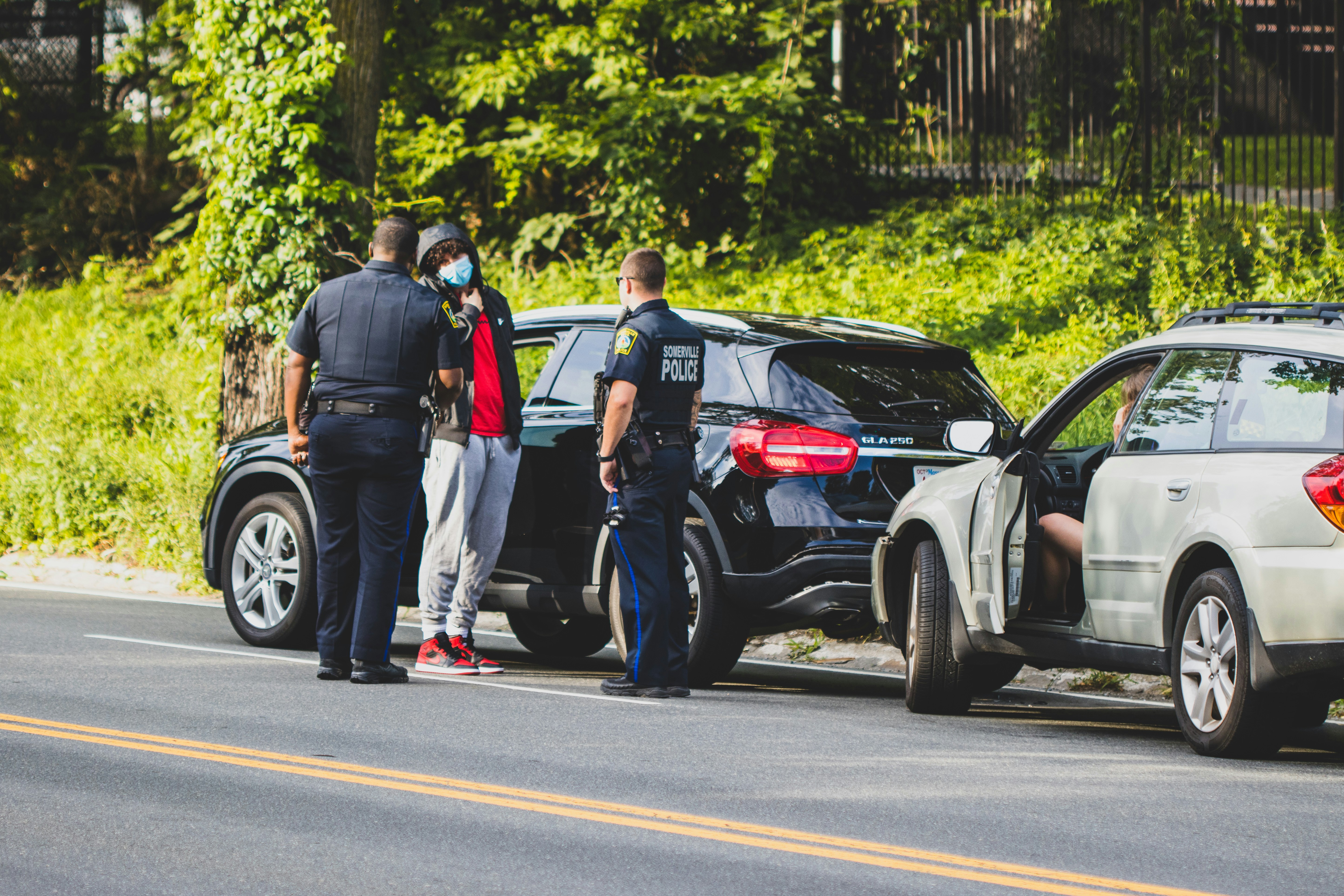
Check for injuries first
Start with people, not property. Check yourself, your passengers, and anyone in the other vehicle.
Call emergency services if anyone has pain, bleeding, dizziness, trouble breathing, confusion, neck pain, back pain, or signs of shock.
Do not assume you feel fine because you walked away. Many crash injuries show up later.
Common delayed symptoms include:
• Headaches
• Neck stiffness
• Back pain
• Shoulder pain
• Numbness
• Tingling
• Dizziness
• Knee pain
• Trouble sleeping
Get checked if symptoms appear.
Move vehicles only when safe
If the crash blocks traffic and the cars still drive safely, move to a safe area. Turn on hazard lights.
If moving the car feels unsafe, leave it and get away from traffic.
Take photos first if you safely have time. Road position helps show how the crash happened.
Call the police
A police report helps create a neutral record. Some insurance companies ask for it. Some states require it when injuries or major damage occur.
Tell the officer facts, not guesses.
Say what you know:
• Direction of travel
• Lane position
• Traffic signals
• Weather
• Speed estimate if you know it
• What the other driver did
• What you felt after impact
Do not guess about speed, distance, or fault. Guessing creates problems later.
Exchange information
Get basic information from every driver involved.
Collect:
• Name
• Phone number
• Address
• Driver’s license number
• Insurance company
• Policy number
• Vehicle plate number
• Vehicle make and model
• Owner name if different from driver
Also collect passenger and witness names.
Use your phone to photograph cards and plates. That reduces writing errors.
Take strong photos
Photos help because vehicles get repaired and scenes change.
Take photos of:
• All vehicles from every side
• Close-up damage
• Wide shots of the road
• Lane markings
• Traffic lights
• Stop signs
• Skid marks
• Debris
• Weather conditions
• Your injuries
• Airbags
• Seat belts
• Child seats
• Dash warning lights
Stand back for wide photos. Then move closer for detail.
Look for video
Video often matters in automobile accident claims. It might show speed, lane changes, signal lights, or impact angle.
Look for:
• Dash cameras
• Business cameras
• Doorbell cameras
• Parking lot cameras
• Traffic cameras
• Bus cameras
• Rideshare cameras
Write down locations. Video storage often expires fast.
Seek medical care
Medical care protects your health and connects injuries to the crash.
Tell the provider exactly what happened. Explain where your body moved on impact and where you feel pain.
For example:
• “My head hit the headrest”
• “My knee hit the dashboard”
• “The seat belt pulled across my shoulder”
• “My lower back hurt within an hour”
Specific details help your records.
Follow your treatment plan
A doctor might recommend rest, medication, imaging, therapy, or a specialist. Follow the plan as closely as possible.
Insurance companies often point to missed treatment and argue you healed or did not take the injury seriously.
If you stop care because of cost, scheduling, transportation, or fear, write that down. Tell your provider too.
Keep one claim folder
Organization reduces stress.
Your folder should include:
• Police report
• Photos
• Insurance letters
• Medical records
• Medical bills
• Repair estimates
• Rental car receipts
• Pay stubs
• Work notes
• Witness information
• Notes from phone calls
Keep digital copies too. Use simple file names with dates.
Notify your insurance company
Most auto policies require prompt notice. Report the crash even when the other driver caused it.
Stick to facts. You do not need to give long opinions.
Tell them:
• Date and time
• Location
• Vehicles involved
• Injuries known so far
• Police report number
• Basic damage
Ask what coverages apply. Your own policy might include medical payments coverage, uninsured motorist coverage, rental coverage, or collision coverage.
Be careful with recorded statements
The other driver’s insurance company might ask for a recorded statement. The adjuster might sound friendly and routine.
Recorded statements create risk when you feel sore, stressed, or unsure. You might guess about speed or say you feel okay before symptoms grow.
Use safe language:
• “I am still getting medical care”
• “I do not want to guess”
• “I need to review my records”
• “I do not know the full injury picture yet”
Never lie. Never exaggerate. Also, do not guess.
Understand fault
Fault depends on evidence. Police reports, photos, vehicle damage, witness statements, and traffic laws all matter.
Common fault issues include:
• Rear-end crashes
• Unsafe lane changes
• Left-turn collisions
• Running red lights
• Stop sign crashes
• Distracted driving
• Speeding
• Following too closely
• Driving under the influence
The crash type gives clues, but evidence decides the issue.
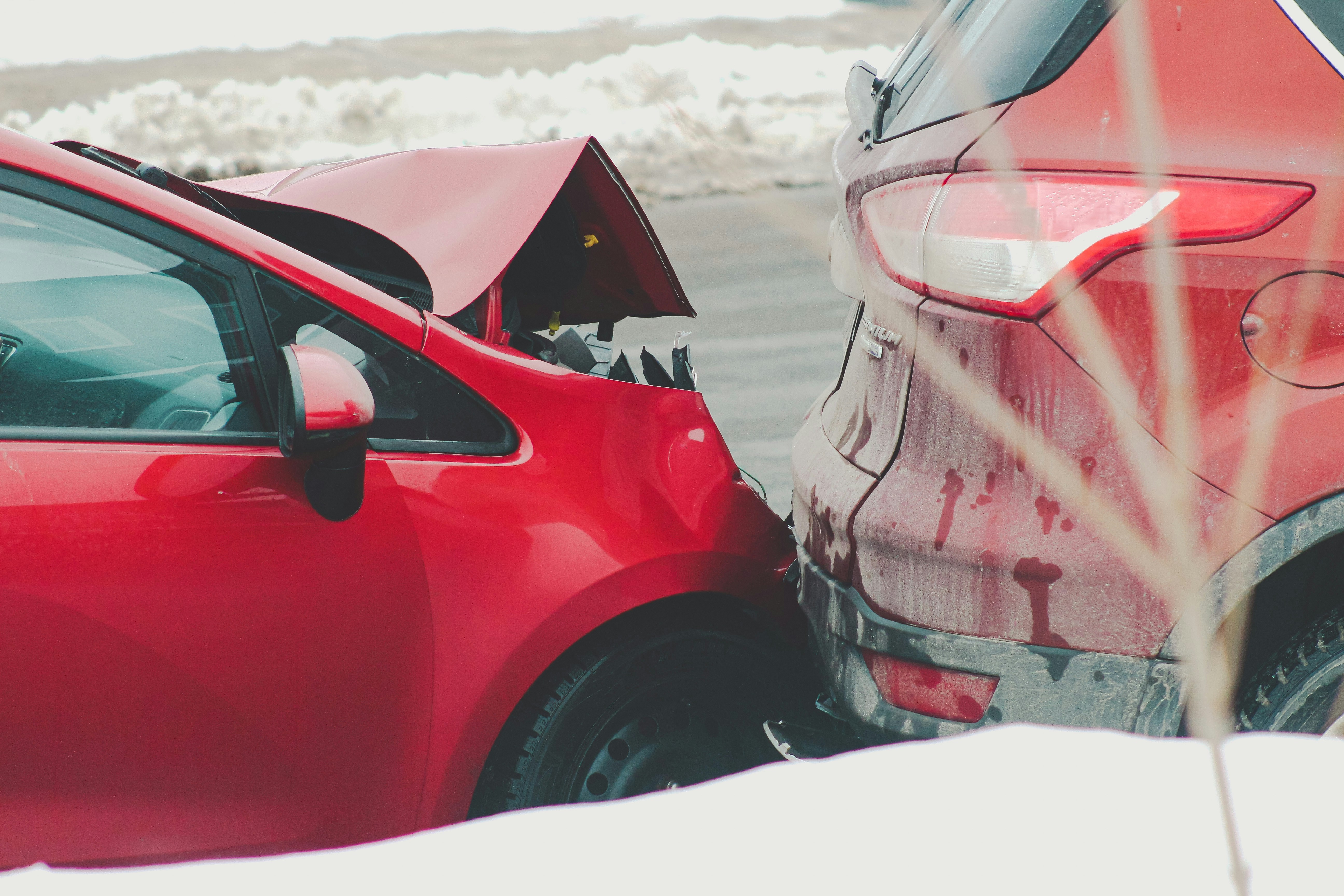
Rear-end crashes
Many people assume the rear driver always bears fault. Often, yes. Drivers should leave enough space to stop safely.
Still, insurers review details.
They might ask:
• Did the front driver stop suddenly?
• Did brake lights work?
• Did traffic slow?
• Did another vehicle cut in?
• Did weather affect stopping distance?
Photos, witness statements, and vehicle damage help answer these questions.
Left-turn crashes
Left-turn crashes often happen when one driver turns across traffic. The turning driver usually needs to yield.
But facts still matter.
Questions include:
• Did the oncoming driver speed?
• Was the light red or green?
• Did a turn arrow apply?
• Did any driver run the signal?
• Did visibility affect the turn?
Intersection evidence helps. Look for cameras and witnesses.
Distracted driving signs
Distracted driving includes texting, app use, eating, reaching, or looking away from the road.
Signs might include:
• No braking before impact
• Drifting lanes
• Delayed reaction
• Witness saw phone use
• Driver admitted distraction
• Phone visible in vehicle
Do not accuse without proof. Collect facts.
A neutral guide to car accident claims and insurance evidence helps you compare how different legal resources explain fault, damages, and settlement timing.
Reading that type of resource helps you avoid rushed decisions.
Track your damages
Damages means the losses caused by the crash.
They often include:
• Medical bills
• Future medical care
• Lost wages
• Reduced earning ability
• Vehicle repair or replacement
• Rental car costs
• Out-of-pocket expenses
• Pain and suffering
• Loss of normal activities
Pain and suffering means the human cost of an injury. It includes pain, stress, sleep problems, and limits on daily life.
Track missed work
Lost income needs proof.
Save:
• Pay stubs
• Employer notes
• Work schedules
• Tax records
• Doctor work restrictions
• Missed overtime records
• Self-employed invoices
• Job cancellation messages
If you own a small business, keep records of missed jobs, delayed contracts, and paid help you needed.
Save receipts
Out-of-pocket costs matter.
Save receipts for:
• Prescriptions
• Over-the-counter medicine
• Bandages
• Braces
• Transportation
• Parking at medical visits
• Rental car fees
• Towing
• Storage fees
• Replacement car seats
Take photos of receipts. Paper fades.
Know the risk of quick settlements
A quick settlement gives fast money, but it often closes your claim.
That means you pay later bills yourself.
Before settling, know:
• Your diagnosis
• Whether you need more care
• Whether you missed work
• Whether pain remains
• Whether any doctor expects long-term limits
• Whether health insurance needs repayment
• Whether vehicle damage has full documentation
A settlement should reflect the full picture, not the first week after the crash.
Do not ignore property damage details
Vehicle damage matters for transportation and sometimes injury proof.
Get repair estimates. Photograph damage before repairs. Keep towing and storage bills.
If the insurer declares your vehicle a total loss, ask how they calculated value. Review comparable vehicle prices, mileage, trim, condition, and recent repairs.
Do not forget personal items damaged in the crash, such as phones, glasses, laptops, child seats, or tools.
Social media mistakes after a crash
Posts create problems. Insurers might review public content.
Avoid posting about:
• The crash
• Your injuries
• The other driver
• Legal claims
• Work limits
• Physical activity
• Travel
• Settlement talks
A smiling photo does not show how you feel all day, but insurers might use it anyway.
Ask friends not to tag you in crash-related posts.
What if the other driver has no insurance
Uninsured drivers create extra stress. Your own policy might help if you bought uninsured motorist coverage.
You should report the crash to your insurer and ask about coverage.
You might also have collision coverage for vehicle damage or medical payments coverage for medical bills.
Policy language matters. Read it and ask questions.
What if the other driver leaves
A hit-and-run requires quick action.
Write down:
• Plate number or partial plate
• Vehicle color
• Vehicle type
• Damage location
• Direction of travel
• Driver description
• Time and location
• Witness names
• Camera locations
Call police. Report the crash to your insurance company. Ask about uninsured motorist coverage.
When multiple vehicles are involved
Multi-car crashes get complicated fast. Each driver might blame another.
Evidence matters more than opinions.
Collect information from every driver. Photograph all vehicles. Ask witnesses what they saw. Identify the first impact if possible.
Do not assume the loudest person knows what happened.
Why prior injuries matter
Insurance companies often review your medical history. They might argue your pain came from an old injury.
Be honest with medical providers about prior issues. Explain what changed after the crash.
For example:
• “I had mild back soreness before, but now pain runs down my leg”
• “My old knee injury healed, but the crash caused new swelling”
• “I had headaches years ago, but now they happen daily”
Clear records help separate old problems from new harm.
Compare legal resources with care
Good legal resources teach. Weak ones rely on fear or promises.
Look for pages that explain:
• Evidence
• Fault
• Insurance coverage
• Medical records
• Deadlines
• Damages
• Settlement risks
• Litigation basics
A practical reference on automobile accident injury cases offers a useful comparison point when you study how claims get built from records, photos, and medical proof.
Use resources to ask better questions, not to chase guarantees.
Your car accident checklist
Keep this checklist handy:
• Check for injuries
• Call emergency services
• Move to safety
• Call police
• Exchange information
• Take photos
• Gather witnesses
• Look for cameras
• Seek medical care
• Follow treatment
• Notify your insurer
• Save records
• Track lost income
• Save receipts
• Avoid quick settlement
• Watch what you post online
A car accident creates pressure. A clear process helps you slow things down.
Take care of your body first. Then protect the facts. Good records give you better choices.