Landscape and Geography of Punjab
Punjab, the largest province of Pakistan by population, is renowned for its natural beauty and geographical diversity. This region, known for its fertile lands, rivers, plains, and hills, presents a stunning landscape. The name "Punjab" is derived from two Persian words, Panj (five) and Ab (water), meaning "the land of five rivers." These five rivers—Jhelum, Chenab, Ravi, Sutlej, and Beas—define its identity and significance.
Punjab is located in the northeastern part of Pakistan. It shares its borders with Khyber Pakhtunkhwa to the north, India to the east, Balochistan to the west, and Sindh to the south. Covering an area of approximately 205,344 square kilometers, Punjab holds a central position in the country’s geography and economy.
Punjab’s topography varies significantly across its regions, each contributing to its rich diversity in culture, lifestyle, and economic activities. The province can broadly be divided into five distinct regions: the Potohar Plateau, the Salt Range, the Central Plains, the Thal Desert, and the Southern Punjab region. Each region has unique geographical features and influences the lifestyle of its inhabitants.
Located in the northern part of Punjab, the Potohar Plateau is characterized by undulating terrain, low hills, and flat valleys. The region is dotted with scrub forests and small rivers, making it distinct from the lush plains of central Punjab. The area is rich in history, housing ancient archaeological sites such as Taxila.
The people of Potohar are primarily engaged in rain-fed agriculture and livestock farming due to the scarcity of canal water. Wheat, barley, and millet are the main crops. Traditional stone houses, reflecting the rocky landscape, are common in rural areas. Urban centers like Rawalpindi serve as hubs of trade, education, and employment for the region.
Stretching from Jhelum to Kalabagh, the Salt Range is a picturesque mountainous area rich in minerals, particularly rock salt and gypsum. The region's rugged hills and gorges create a unique landscape, offering opportunities for eco-tourism. Khewra Salt Mine, the world's second-largest salt mine, is a major attraction.
The local population in this region is involved in mining, salt extraction, and small-scale agriculture. The lifestyle here is a blend of rural simplicity and industrial activity due to the mining sector's influence. Traditional festivals and a strong sense of community are hallmarks of the area's cultural life.
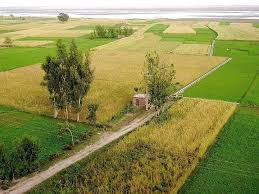
The central plains of Punjab are the heart of the province, encompassing cities like Lahore, Faisalabad, and Gujranwala. This region is part of the Indus River Basin and is characterized by its fertile alluvial soil, extensive canal systems, and lush green fields.
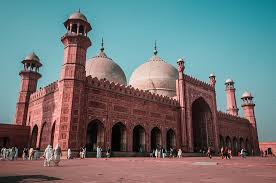
The agricultural economy dominates this region, with crops like wheat, rice, sugarcane, and cotton forming the backbone of the livelihoods. The lifestyle of the people is closely tied to farming, but urbanization in cities has introduced a modern, fast-paced way of life. Lahore, the provincial capital, is a cultural and historical hub, boasting landmarks such as the Badshahi Mosque and Lahore Fort.