The Future of Blockchain-Based Digital Identity Verification Systems
With the advent of today's digital age, identity verification is increasingly significant. People are accessing the internet every day to make bank account transactions, online shopping, job applications, enrollment in schools, and searching for government services. Throughout the activities, individuals are always requested to identify themselves. Typically, the most common identity systems rely on personal information in various databases, identity cards, usernames, and passwords. But these conventional methods face a number of issues. Personal data may be accessed, misappropriated or stolen without permission. This is why blockchain-based digital identity verification systems are becoming more popular. I think the future of digital identity will be transformed by blockchain technology due to its enhanced security, privacy, and trust.
Blockchain is a digital technology that consists of blocks linked together that store information. After the information is entered into the blockchain, it is very hard to alter or remove. Blockchain, rather than storing information in a single computer, stores copies of information on many computers. This will ensure that the system is more secure as there is no single point, from which hackers can easily attack the system. Each transaction is confirmed and verified by the network before it becomes permanent. Because of this, many people worldwide trust blockchain.
With the blockchain digital identity system, individuals have control over their personal data. They do not have to provide all details whenever they need to be sure about their identity, but just the information which is needed. For instance, for proving they are over 18 years, they need not disclose their complete date of birth or home address. All they need to do is provide evidence of the age they need to meet the requirements. This is one of the greatest benefits, as it helps to preserve people's privacy while simultaneously verifying their identity.
Security's one of the primary advantages of blockchain ID verification. Today, many organizations keep large databases containing personal information. Once hackers get into one database, millions of people's identities could be released. This has occurred numerous times in other parts of the world. The information is safeguarded with advanced encryption and distributed storage with blockchain. There's no central repository so it is significantly more difficult for cybercriminals to acquire personal data. This helps to minimize ID theft and online fraud.
The other benefit is also the convenience. A lot of people are the users of multiple online accounts, each having different username and passwords. Forgetting a password or keycard can be a common occurrence. Blockchain-based identity systems could enable people to have a single trusted identity that can be used across numerous websites and services. This makes it easier to log in, quicker to verify and a better online experience. I think it will save time for people using digital services and alleviate stress.
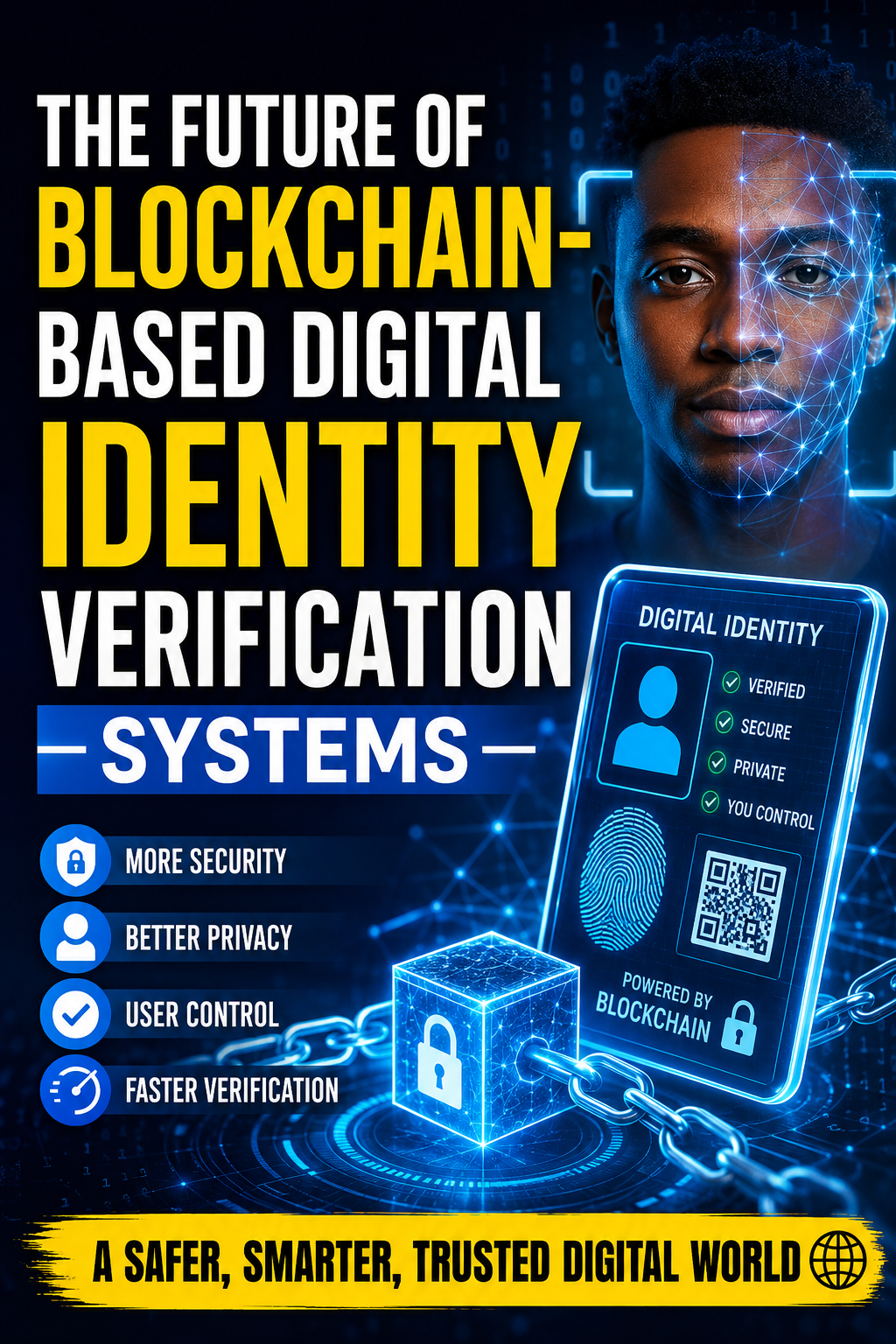
Blockchain identity systems can enhance government services as well. Governments can issue birth certificates, national identity cards, driver's licenses and passports. These documents tend to be costly and sometimes time-consuming to manage. Governments could record verified digital identities on blockchain networks in the future. The citizens would be able to vote, pay taxes, obtain social benefits and medical services online, using secure digital identity. Many public services would be faster, safer and easier for all.
Blockchain identity verification is useful in the healthcare industry as well. When patients are admitted to hospitals and clinics, they must be identified before they can be treated. Information may be challenging to transfer between hospitals as it is kept in different systems. Blockchain could provide secure digital identities for patients that could be linked to their medical records. They would determine who will have access to their information. This may enhance the treatment of patients and ensure privacy.
Blockchain identity systems can also be adopted by banks and financial institutions in the future. Banks have to confirm the identity of customers before opening an account or approving a loan. This can be time consuming and cumbersome, especially if a lot of documents are needed. Blockchain can help to enhance the speed of identity verification, as customers would already have trusted digital identities. This would minimise paperwork, help to cut costs and bring in better customer service. It would also aid financial institutions in combating fraud and money laundering.
Another area where blockchain is poised to impact education is in learning management systems.Another space where blockchain will likely help education is with the Learning Management System. Certificates and academic records are awarded by schools and universities. Unfortunately, it is quite a problem that certain countries are plagued with fake certificates. Employers and universities would be able to easily confirm the authenticity of the certificate by storing the certificate on the blockchain. Students would also have an easier time presenting their qualifications in job applications or for additional studies.
Although there are a number of advantages to using blockchain, there are also a number of challenges. The use of modern technology, uninterrupted internet connection, and technical expertise are required to create blockchain identity systems. However, there are challenges in many developing countries, such as weak internet, and limited digital infrastructure. Certain people are also not well informed of the working of blockchain and are not sure about using it. New systems and simple, easy-to-use education must be created to inform the public and educate the government.
Legal and privacy concerns remain to be addressed. Personal information and digital identity laws vary from country to country. To balance innovation with protection of users, governments, businesses and technology experts will have to collaborate to develop rules. International cooperation will also be essential as users of online services span countries and regulations in those countries differ.
I think in the future, blockchain will be more widely used for digital identity verification systems. As the technology further evolves, the more that companies will begin to use it to safeguard customer information and streamline identity verification. Artificial intelligence, cloud and blockchain can even collaborate to make a smarter and safer digital identity solution. This may help improve the security of online activities and lower the possibilities of identity theft.
Overall, the prospects for blockchain-powered digital identity verification systems are bright. Blockchain offers enhanced security, improved privacy, quick verification, and increased control over personal data. It can significantly transform banking, healthcare, education, government services and much more. While some issues remain, ongoing technological progress and more people knowing about it will help resolve the challenges. I feel that blockchain can be a significant contributor to building a safer and more trusted digital world where people are able to confidently demonstrate their identity and have a peace of mind that their identities are trusted.