The Future of Cryptocurrency Wallet Security and Digital Asset Protection
Cryptocurrency has emerged as one of the greatest inventions of the digital world. There are several people out there who are now utilizing cryptocurrencies such as Bitcoin, Ethereum, and many other digital coins for sending money, investing and making payments online. With every passing day, the number of users engaging in cryptocurrency transactions continues to rise, making the importance of safeguarding digital assets even greater. A cryptocurrency wallet is a device whose use lets people maintain, move and receive digital coins. A cryptocurrency wallet stores private keys which unlock digital assets, as opposed to a traditional wallet that stores cash. If they are stolen or lost, the owner could lose all of his money for good. For this reason, I feel wallet security will be one of the most vital components in the cryptocurrency business in the years to come.
With the advancement of technology, hackers are getting smarter by the year. They develop fake websites, phishing emails, malware, and a lot more methods to obtain people's wallet information. A lot of people have already been losing millions of dollars, simply because they did not secure their private keys or recovery phrases. This indicates that security for cryptocurrencies isn't just about technology, it's additionally about understanding. There needs to be more education around how to manage their wallet safely before people decide to invest the money they have into a digital asset.
Cryptocurrency wallets will be even more secure in the future than they are now. Security experts are already on the case to create better security systems that will keep hackers at bay before they ever get involved. The wallets might contain more robust encryption, which means that it would be virtually impossible for a crook to gain access to the wallet. AI will also be able to identify unusual activities. For instance, an out-of-country or unfamiliar device attempt to log into a wallet could prompt additional verification upon login.
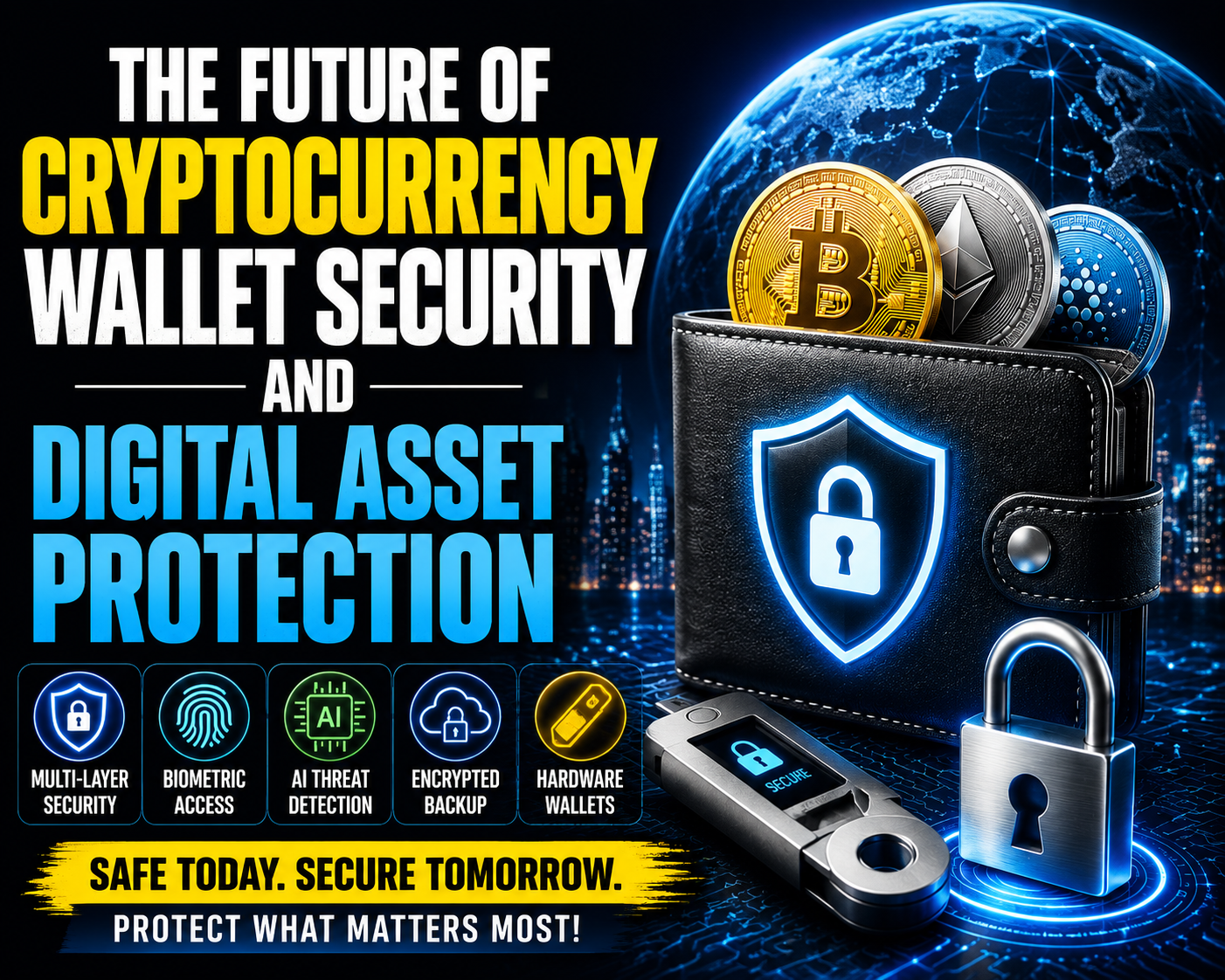
Biometric security will also be more prominent in safeguarding crypto wallets. There are already smartphones on the market that unlock using fingerprint scanners and face-recognition. These technologies could be even more important with cryptocurrency wallets in the future. Rather than having to recall long passwords, users can now login to their digital assets with their fingerprints, face scans, or even with voice recognition. Biometric data is much more difficult to duplicate than regular passwords, which can enhance both security and convenience.
One of the significant enhancements will be the increased adoption of hardware wallets. The hardware wallets are small physical devices, which store the private keys offline. Compared to more connected devices, they are not connected to the internet very often, making it much more difficult for a hacker to attack them. I think the hardware wallet will get less expensive, more accessible to the average person and more popular as more people adopt the cryptocurrency market. They may be more likely to be selected by individuals to safeguard their future investments.
Multi-factor authentication will also be beefed up in the future. Many wallets already have passwords and verification codes in modern times. The future wallets could come with a mix of all these features: passwords, fingerprints, security keys, and AI monitoring. This is because if the hacker manages to compromise one security measure, he or she is still unable to break in to the wallet without bypassing multiple other security measures. This layered security can help significantly lower the odds of theft.
Cloud technology could also help enhance wallet security. Some people are concerned about keeping recovery phrases on paper, which can be lost, torn or stolen. In the future wallet providers can develop highly encrypted cloud backup system that will be able to store wallet recovery information safely without making it vulnerable to hackers. Additionally, users may have an easier time recovering their wallets if they lose their devices, and still maintain security for their digital assets.
Governments or financial institutions can also help enhance the security of cryptocurrencies. With digital assets gaining traction globally, numerous nations could pass more comprehensive laws that would foster wallet providers to adopt a more secure approach. These rules can mitigate fraud, enhance consumer protection, and build consumer trust in cryptocurrencies. I think this will help make people more comfortable using digital currencies in their everyday life.
Education will remain as one of the best protection measures. A lot of cryptocurrency losses occur simply due to a few basic errors, like divulging the recovery phrase or clicking links that are not genuine. wallet companies can offer improved security training, alerts, and learning resources within their apps in the future. Digital asset security can be taught to more people in the schools, universities, and online learning platforms. If users are aware of these dangers, they are less likely to fall for the scams.
Another fascinating thing that has been happening is decentralized identity systems. These systems enable users to authenticate themselves without divulging too much personal data. Wallets can be more secure and private than using just a username and password, by implementing secure digital identities. This can help to make cryptocurrency transactions more secure and efficient.
Another technology that could impact the security of cryptocurrencies in the future is quantum computing. Though quantum computers are in the early stages of development, they could one day be strong enough to crack some of the existing encryption methods. As a result, researchers are already developing quantum resistant cryptography. These more robust security measures could be implemented by future cryptocurrency wallets for the protection of digital assets, even from a sophisticated computer. This is an indication that wallet security has to keep evolving with the technology.
To sum it up, the future of cryptocurrency wallet security and digital asset protection is looking bright. Artificial Intelligence, biometric authentication, hardware wallets, cloud security, decentralized identity, and quantum-resistant encryption are just a few of the new technologies that will contribute to making cryptocurrency much safer. Meanwhile, users need to keep up their education on how to safeguard their wallets and steer clear of online scams. I think security and education will always go hand in hand in regards to the security of digital assets. The rise of cryptocurrencies in worldwide demand will ensure that people have even more reasons to invest, store, and utilize digital currencies safely in their daily lives as cryptocurrency wallet security becomes stronger.
https://x.com/i/status/2078420912647422131
https://coinmarketcap.com/currencies/pussfi/
https://x.com/i/status/2074764888006709589
Note:-
Regards, @adeljose