Bitcoin, digital gold? | Personal opinion
Good day, PussFi friends! Happy start to the week and the month, I hope you're all doing well. There are concepts that become ingrained in the collective consciousness and begin to be repeated almost as absolute truths. One of them is that Bitcoin is the “digital gold”. It's been said so many times that many take it for granted, as if it were a natural and unquestionable equivalence. But reality, like almost everything in economics, has nuances, and it's worth taking the time to analyze them.
Right now, we're seeing strong tensions on the international stage, with conflicts involving Iran, Israel, and the United States. And every time something like this happens, the markets react. The interesting thing is that, while gold tends to rise in the face of war or high geopolitical uncertainty, Bitcoin often falls. Then the logical question arises: if it's supposed to be digital gold, why doesn't it behave the same way when it should most?
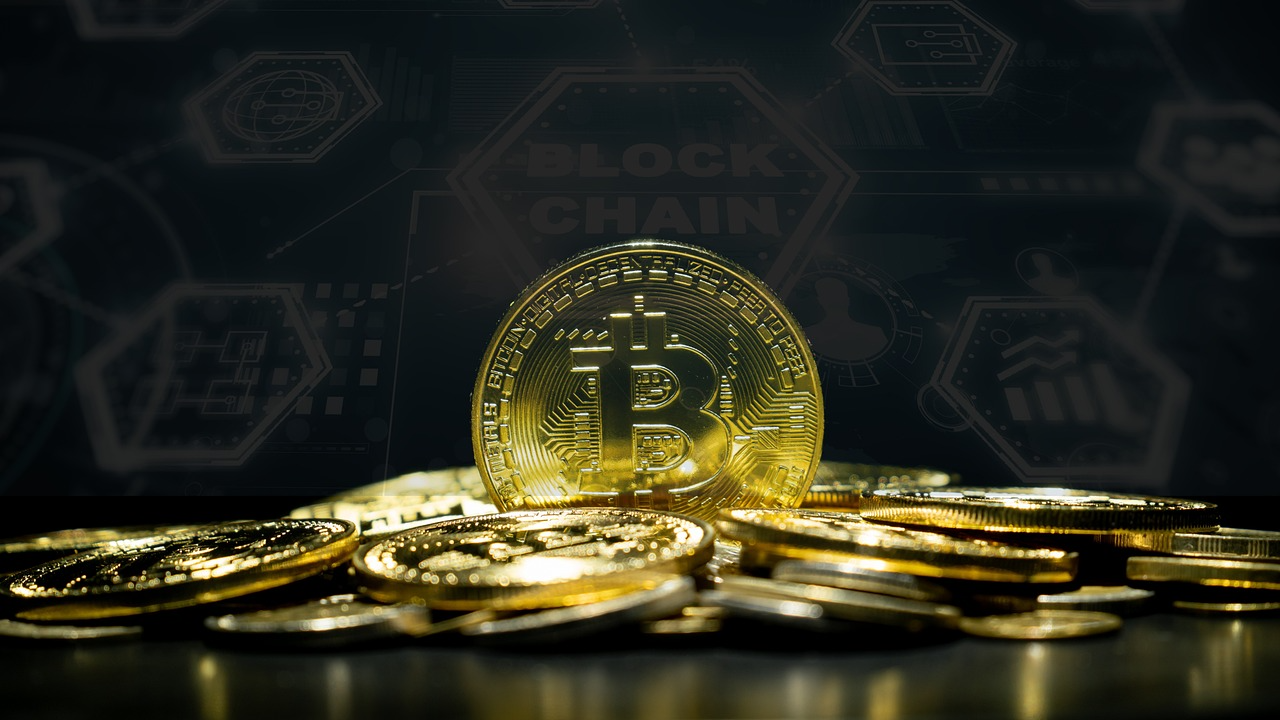
This is where theory clashes with practice. Gold has been a traditional safe haven for centuries. When there are major wars, financial crises, or global fears, money tends to seek out assets considered safe. Gold has had this established narrative for a very long time. Bitcoin, on the other hand, is relatively young and is still in the process of solidifying its definitive role within the global financial system.
But there's another factor that's rarely mentioned and that I think is key. Many of these attacks or high-impact geopolitical events tend to occur on weekends. And what happens on weekends? Traditional markets are closed. You can't buy gold on the stock exchange in real time, nor oil, nor stocks. In contrast, the crypto market is open 24/7. It's liquid, immediate, and global.

So, faced with high-impact news on a Saturday night, what's the easiest thing to sell for immediate liquidity? Bitcoin. It can be sold in seconds, without waiting for any markets to open. This can lead to rapid price drops, not necessarily because it has lost its safe-haven narrative, but because it becomes the most accessible source of cash at that moment.
Now, it's likely that when traditional markets open, gold and oil will react positively, as historically tends to happen in contexts of major war. But in the initial moment of the shock, the only fully operational market is crypto. And that distorts the direct comparison.
This doesn't mean that Bitcoin is or isn't digital gold. It means that its behavior is influenced by its own market structure. It's a young, highly liquid asset with a strong speculative presence and is available at all times. Gold, on the other hand, has a more institutional dynamic, with a slower immediate reaction outside of trading hours.
I'll be particularly attentive to the market opening, especially the New York Stock Exchange. I'm interested to see how gold, oil, and traditional indices behave when they resume trading. That's where we can more clearly analyze whether Bitcoin's drop was simply a momentary search for liquidity or if there's a deeper shift in market perception.
As always, this is just a thought. The market is never black and white; it always has shades of gray. And I'd like to know what you think. Is Bitcoin truly digital gold, or does it still have a way to go to establish itself as a safe haven in times of war? Goodbye, take care.


🎉 Congratulations!
Your post has been upvoted by the SteemX Team! 🚀
SteemX is a modern, user-friendly and powerful platform built for the Steem community.
🔗 Visit us: www.steemx.org
✅ Support our work — Vote for our witness: bountyking5
https://x.com/i/status/2028271400637640944
https://x.com/i/status/2028270948323877172
Note:-
Regards, @adeljose