Why do we spend more without realizing it? | Personal Opinion
Hello friends of the PussFi community, good day to all. Today I was thinking about something very interesting, and this idea came from a video I saw recently, in which they talked about how before, when virtual money wasn't used and digital transactions didn't exist as they do today, everything was paid for with physical cash, and that made people, in a way, more careful with their money. I kept thinking about that, because although it seems simple, it has more depth than one might think.
Because it's no secret that when we carry cash, our perception of spending is completely different. For example, here in Colombia, when you have a 100,000-peso bill, which is about 25 dollars, you look at it, feel it, and hold onto it carefully… but the moment you start using it, you realize how quickly it disappears. You buy two or three things, and it's practically gone. You're fully aware of the expense because you're watching it slip through your fingers.
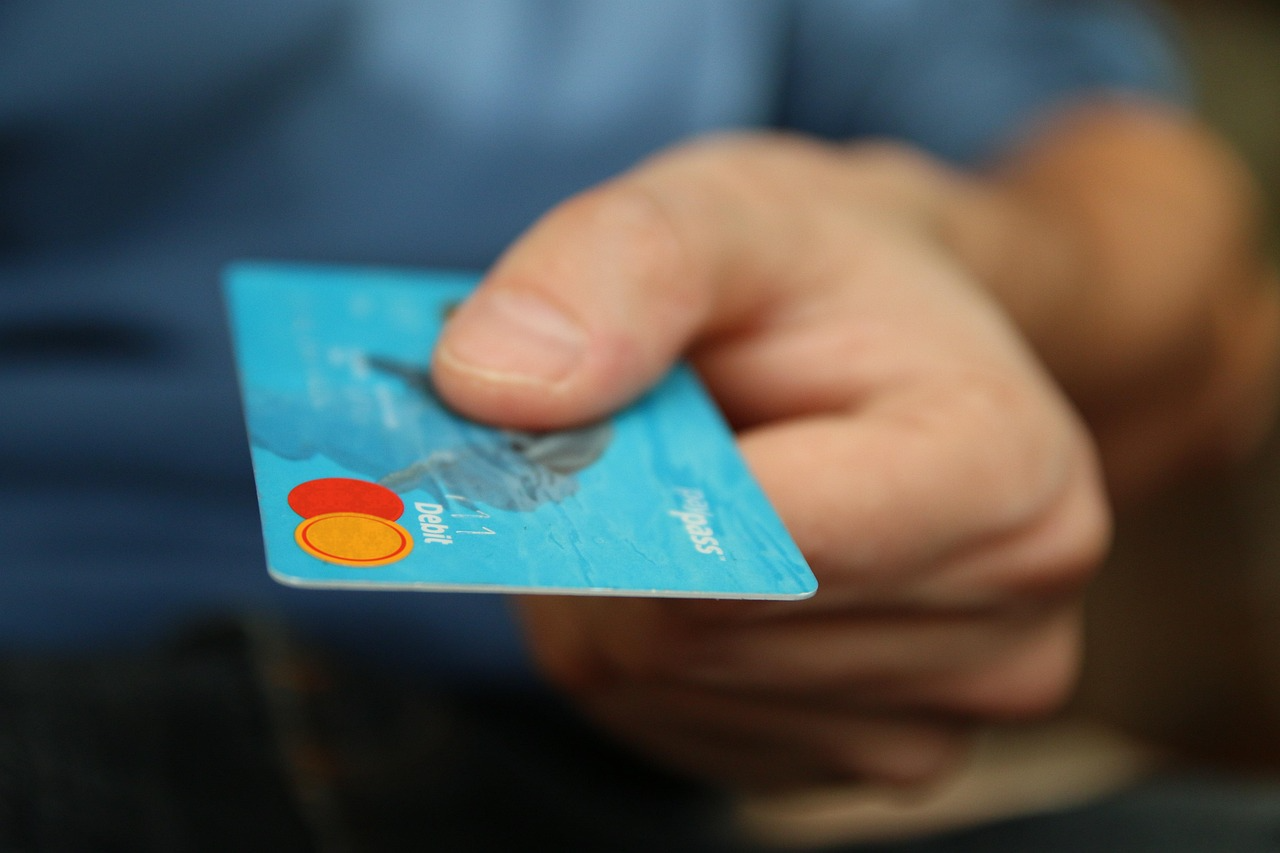
Now, when the payment is digital, things change. You swipe your card, make a transfer, pay with your phone… and that's it. There isn't that same "visual impact" or that tangible feeling of loss. It's as if the money isn't real, or at least, it doesn't feel the same. And this isn't just a personal perception; it's a fact that has been studied. People's behavior changes depending on whether they use cash or digital payment methods.
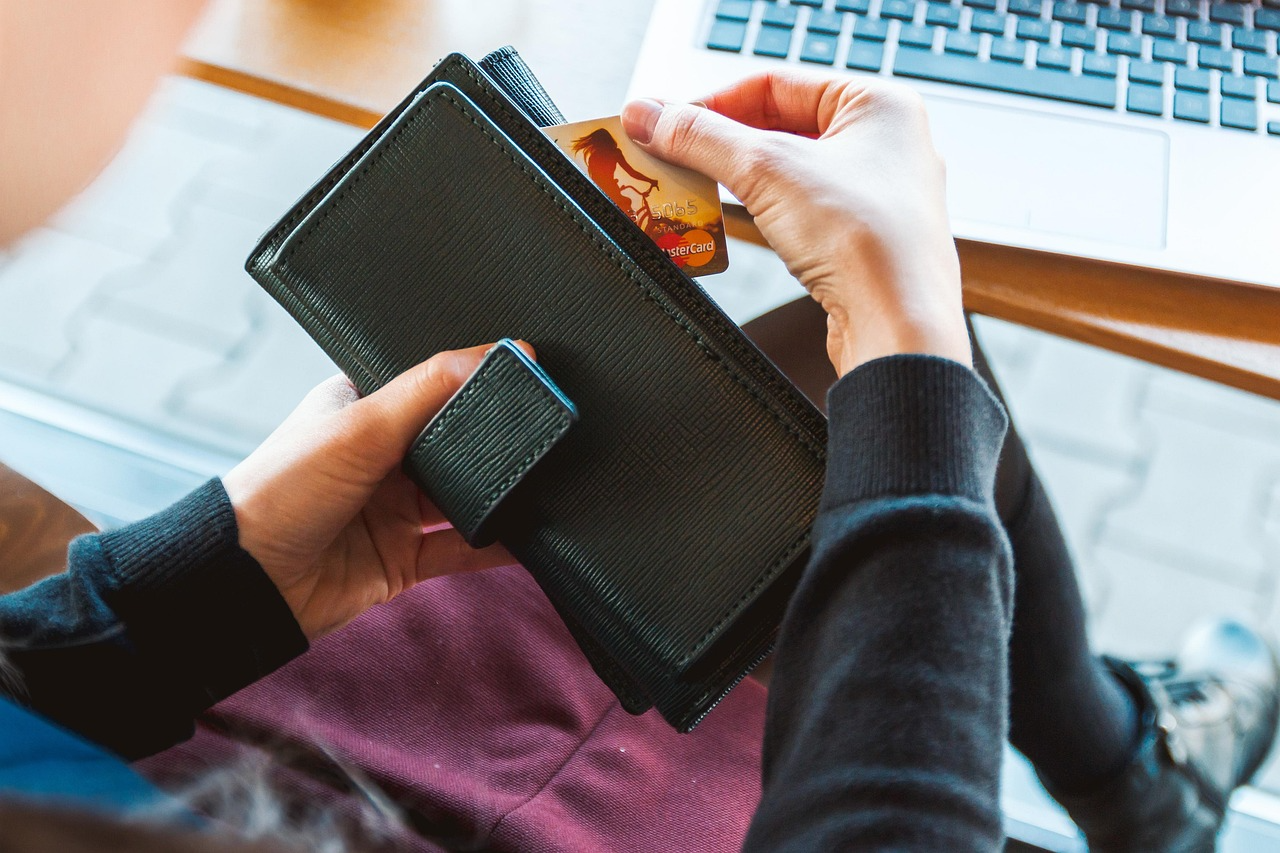
And here's where it gets interesting. Most likely—and this is just my opinion—the fact that most money is digital these days has led people to spend more, go into more debt, and ultimately harm their finances without realizing it. Because when you don't feel like you're losing something physical, the act of spending becomes easier, more automatic, less thoughtful.
In a way, spending cash is associated with a kind of "pain." Yes, it sounds exaggerated, but it's true. There's a discomfort in parting with something you hold in your hand. Whereas when you pay virtually, that "pain" is significantly reduced. It doesn't disappear entirely, of course, but it's not the same. It's easier to say, "Oh well, it's no big deal," and keep spending.
And we see this every day. Subscriptions that renew automatically, impulse online purchases, small payments that seem insignificant but add up to a considerable amount at the end of the month. All of this is easier when money doesn't physically pass through your hands.
Look, I'm not saying digital is bad. Not at all. In fact, it has many advantages: it's faster, more convenient, and more secure in many cases. But like everything, it has its nuances. And one of those nuances is precisely this one, which changes our relationship with money.
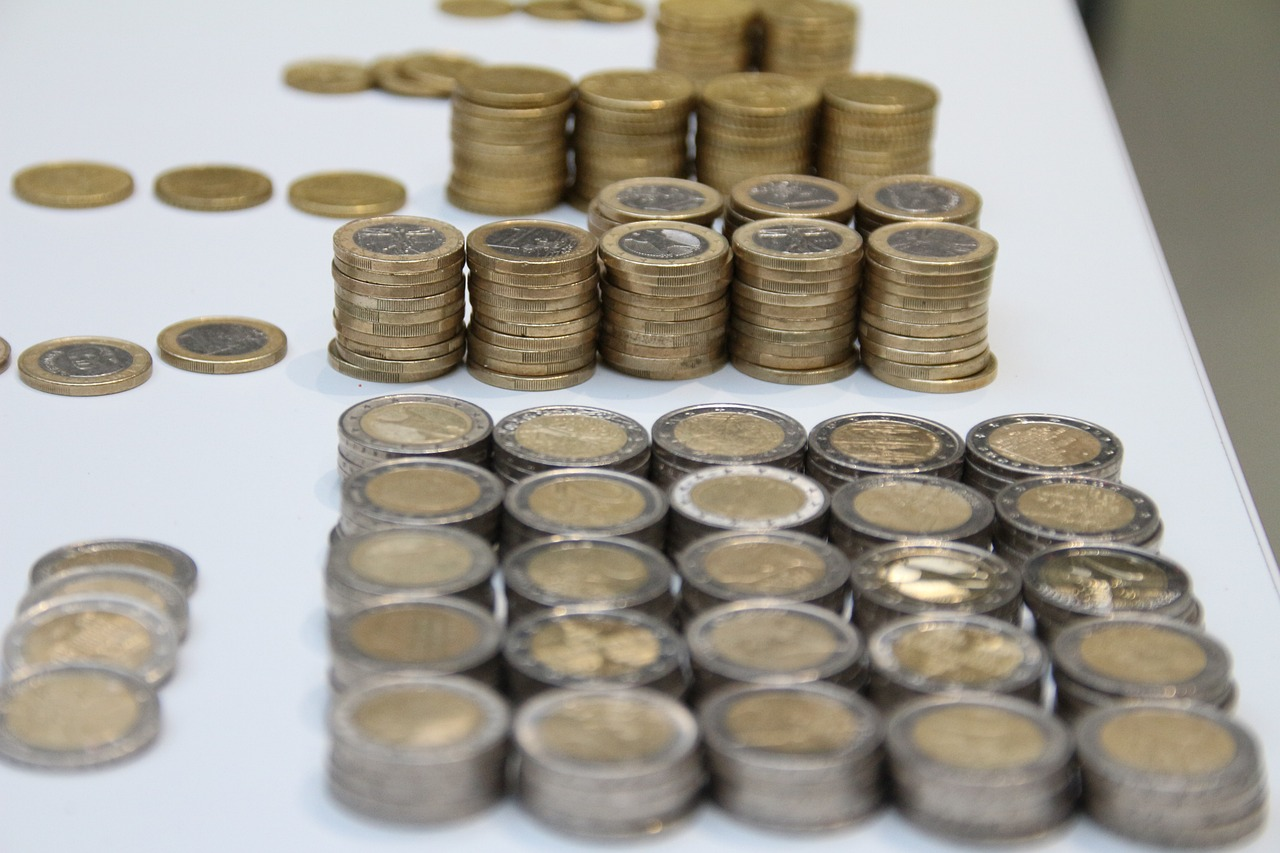
Antes, quizás, uno pensaba dos veces antes de gastar, porque sabía exactamente cuánto le quedaba en el bolsillo. Hoy en día, muchas veces ni siquiera revisamos cuánto hemos gastado hasta que vemos el extracto bancario… y ahí sí llega el golpe.
Entonces, más allá de criticar o no el sistema actual, creo que la reflexión va por otro lado. Se trata de tomar conciencia. De entender cómo estos cambios afectan nuestro comportamiento, y de adaptarnos a ellos de forma inteligente. Porque al final, no es el dinero digital el problema, sino cómo lo usamos.
¿Les ha pasado esto? ¿Habían pensado en ello? Los leo en los comentarios, que este tema da para bastante.


https://x.com/i/status/2041252974857474265
https://x.com/i/status/2041253557207208274
🎉 Congratulations!
Your post has been upvoted by the SteemX Team! 🚀
SteemX is a modern, user-friendly and powerful platform built for the Steem community.
🔗 Visit us: www.steemx.org
✅ Support our work — Vote for our witness: bountyking5
Note:-
Regards, @adeljose