Why Concrete Testing Is Important for Construction Quality
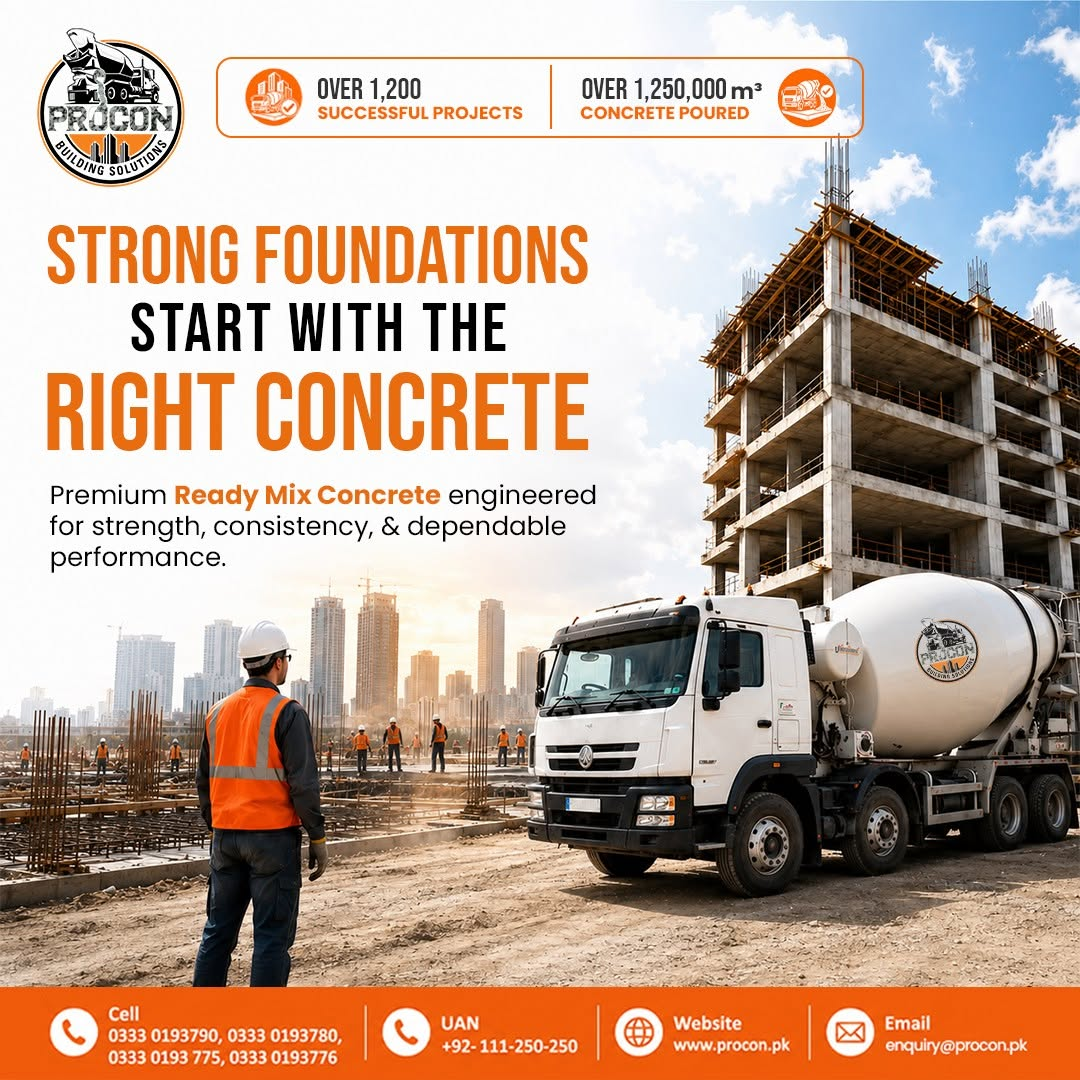
In modern structural engineering, building safety relies heavily on material verification, quality control, and strict compliance with design standards. Concrete serves as the load-bearing backbone for foundations, shear walls, columns, and floor slabs in both residential homes and commercial high-rises. However, assuming that unhardened concrete will perform as expected without verification introduces severe structural and financial risks. Implementing rigorous testing protocols and sourcing certified ready made concrete Karachi solutions from computerized batching plants ensures that every delivered batch meets specified load-bearing and durability requirements.
The Purpose of Field and Laboratory Concrete Testing
Concrete testing evaluates both fresh and hardened material properties to confirm that field performance aligns with engineering blueprints. Rather than relying on visual inspection or guesswork, standardized testing methods provide objective, quantifiable data regarding material behavior, consistency, and structural capacity:
- Fresh Concrete Testing: Evaluates workability, temperature, and density immediately upon arrival at the job site before placement begins.
- Hardened Concrete Testing: Measures compressive and flexural strength gain at specific time intervals, typically 7, 14, and 28 days post-pour.
Essential Concrete Quality Tests
1. The Slump Test for Workability and Consistency
Conducted on fresh concrete immediately after dispatch, the slump cone test measures consistency and flowability. A sudden increase or decrease in slump indicates unauthorized site water addition, fluctuating aggregate moisture, or improper batching, warning engineers before the material is placed into formwork.
2. Compressive Strength Cube and Cylinder Testing
To measure load capacity, fresh samples are cast into standardized steel molds, cured in controlled water tanks, and subjected to crushing tests using hydraulic compression machines. Evaluating compressive strength at 7 and 28 days verifies whether the concrete achieves its designated megapascal (MPa) rating to support vertical structural loads safely.
3. Core Testing for Existing Structures
When sample cubes fail to meet target strength thresholds or when evaluating older buildings, destructive core drilling extracts hardened cylinders directly from structural members. Core testing provides definitive proof of in-situ concrete quality and density.
4. Non-Destructive Testing (NDT)
Methods such as rebound hammer tests and ultrasonic pulse velocity measure surface hardness and internal matrix density without damaging structural columns or beams, identifying internal voids or honeycombing early in the construction process.
Operational Risks of Neglecting Material Testing
Omitting quality testing can lead to catastrophic structural defects that stall project execution:
- Early Formwork Removal Failure: Stripping formwork before concrete achieves adequate early strength causes surface deflection, cracking, or structural collapse.
- Accelerated Steel Corrosion: High matrix porosity or unverified chemical compositions allow coastal humidity and aggressive soil chemicals to reach internal steel rebar, causing rust, expansion, and concrete spalling.
- Costly Structural Rework: Discovering low strength after vertical floors are poured requires expensive structural jacketing, retrofitting, or partial demolition.
The Advantage of Factory Quality Control
Automated ready-mix facilities maintain continuous quality assurance protocols. Raw aggregates, sand, and cement undergo regular screening for purity, while digital load cells weigh inputs to exact tolerances. Testing every batch guarantees full traceability, verified compliance, and structural reliability.
Conclusion
Systematic concrete testing is an essential quality assurance protocol that protects structural safety, ensures code compliance, and safeguards financial investments. Verifying workability, slump, and compressive strength prevents costly structural repairs and guarantees that building elements support intended operational loads over their service life. Securing fully tested, certified materials through trusted suppliers for ready made concrete Karachi ensures every structural pour is executed with verified quality, engineering precision, and complete structural confidence.
Survey No. 423, Ibrahim Hydri, behind Bol head quarter, Korangi creek road, Karachi-74900
+92 21 111 250 250