Roof Inspection Reports That Reduce Real Estate Surprises
A roof issue changes a real estate deal fast. One leak note in a disclosure packet can shift negotiations. A buyer sees “end of life” language and worries about hidden rot. A seller hears “needs repair” and feels stuck without clear next steps.
A roof inspection report brings clarity when it is specific, photo-based, and tied to repair recommendations with defined locations. In coastal and near-coastal parts of Santa Cruz County, moisture and wind add wear. In Santa Clara County, heat and UV stress underlayment and flashings. Both counties include older homes with layered remodel work, which often hides patch repairs and mismatched materials.
Roof inspection vs home inspection
A general home inspection often includes a roof overview from the ground or from limited access points. A roof inspection focuses on roof-specific details and usually includes closer evaluation of transitions and penetrations.
A roof-focused inspection often covers:
• Roof surface condition by slope and plane
• Flashing at walls, chimneys, skylights, and vents
• Valleys and drainage pathways
• Gutters and downspouts, where visible
• Signs of past repairs and patching
• Attic observations when access exists, such as staining and ventilation clues
• A written report with photos and repair notes
The Daddario Roofing Company, Inc. report page lists roof inspections, roof inspection reports, and roof consultation under its real estate roof inspection services, which is helpful when you compare inspection scope and report detail expectations.
Timing: when to schedule a roof inspection during a transaction
Sellers
A pre-listing roof inspection supports clearer disclosures and reduces last-minute surprises during buyer investigations. It also gives time to plan repairs and gather documentation, including permits and invoices where applicable.
Buyers
A roof inspection during the contingency window helps evaluate risk. It also helps separate minor repairs from major replacement scope. Buyers benefit most from a report that states:
• Immediate repair items
• Medium-term maintenance items
• Estimated remaining service life language with clear assumptions
Avoid relying on vague statements. Roof life depends on ventilation, roof geometry, and maintenance, not only material type.

What a strong roof inspection report includes
A usable report reads like a map, not a summary paragraph.
Look for:
• Photos labeled by location, such as “rear valley near chimney”
• A roof plan sketch or clear directional language
• Condition notes by roof plane, not only “roof”
• Flashing notes by penetration type
• Drainage notes, including gutters and downspouts where visible
• Repair recommendations tied to specific locations
• A note on access limits, such as steep slopes or blocked attic areas
Ask for a list of “monitor” items too. Some conditions do not require immediate repair, yet they do need tracking.
Common real estate roof issues in Santa Cruz and Santa Clara Counties
Moisture and coastal exposure
In Santa Cruz County, fog and coastal moisture keep roofs damp longer. That raises moss growth, fastener corrosion, and flashing edge wear. Valleys under tree cover collect debris and stay wet.
Heat and UV stress
In Santa Clara County, heat stresses underlayment, sealants, and roof coatings. Attic heat also raises wear on ducting and roof deck components, which can show up in attic inspection notes.
Older homes and mixed roofing eras
Many homes have sections added over time, porch roofs, bay window roofs, or additions with low-slope transitions. Those joints are common leak points. Ask the inspector to focus on transitions between old and new sections.
Inspection scope beyond the roof surface
A roof inspection that ignores attic and ventilation context misses key risks. Ask for notes on:
• Attic ventilation balance, intake and exhaust
• Bathroom fan duct terminations, which sometimes vent into attics
• Signs of past leaks that were painted over
• Decking condition when visible from the attic
If the home has a low-slope section, ask for details on membrane condition, seams, and drainage points.
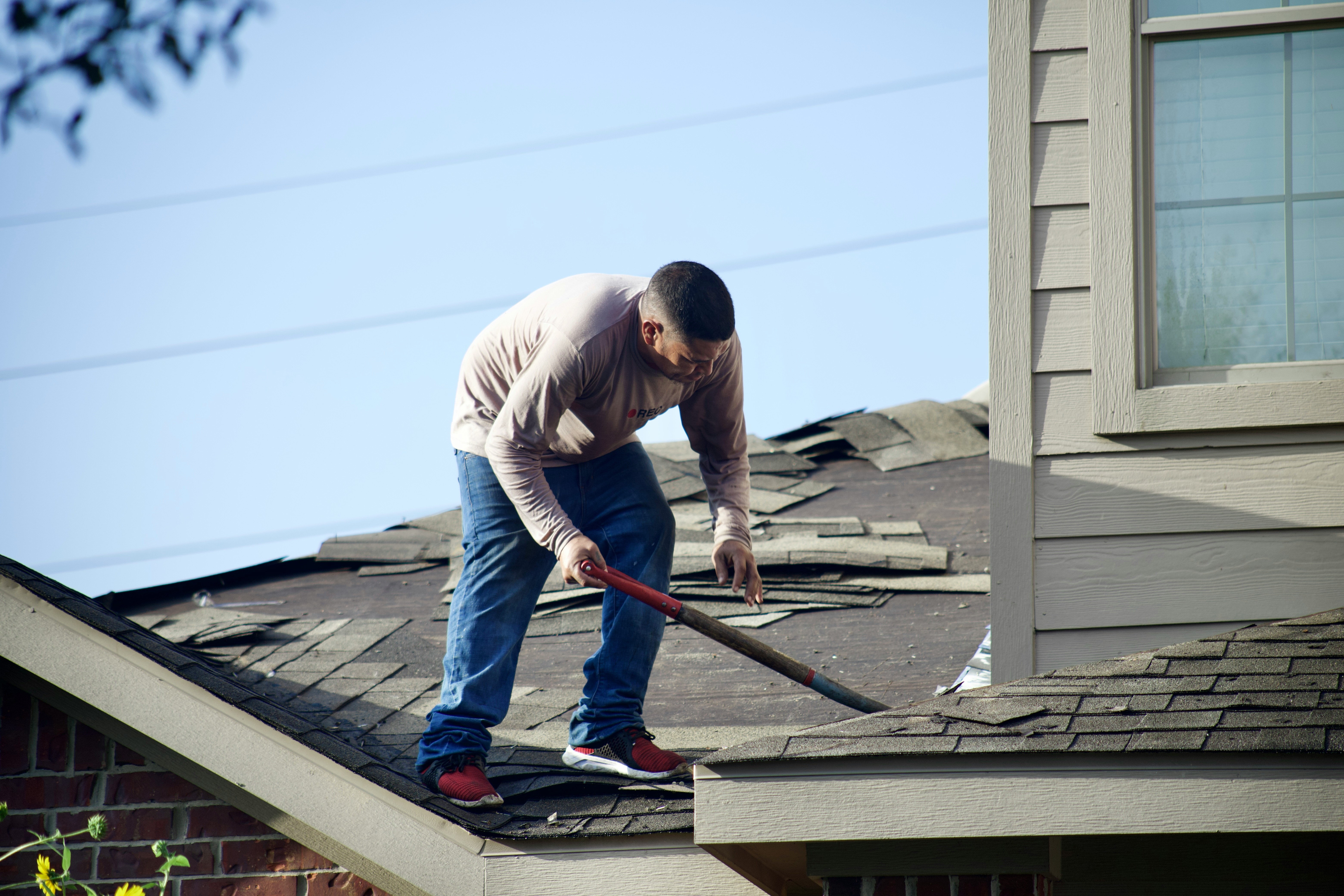
Repairs, replacement, and negotiation language
A report that says “repair needed” without location details offers little value for negotiation. A report that lists specific tasks supports clearer bids and clearer deal terms.
Useful repair language includes:
• “Replace damaged flashing at sidewall intersection on west roof plane”
• “Clear valley debris and address valley lining wear at rear slope”
• “Repair leak pathway at skylight curb flashing and confirm watertightness after rain”
If replacement is recommended, ask what drove that recommendation:
• Widespread surface failure
• Underlayment breakdown
• Multiple leak points
• Extensive patchwork
• Decking deterioration
The Daddario Roofing Company, Inc. report page also lists roof repair, roof leak repair, roof replacement, and roofing installation alongside roof inspection reports, which supports asking inspectors to separate inspection findings from repair scope in clear writing.
Materials and special cases: cedar shake, steel, and coatings
Older coastal homes sometimes have cedar shake or complex roof assemblies. These roofs require different inspection attention:
• Shake condition and spacing
• Fire and code considerations tied to material type
• Underlayment condition where visible
• Transition flashing and ridge details
Steel roofing and roof coatings also need specific inspection notes. Coatings, for example, depend on surface prep and seam conditions. Ask the inspector to note coating wear patterns and seam vulnerability.
Permits, records, and buyer confidence
Roof work often triggers permits. Buyers and lenders sometimes ask for documentation. Sellers benefit from a folder that includes:
• Permit records when applicable
• Contractor invoices and scope descriptions
• Warranty documents, where provided
• Photos of key stages, especially flashing and underlayment, when available
Do not rely on verbal history. Written records reduce disputes after close.
A roof inspection report reduces uncertainty when it is specific, photo-based, and honest about access limits. In Santa Cruz and Santa Clara Counties, moisture, wind, heat, and older home complexity raise the value of a focused roof inspection that prioritizes flashings, valleys, drainage, and attic context.