Renewable Energy
.jpeg)
Renewable energy is a crucial and rapidly developing topic. Below is a comprehensive overview covering its definition, major types, importance, and the challenges it faces.
What Is Renewable Energy?
Renewable energy comes from natural resources that can be replenished almost endlessly on a human timescale. Unlike fossil fuels (such as coal, oil, and natural gas), which take millions of years to form, renewable energy sources are constantly replenished.
The key principle is harnessing natural energy flows and converting them into useful forms of energy—mainly electricity, but also heat and transportation fuels.
Main Types of Renewable Energy
Below are the major renewable energy sources powering the world today:
- Solar Energy
Source: Radiation from the sun.
How it is used:
Photovoltaic (PV) power: The most common method. Solar panels made of semiconductor materials (such as silicon) convert sunlight directly into electricity.
Concentrated Solar Power (CSP): Uses mirrors to focus sunlight onto a receiver to generate high temperatures, producing steam to drive turbines.
Key fact: The amount of solar energy that reaches Earth in one hour exceeds the world’s total annual energy consumption.
- Wind Energy
Source: The kinetic energy of moving air.
How it is used:
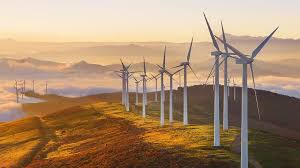
Large wind turbines capture wind energy with their blades, causing a rotor to turn and drive a generator. They can be installed on land (onshore) or in large bodies of water (offshore).
Key fact: Offshore wind farms can capture stronger and more stable winds than onshore turbines.
- Hydropower
Source: The energy of flowing water.
How it is used:
Dams are built on rivers to create reservoirs. Water released from the reservoir flows through turbines, causing them to rotate and power a generator. Hydropower is the world’s largest source of renewable electricity.
Key fact: Pumped-storage hydropower plants work like giant batteries—pumping water uphill when demand is low and releasing it to generate power when demand is high.
- Geothermal Energy
Source: The intense heat from within Earth’s core.
How it is used:
Wells are drilled into underground reservoirs to bring steam and hot water to the surface. This steam drives turbines that generate electricity, or the heat is used directly for heating purposes.
Key fact: It is a highly reliable “baseload” energy source, operating 24/7—unlike intermittent sources such as solar and wind.
- Biomass Energy
Source: Organic materials from plants and animals (e.g., wood, crops, agricultural waste, and garbage).
How it is used:
Biomass can be burned directly for heat or electricity, or converted into biofuels (like ethanol and biodiesel) for transportation. It is considered renewable as long as consumption does not exceed the rate of regrowth.
Key fact: Biomass releases CO₂ when burned, but it is considered carbon-neutral because plants absorb the same amount of CO₂ while growing.
- Ocean Energy (Emerging)
Source: The kinetic and thermal energy of the oceans.
How it is used:
Tidal power: Uses the rise and fall of tides.
Wave power: Captures energy from surface waves.
Ocean Thermal Energy Conversion (OTEC): Uses temperature differences between warm surface water and cold deep water.
Key fact: These technologies are in early development stages but have huge potential.
Why Is Renewable Energy So Important?
The shift to renewable energy is driven by several key factors:
• Mitigating Climate Change
This is the most urgent reason. Burning fossil fuels releases greenhouse gases like CO₂, which trap heat in the atmosphere. Renewable energy produces little to no emissions, helping combat global warming.
• Energy Security and Independence
Countries can reduce reliance on imported fossil fuels, making their energy supply safer and less vulnerable to geopolitical conflicts and price fluctuations.
• Public Health and Environment
Renewables do not produce air or water pollution, resulting in cleaner air and water and fewer respiratory and cardiovascular health issues.
• Economic Growth and Jobs
The renewable energy sector creates major job opportunities in manufacturing, installation, maintenance, and research.
• Infinite Supply
Unlike limited fossil fuels, renewable energy will never run out.
Challenges and the Road Ahead
Although renewable energy has many advantages, transitioning to a renewable-based grid still faces challenges:
• Intermittency
Solar and wind energy are variable—sunlight and wind are not constant. This requires:
Energy storage: Improved, cheaper large-scale battery technologies (such as lithium-ion and flow batteries) are essential for storing excess energy.
Grid modernization: Smart grids are needed to manage electricity flow from various sources and balance supply and demand.
• Upfront Costs and Infrastructure
Although costs have dropped significantly, building new plants and upgrading grids still require high initial investment.
• Land Use
Large solar and wind farms require significant land, raising concerns about habitat impacts and land-use conflicts.
The Future Belongs to Renewable Energy
The momentum behind global renewable energy development is undeniable. As technology continues to advance, costs keep falling, and stronger policies are implemented, renewable energy is set to become the backbone of the world’s energy system—paving the way for a cleaner, healthier, and more sustainable future.