Robotics in Industry: The Next Industrial Revolution?
The rumble of factory floors is changing its timbre. Where once the hum of conveyor belts and the clatter of human labor defined mass production, today a quieter, more precise cadence dominates: the synchronized motion of robotic arms, autonomous guided vehicles (AGVs), and collaborative cobots. This shift isn’t merely an upgrade—it signals a potential new industrial revolution, one powered by digital intelligence as much as steel and circuitry.
From Mechanization to Cognition
The First Industrial Revolution introduced mechanized looms; the Second brought electricity; the Third delivered computers and automation. Robotics marries these legacies with artificial intelligence, enabling machines to learn rather than merely follow pre‑programmed paths.
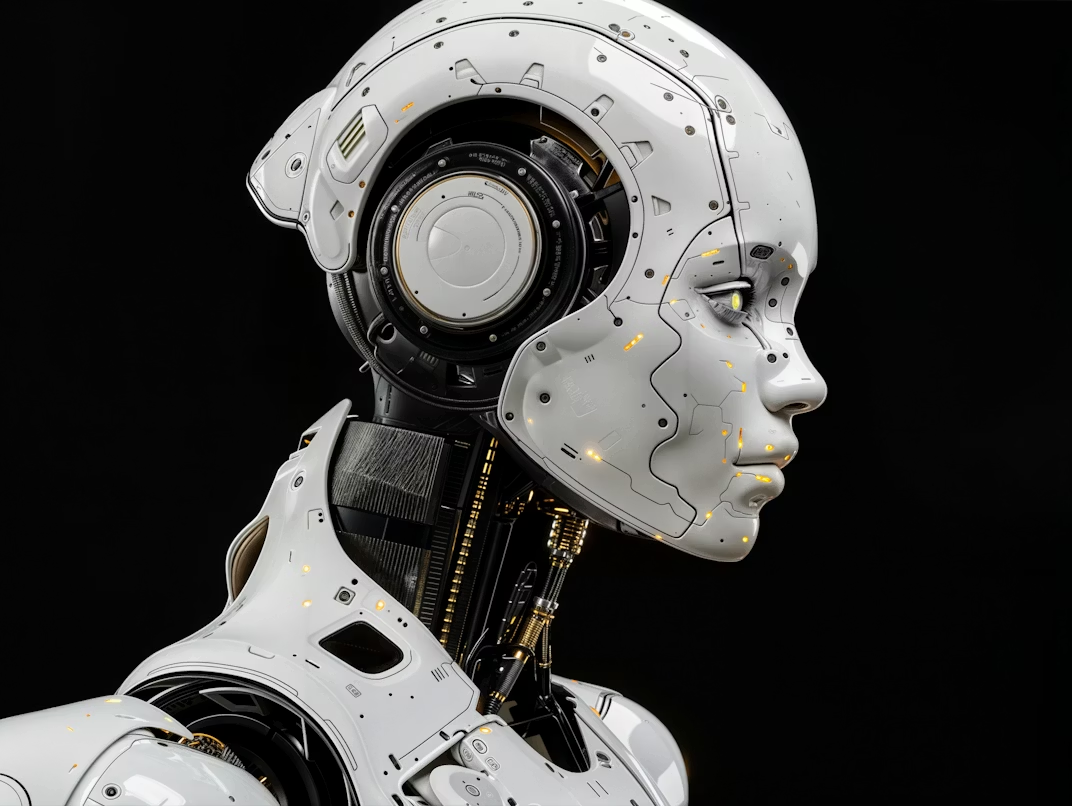
Predictive maintenance algorithms alert operators before a bearing fails, while vision‑guided pick‑and‑place units adapt on the fly to variations in product shape or packaging. The result? Production lines that are not just faster, but smarter and far more resilient to disruption.
Economic Upsides and Workforce Evolution
According to a 2025 McKinsey report, firms that integrate advanced robotics see a 20‑30 % lift in labor productivity and a 15 % reduction in scrap rates within three years. The upside, however, is not a zero‑sum game for workers.
Collaborative robots (cobots) work alongside humans, handling repetitive or ergonomically hazardous tasks while freeing employees for higher‑value roles such as process optimization, data analysis, and system oversight. Upskilling programs are becoming as essential as the robots themselves.
Barriers to Widespread Adoption
Capital intensity – High upfront costs still deter small‑ and medium‑sized enterprises.
Cybersecurity – Connected robots expand the attack surface for industrial IoT threats.
Regulatory ambiguity – Safety standards are catching up to the speed of innovation.
Looking Ahead
The next decade will likely see modular, plug‑and‑play robotic cells, AI‑driven supply‑chain orchestration, and a tighter integration of robotics with augmented reality for real‑time human guidance. When these elements converge, they will redefine “factory” as a fluid ecosystem rather than a static plant.
Bottom line: Robotics is poised to become the engine of the next industrial upheaval—provided businesses balance investment, talent development, and robust security. The question isn’t if the revolution will happen, but how quickly we choose to embrace it.