Are Robots Taking Over Too Many Human Jobs?
The fear of automation isn’t new. Ever since the Industrial Revolution, workers have worried that machines would render human labor obsolete. Today, however, with the rapid advancement of artificial intelligence (AI) and robotics, this anxiety has reached a fever pitch. Are robots taking over too many human jobs, or is this simply the next evolution of the modern workforce?
To answer this, we must look at both sides of the coin. On one hand, automation is undeniably replacing repetitive, manual, and predictable tasks. From assembly lines and warehouse fulfillment centers to customer service chat-bots and automated fast-food kiosks, machines offer unmatched speed, precision, and cost-efficiency.
Industries that rely heavily on routine tasks are experiencing a massive paradigm shift, leaving many workers concerned about their job security.
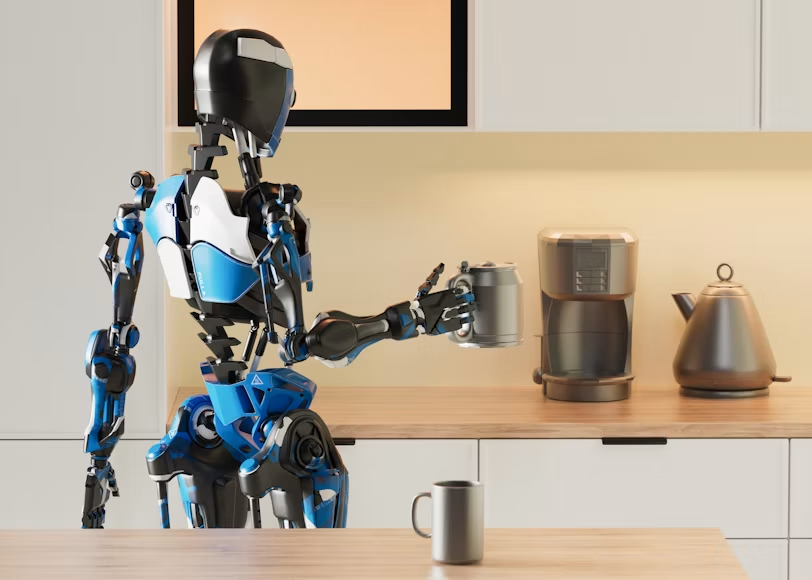
However, history teaches us a valuable lesson: technology doesn’t just destroy jobs; it transforms them. While robots eliminate mundane tasks, they simultaneously create entirely new industries and roles that we couldn’t have imagined a decade ago. We now need AI ethicists, robotics engineers, data analysts, and cybersecurity experts.
Furthermore, robots excel at tasks, not entire jobs. While a machine can assemble a car part faster than a human, it lacks emotional intelligence, creative problem-solving, empathy, and strategic thinking. The most resilient future-proof careers are those that leverage these uniquely human traits—fields like healthcare, education, leadership, and the arts.
Ultimately, the narrative shouldn’t be about humans versus robots, but rather humans plus robots. By embracing upskilling and lifelong learning, workers can transition from labor-intensive roles to positions of oversight and innovation. Robots may be taking over certain functions, but with the right adaptation, humans will continue to drive the economy forward.
Upvoted! Thank you for supporting witness @jswit.