Should We Abolish Daylight Saving Time? The Great Clock Debate
Twice a year, millions of people around the world experience the jarring routine of springing forward or falling back. While the original intent of Daylight Saving Time (DST) was to maximize sunlight and conserve energy, a growing chorus of scientists, policymakers, and everyday citizens are asking a radical question: Should we abolish Daylight Saving Time altogether?
To understand the debate, we must look at the modern impacts of manipulating our clocks. Proponents of ending DST point to compelling health data. Sleep specialists and medical associations frequently warn that the abrupt time shifts disrupt our circadian rhythms. Studies have consistently shown a spike in heart attacks, workplace injuries, and fatal traffic accidents in the days immediately following the spring time change.
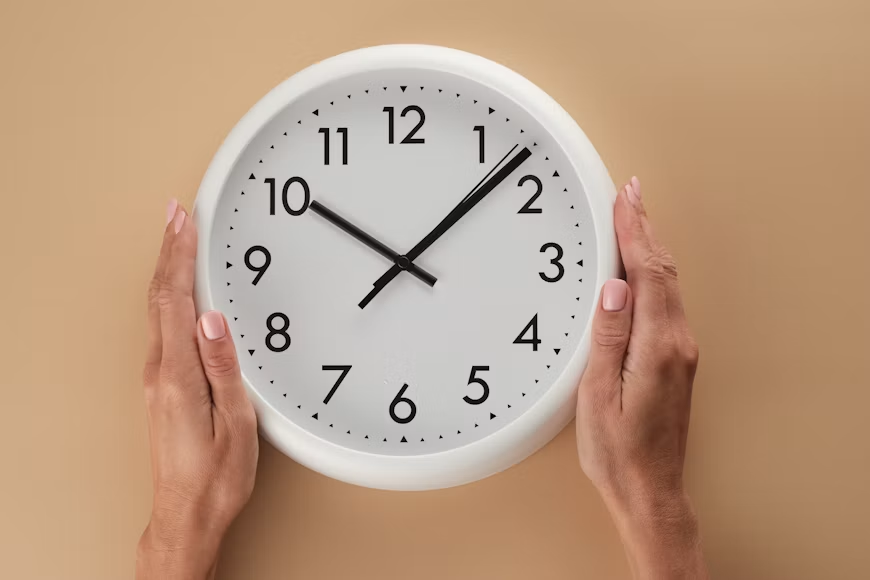
Furthermore, the original economic argument—energy conservation—is largely outdated. Modern research suggests that while we may use less lighting in the evening, we actually consume more energy for heating and air conditioning.
On the flip side, defenders of DST argue that longer summer evenings encourage outdoor recreation, boost the retail and hospitality sectors, and reduce evening crime rates.
However, the tide is turning. Several countries and US states have pushed for permanent standard time or permanent daylight saving time, citing both public health and convenience.
Ultimately, our bodies were not designed to adjust to artificial time leaps twice a year. Abolishing Daylight Saving Time would align our schedules closer to natural solar time, promoting better sleep hygiene, public safety, and overall well-being. It is time for society to stop playing with our clocks and let our natural rhythms finally catch up.
SEO Keywords Included: Should We Abolish Daylight Saving Time, Daylight Saving Time, spring forward, fall back, energy conservation, circadian rhythms, permanent standard time.