Injectable miniature livers to end waiting lists/Hígados en miniatura inyectables para acabar con las listas de espera
Source
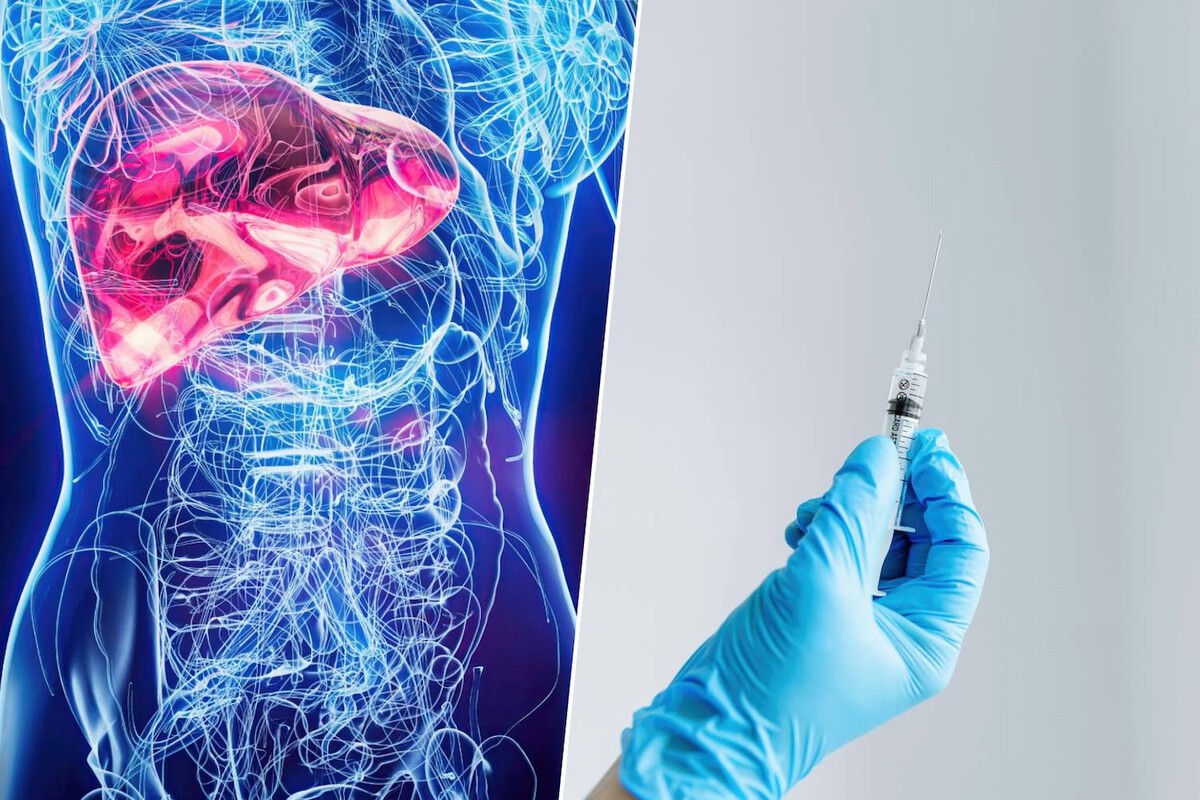
According to experts, the liver is one of the most in-demand organs on the transplant list, second only to the kidney. Despite the best efforts of medical professionals, it is not always possible to find a donor with a compatible organ, so many patients have to endure long waiting lists, which sometimes ends in a fatal outcome. To try to alleviate this problem, a group of scientists at MIT has developed so-called "satellite livers," injectable mini-organs that could revolutionize the treatment of liver diseases.
Según los expertos, el hígado es uno de los órganos más demandados en la lista de trasplantes, solo por detrás del riñón. A pesar de los esfuerzos de los profesionales, no siempre es posible encontrar un donante con un órgano compatible por lo que muchos pacientes han de superar grandes listas de espera lo que a veces acaba en un desenlace fatal. Para intentar paliar este problema, un grupo de científicos del MIT ha desarrollado los llamados "hígados satélite", unas miniórganos inyectables que podrían revolucionar el tratamiento de las enfermedades hepáticas.
It's not a complete organ, but rather a liquid mixture that is injected and, once in the body, self-assembles to form small, functional centers of liver tissue. MIT researchers call them "satellite livers" because they are designed to act as a backup, supporting the patient's diseased liver rather than replacing it entirely. Although the research is still in its early stages and has only been tested in mice, the concept is very promising and offers great hope for affected patients.
No se trata de un órgano completo, sino una mezcla líquida que se inyecta y que, al llegar al cuerpo, se auto-organiza para formar pequeños centros funcionales de tejido hepático. Los investigadores del MIT los llaman "hígados satélite" porque están diseñados para funcionar como un refuerzo, ayudando al hígado enfermo del paciente en lugar de reemplazarlo por completo. Aunque la investigación está aún en fase inicial y solo ha sido probada en ratones, el concepto es muy prometedor y una gran esperanza para los pacientes afectados.
Source
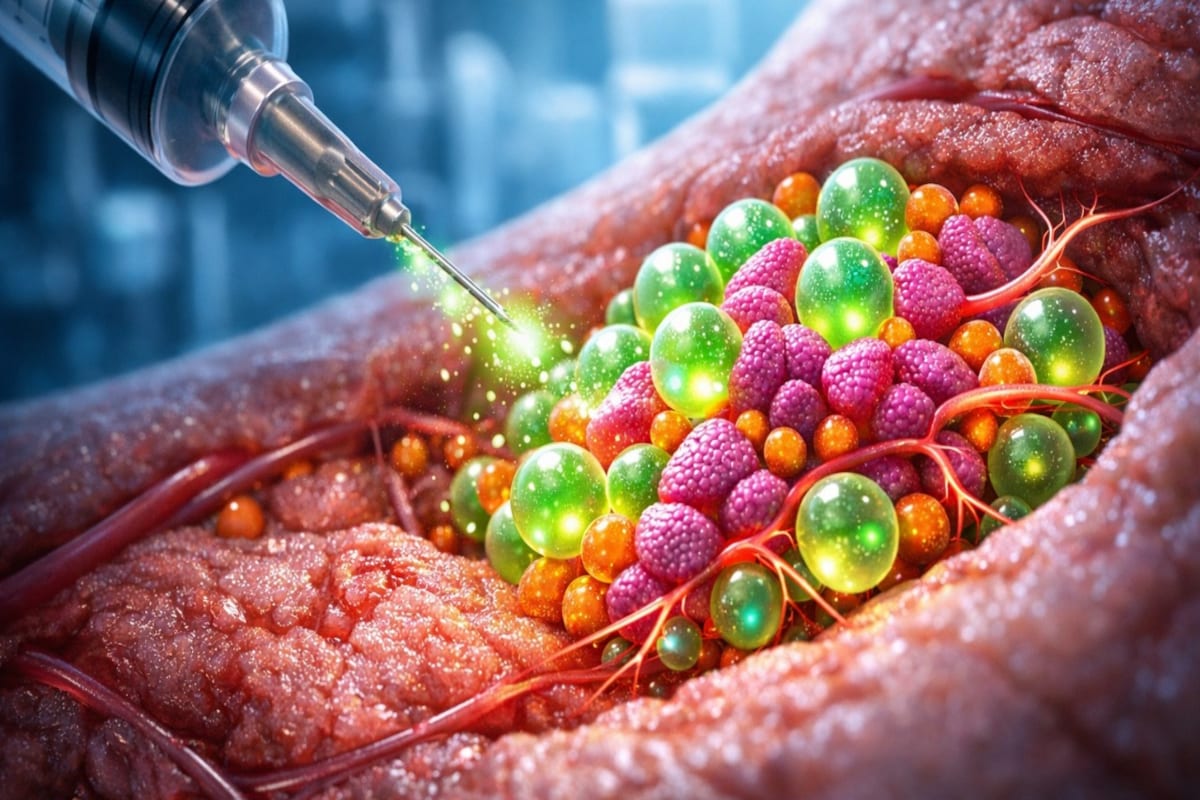
The process is based on three key components that are injected together: Functional liver cells (hepatocytes), which are the cells that perform the liver's vital tasks, such as filtering the blood and producing essential proteins. Hydrogel microspheres that act as a microscopic scaffold. Their most important property is that they behave like a liquid when injected (allowing the use of a syringe) and regain their solid structure upon reaching the tissue, creating a protective environment for the cells to live and organize.
El proceso se basa en tres componentes clave que se inyectan juntos: Células hepáticas funcionales (hepatocitos), que son las células que realizan las tareas vitales del hígado, como depurar la sangre o producir proteínas esenciales. Microesferas de hidrogel que actúan como un andamio microscópico. Su propiedad más importante es que se comportan como un líquido al ser inyectadas (lo que permite usar una jeringa) y recuperan su estructura sólida al llegar al tejido, creando un entorno protector para que las células vivan y se organicen.
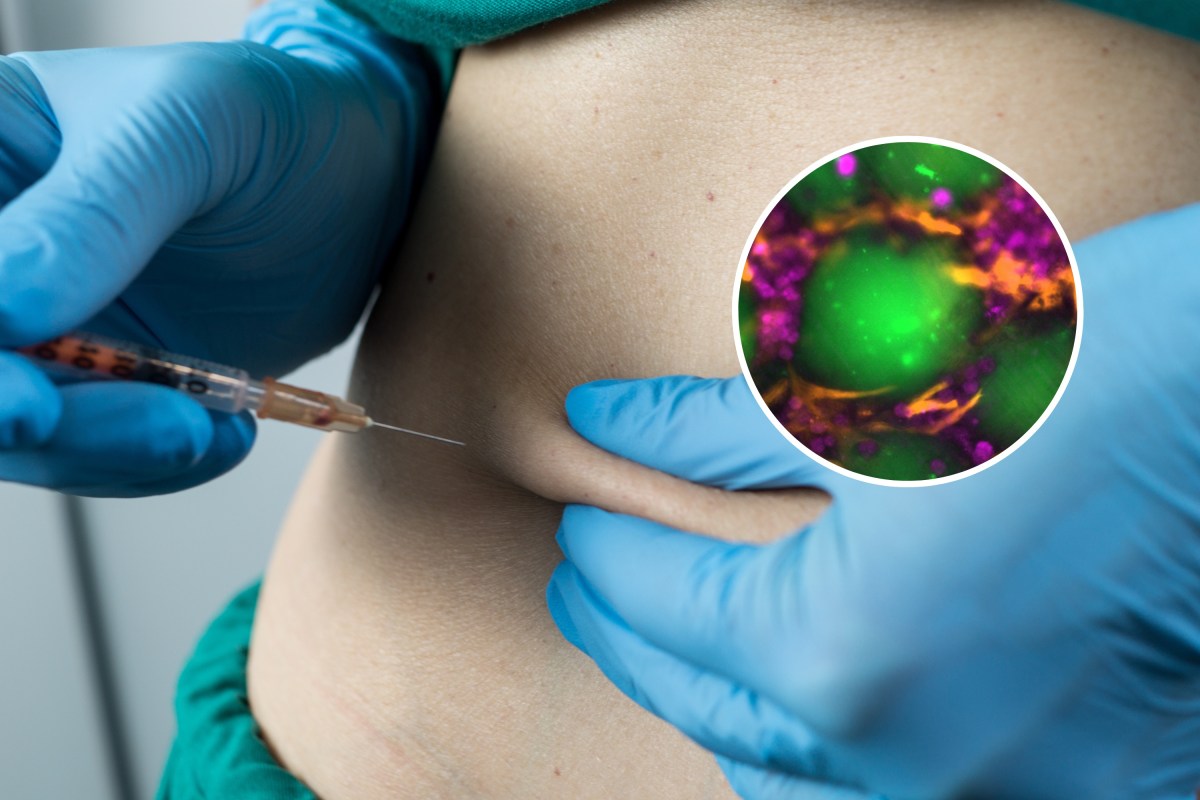
Finally, the supporting cells (fibroblasts) help the hepatocytes survive and, more importantly, promote the growth of new blood vessels toward the mini-organ. This is crucial for it to receive the necessary nutrients and oxygen. All of this is mixed and injected, guided by ultrasound, into a location in the abdomen with sufficient space and blood supply (for example, in abdominal fat). Once injected, the mixture compacts, a network of blood vessels grows inside, and the liver cells begin to perform their functions. In studies with mice, these mini-livers remained viable and functioning for at least eight weeks, which was the duration of the experiment.
Finalmente la células de soporte (fibroblastos), estas células acompañantes ayudan a los hepatocitos a sobrevivir y, lo que es más importante, promueven el crecimiento de nuevos vasos sanguíneos hacia el mini-órgano. Esto es crucial para que reciba los nutrientes y el oxígeno necesarios. Todo esto se mezcla y se inyecta, guiado por ecografía, en un lugar del abdomen con suficiente espacio y riego sanguíneo (por ejemplo, en la grasa abdominal). Una vez inyectado, el conjunto se compacta, crece una red de vasos sanguíneos en su interior y las células hepáticas empiezan a realizar sus funciones. En los estudios con ratones, estos mini-hígados se mantuvieron viables y funcionando durante, al menos, ocho semanas, que fue la duración del experimento.
Source
The potential of this technology is enormous and focuses on two main areas. First, it could reduce waiting lists for transplant patients, as these "satellite livers" would act as a "bridge," keeping them alive and healthier until a compatible organ becomes available. Second, it would offer a solution for patients who cannot receive a full transplant because they are too old, have other illnesses, or for any other medical reason.
El potencial de esta tecnología es enorme y se centra en dos grandes áreas, por un lado reducir las listas de espera para pacientes en espera de un trasplante ya que, estos "hígados satélite" actuarían como un "puente", manteniéndolos con vida y con mejor salud mientras llega un órgano compatible. Por otro lado ofrecería una solución para aquellos pacientes que no pueden recibir un trasplante completo por ser demasiado mayores, por tener otras enfermedades o por cualquier otra razón médica.
While undoubtedly a very promising development, it is still in the preclinical phase (tested in mice). Years of research and human clinical trials are needed before it can be available in hospitals. With current technology, patients would need to take immunosuppressant drugs to prevent their bodies from rejecting the injected cells. Researchers are already working to overcome this problem, either by creating cells that are "invisible" to the immune system or by administering immunosuppressants locally. Furthermore, it is crucial to understand that its aim is to supplement the function of the damaged liver, not to completely replace it in the most severe cases of cirrhosis or acute liver failure.
Aunque no cabe duda de que es un avance muy prometedor, aún se encuentra en una fase preclínica (probado en ratones). Aún quedan años de investigación y ensayos clínicos en humanos antes de que pueda estar disponible en hospitales. Con la tecnología actual, los pacientes necesitarían tomar medicamentos inmunosupresores para evitar que su cuerpo rechace las células inyectadas. Los investigadores ya están trabajando para solucionar este problema, ya sea creando células "invisibles" al sistema inmune o administrando los inmunosupresores de forma local. Además, es crucial entender que su objetivo es complementar la función del hígado dañado, no reemplazarlo por completo en los casos más graves de cirrosis o fallo hepático agudo.
More information/Más información
https://news.mit.edu/2026/injectable-satellite-livers-could-offer-alternative-liver-transplantation-0303
An outstanding detailed description of the medical advancement at MIT! The "satellite liver" created by using hepatocyte and hydrogel microsphere injections represents a brilliant invention. This technology acts like an important connector for patients who are awaiting an organ transplant. It is a significant advancement towards improving global treatment options for those affected by liver disease!! Another great science post!!