“Reprogramming” the brain’s immune cells to fight Alzheimer’s/“Reprogramando” células inmunitarias del cerebro para combatir el Alzheimer
Source
Alzheimer's is the leading cause of dementia worldwide, affecting more than 55 million people and resulting in a new case every three seconds. It represents one of the most costly public health crises—with annual care costs exceeding $1.3 trillion—and is a leading cause of death and dependency among older adults. It causes more deaths annually than breast and prostate cancer combined. Clinically, the disease is irreversible and neurodegenerative, although the latest antibody-based treatments have succeeded in slowing cognitive decline by up to 30% in early stages.
El Alzheimer es la principal causa de demencia a nivel mundial, afectando a más de 55 millones de personas y causando un nuevo caso cada tres segundos. Representa una de las crisis de salud pública más costosas, superando $1.3 billones de dólares anuales en costos de atención, y es una de las principales causas de muerte y dependencia en adultos mayores. Provoca más muertes anuales que el cáncer de mama y de próstata combinados. A nivel clínico, la enfermedad es irreversible y neurodegenerativa, aunque los tratamientos más recientes basados en anticuerpos han logrado retrasar el deterioro cognitivo hasta en un 30% en etapas tempranas.
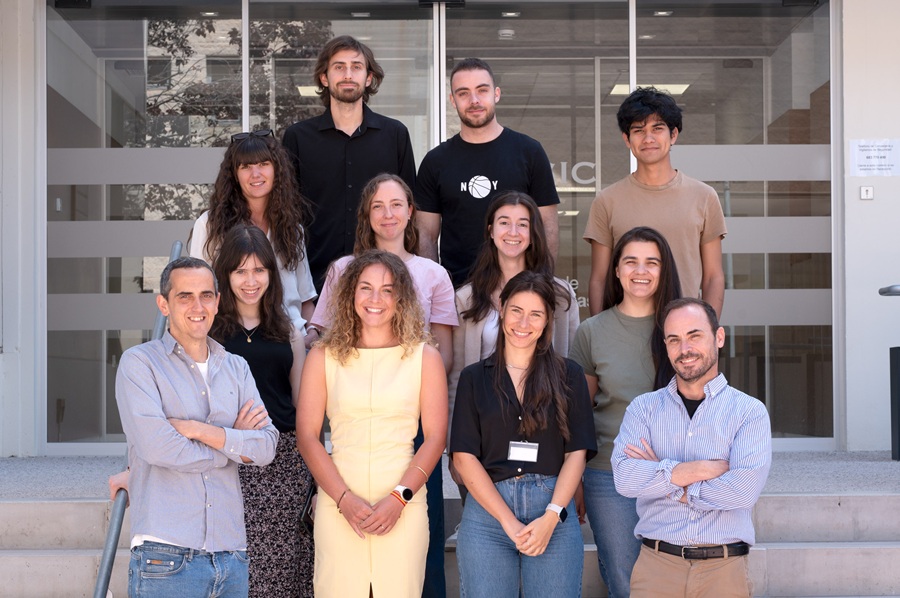
Now, a team from the Institute of Neurosciences—a joint center of the CSIC and Miguel Hernández University in Spain—has achieved a significant breakthrough in the fight against Alzheimer's disease. They have identified an experimental molecule called OLE that is capable of "reprogramming" the brain's immune cells to restore their protective function. In Alzheimer's, a primary cause of brain damage is the accumulation of a toxic protein known as beta-amyloid, which forms plaques that impair communication between neurons.
Ahora, un equipo del Instituto de Neurociencias, centro mixto del CSIC y la Universidad Miguel Hernández en España, ha logrado un avance significativo en la lucha contra el Alzheimer. Han identificado una molécula experimental, llamada OLE, que es capaz de "reprogramar" las células inmunitarias del cerebro para que recuperen su función protectora. En el Alzheimer, una de las causas principales del daño cerebral es la acumulación de una proteína tóxica llamada beta-amiloide, que forma placas que dañan la comunicación entre neuronas.

Source
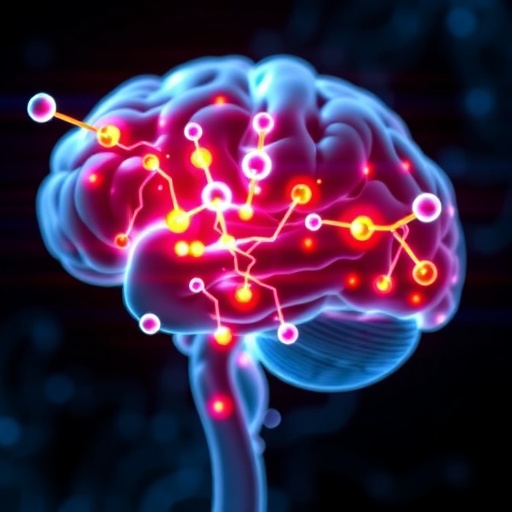
Our brain has a cleanup system made up of immune cells called microglia. Their function is to surround and eliminate these toxic deposits. However, as the disease progresses, these cells lose their protective capacity and, instead of helping, can contribute to neuronal damage. The problem, therefore, is not just the "trash" (the protein), but the fact that the "cleanup crew" stops functioning correctly. The OLE molecule specifically targets this second issue. Its primary effect is to "reprogram" the microglia so they regain their function.
Nuestro cerebro tiene un sistema de limpieza formado por unas células inmunitarias llamadas microglía. Su función es rodear y eliminar estos depósitos tóxicos. Sin embargo, con el avance de la enfermedad, estas células pierden su capacidad protectora y, en lugar de ayudar, pueden contribuir al daño neuronal. El problema, por tanto, no es solo la "basura" (la proteína), sino que los "encargados de la limpieza" dejan de funcionar correctamente. La molécula OLE actúa específicamente sobre este segundo problema. Su efecto principal es "reprogramar" la microglía para que recupere su función.
Specifically, the compound causes these cells to resume movement and actively migrate toward beta-amyloid plaques. They surround the plaques, creating a barrier that isolates them and limits their toxic interaction with neurons. By containing the plaques, they reduce their size and toxicity to brain tissue. The results are very promising, although the research is still in the experimental stage. In animal models (mice with Alzheimer's), treatment with OLE for three months resulted in improved performance on memory tests and a reduction of beta-amyloid plaques in the brain.
Concretamente, el compuesto consigue que estas células vuelvan a moverse y se desplacen activamente hacia las placas de beta-amiloide. Rodean las placas, creando una barrera que las aísla y limita su interacción tóxica con las neuronas. Al contener las placas, reducen su tamaño y toxicidad sobre el tejido cerebral. Los resultados son muy prometedores, aunque aún en fase experimental. En modelos animales (ratones con Alzheimer), el tratamiento con OLE durante tres meses los ratones mostraron un mejor rendimiento en pruebas de memoria y se observó una disminución de las placas de beta-amiloide en el cerebro.
Source
This discovery has been protected by two European patents, underscoring its potential to become a future treatment. However, it is crucial to remember that it is still in a very early stage. There is no specific date for its availability, as the research is still in its infancy. Although promising, the finding has only been tested in animal models (mice). The next logical step would be to move toward clinical trials in humans, a process that can take years.
Este descubrimiento se ha protegido mediante dos patentes europeas, lo que subraya su potencial para convertirse en un futuro tratamiento. Sin embargo, es crucial recordar que aún se encuentra en una fase muy temprana. No existe una fecha concreta para su disponibilidad, ya que aún se encuentra en una fase muy temprana de investigación. El hallazgo, aunque prometedor, se ha probado únicamente en modelos animales (ratones) .El siguiente paso lógico sería avanzar hacia ensayos clínicos en humanos, un proceso que puede llevar años.
Even so, this breakthrough represents a paradigm shift. Instead of directly attacking the toxic protein, it focuses on restoring the brain's natural ability to defend itself against it. It is a more biological and less aggressive approach that could open up new therapeutic avenues not only for Alzheimer's but also for other neurodegenerative diseases in which microglia play a key role. However, as previously mentioned, the molecule must be tested in humans to demonstrate its safety and efficacy. This process is divided into several phases and can take several years.
Aún así, este avance representa un cambio de paradigma. En lugar de atacar directamente la proteína tóxica, se centra en restaurar la capacidad natural del cerebro para defenderse de ella. Es un enfoque más biológico y menos agresivo que podría abrir nuevas vías terapéuticas no solo para el Alzheimer, sino para otras enfermedades neurodegenerativas donde la microglía también juega un papel clave. Pero como ya hemos comentado, es necesario probar la molécula en personas para demostrar que es segura y efectiva. Este proceso se divide en varias fases y puede durar varios años.
More information/Más información
https://in.umh-csic.es/en/una-molecula-experimental-logra-reprogramar-las-defensas-del-cerebro-frente-al-alzheimer/
Alzheimer's research is heading in an exciting direction. Reprogramming microglia so that the brain can 'clean' itself with its own system rather than focusing solely on the amyloid beta plaques may be a better strategy. The mouse data is promising, but future trials in humans will provide more information on the safety and efficacy of this approach. We can only hope that the results of the research continue to remain positive. Nice development !