Shido: The Modular Powerhouse of Composable Blockchain Ecosystems
Introduction: Shido and the Shift Toward High-Performance Networks
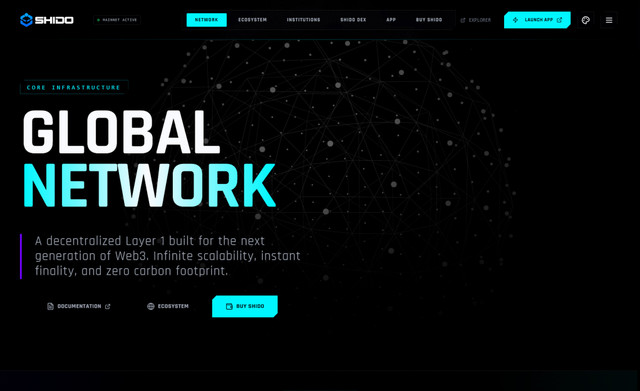
Digital finance is transitioning away from siloed architectures toward systems that prioritize fluid interaction and high throughput. Shido represents a definitive leap in this evolution, functioning as a high-performance Layer 1 Proof-of-Stake (PoS) network. While previous generations of blockchain technology forced developers to choose between speed, security, and decentralization, this protocol utilizes a modular framework to harmonize these competing needs. By integrating the Cosmos SDK with a unique dual-virtual machine environment, it provides the foundational layer required for the next wave of decentralized applications (dApps).
The core mission behind Shido is to eliminate the friction points that currently hinder Web3 adoption. This involves more than just increasing transactions per second; it requires a fundamental rethink of how different blockchain environments communicate. Through its support for both EVM and WASM, the network acts as a universal translator for code, allowing developers from disparate ecosystems to deploy their innovations on a single, lightning-fast platform. As the industry moves toward real-world asset (RWA) integration and AI-driven automation, the infrastructure provided by this network becomes an essential utility for global scale.
About of Shido
At its heart, Shido is a Multi-VM, carbon-neutral blockchain designed for infinite scalability and instant finality. It is not merely a ledger but a comprehensive ecosystem that includes a decentralized exchange (DEX), a non-custodial wallet, and a cross-chain gateway. The project aims to bridge the gap between the Cosmos ecosystem, Ethereum-compatible chains, and WASM-based environments, creating a fully composable landscape where value and data move without barriers.
The scope of the project extends into specialized sectors such as Artificial Intelligence (AI) and decentralized finance (DeFi). By hosting an agentic autonomous system known as Shido Nova, the network allows AI agents to operate at machine speeds, effectively automating complex on-chain tasks. From simplifying project launches for non-coders via WenMint to providing human-readable identity through the Shido Name Service, the project offers a full-stack solution for both retail users and institutional developers.
Practical Investment Value and the Utility of Shido
Staking Dynamics and Long-Term Conviction
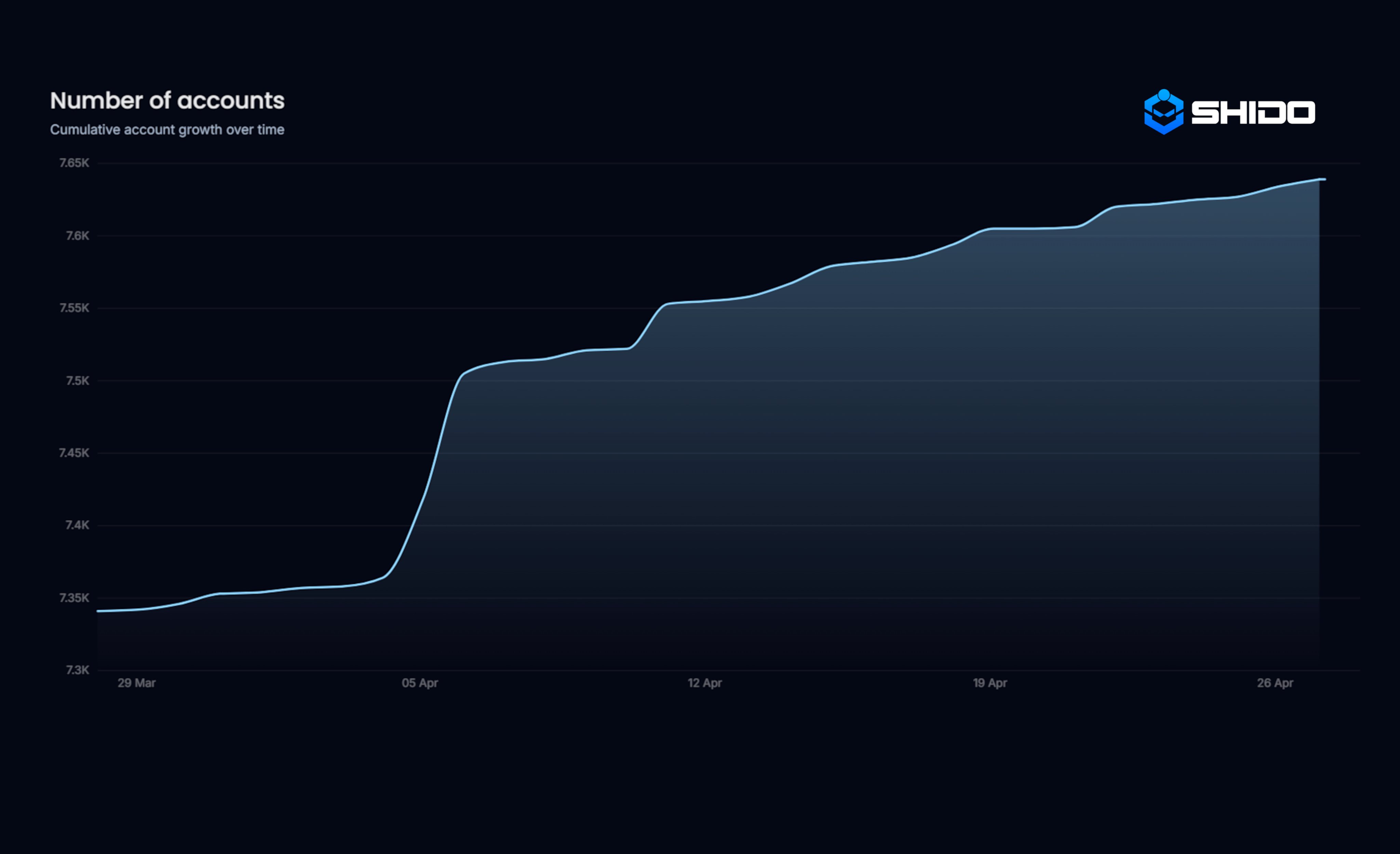
One of the most compelling indicators of a project’s health is the willingness of its community to lock up capital. For Shido, this is demonstrated by the fact that over 10 billion tokens—representing approximately 41% of the total circulating supply—are currently staked. This high staking ratio suggests a strong long-term commitment from holders and significantly reduces the liquid supply available on the open market, potentially creating a scarcity effect as ecosystem demand grows.
The Role of the Native Stablecoin
Unlike many platforms that rely solely on external assets, the ecosystem features a Shido Native Stablecoin. This asset is multi-collateralized and backed by a basket of high-value reserves, including Bitcoin (BTC) and Ethereum (ETH). By acting as the default routing asset for the network, the stablecoin provides a reliable medium of exchange and a layer of censorship-resistant stability. This internal financial primitive is vital for scaling DeFi operations and ensuring that liquidity remains deep and predictable across all decentralized applications built on the chain.
Why Shido Matters in the Modern Crypto Landscape
Solving the Fragmentation Problem
The current blockchain world is fragmented into dozens of "islands" that struggle to communicate. Shido matters because it serves as a bridge, utilizing the Inter-Blockchain Communication (IBC) protocol to connect with the Cosmos ecosystem while maintaining full compatibility with the Ethereum Virtual Machine (EVM). This means a developer can take a successful dApp from Ethereum and deploy it on a faster, cheaper network without rewriting the entire codebase, effectively ending the isolation of liquidity.
Institutional Grade Security and Performance
In an environment where exploits are common, the protocol has prioritized security by partnering with Zokyo, a top-tier Web3 security firm. This focus on robustness, combined with 1-second block times and instant finality, makes it a viable candidate for institutional use cases like Real World Assets (RWAs) and high-frequency trading. When transactions are confirmed almost instantly and fees remain ultra-low, the platform moves closer to the performance standards required by traditional financial systems.
Understanding the Technical Architecture of Shido
The Synergy of Dual-VM Compatibility
A standout feature of the network is its support for both EVM (Ethereum Virtual Machine) and WASM (WebAssembly). This dual-compatibility allows the network to capture the largest existing developer pool (Solidity/EVM) while also catering to the next generation of developers using Rust and other high-performance languages.
- EVM Support: Enables the seamless migration of Uniswap clones, lending protocols, and NFT marketplaces from Ethereum or BSC.
- WASM Support: Allows for more complex, memory-efficient smart contracts that are common in the Cosmos and Polkadot ecosystems.
Consensus via CometBFT and Cosmos SDK
The network is built using the Cosmos SDK and runs on CometBFT (a refined fork of Tendermint Core). This specific architecture is what allows for infinite scalability. By separating the application layer from the consensus layer, the protocol can process a massive volume of transactions without suffering from the congestion issues that plague older, monolithic blockchains. This modularity ensures that as the number of users grows, the network can scale horizontally to meet the demand.
Where to Acquire and Interact with Shido
To participate in the ecosystem, users must first acquire the native token, which serves as the fuel for transactions and the primary asset for staking.
- Shido DEX V4: This is the primary decentralized hub for the ecosystem. The V4 upgrade introduced a more intuitive interface and faster execution speeds, allowing users to swap native assets with minimal slippage.
- Cross-Chain Gateway: For those coming from other ecosystems, the Shido Gateway acts as a trustless bridge. It allows for the secure transfer of stablecoins and other assets into the network, facilitating an easy entry point for new users.
- Non-Custodial Shido Wallet: The wallet serves as the "command center" for the user. It includes an integrated fiat on-ramp, allowing individuals to purchase digital assets directly with traditional currency, and features military-grade security for peace of mind.
The Expanding Modular Ecosystem of Shido
The strength of a Layer 1 is often measured by the tools and sub-projects that live within its borders. Shido has cultivated a suite of internal modules that simplify the user experience.
- Shido Nova (AI Integration):
This agentic autonomous system allows for machine-speed execution. AI agents on the network can monitor DeFi yields, execute trades, or manage data sets without manual human intervention. - WenMint (No-Code Deployment):
Lowering the barrier to entry is essential for adoption. This tool allows creators to launch tokens or NFT projects without writing a single line of code, democratizing access to blockchain technology. - ShidoScan (Transparency):
Every high-performance network needs a robust explorer. This tool provides real-time data on transactions, validator performance, and smart contract verifications, ensuring the network remains open and auditable. - Shido Name Service (SNS):
To make the blockchain more accessible to the general public, SNS replaces complex hexadecimal addresses with human-readable names (e.g., yourname.shido), reducing the risk of errors during transfers.
Performance Metrics and Environmental Impact of Shido
Efficiency and Speed
The technical benchmarks of the network are designed to compete with the fastest systems in the world. By maintaining 1-second block times, the protocol provides a "Web2-like" experience where the user does not have to wait for multiple confirmations to know their transaction was successful.
- Ultra-Low Fees: Transactions cost a fraction of a cent, making the network ideal for micro-payments and high-frequency DeFi strategies.
- High Throughput: The optimized architecture ensures that complex smart contracts can be executed in parallel, preventing bottlenecks during periods of high market activity.
Your Friendly Guide to Buying Shido (SHIDO) Tokens: A Step-by-Step Tutorial
Navigating the world of crypto can sometimes feel like a bit of a maze, but don’t worry—we’re going to walk through this together. Whether you prefer the simplicity of a traditional exchange or the total control of a decentralized platform, getting your SHIDO tokens is a straightforward process when you have the right roadmap.
Choosing Your Path: CEX vs. DEX
Before we jump into the "how-to," it is helpful to know that you have two main ways to buy SHIDO. You can use a Centralized Exchange (CEX), which feels a bit like a traditional banking app, or a Decentralized Exchange (DEX), which allows you to trade directly from your own digital wallet. Both are great options, so choose the one that makes you feel most comfortable!
Method 1: Buying via a Centralized Exchange (MEXC)
If you enjoy a user-friendly interface where the exchange handles the technical heavy lifting, a centralized exchange is a fantastic choice. Currently, MEXC is one of the most popular and active venues for trading SHIDO.
How to buy on MEXC:
- Create an Account: Head over to the MEXC SHIDO/USDT trading page and sign up for an account if you don't have one already.
- Deposit Funds: You will typically need USDT (Tether) to trade for SHIDO. You can deposit USDT from another wallet or buy it directly on the platform using your preferred payment method.
- Place Your Order: Navigate to the SHIDO/USDT pair, enter the amount you wish to purchase, and click "Buy SHIDO." Your tokens will appear in your MEXC spot wallet almost instantly!
Method 2: Buying via Decentralized Exchanges (DEX)
For those who love the "Web3" experience, using a DEX gives you full custody of your assets. To do this, you’ll need a compatible wallet like MetaMask. This method is perfect if you want to interact directly with the Ethereum or Cosmos ecosystems.
Option A: Using Uniswap V3 (Ethereum Network)
If you prefer the Ethereum blockchain, Uniswap is the gold standard. You can swap your ETH or other ERC-20 tokens for SHIDO easily.
- Connect your MetaMask wallet to the Uniswap V3 SHIDO Pool.
- Ensure you have enough ETH for the swap and the network gas fees.
Option B: Using Osmosis (Cosmos Ecosystem)
Shido is also accessible within the Cosmos ecosystem via Osmosis. This is a great choice for users who enjoy fast transactions and low fees.
- Visit the Osmosis SHIDO Pool to start trading.
Conclusion: Shido and the Future of Composability
The blockchain industry is moving past the era of experimentation and into the era of utility. Shido sits at the forefront of this shift by providing a modular, high-speed, and deeply interoperable Layer 1 solution. By successfully merging the strengths of the Cosmos SDK with the versatility of Dual-VM compatibility, the project has created an environment where developers are not limited by the underlying technology.
For learn more and update:
- Official Website: https://shido.io/
- X (Twitter): https://x.com/ShidoNetwork
- Telegram: https://t.me/ShidoGlobal
Writer
- Username: brunoortega15
- Profile Link: https://bitcointalk.org/index.php?action=profile;u=3401311
- Wallet Address: 0xD783DB4559f5b1Efd6402517b5d400F82e819515