The Secret Ingredient in Your Tea: Getting to Know the Bergamot Plant
If you appreciate the comforting ritual of a perfect cup of Earl Grey, then you are already familiar with the distinctive, uplifting scent of bergamot. But have you ever stopped to consider the source of this captivating flavor?
Bergamot isn't just an aroma; it comes from a fascinating and unique citrus plant, Citrus bergamia, and its story is as rich as its fragrance.
Not Your Average Citrus
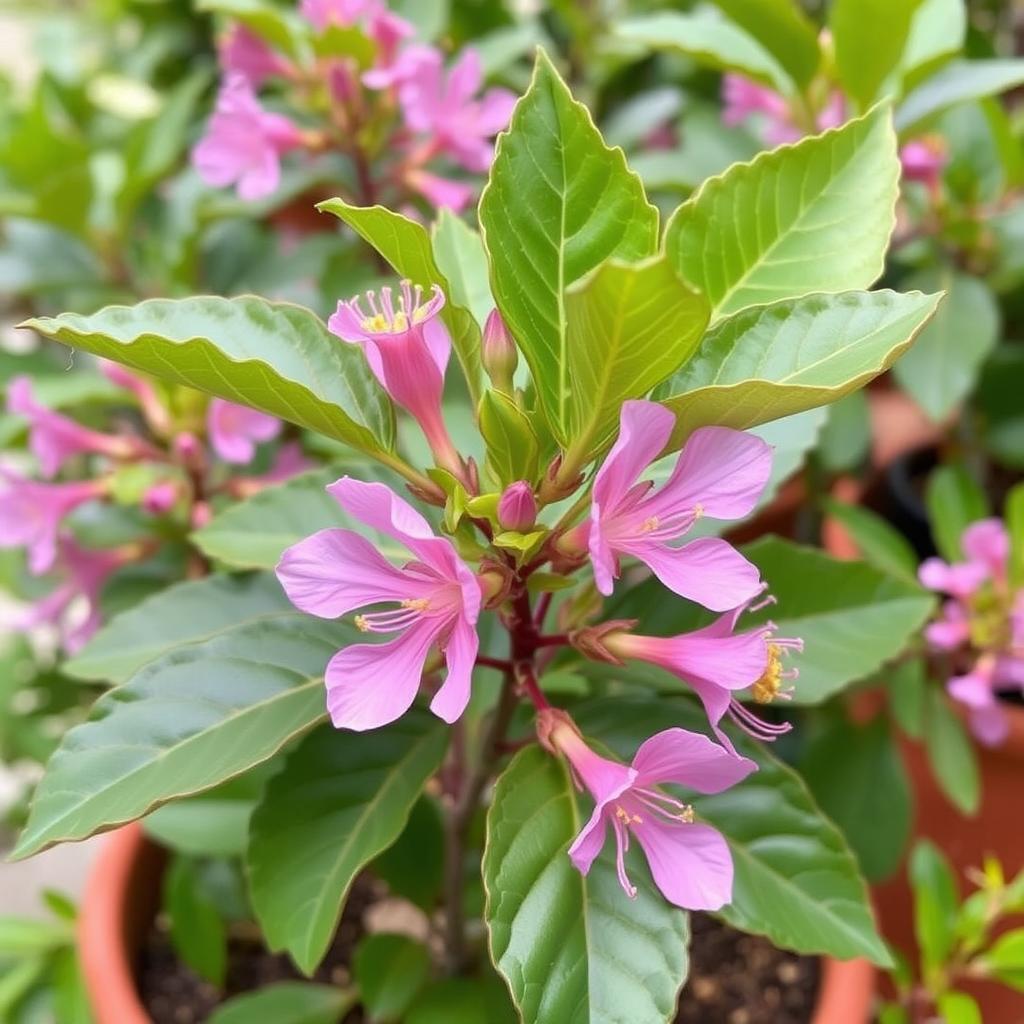
The bergamot fruit tree is a small, thorny evergreen that belongs firmly to the citrus family, but it stands apart from common lemons or oranges. The fruit itself looks like a slightly lumpy lime or a small, yellow-green orange. Crucially, the flesh is intensely sour and bitter, meaning you won’t find bergamot fruit sold for eating at your local grocery store.
The real treasure lies in the thick rind. This is where the powerful essential oil, responsible for its entire reputation, is concentrated. It’s a scent that is immediately recognizable—a complex blend of bright citrus notes, underscored by floral, almost spicy undertones.
The Italian Heartland
While citrus plants thrive across the globe, the bergamot plant is incredibly picky about where it establishes its roots. Over 90% of the world’s bergamot production is confined to one narrow, sun-drenched coastal strip in Southern Italy: the province of Calabria.
The unique microclimate, humidity, and soil composition there are essential for producing the fruit with the highest quality and most aromatic oil. Without this specific environment, the scent profile changes dramatically, making true Calabrian bergamot a highly sought-after commodity.
Beyond the Teacup
While bergamot’s most famous role is flavoring Earl Grey tea, its versatility has made it a star in several other industries:
Aromatherapy: Bergamot essential oil is highly valued for its calming and mood-lifting properties. It is frequently used in diffusers to reduce anxiety and promote relaxation.
Perfumery: Due to its complex, fresh, and slightly sweet nature, bergamot oil is a cornerstone of the perfume world, often used as a light "top note" in colognes and fine fragrances.
Candies and Cosmetics: Its oil is used to naturally scent everything from luxury soaps and lotions to gourmet confectionery.
The next time you enjoy the aromatic steam rising from your teacup, take a moment to appreciate the journey of that flavor—from a small, thorny tree on the sun-drenched Italian coast to the simple, everyday pleasure it brings. It truly proves that the most powerful flavors often come from the simplest, most specialized sources.