Why Solar Projects Fail During Due Diligence — Even When Numbers Look Perfect
In recent years, many solar projects have surprised investors and lenders by failing during technical or financial due diligence — despite showing strong generation data on paper.
This usually happens because due diligence goes far beyond energy output. Structural integrity, O&M discipline, documentation quality, and long-term asset risk now carry more weight than short-term performance metrics.
Key factors that frequently trigger red flags include:
Weak or undocumented O&M practices
Corrosion and structural aging risks
Incomplete design or load documentation
Gaps between operational data and physical condition
Poor asset history affecting bankability and insurance confidence
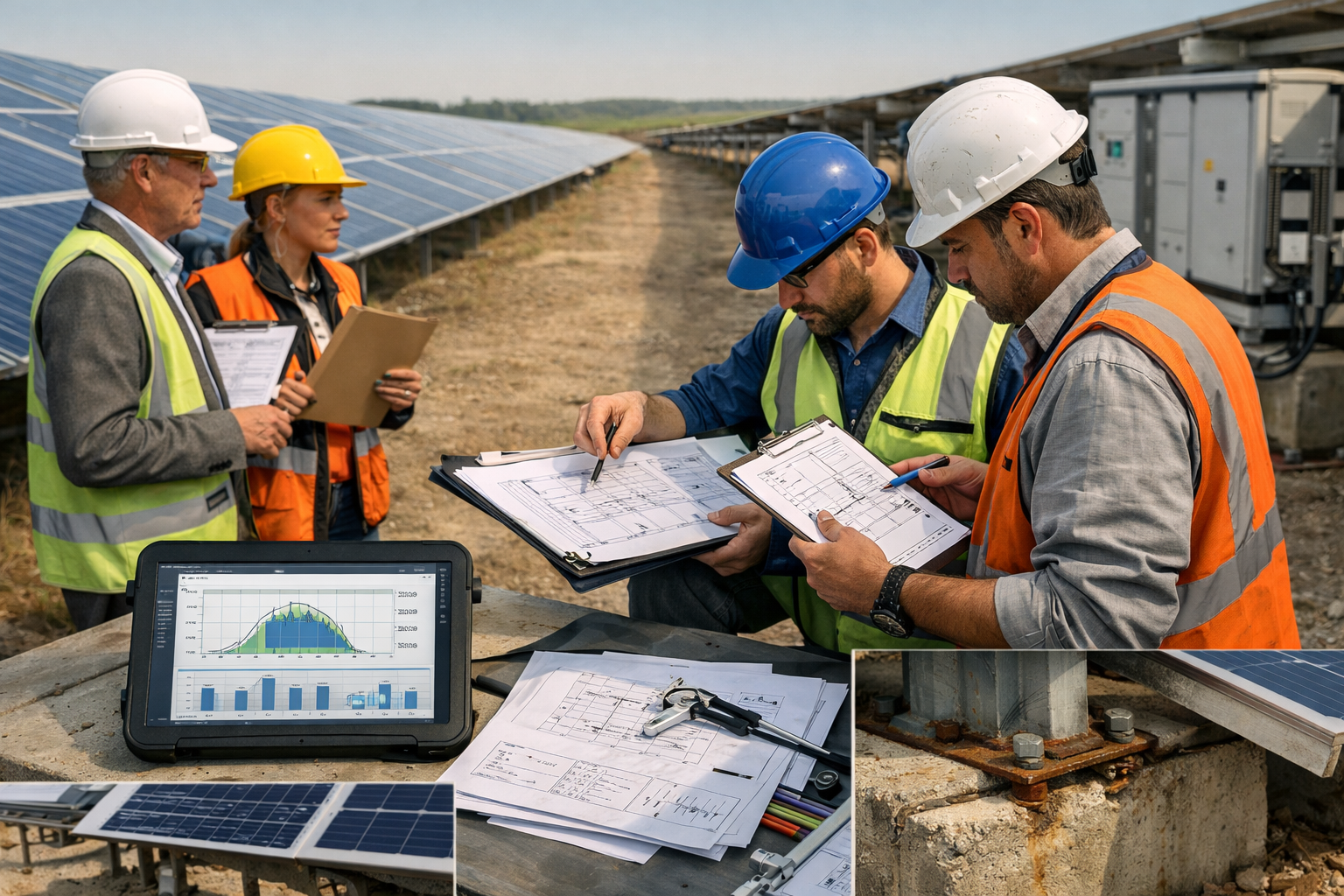
As solar assets mature and repowering or storage integration becomes common, lenders increasingly focus on how the asset was built, maintained, and documented — not just how much power it produced.
A detailed breakdown of this issue, with real-world context from project due diligence cases, is covered in the following article:
👉 Why Solar Projects Fail During Due Diligence — Even When Performance Looks Strong
This read is especially useful for:
Solar developers & EPCs
Investors & lenders
Asset managers
Engineers involved in lifecycle evaluation
As the industry evolves, understanding why projects fail reviews is just as important as knowing how to build them.