Space Exploration: Past, Present, and Future
From the first tentative rockets that hissed out of the desert sand to the looming prospect of permanent colonies on distant worlds, humanity’s relationship with space has been a story of daring, ingenuity, and relentless curiosity. In just a few centuries we have gone from dreaming about the stars to actually walking on them — and the next chapter is already being written.
The Past: From Myths to Moon Landings
Early civilizations imagined the heavens as the realm of gods, but it wasn’t until the 20th century that the fantasy became physics. The launch of Sputnik 1 in 1957 turned the world’s gaze upward, sparking the Space Race that culminated in Apollo 11’s historic moonwalk in 1969.
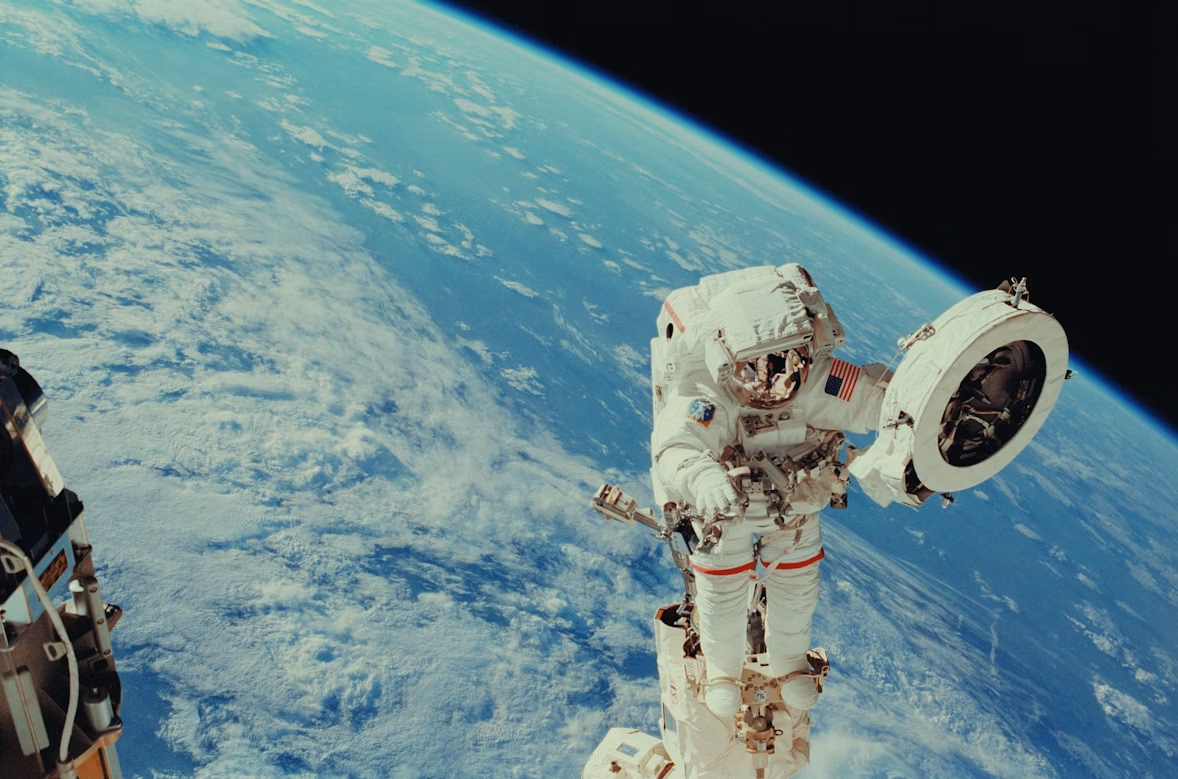
That single “giant leap” proved two things: rockets could escape Earth’s gravity, and humanity could survive beyond it. The following decades built on that foundation—launching space stations, deploying planetary probes, and mapping the solar system with unmanned explorers like Voyager and Curiosity.
The Present: A New Era of Commercial and International Cooperation
Today, space is no longer the sole domain of superpowers. Companies such as SpaceX, Blue Origin, and Rocket Lab have slashed launch costs with reusable rockets, turning satellite deployment into a routine service.
The International Space Station remains a bustling hub of scientific research, while China’s Tiangong program and the United Arab Emirates’ Hope mission illustrate a truly global appetite for discovery.
Moreover, the emerging Space Economy—from Earth‑observation data to on‑orbit manufacturing—shows that space is becoming a commercial frontier as much as an exploration frontier.
The Future: From Moon Bases to Martian Cities
Looking ahead, the ambitions are nothing short of audacious. NASA’s Artemis program aims to return humans to the Moon by the mid‑2020s and establish a sustainable outpost that will serve as a launchpad for Mars.
Private enterprises are already planning orbital hotels, asteroid‑mining ventures, and even interstellar probes powered by solar sails or nuclear propulsion.
If current trends continue, the next half‑century could see humanity planting flags on multiple worlds, mining resources from asteroids, and perhaps, one day, listening to a distant civilization’s radio chatter.
Space exploration has always been a mirror of our aspirations. As we stand at the cusp of interplanetary habitation, the line between science fiction and science fact continues to blur—inviting every generation to look up, wonder, and reach a little farther.