Report rewrites Calciopoli, but nobody cares
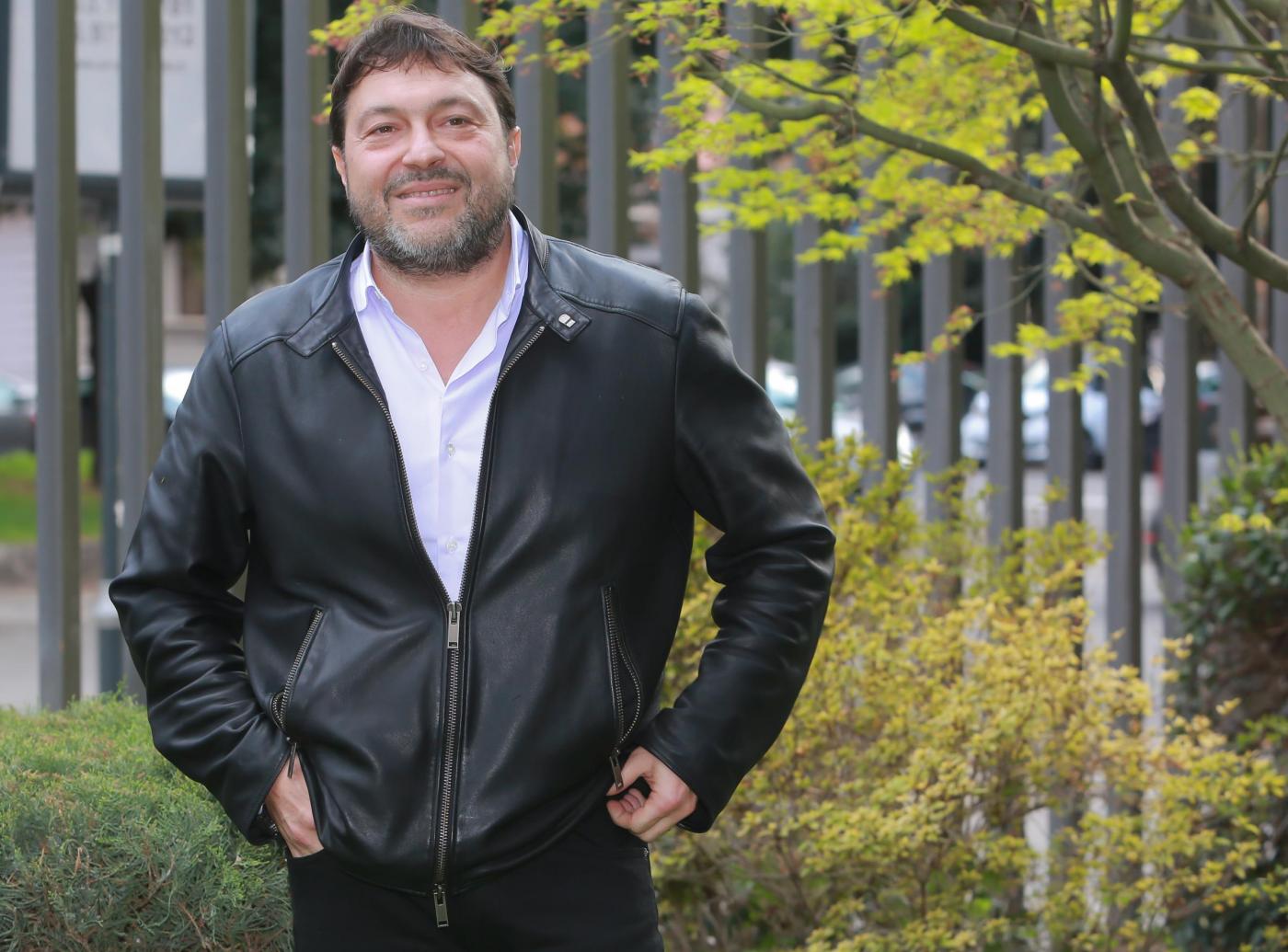
The host of the program Report, Sigfrido Ranucci. Photo by GeorgeOrwell1984, CC BY-SA 4.0, via Wikimedia Commons
This is the English version of the post Report riscrive Calciopoli, ma non interessa a nessuno, originally published in Italian in the ITALY community in April 2023. I find it particularly useful for understanding the real reasons behind the decline of Italian football.
THANKS RANUCCI, BUT THOSE WHO WANTED TO KNOW, ALREADY KNEW |
|---|
In almost every case, the topics covered within the investigative journalism program "Report", created and long hosted by Milena Gabanelli and now led by Sigfrido Ranucci, have reached the public as a sort of absolute truth.
In other cases, actually a small minority, the uncomfortable topics proposed by the mamma RAI team have sparked outrage among influential figures from government or politics in general, leading to heated public criticism.
In all cases, however, the effect generated by the more than two-hour appointment with Report has almost always been the same: major media attention. Whether people considered the investigations by Ranucci and his team thorough and reliable, or superficial and unfounded, the next day the topic would end up on every newspaper. At least until yesterday.
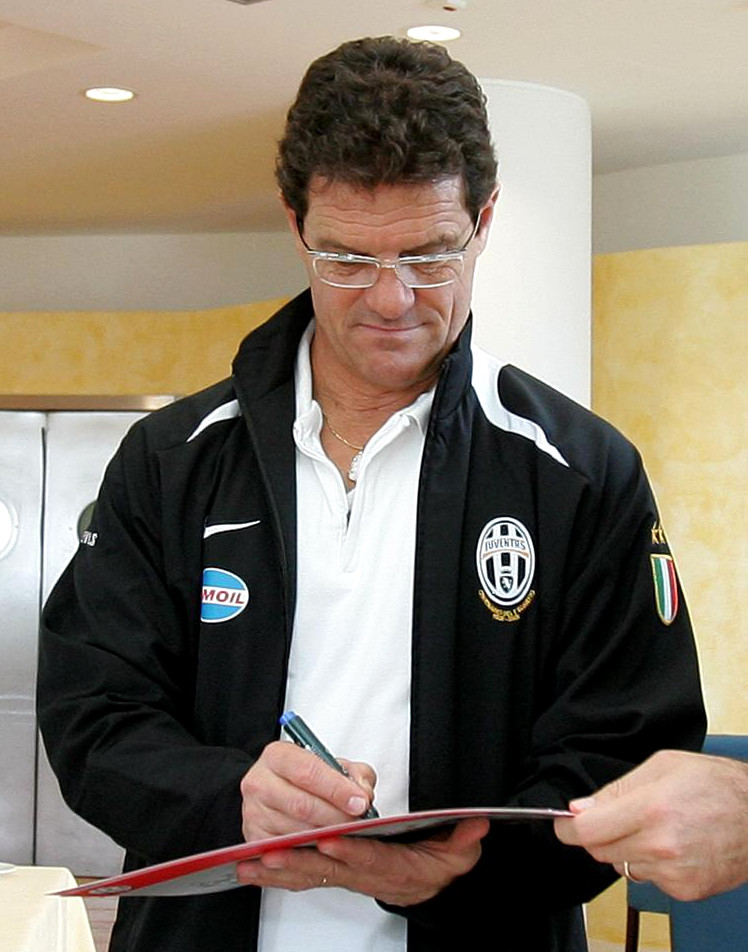
Fabio Capello, Juventus coach in 2004-2005. Public domain image
As we learned as children, every rule has its exception, and at dawn on April 18, 2023, the facts told in the previous evening’s episode of one of the flagship programs of state television, as well as the words spoken directly by the protagonists of that era, interested almost no one.
That’s unfortunate, because from a truth-seeking perspective, they could potentially rewrite an important part of Italian sports history.
And what topic could carry such weight if not the events that reshaped our football globally seventeen years ago, following the Calciopoli scandal?
For those unfamiliar, the scandal known as "Calciopoli" refers to a series of investigations that uncovered highly controversial relationships between several football clubs and the refereeing system.
The heaviest consequences fell on the management of Juventus, banned for life from football, and on the club itself, which was considered the architect of a fraudulent system capable of influencing entire championships. As a result, the team was relegated to Serie B and stripped of its last two titles won on the field.
But was the system attributed to Moggi and Juventus really as serious and unfair as it has been portrayed for years? And above all, were all the other parties involved punished fairly?
The answers have been available for seventeen years, and what emerged in the Report episode may be new for younger or less attentive audiences, but not for those who lived through it as “victims.”
For those who want clarity, here is the reconstruction of events, also confirmed by Report journalists.
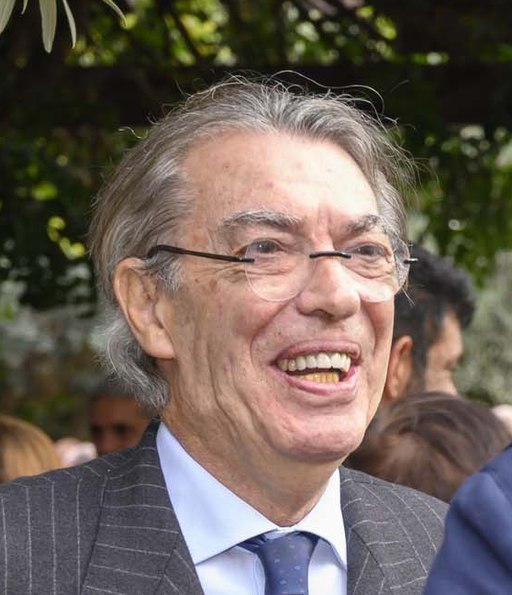
The former president of Inter, Massimo Moratti. Photo by Barocco Digitale, CC BY-SA 4.0, via Wikimedia Commons
Conceptually, Calciopoli was born on May 5, 2002, when at the Olimpico stadium in Rome, Inter lost a title that seemed already secured, defeated 4-2 by Lazio.
The club’s owner at the time, Massimo Moratti, summoned referee selector Paolo Bergamo to complain about alleged unfavorable refereeing.
Moratti had already been alerted by his close collaborator Giacinto Facchetti, who claimed to have received important confessions from referee Nucini: according to him, Luciano Moggi, general manager of Juventus, controlled referees’ careers through his influence.
Moratti tasked Giuliano Tavaroli, head of Pirelli security, with verifying the claims. The report reached prosecutor Ilda Bocassini, who found no grounds to proceed and closed the case.
Unsatisfied, Moratti pushed Tavaroli to continue investigations involving illegal wiretaps and surveillance—actions that later led to compensation payments by Inter.
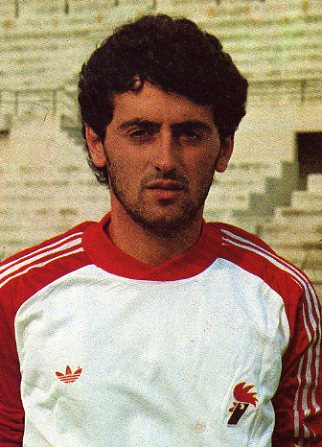
Former Roma director Franco Baldini. Public domain image
The matter reached prosecutors in Naples, eager for a “revenge” against the football system and then-FIGC president Franco Carraro.
Serving as an intermediary was Franco Baldini, then Roma executive, who maintained extensive contact with investigators.
In May 2006, the Naples prosecutor officially charged Moggi, Bergamo, and Carraro, while the Prodi government pushed the CONI to appoint a commissioner, choosing Guido Rossi, later linked to Telecom and the Inter ownership sphere.
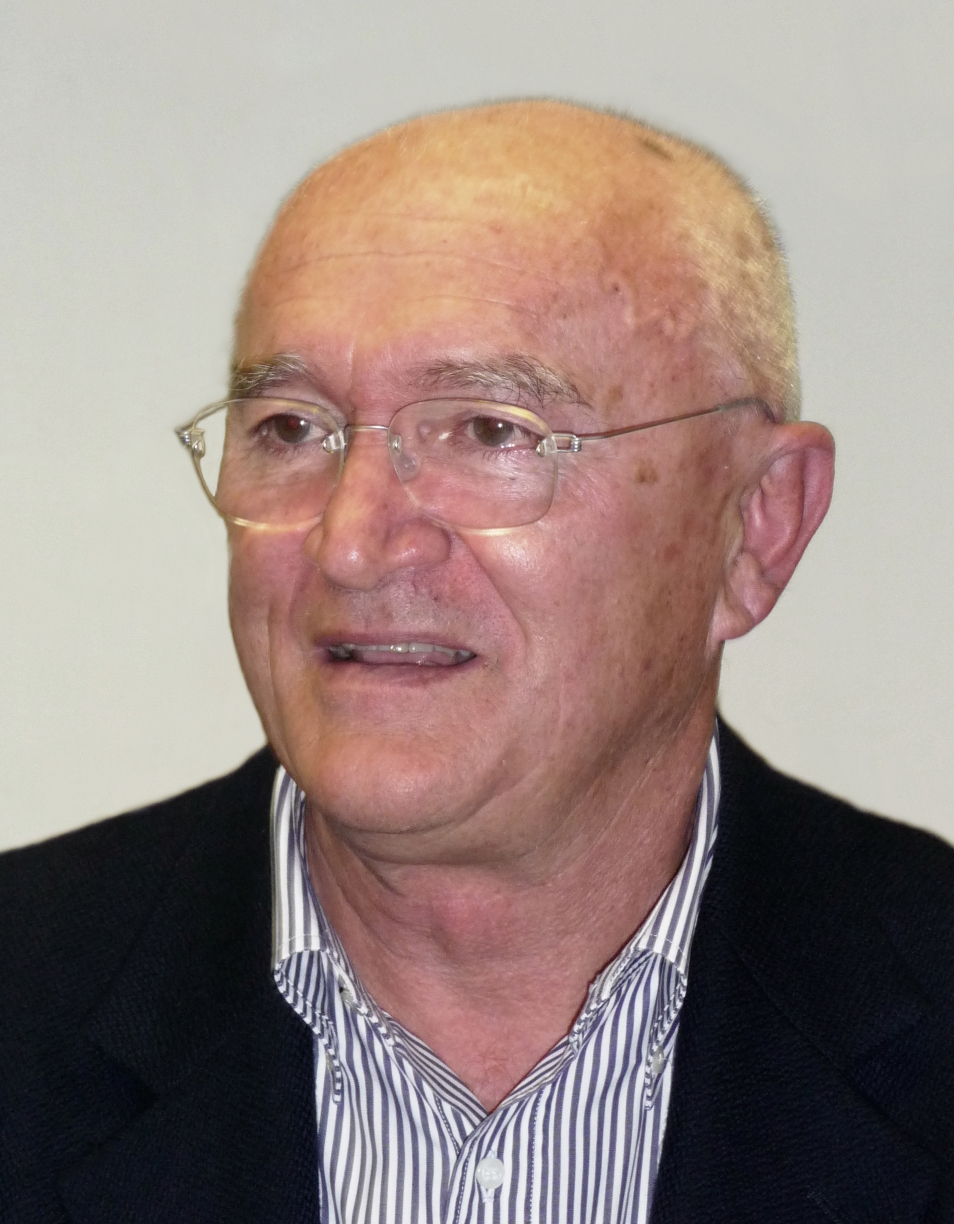
Former referee selector Paolo Bergamo. Photo by Lucarelli, CC BY-SA 3.0, via Wikimedia Commons
After sanctions against Juventus and Milan, the 2006 title was revoked from Juventus and awarded to Inter, who had finished third.
The key evidence involved Swiss SIM cards allegedly used for secret communication, obtained through irregular procedures.
Despite accusations, most referees were acquitted. Only Massimo De Santis was found guilty, but for matches unrelated to Juventus.
No proof emerged of widespread match-fixing, and the championships were officially deemed regular.
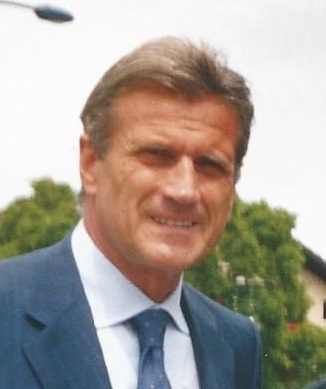
Giacinto Facchetti. Photo by Christophe95, CC BY-SA 3.0, via Wikimedia Commons
Prosecutor Giandomenico Lepore later revealed that investigations were about to involve many other clubs, including Inter, but were abruptly stopped after leaks to the press.
Evidence showed multiple clubs contacted referees, including Inter.
Phone calls involving Facchetti revealed explicit requests for favorable refereeing decisions.
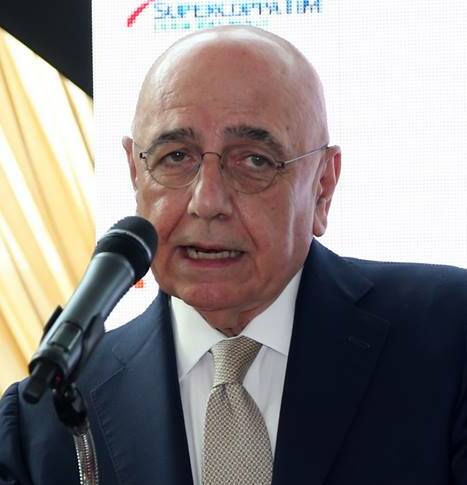.jpg)
Adriano Galliani, former AC Milan CEO. Photo by Save the Dream, CC BY 2.0
Milan, under Silvio Berlusconi and Adriano Galliani, also exerted pressure through official Leonardo Meani, who contacted referees directly.
Meetings, requests for favors, and influence attempts emerged from wiretaps.
Prosecutor Stefano Palazzi in 2011 concluded that Inter could also be guilty of sporting misconduct, but no action was taken due to statute of limitations.
Report could have gone deeper, for example on potential alliances within football power structures.
As Karl Marx said, “history repeats itself, first as tragedy, then as farce.”
As this is written, a new hearing is ongoing regarding Juventus and financial penalties. The outcome will determine whether history is repeating itself once again.
Stay safe, see you next time!
.jpg)
I'm part of ITALYGAME Team
together with:
@girolamomarotta, @sardrt, @mikitaly, @mad-runner, @famigliacurione
 👉 VOTE US AS YOUR WITNESS👈
Upvoted! Thank you for supporting witness @jswit.