Tech Blog #241 | vivo V70 : Ultrasonic Fingerprint in a Mid-range..
vivo keeps refining its mid-range “V” series, and the vivo V70 5G feels like the next logical step after the vivo V60 5G. With both phones sitting in the same overall segment and carrying similar cores, the big differences come down to how much vivo has polished the formula rather than any single dramatic upgrade.
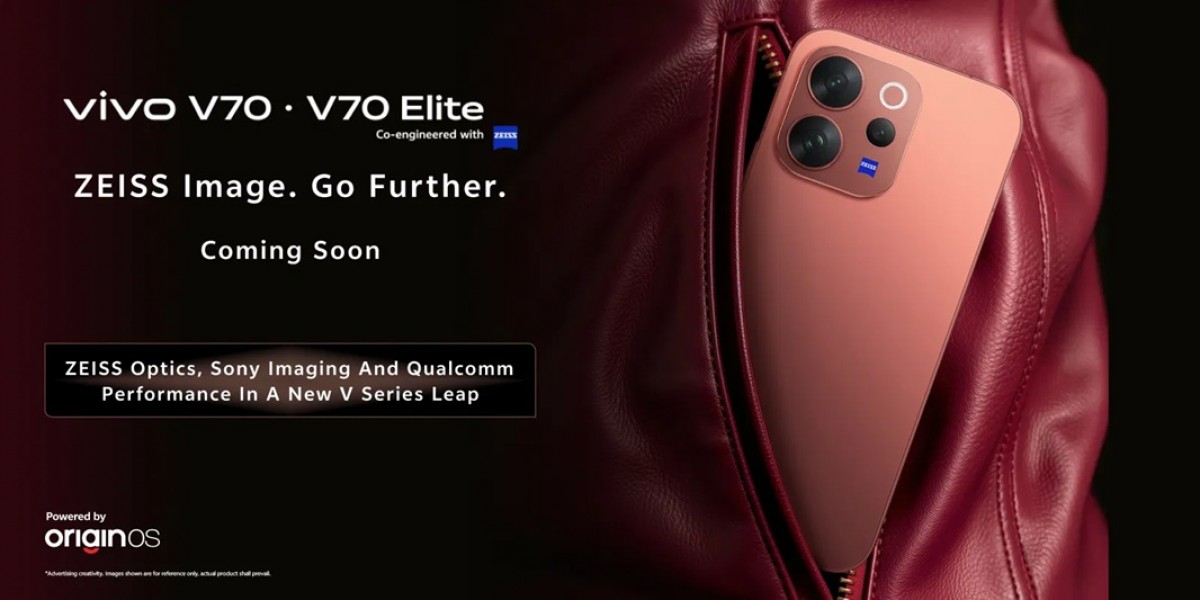
Let’s start with the display. The #vivo V70 uses a smaller 6.59-inch flat AMOLED panel with a slightly higher resolution compared to the 6.77-inch panel on the V60. That results in a bit more pixel density and more screen real estate for content and multitasking. Both screens support a 120 Hz refresh rate, and both aim for bright and punchy colours, but the V70’s panel looks a touch more refined with a newer generation AMOLED tuning.
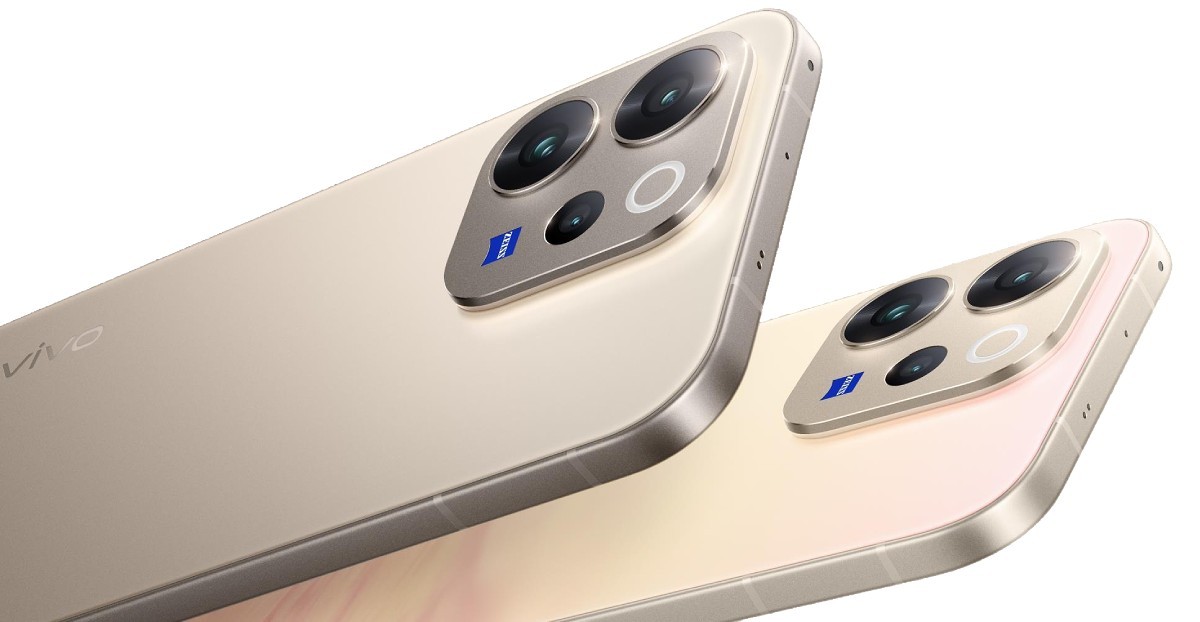
Under the hood, both phones rely on Qualcomm’s #Snapdragon 7 Gen 4 chipset, which delivers smooth everyday performance and solid multitasking. This means daily tasks like browsing, social media, navigation and light gaming feel familiar on both devices. There isn’t a huge leap in performance between the two since the core silicon remains the same. Memory configurations differ somewhat — the V70 tends to settle on more modern LPDDR5X RAM and UFS 4.1 storage in its higher trims — while the V60 mixes LPDDR4X and UFS 2.2 depending on the region and storage.
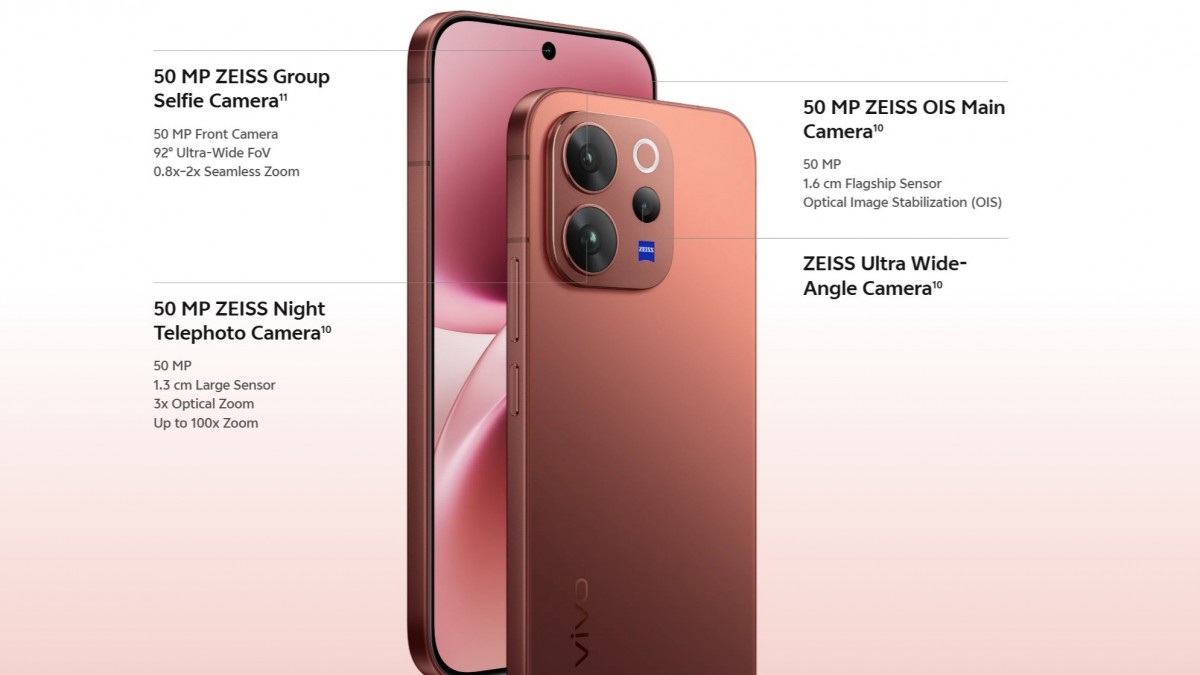
Cameras are another area where vivo sticks to what works, but with subtle improvements. The V60 came with a strong triple-camera setup led by a 50 MP main sensor, a 50 MP telephoto with optical zoom and an 8 MP ultrawide unit, plus a 50 MP front camera that’s excellent for selfies. The V70 keeps the same numbers too. There might be slight upgrades in sensors used but it is merely noticeable.
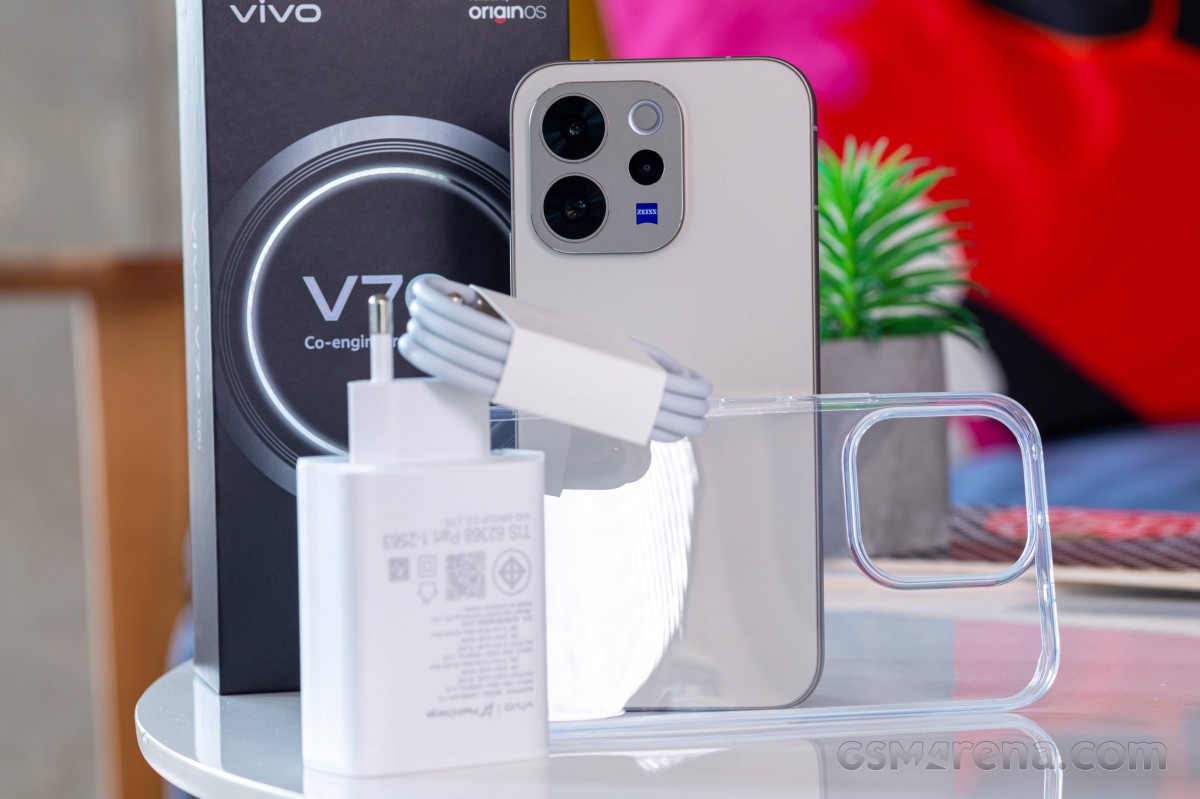
Battery capacities are also same on both phones, with both the V60 and the V70 packing 6500 mAh battery. Charging speeds are also same at 90W. It's quite reasonable not to upgrade because these numbers are enough for these smartphones. Also, V70 has a slightly smaller display.
Can't say they've upgraded in software department also. The both smartphones support up to four years of OS upgrades and six years of security patches. The V70 ships with OriginOS 6 on #Android 16 in most regions, which feels more polished and brings newer UI features, smoother animations and more AI-centric tools. But V60 will get that update too.
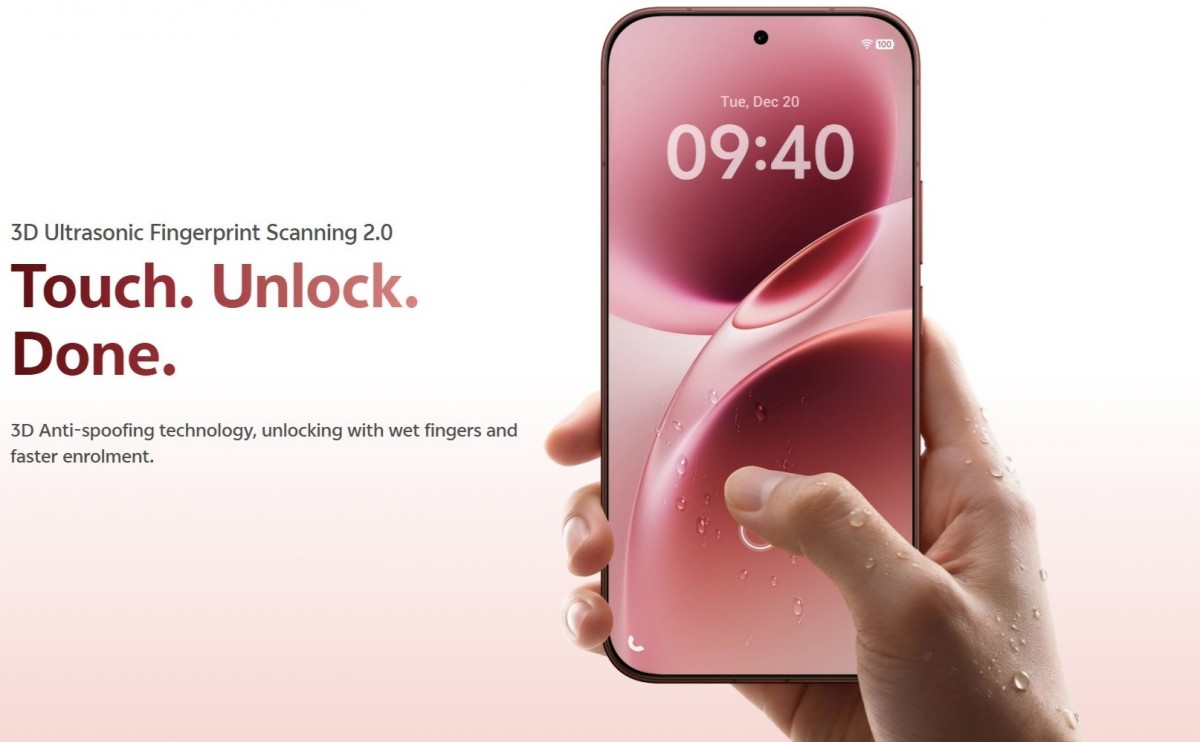
Design-wise, both phones feel like premium mid-range devices with AMOLED displays and IP ratings that keep them safe from dust and water. The V70 looks a bit more refined overall and tends to feel lighter and slightly more compact and flat, but it’s not all upgrades. But the introduction of ultrasonic fingerprint sensor seems a good upgrade. Other than that, the core performance and general feature set remain familiar from the V60, and that’s fine because the V60 was already a capable phone.
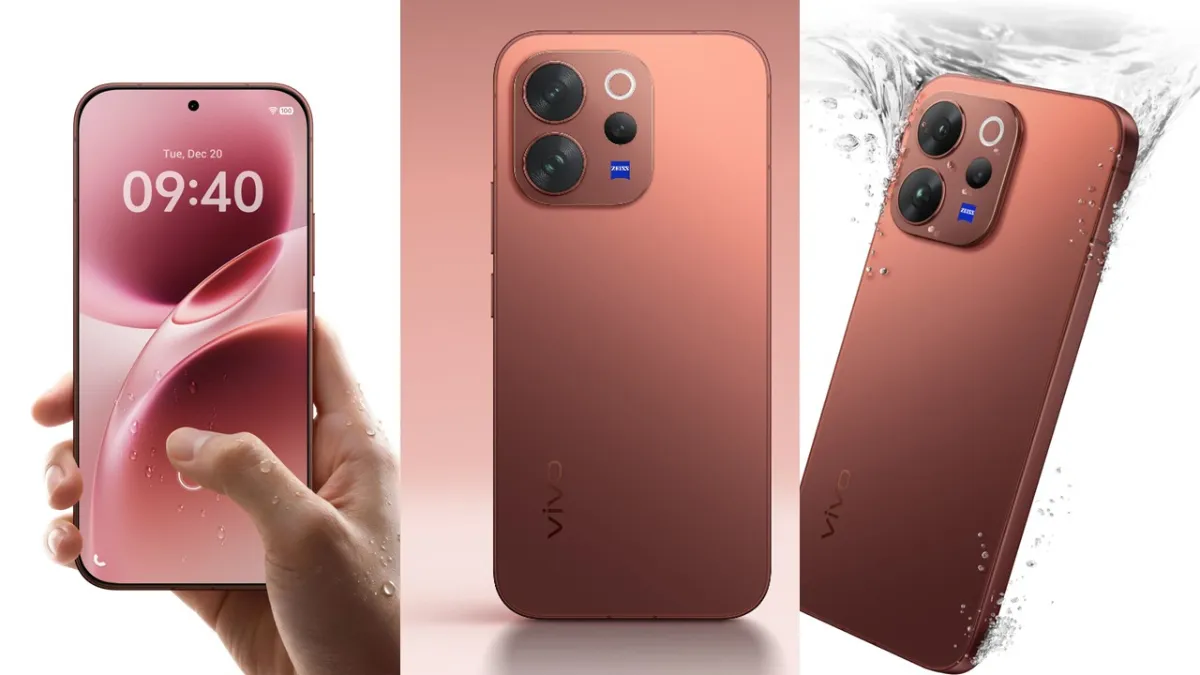
If you already own a V60, upgrading to the V70 doesn’t feel must-have. You get a slightly smaller screen, newer storage tech, a bit refined software, but the day-to-day experience is still quite similar. If you’re coming from an older phone or a different brand, the V70 is a more polished package overall.