Modern Agriculture: How Smart Farming is Shaping the Future of Food Production
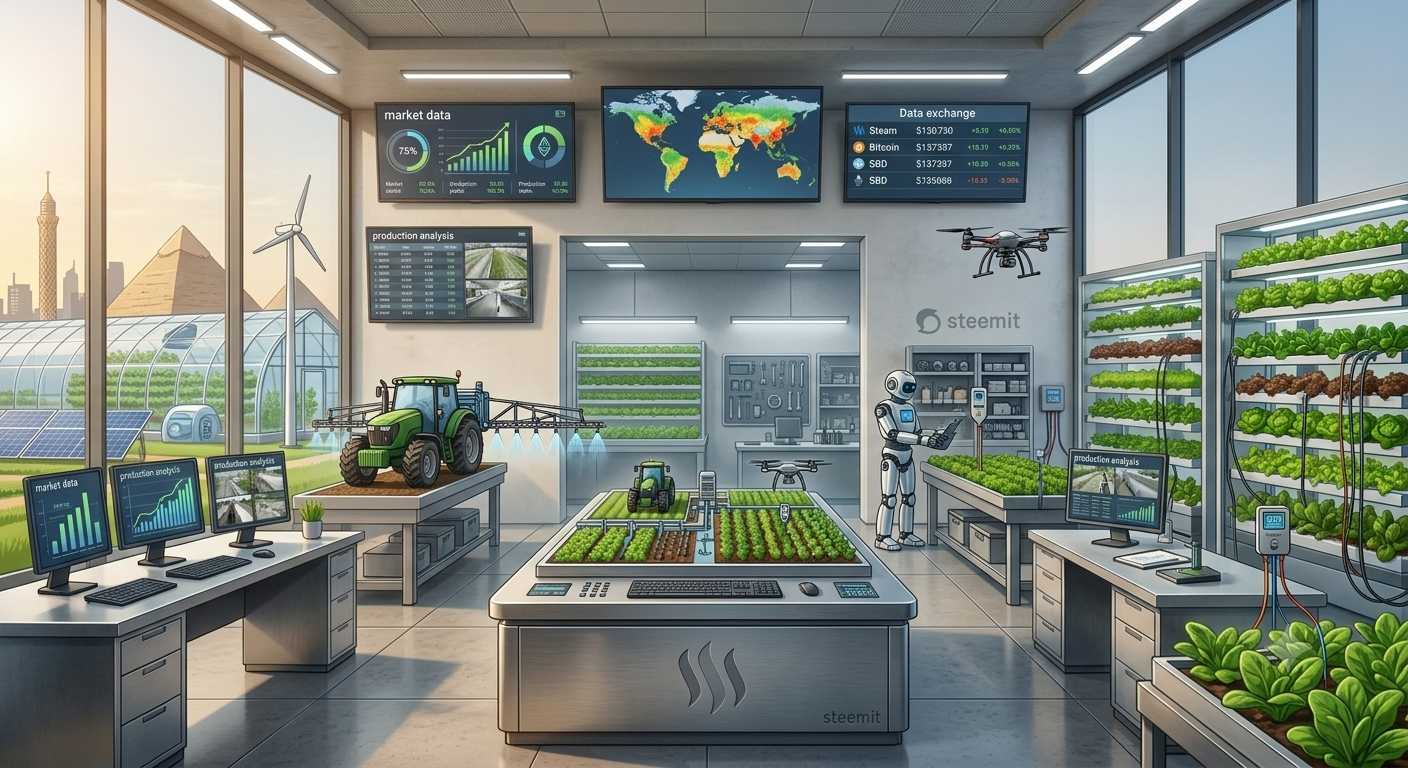
As the global population continues to grow, traditional farming methods face unprecedented challenges regarding land availability, water scarcity, and climate change. Fortunately, modern agriculture—powered by technology and innovation—is revolutionizing how we grow, harvest, and distribute food.
Smart farming is no longer a futuristic concept; it is a necessity for sustainable global survival.
1. Vertical Farming and Hydroponics
One of the biggest breakthroughs in modern agriculture is soil-free cultivation inside controlled environments.
Key advantages include:
Water Efficiency: Hydroponic systems use up to 90% less water than traditional soil farming through recirculation.
Space Optimization: Vertical stacks allow farmers to produce significantly higher crop yields per square meter.
Year-Round Harvesting: Indoor climate control eliminates reliance on seasonal weather patterns.
2. IoT and Precision Farming
The Internet of Things (IoT) has transformed traditional farms into data-driven operations.
Modern tools in action:
Smart Sensors: Soil sensors track moisture levels, temperature, and nutrient content in real time to optimize irrigation.
Agricultural Drones: Drones monitor crop health across vast field areas, identifying pest infestations early.
Automated Machinery: GPS-guided tractors ensure precise seeding and fertilizing, reducing waste.
3. Sustainability and Eco-Friendly Practices
Modern agriculture focuses heavily on protecting ecosystems while maintaining high yield outputs.
Key sustainable practices:
Integrated Pest Management (IPM): Reducing synthetic chemical pesticides by using natural biological controls.
Drip Irrigation: Delivering precise amounts of water directly to crop roots to minimize evaporation loss.
Renewable Energy Integration: Powering farms and incubators using solar panels and wind energy.
Conclusion
The evolution of modern agriculture ensures food security while reducing environmental impact. By combining technology with ecological responsibility, smart farming builds a more sustainable future for agriculture worldwide.
Have you seen any smart farming technologies implemented in your local area? Share your thoughts in the comments below!..

Esto es genial, el dato de que los sistemas hidropónicos usan hasta un 90 % menos de agua me dejó pensando en cuánta agua podríamos ahorrar en la zona.