Atlas Explorer : Central Locomotive Workshop, Parbatipur
 |
|---|
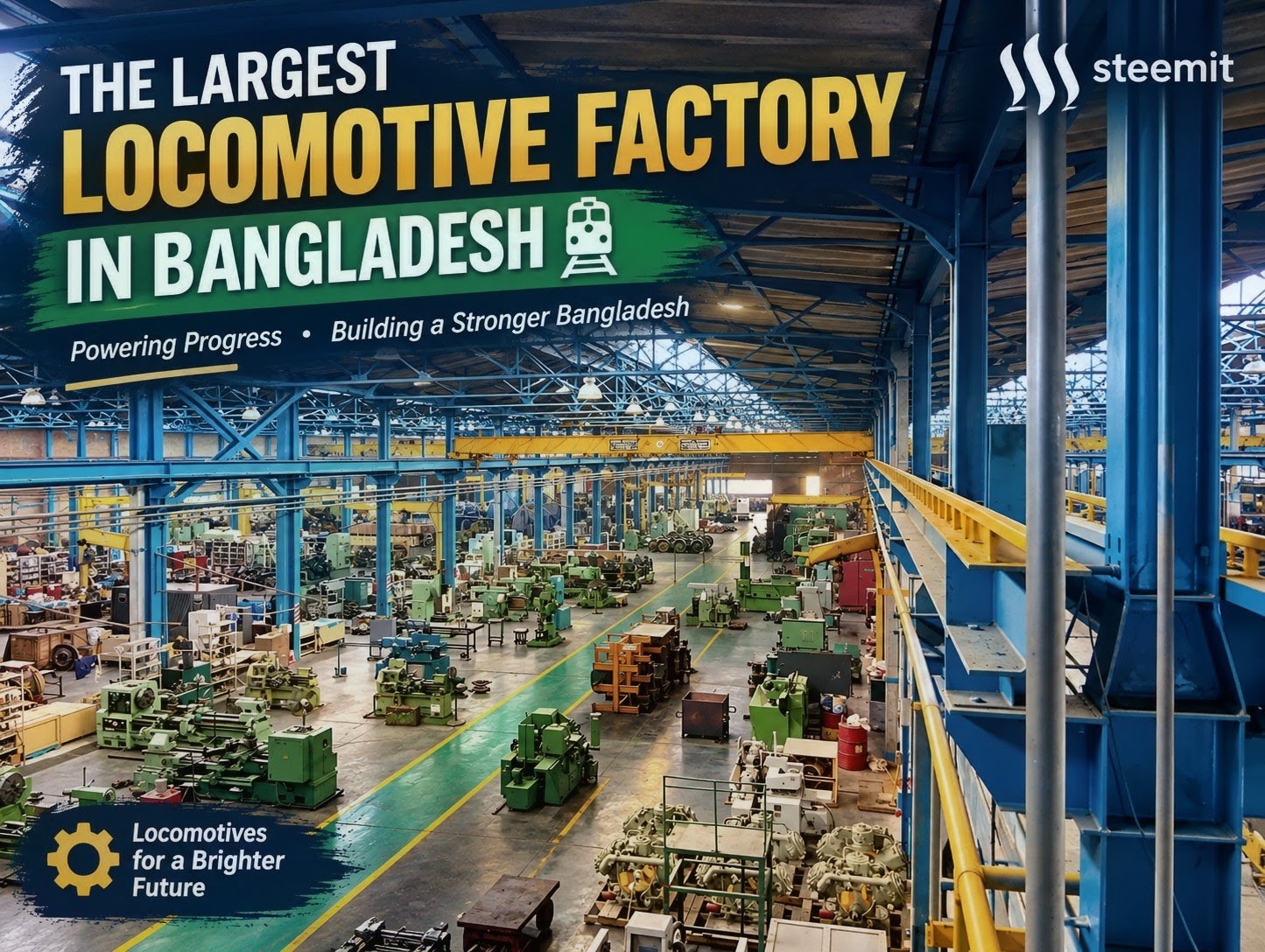
Today I want to share my experience of visiting the Central Locomotive Workshop of Bangladesh Railway, located in Parbatipur, Dinajpur.
This workshop is situated beside the Parbatipur-Saidpur Road and is one of the important locomotive maintenance facilities of Bangladesh Railway.
The Central Locomotive Workshop, commonly known as CLW, is responsible for different types of maintenance and repair work for locomotives.
Bangladesh Railway's official information identifies the Central Locomotive Workshop at Parbatipur as one of the places where locomotives are maintained.
The workshop has many skilled officers, employees and technical workers. Their work is an important part of keeping railway locomotives operational.
For me, however, this place is more than just a railway workshop. My father worked here for many years, and because of him, I have had the opportunity to visit this workshop several times.
Location
 |
|---|
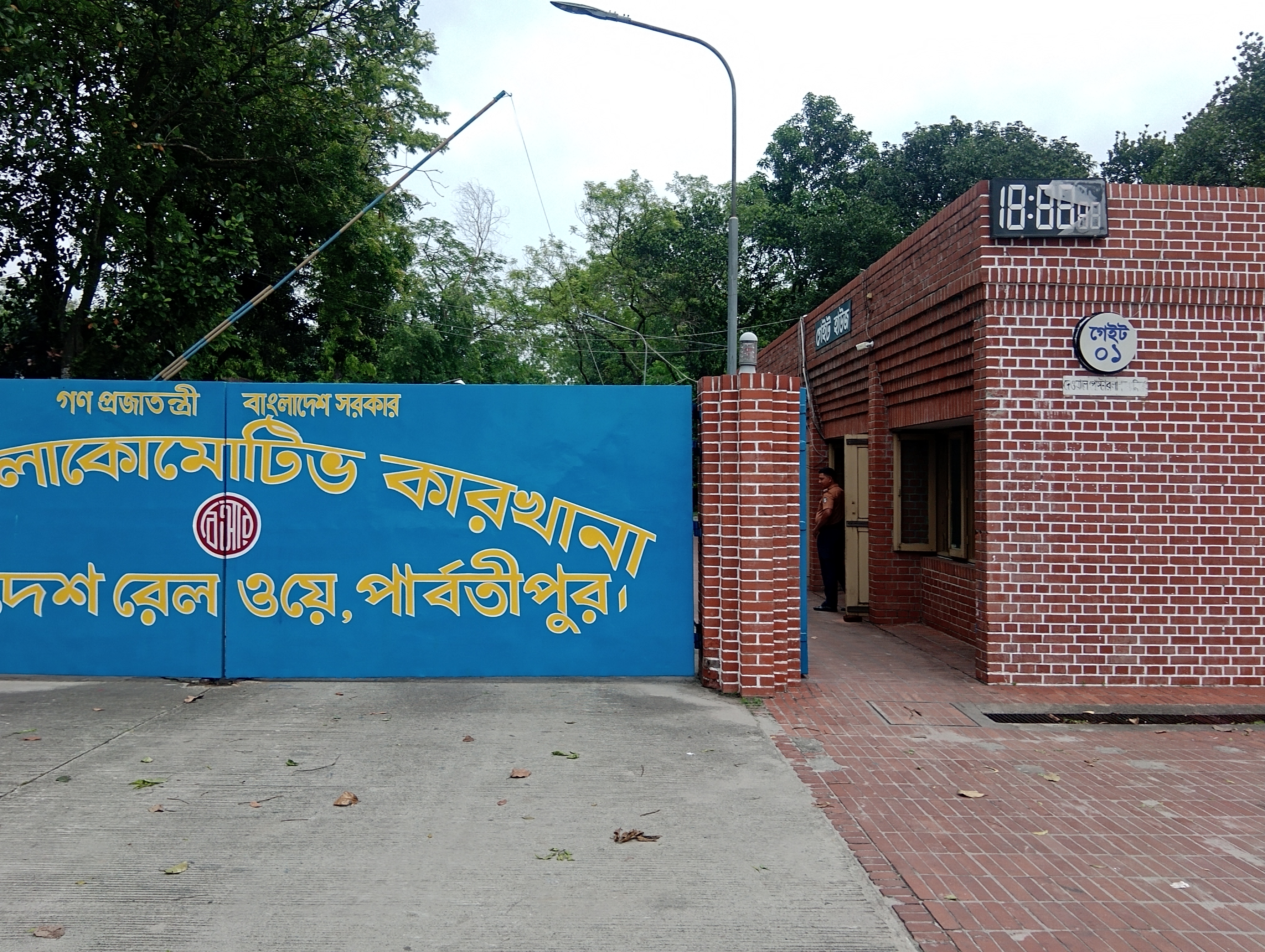
The Central Locomotive Workshop is located in Parbatipur town of Dinajpur District, beside the Parbatipur-Saidpur regional road.
Its location is also close to Parbatipur Railway Station. The workshop is a large complex, and there are different buildings, work areas, offices and facilities inside it.
The workshop is not an ordinary public place that anyone can freely enter. During my visits, I entered because of my father, who worked here. There are security arrangements at the gates, and visitors need proper permission or an authorized connection to enter the workshop area.
So, if you are interested in visiting this place, you should not assume that you can simply walk inside without permission.
Entering the Workshop
 |
|---|
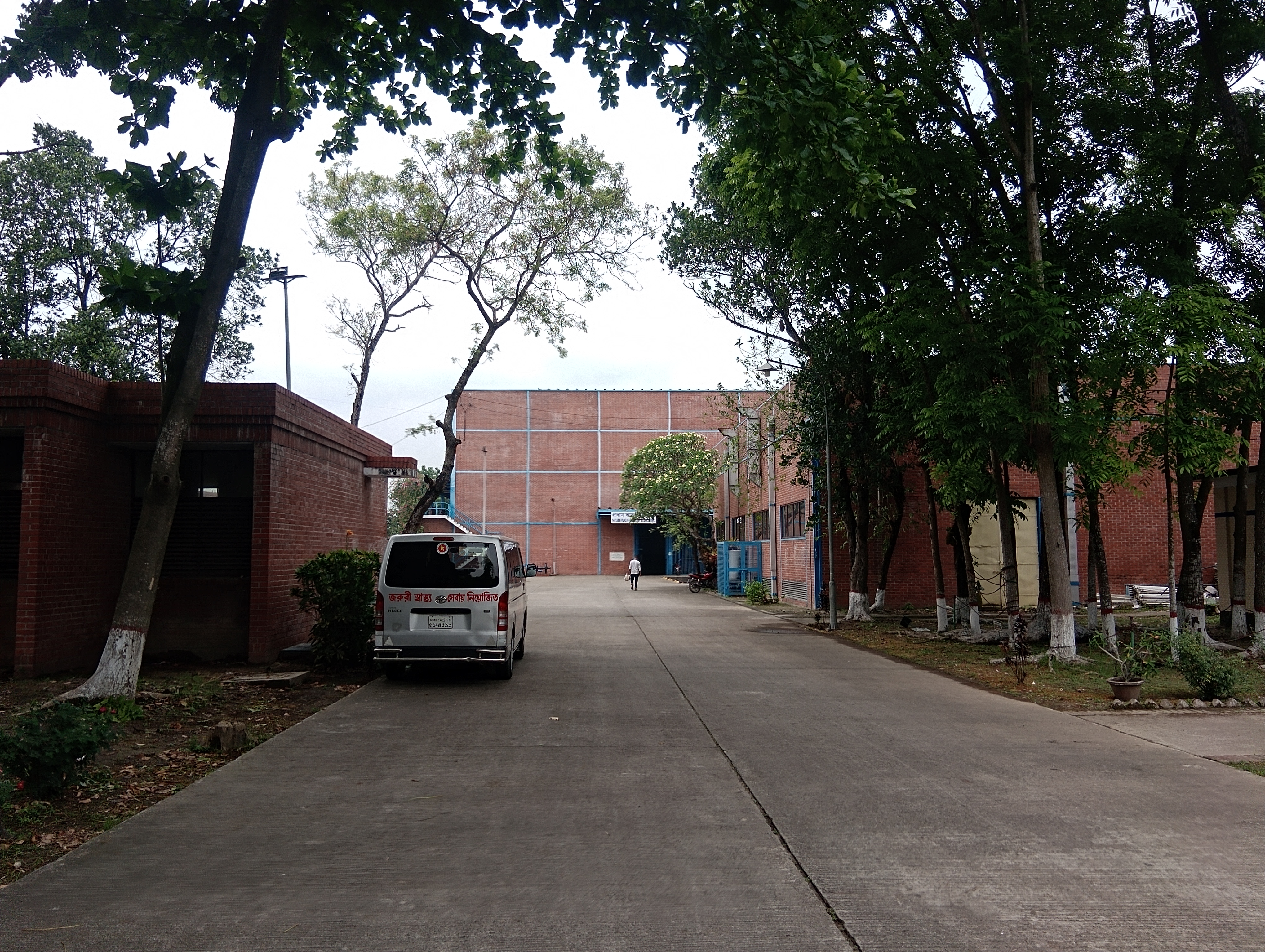
After entering through the gate, a road leads toward the main workshop area.
The first impression I had was that the place was much larger than I had imagined. There are different roads, buildings, workshops and work areas spread throughout the complex.
The environment inside is quite different from the busy roads outside. It is relatively quiet, while at the same time many people are busy with their work.
As you move toward the main workshop, you begin to understand that this is not simply a place where trains are parked. A large amount of technical work takes place here.
Main Workshop Building
 |
|---|
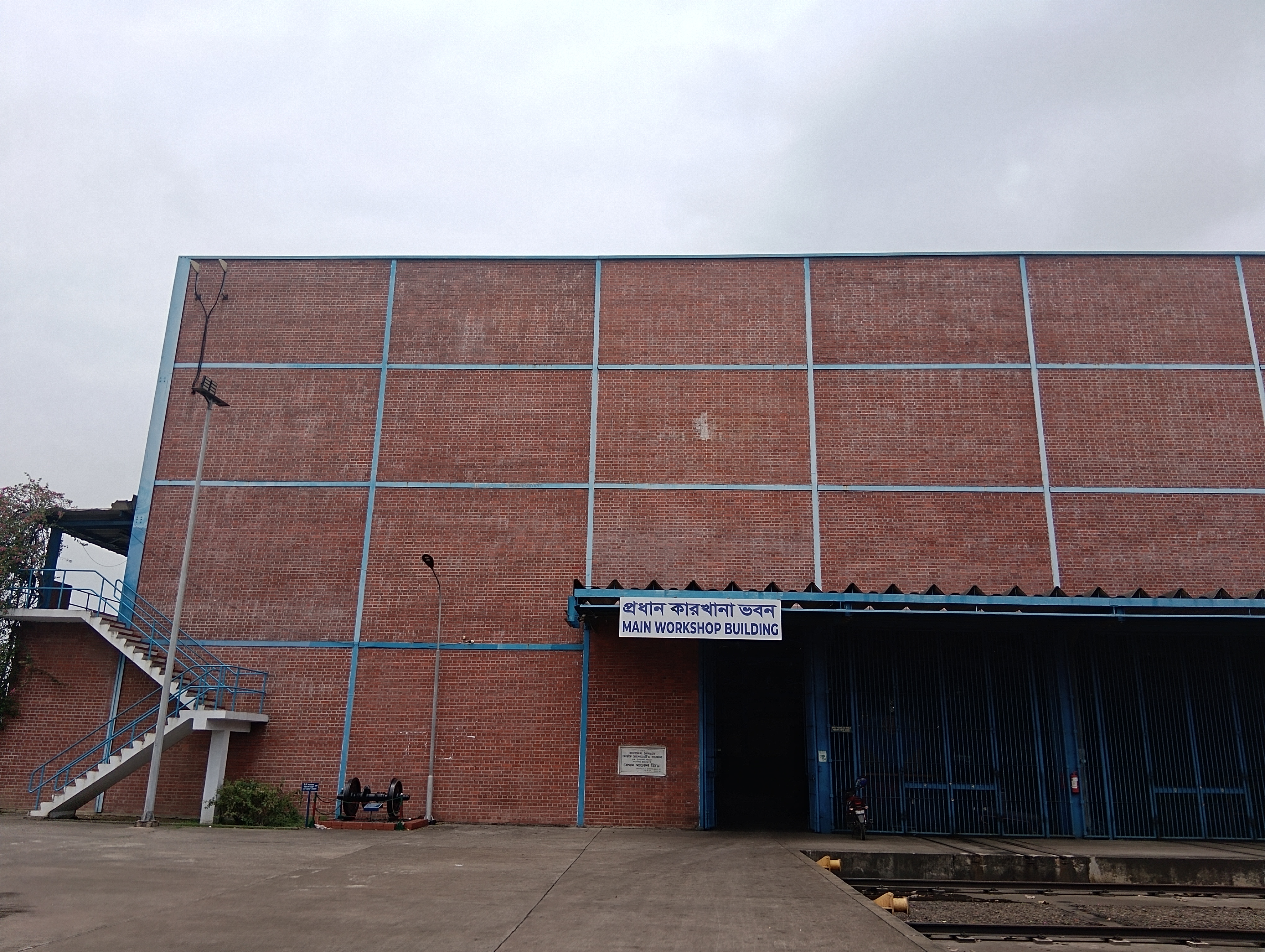
The main workshop building is one of the most interesting parts of the entire complex for me.
When I first looked inside, I was surprised by the number of machines, locomotive parts and different types of equipment.
The workshop is designed for technical and mechanical work, so you can see machinery and railway components in many different areas.
My father had his office on the second floor of the main workshop building, which was another reason I became familiar with this place.
Train Transfer Table
 |
|---|
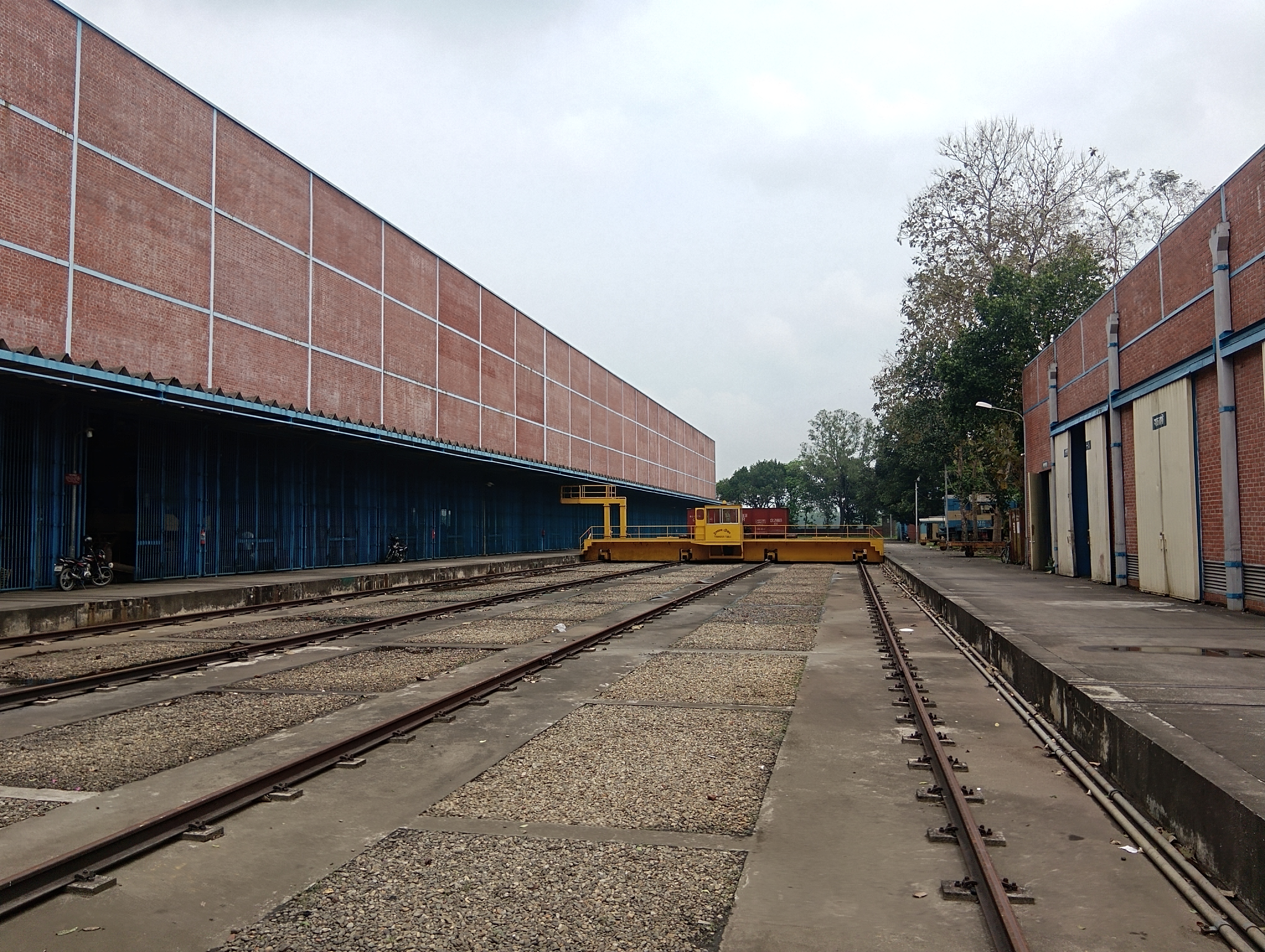
One of the interesting pieces of railway infrastructure inside the workshop is the train transfer table, also known as a traverser.
It is used to move locomotives or railway vehicles between parallel tracks within a workshop area.
For someone who is interested in railways, seeing this type of equipment from close range is quite interesting. It is very different from what an ordinary railway passenger normally sees at a station.
Inside the Main Workshop
 |
|---|
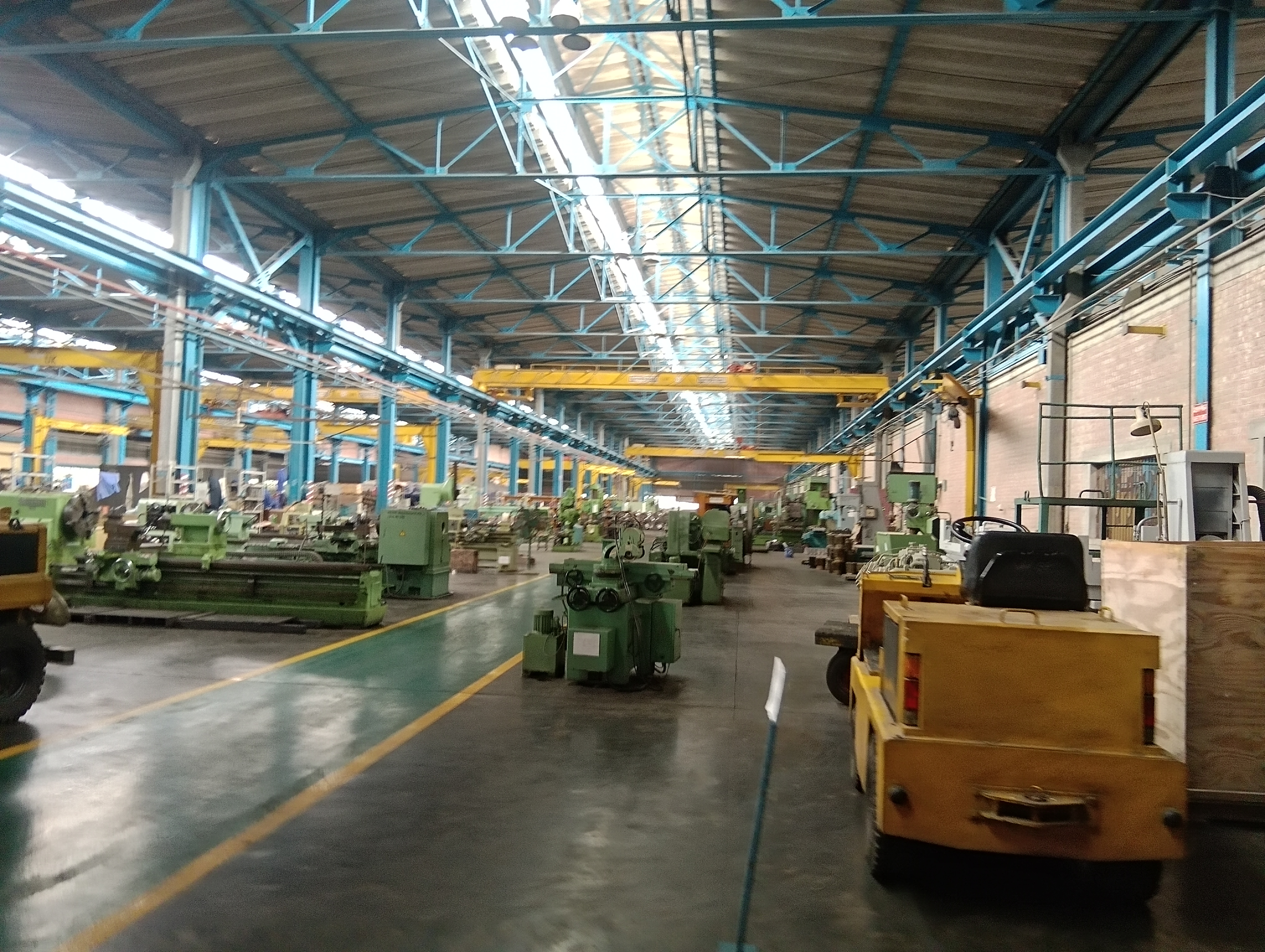
The inside of the workshop is where I became most impressed.
There are many types of heavy machinery and technical equipment. Walking through the workshop gives you a completely different feeling compared with visiting a normal railway station.
The workers are busy with different tasks, and there are machines and railway parts throughout the work areas.
I was surprised to see how much work happens behind the scenes before a locomotive can return to railway service.
Walking Between the Heavy Machinery
 |
|---|
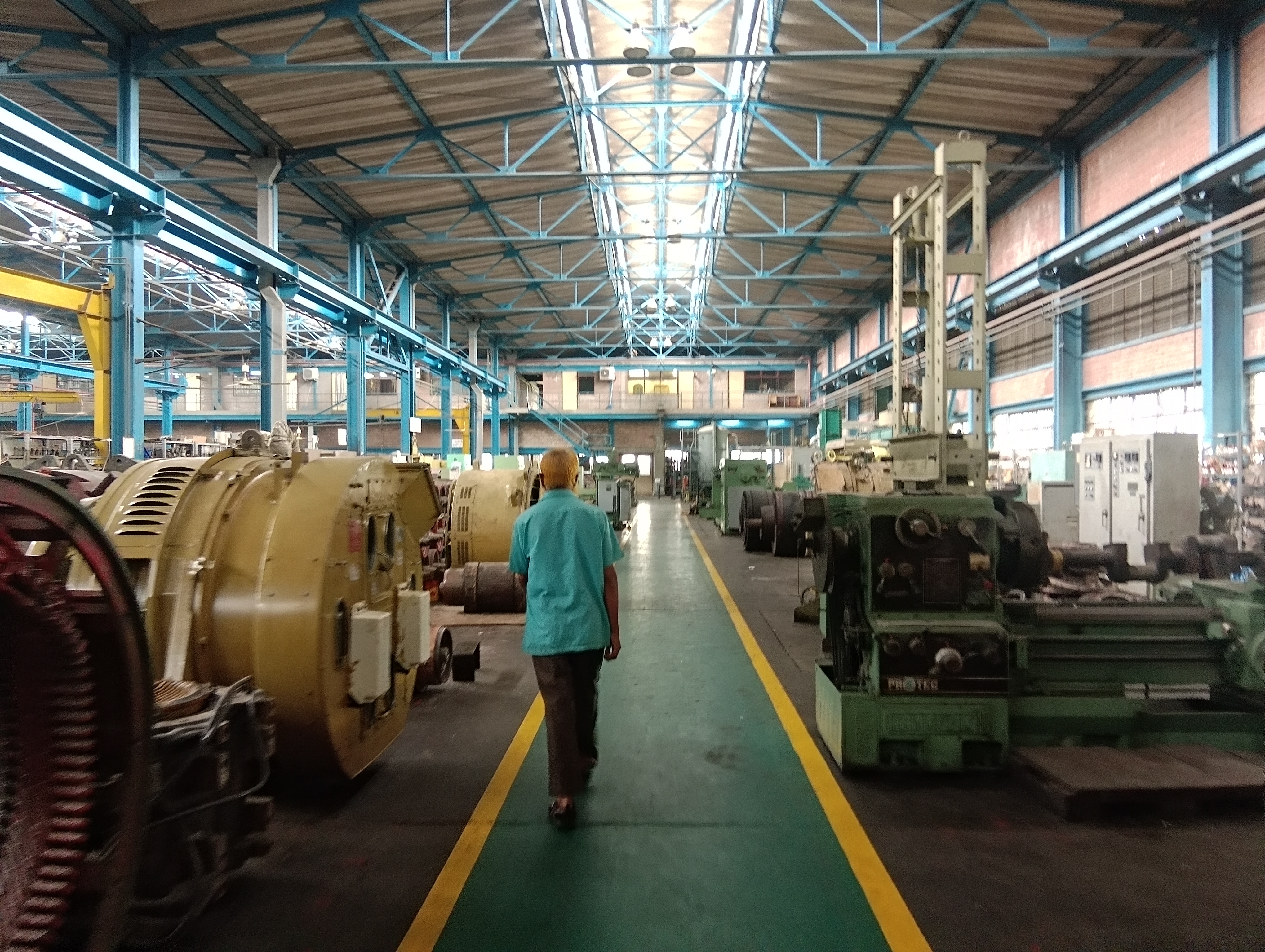
Walking between the heavy machinery on both sides was a fantastic experience for me.
I have seen locomotives many times from outside, but seeing the machines and components used for their maintenance is a completely different experience.
There were many things that made me curious. Some machines were huge, while other equipment was used for specific technical jobs.
Without someone explaining the purpose of every machine, it is difficult for an ordinary visitor to understand exactly what each piece of equipment does.
Railway Tracks Inside the Workshop
 |
|---|
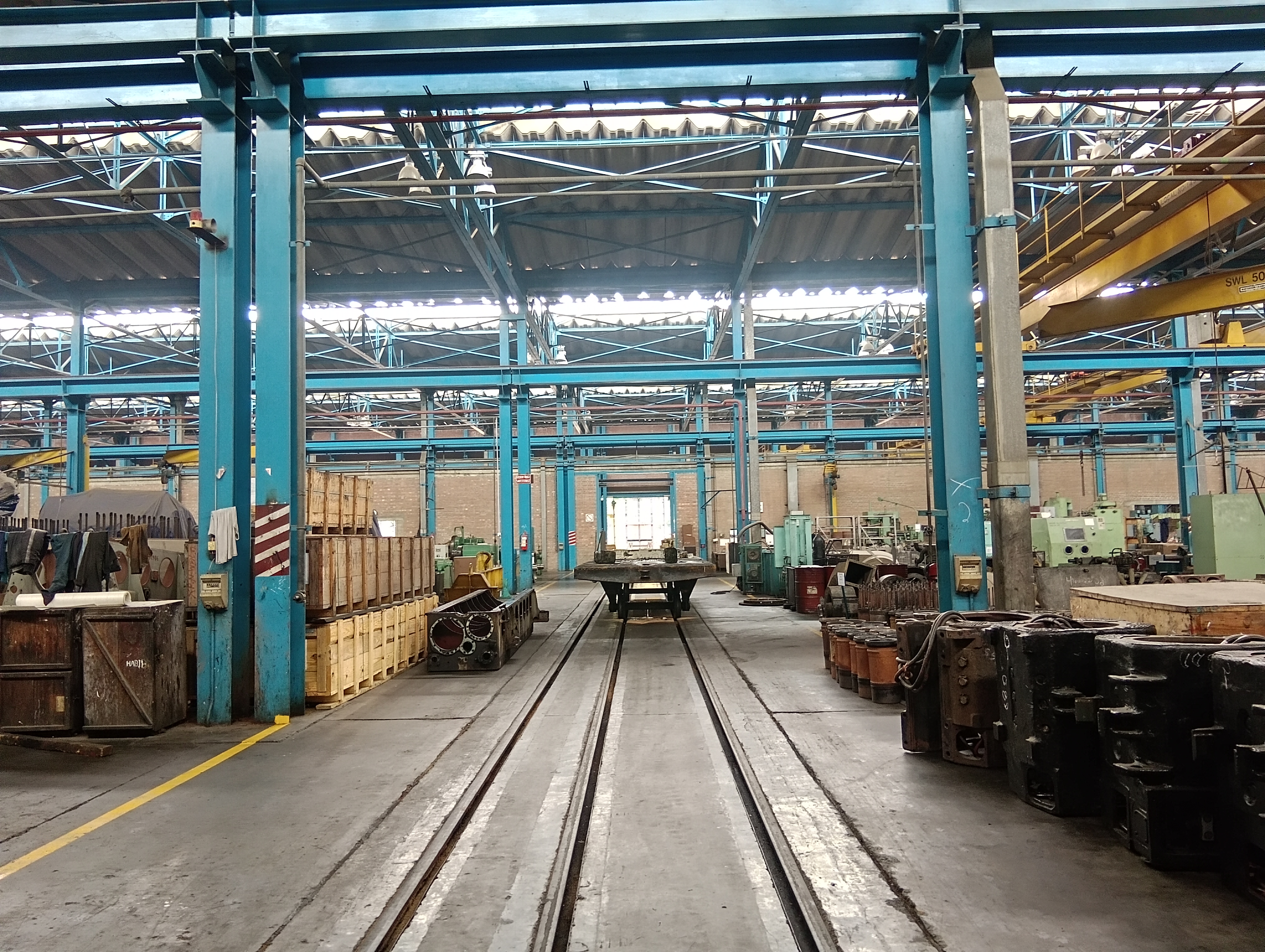
There are also railway tracks running through the workshop.
These tracks allow locomotives and railway vehicles to be positioned in different sections for maintenance and repair.
Seeing railway tracks inside a large industrial building was an interesting experience for me. It shows how different the working environment of a railway workshop is from what passengers normally see.
Machines and Railway Parts
 |
|---|
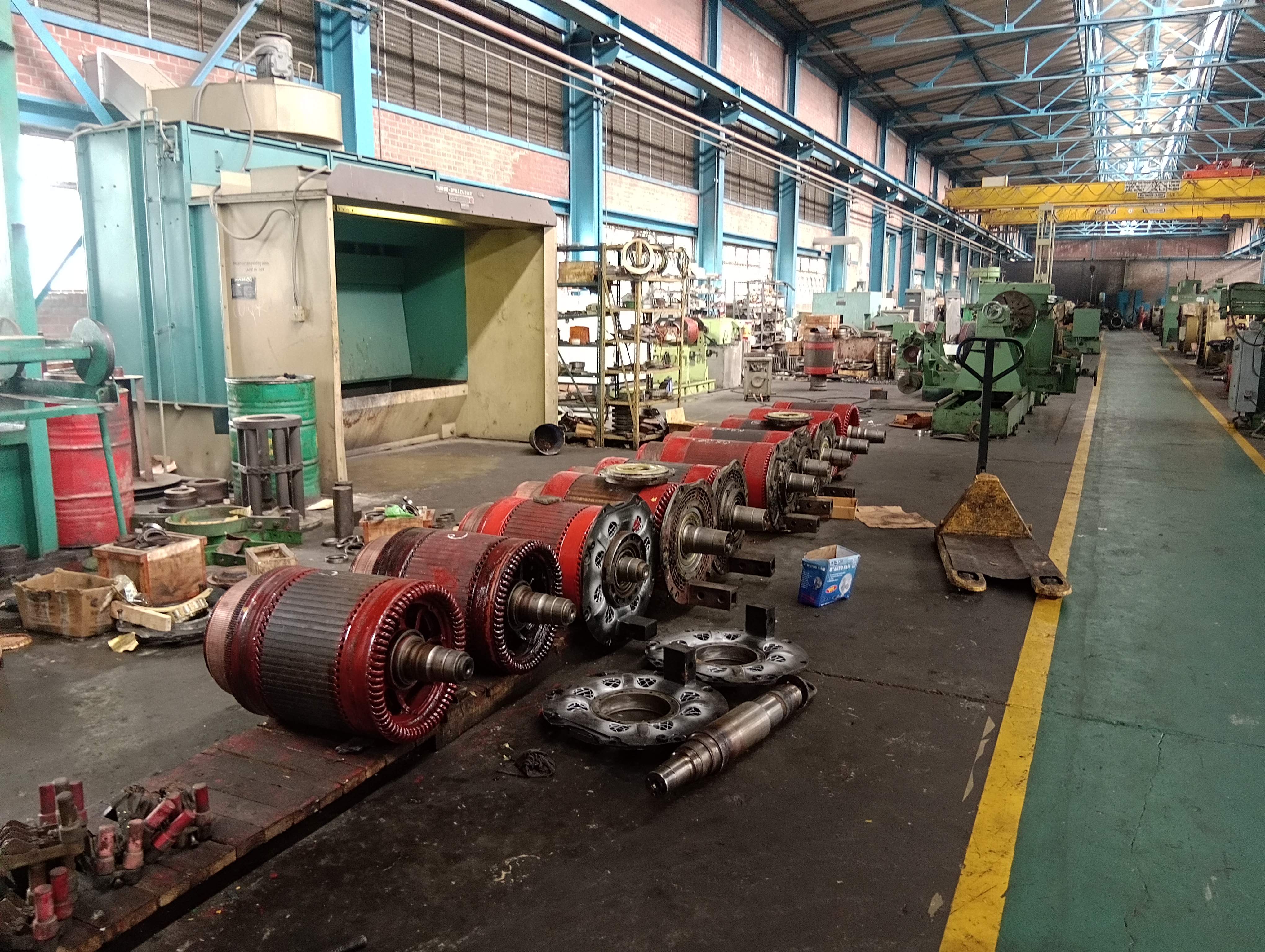
There were many machines, tools and railway parts around the workshop.
Some parts were large and heavy, while others were smaller components used in different sections of locomotives.
This was one of the things that surprised me the most. Before visiting the workshop, I did not have a clear idea of how many individual parts and machines are involved in locomotive maintenance.
Large Motor and Traction Motor Components
 |  |
|---|---|
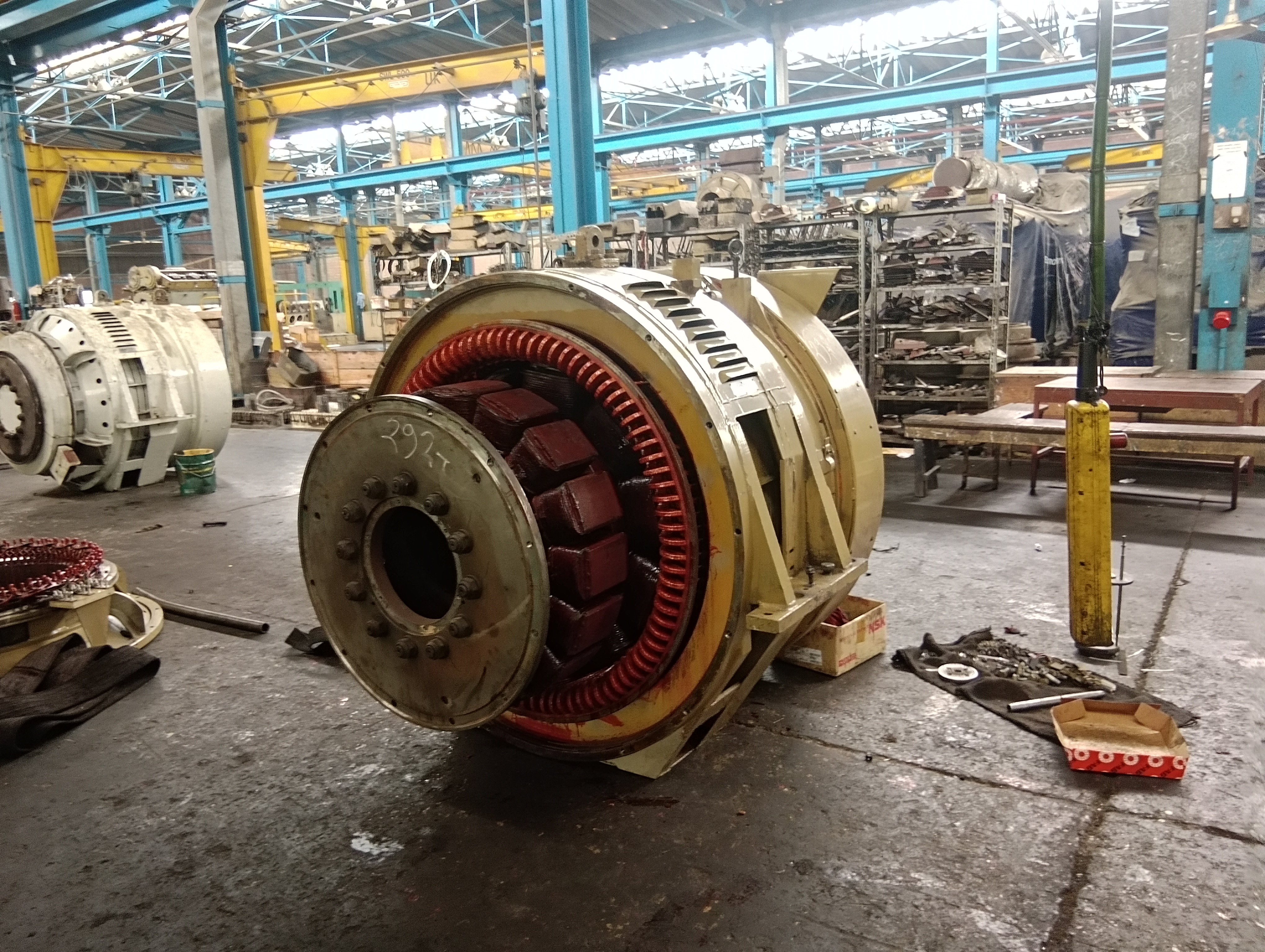
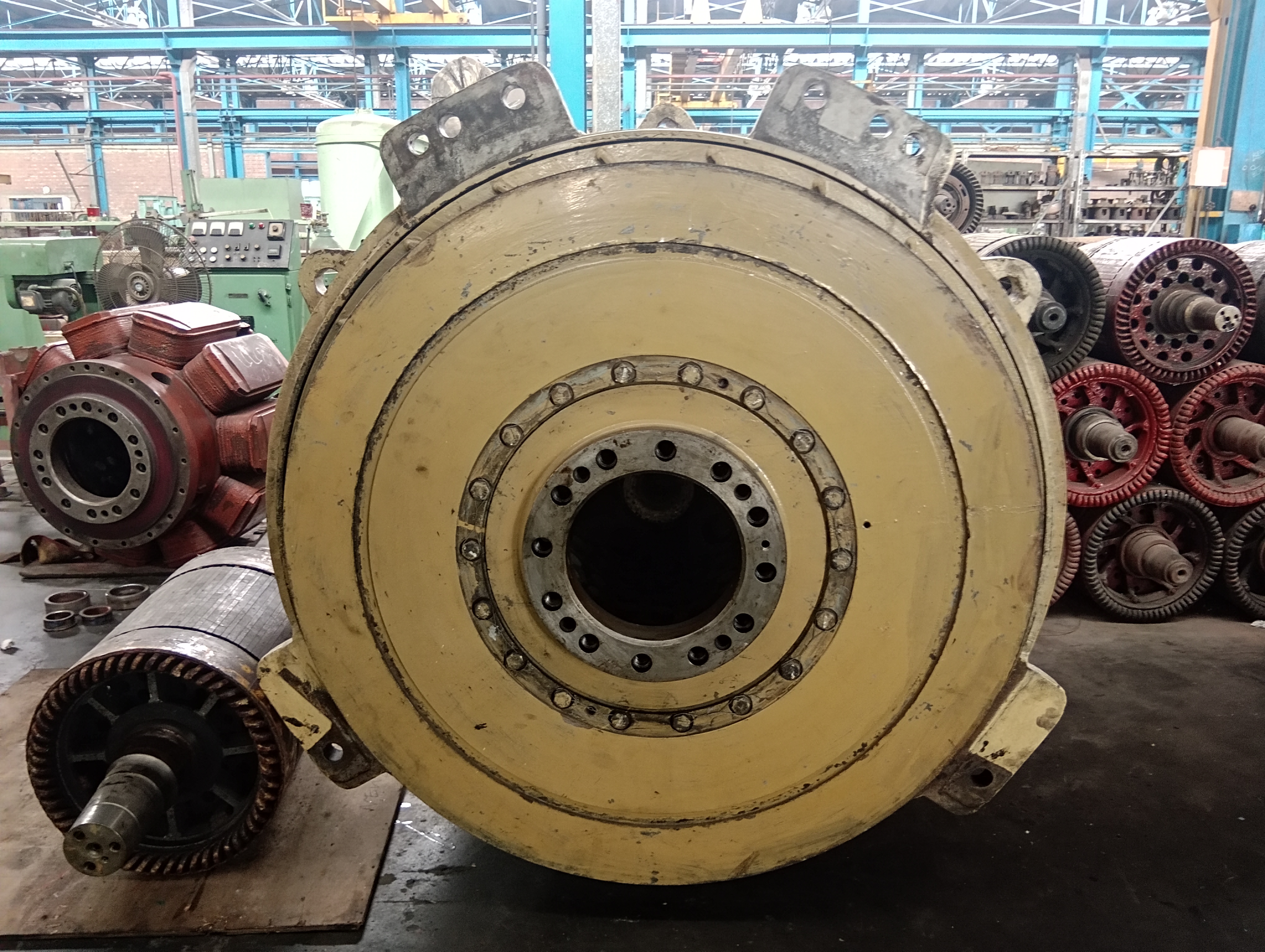
One of the large components I saw inside the workshop was a motor.
These large mechanical and electrical components are an important part of locomotive systems. Seeing them outside the locomotive itself helped me understand how complex a locomotive actually is.
 |
|---|
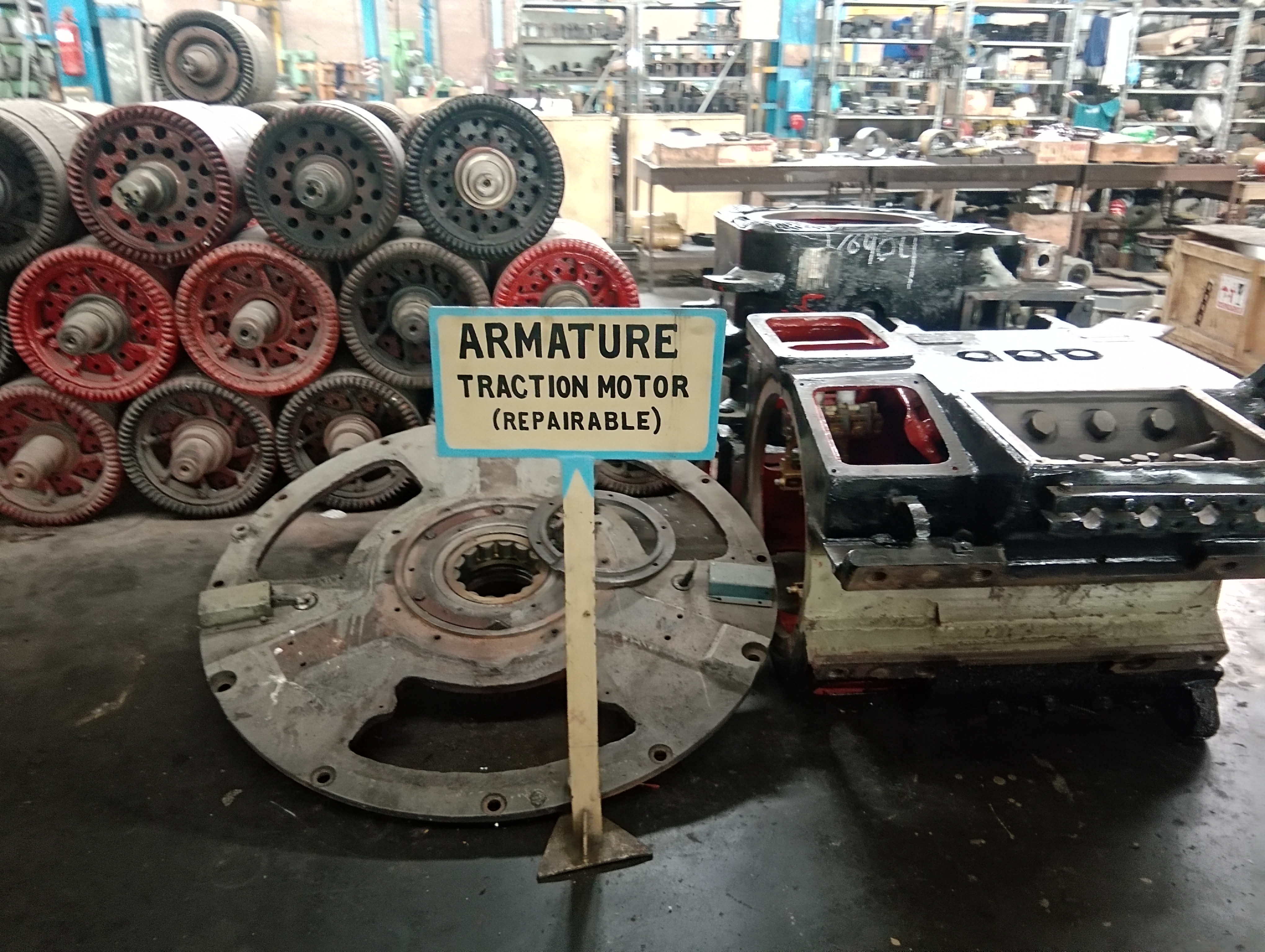
I also saw an armature traction motor marked as repairable.
For someone without technical knowledge, these components may look like ordinary pieces of machinery. But inside a locomotive workshop, every component has a specific purpose and has to be inspected, repaired or replaced when necessary.
 |
|---|
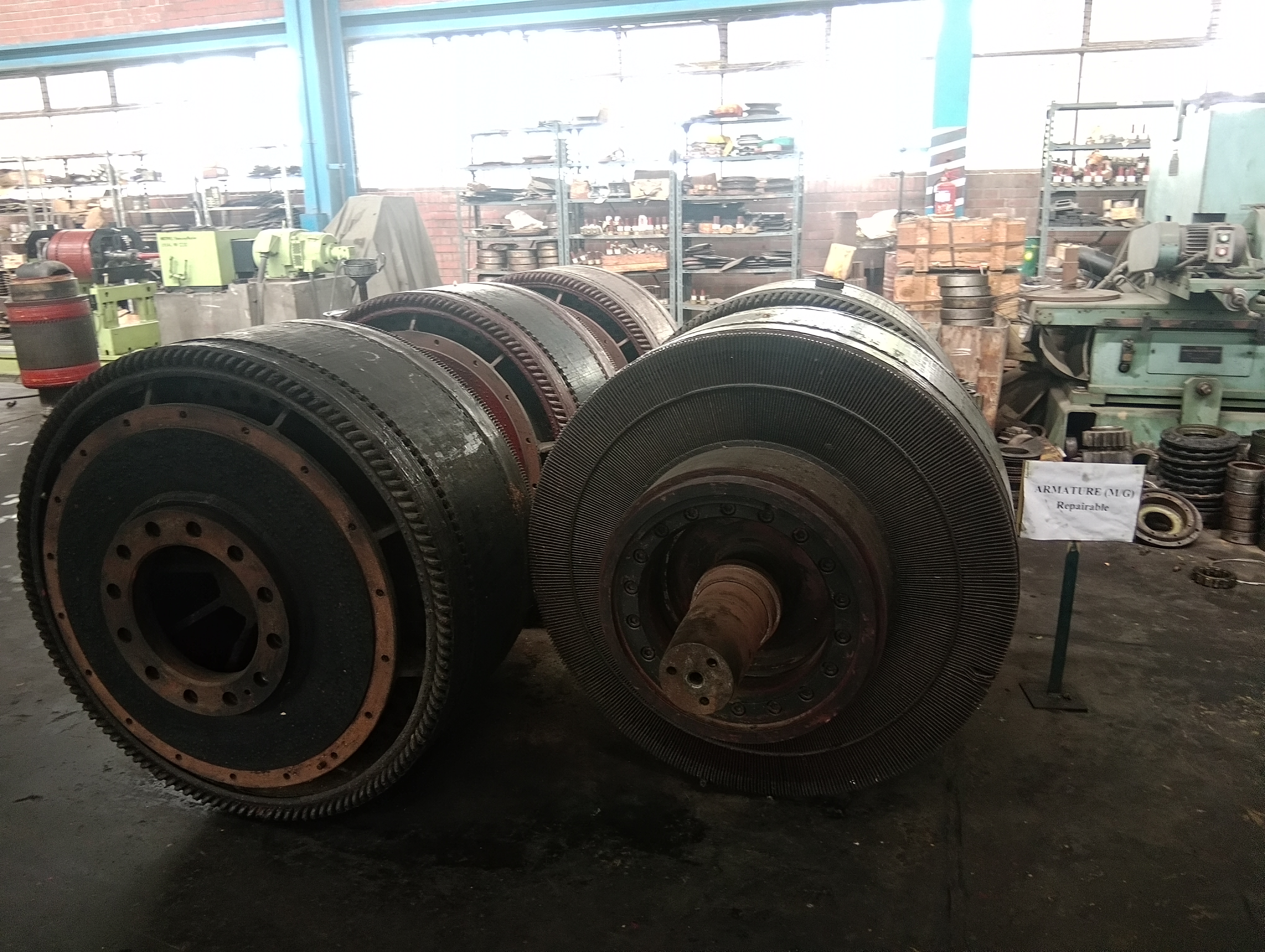
Another component I saw was an Armature (M/G) marked as repairable.
Seeing these parts made me realize how much technical work is required to maintain a locomotive properly.
Lathe Machine
 |
|---|
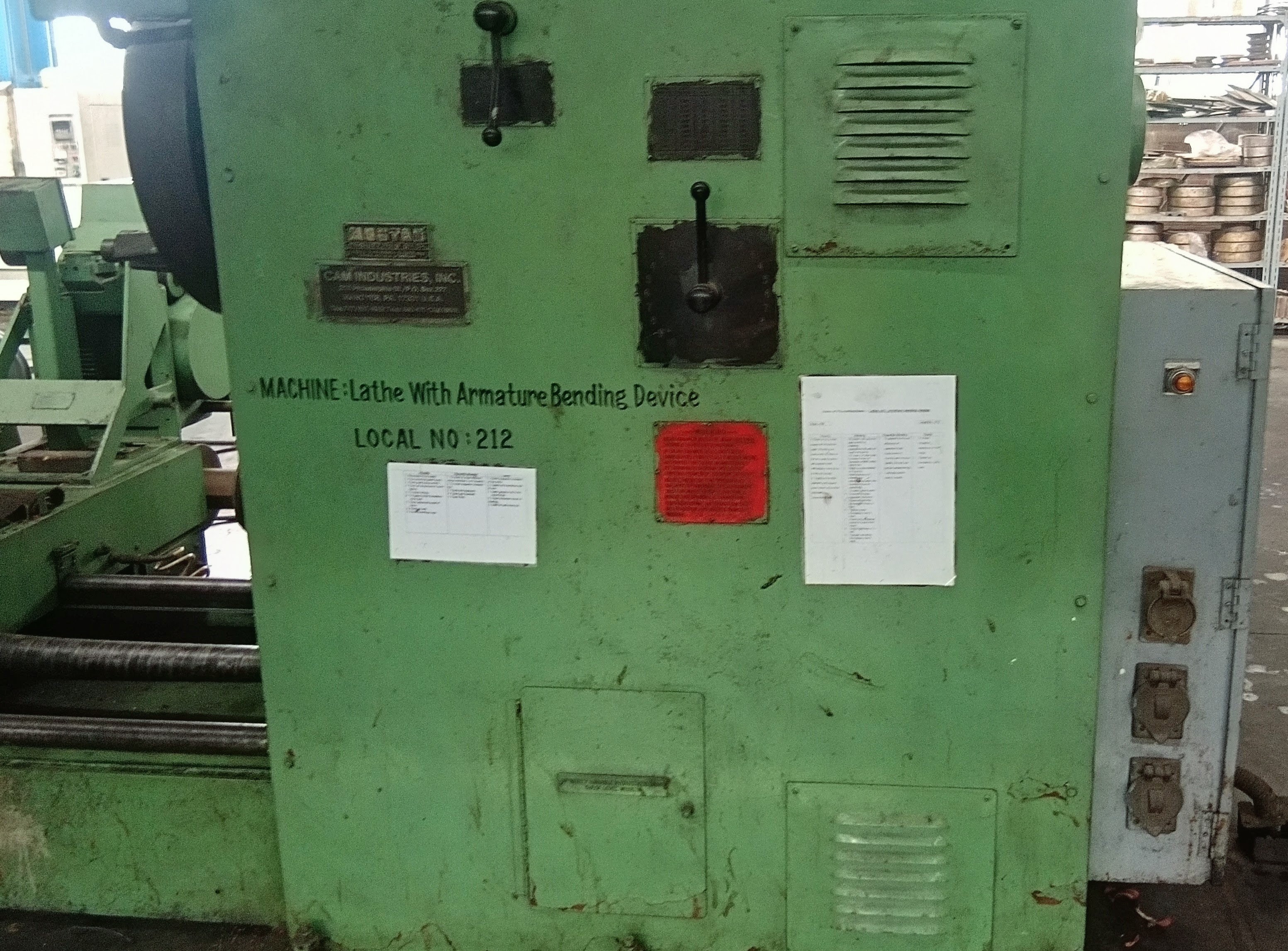
There are also specialized machines inside the workshop.
This photograph shows a lathe with an armature bending device. The presence of such specialized machinery shows that the workshop performs different types of technical and repair work rather than simply replacing damaged parts.
Other Equipment
 |
|---|
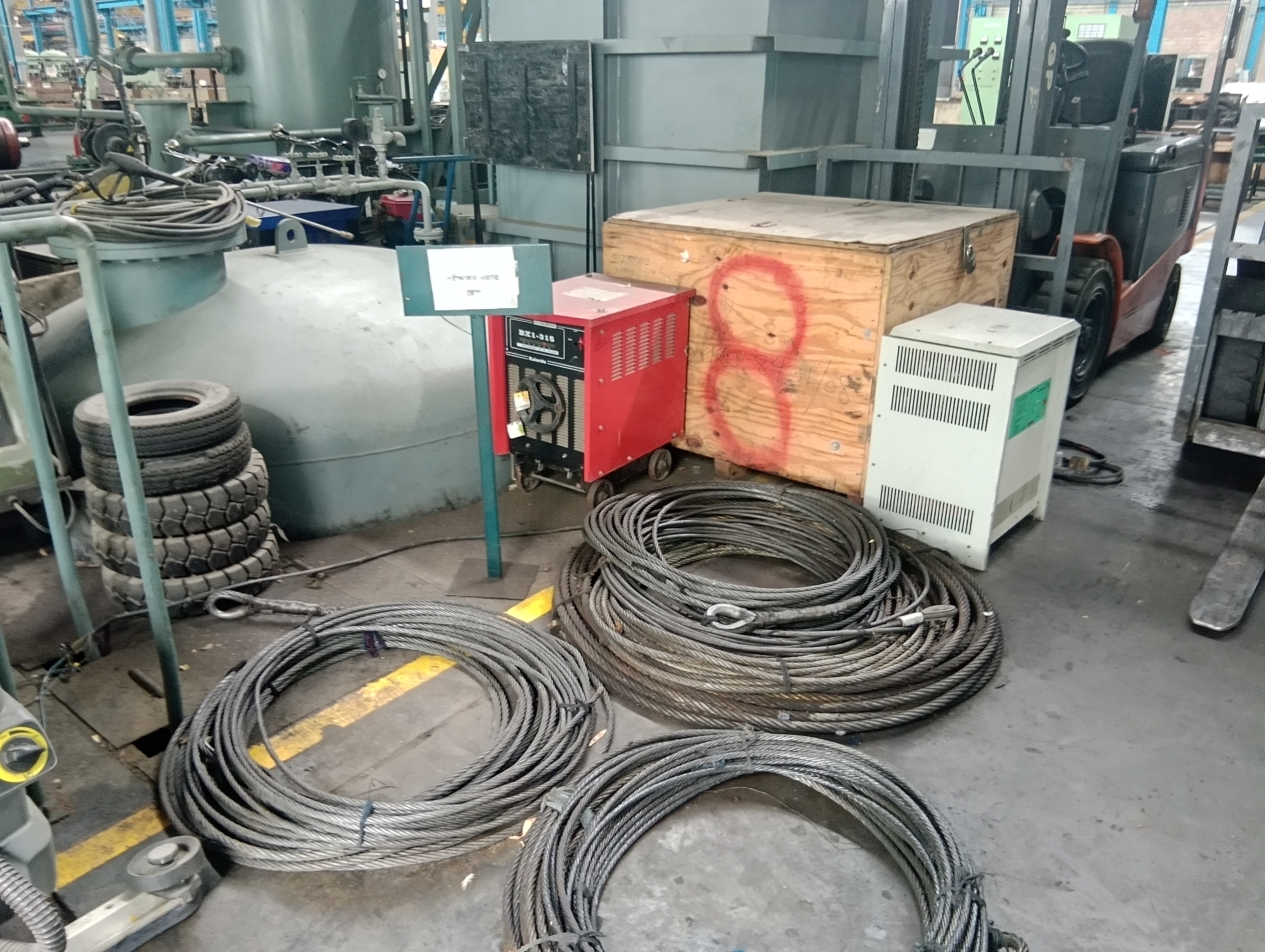
There are also different types of materials and equipment used for workshop activities.
 |
|---|
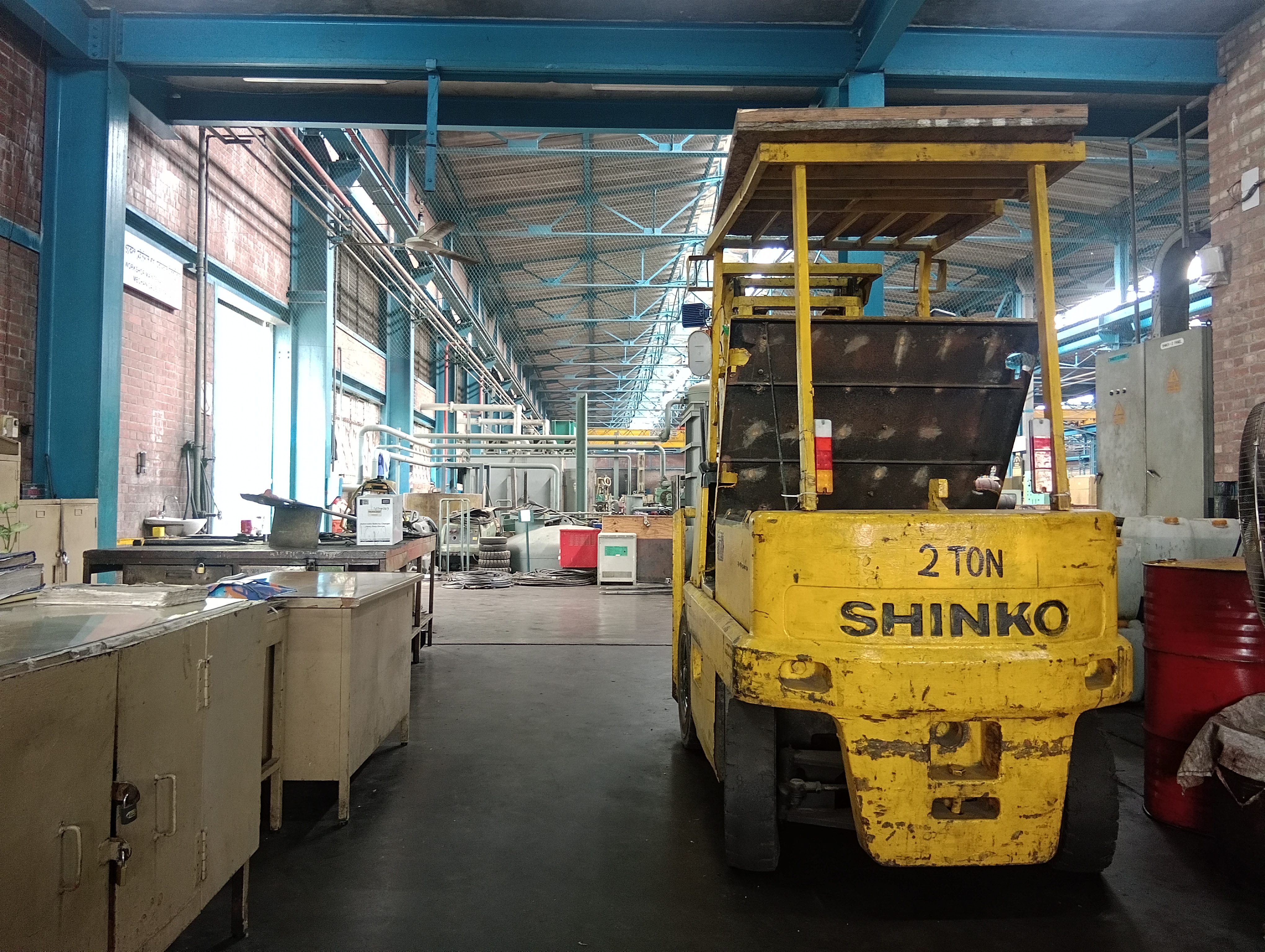
I also saw a yellow Shinko 2-ton forklift inside the workshop. Forklifts and similar equipment are useful for moving heavy components and materials around a large industrial workshop.
Office and Locomotive Repair Area
 |
|---|
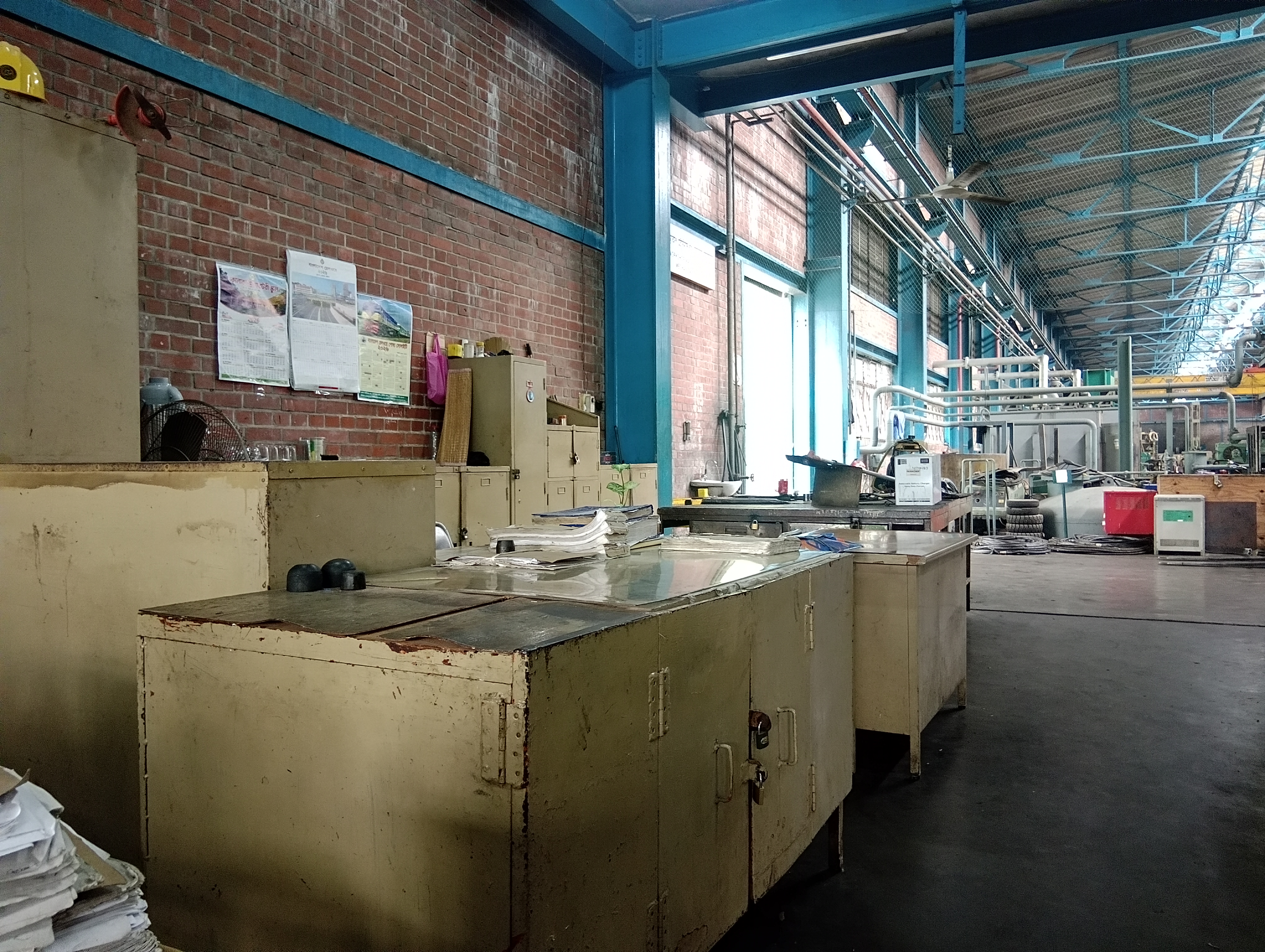
The workshop is not only made up of machinery and production areas. There are also offices where different administrative and technical activities take place.
 |
|---|
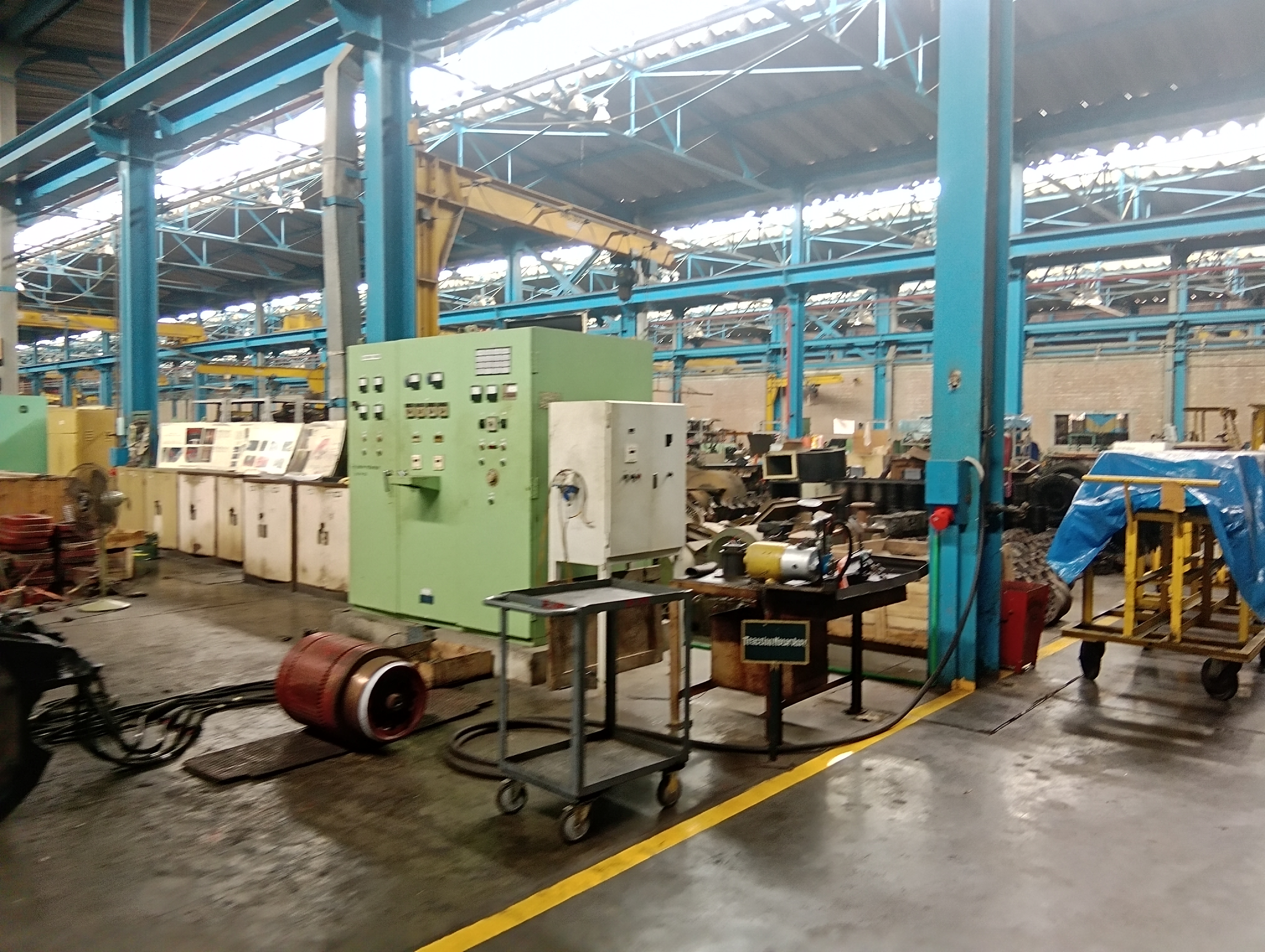
There were many different machines inside the workshop. Each section appears to have its own specific purpose.
 |
|---|
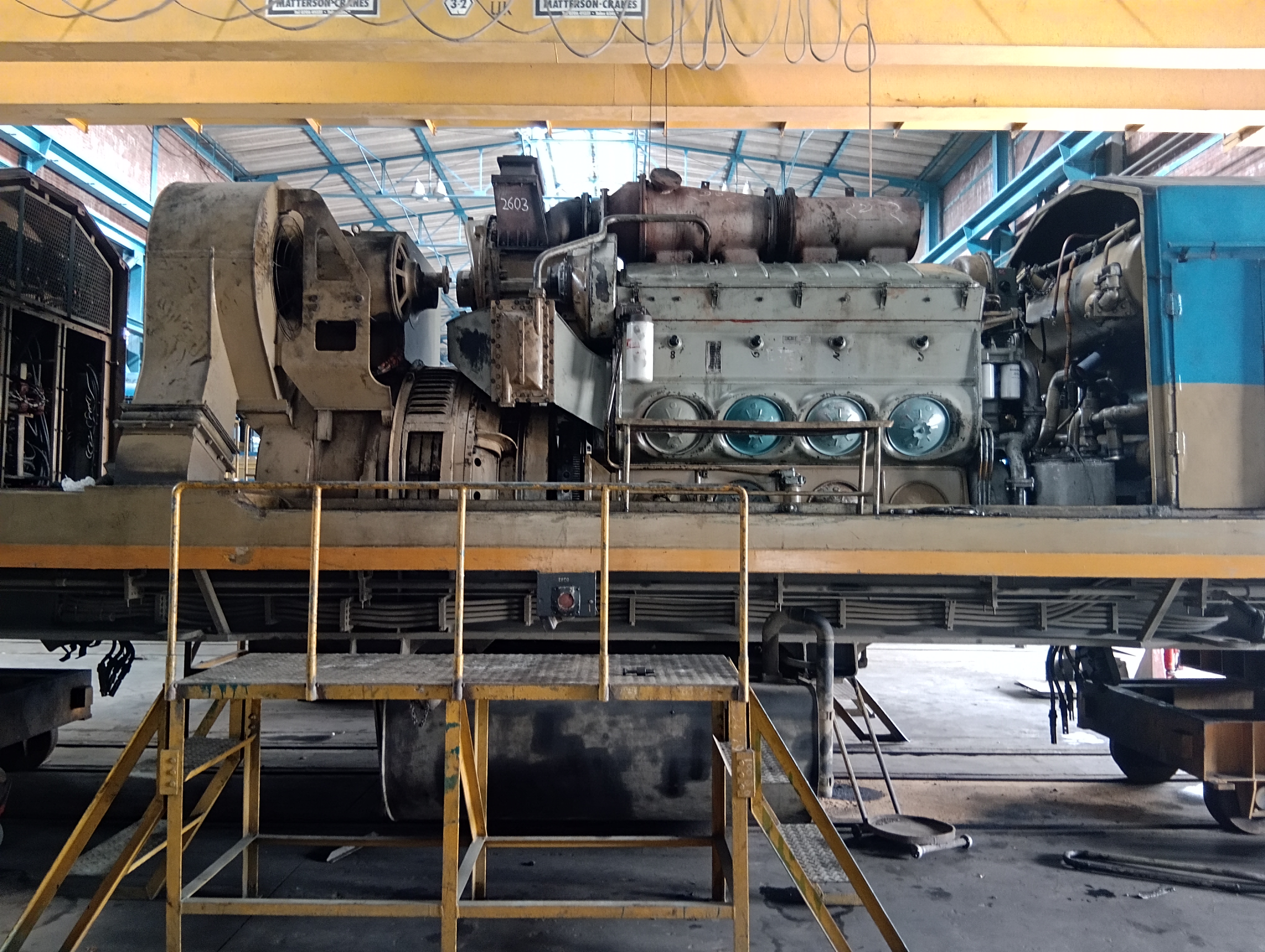
The locomotive repair area was one of the most interesting sections for me.
This is where the purpose of the entire workshop becomes very clear. The machines, tools, components and workers all contribute to maintaining railway locomotives.
Second Floor and Other Facilities
 |
|---|
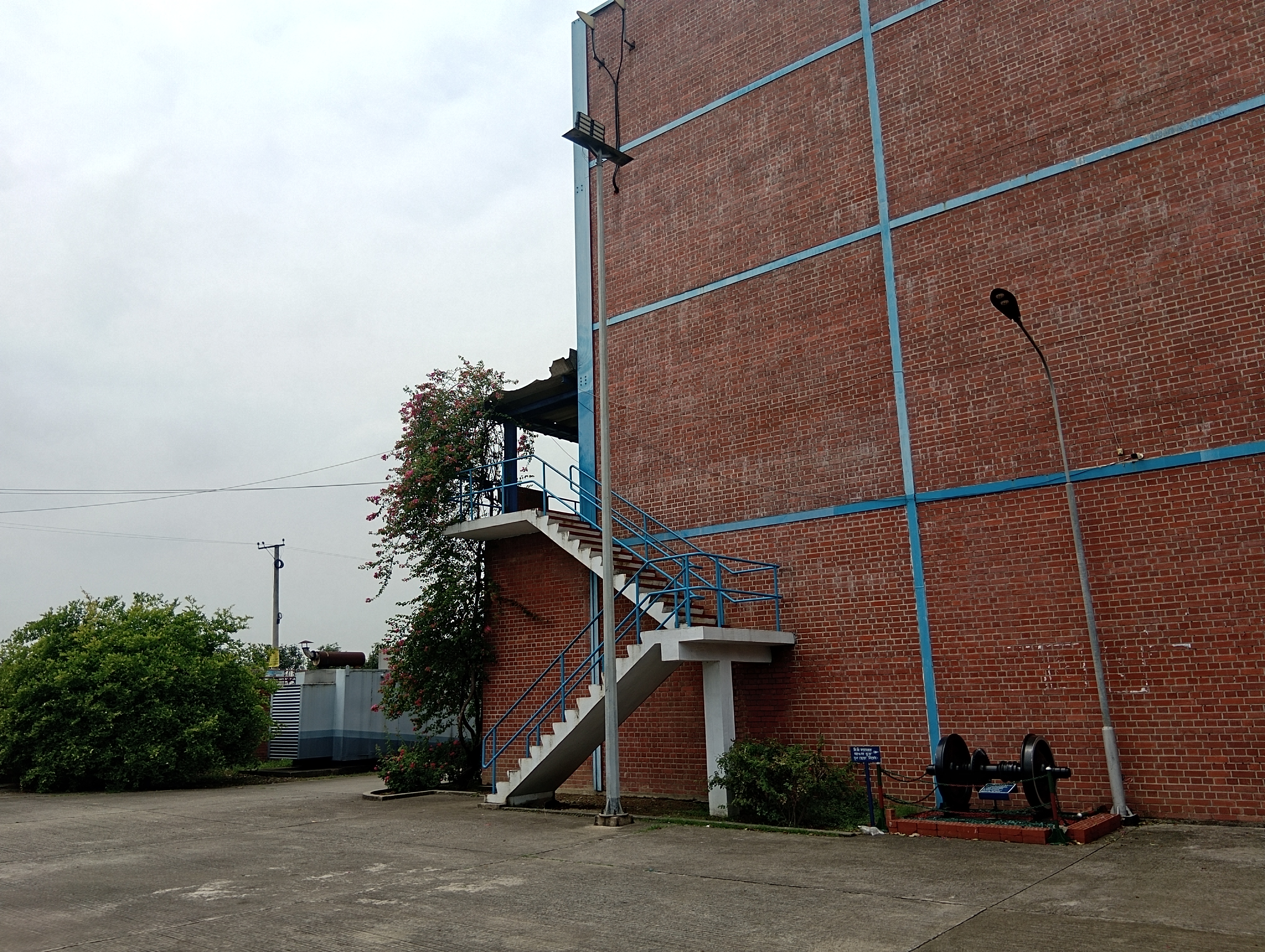
The main workshop building has more than one floor. The stairs lead to the second floor, where my father's office was located. I personally liked some of the industrial character of these areas. Even simple things like the stairs looked interesting because of the building's working environment.
 |
|---|
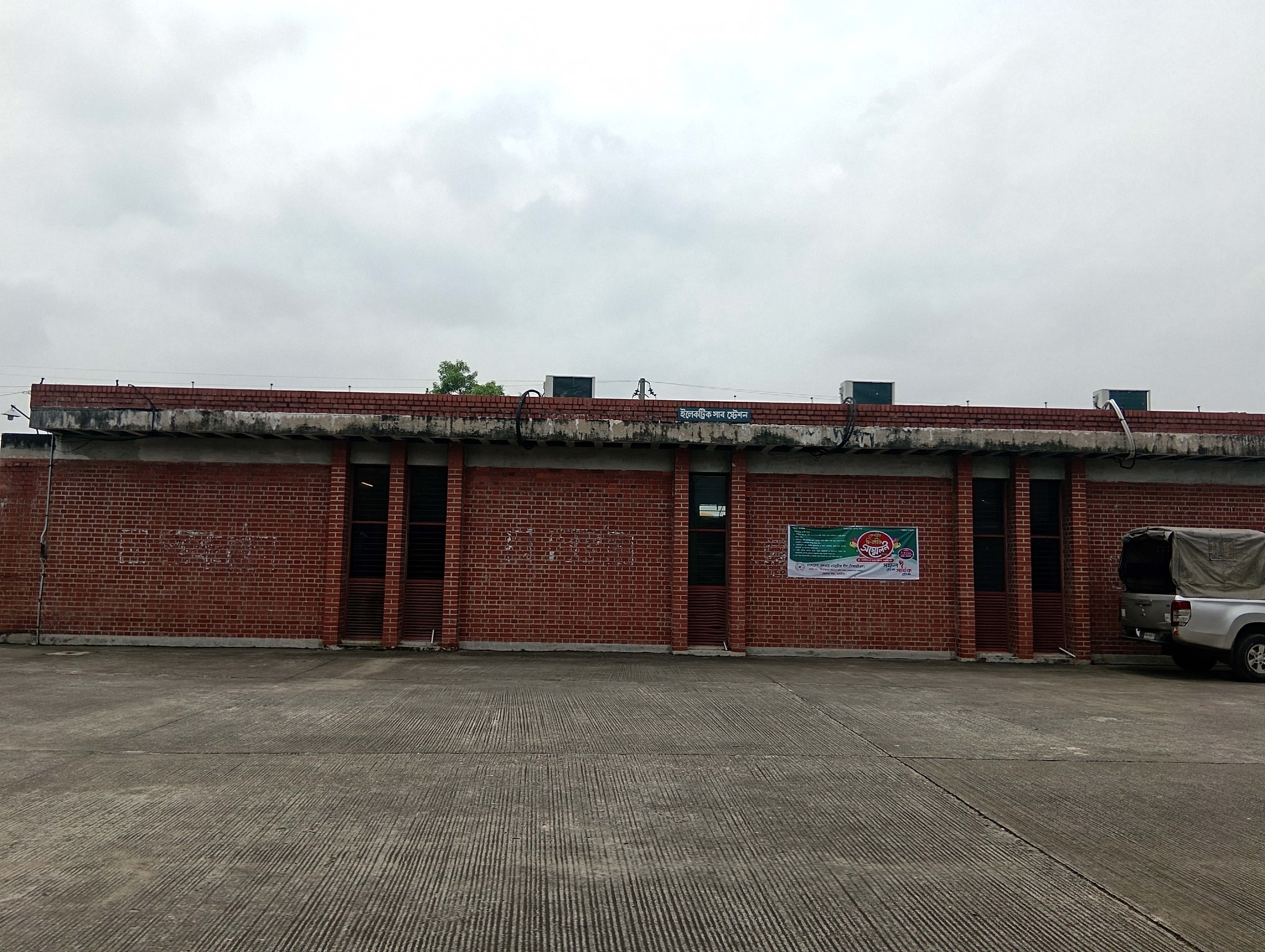
There is also an electrical substation within the workshop complex.
 |
|---|
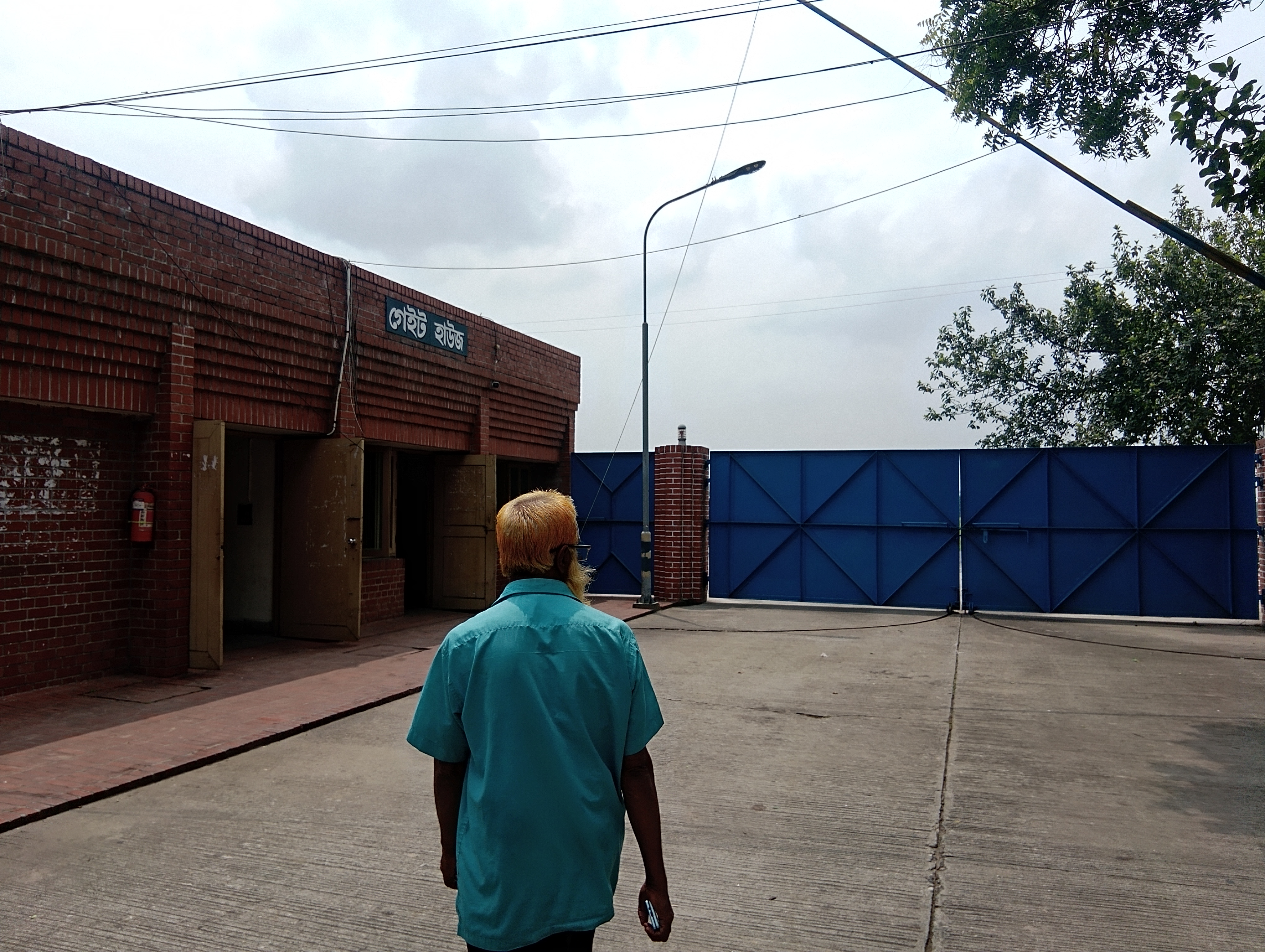
The departure gate is another part of the large workshop complex.
Monuments Inside the Workshop
 |
|---|
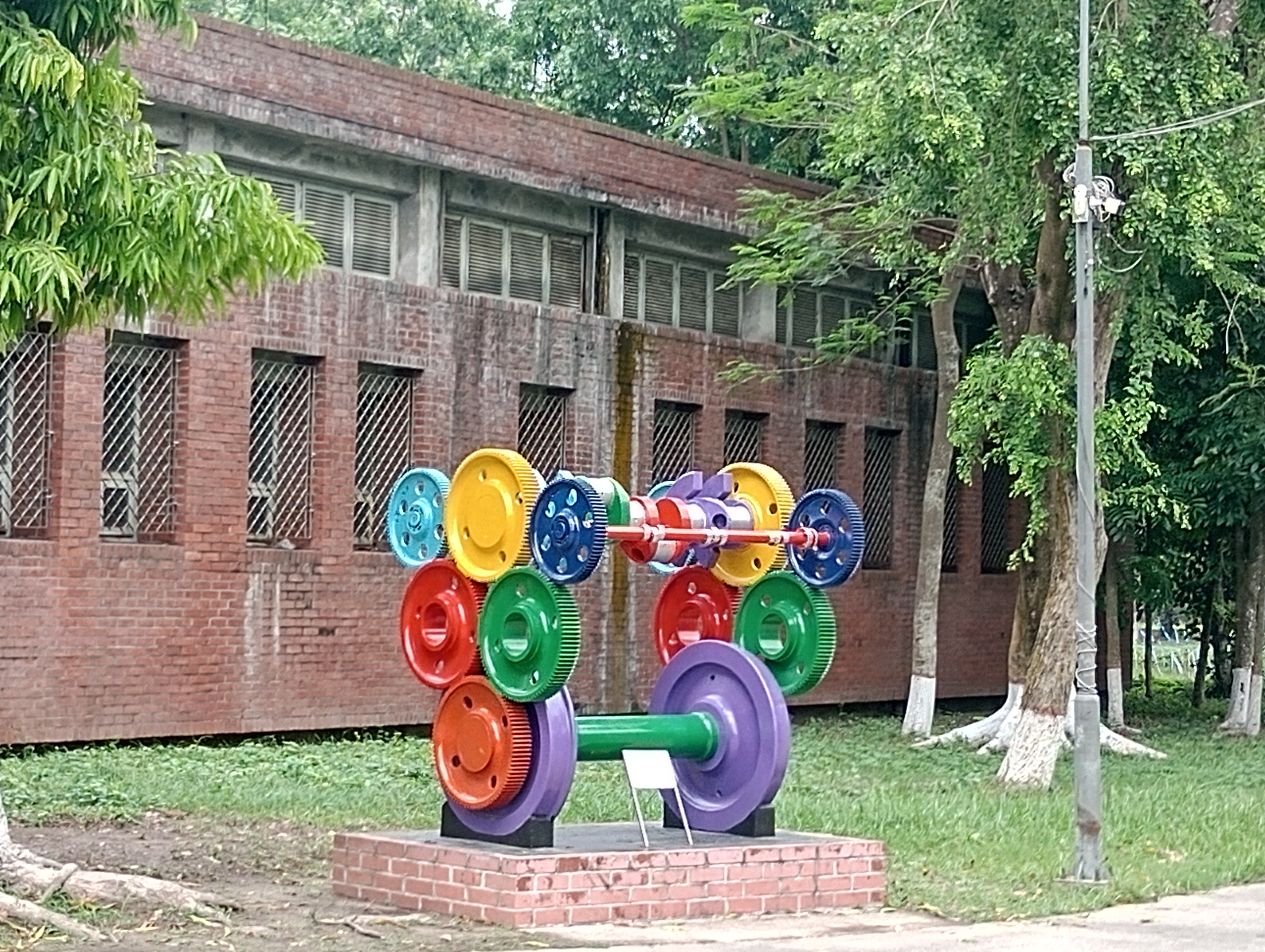
There are some interesting railway-themed monuments inside the workshop. I found these monuments quite attractive because they are connected to the history and identity of the railway workshop.
 |
|---|
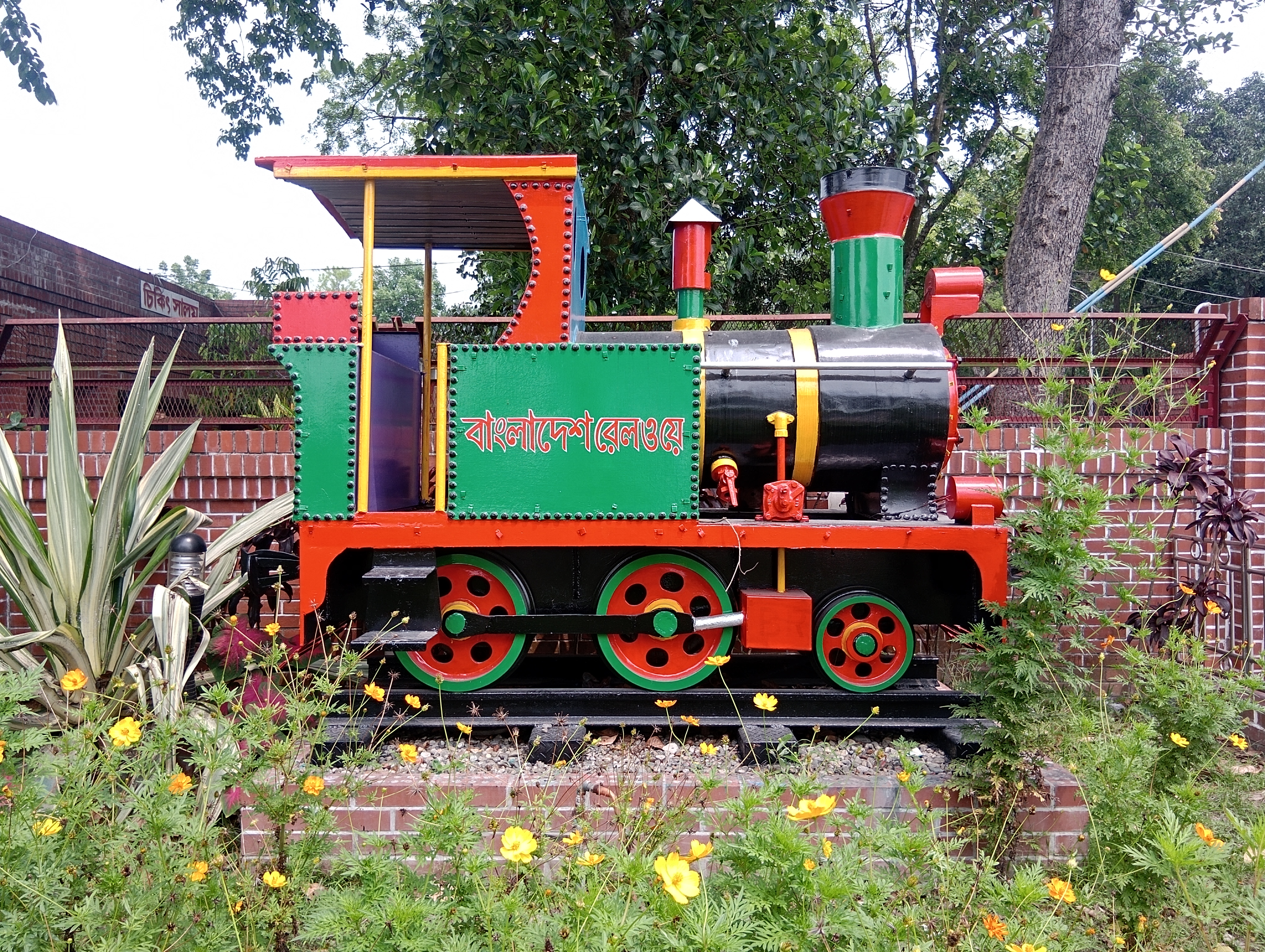
There is a steam locomotive monument beside Gate No. 1.
This was one of the things I liked before entering the main workshop area. The metal railway-themed monument immediately reminds visitors that they are entering a place closely connected with the history and operation of Bangladesh Railway.
Roads Around the Workshop
 |
|---|
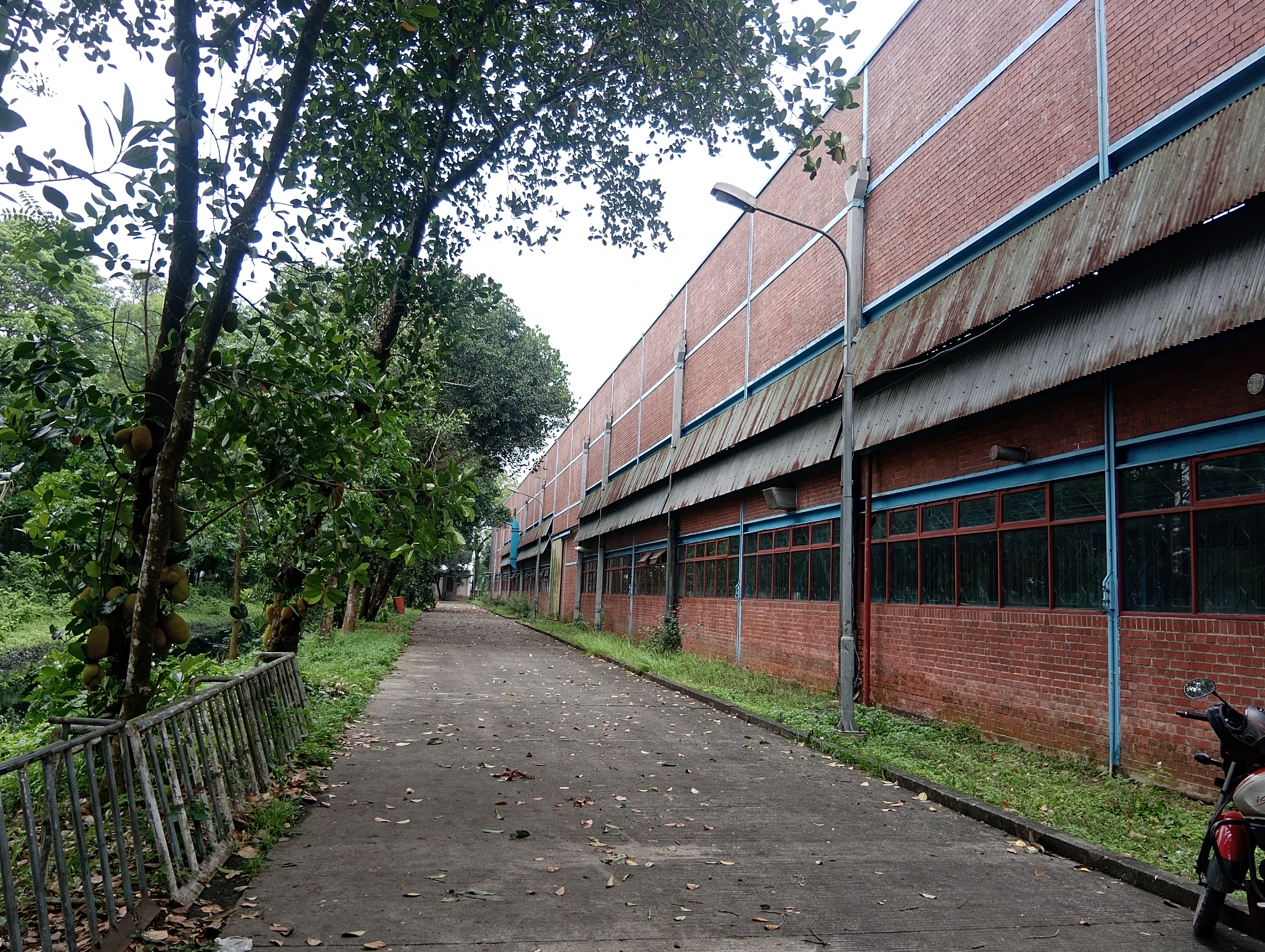
The workshop is a large complex, so there are roads connecting different sections. Walking around these roads gives you an idea of how extensive the workshop area is.
Medical Facilities
 |
|---|
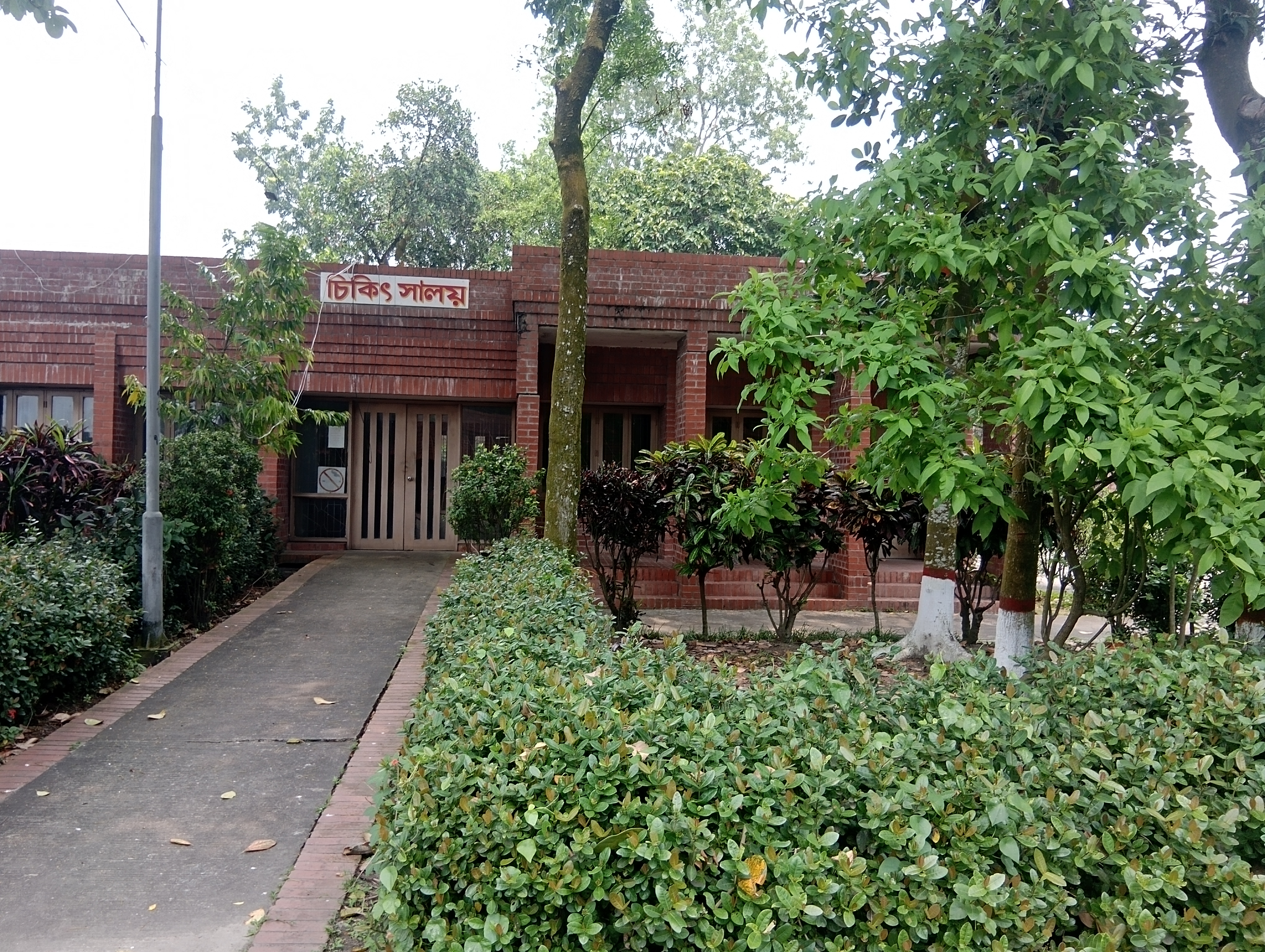
The workshop also has a medical center.
This is an important facility for a large workplace where many employees work around heavy machinery and industrial equipment.
 |
|---|
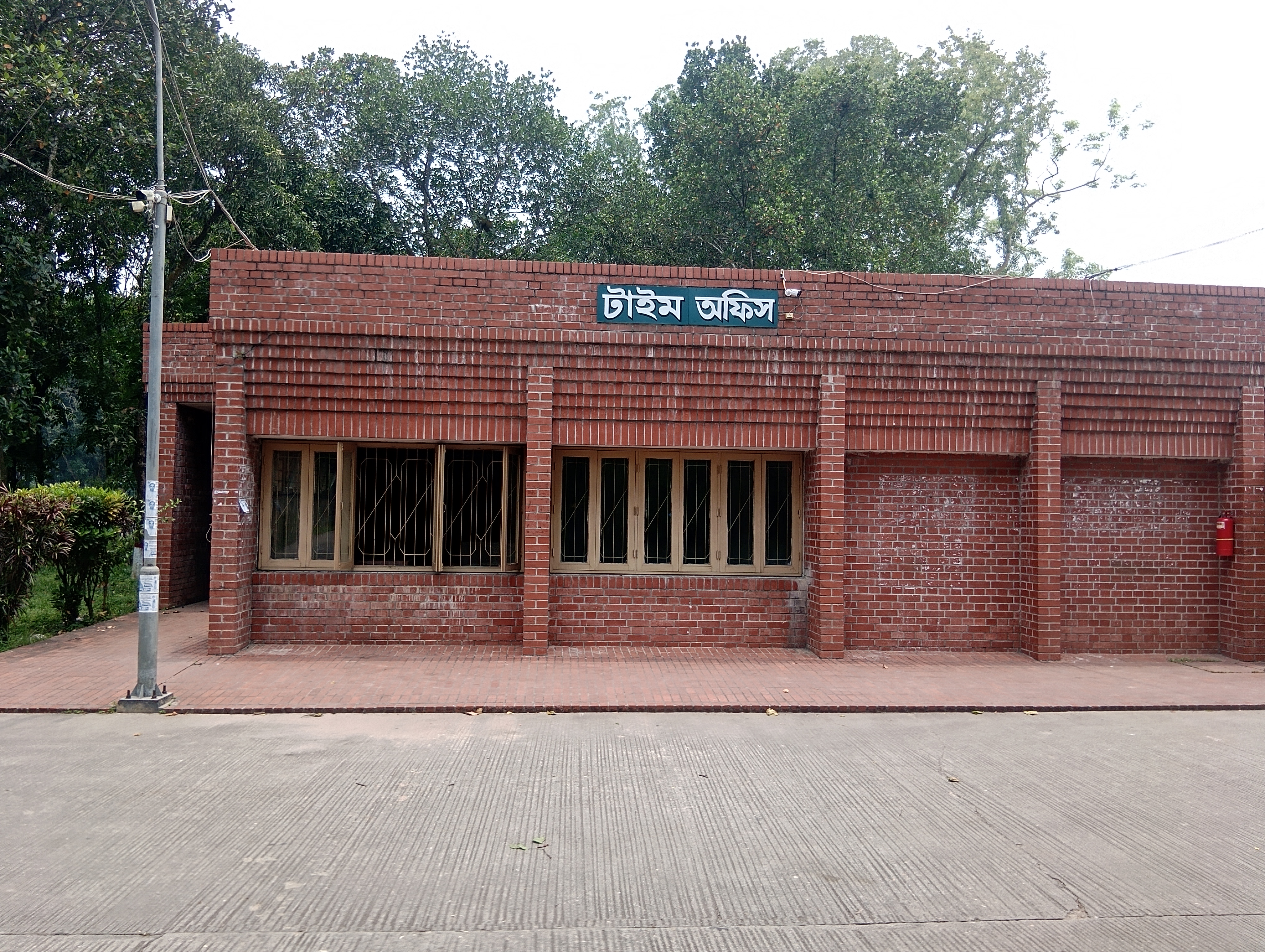
There is also a time office within the workshop complex.
 |
|---|
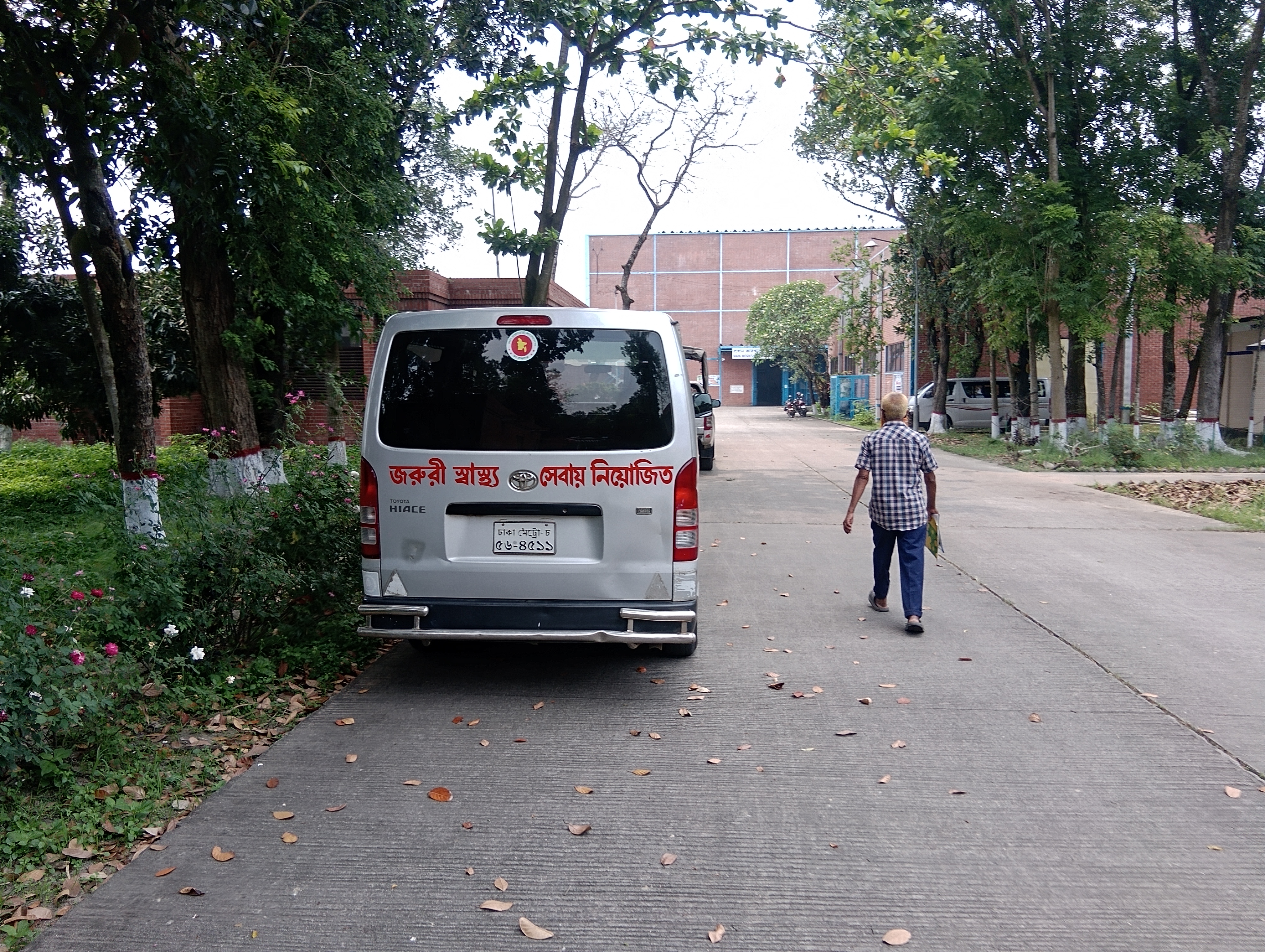
An emergency medical ambulance is also available within the workshop area.
These facilities show that the workshop is not simply a collection of machines. It is a large working complex with administrative, technical and employee-support facilities.
Beautiful Stairs and Blacksmith Shop
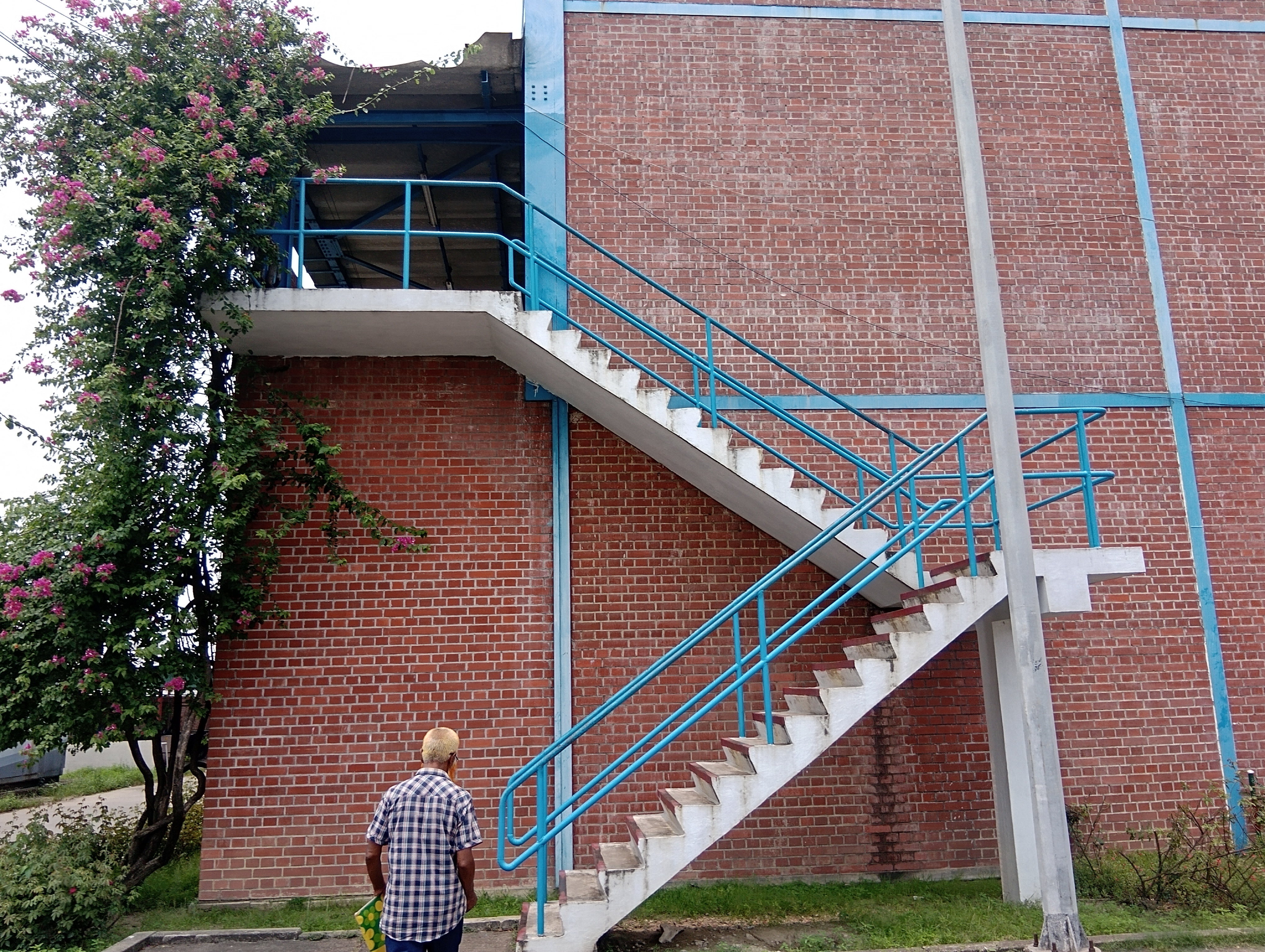 |
|---|
I also liked the beauty of these stairs. Going up the stairs, you will reach the second floor of the workshop, where many officials and employees have their offices.
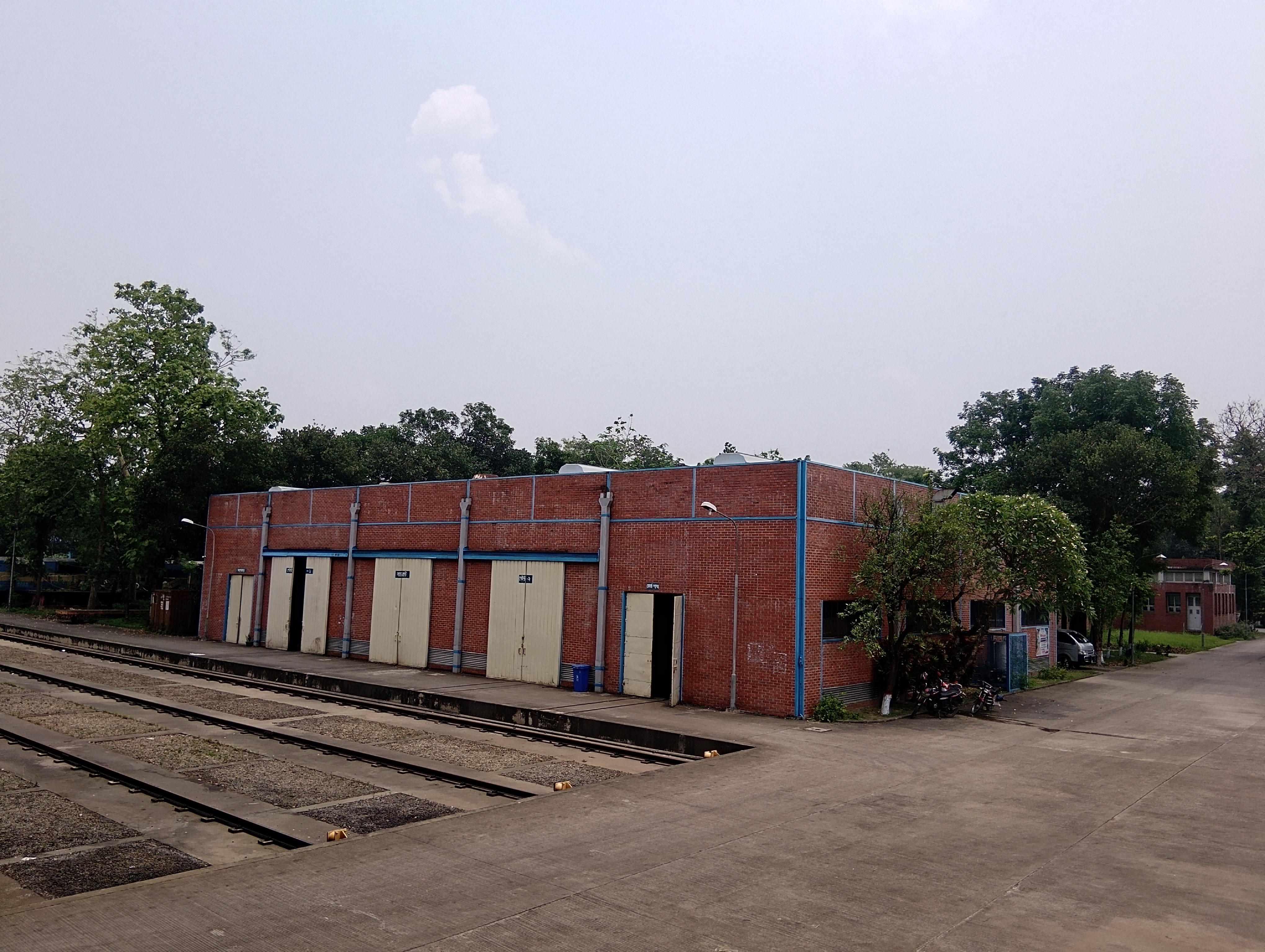 |
|---|
The workshop also has a blacksmith shop, which is another example of the variety of technical activities carried out within the complex.
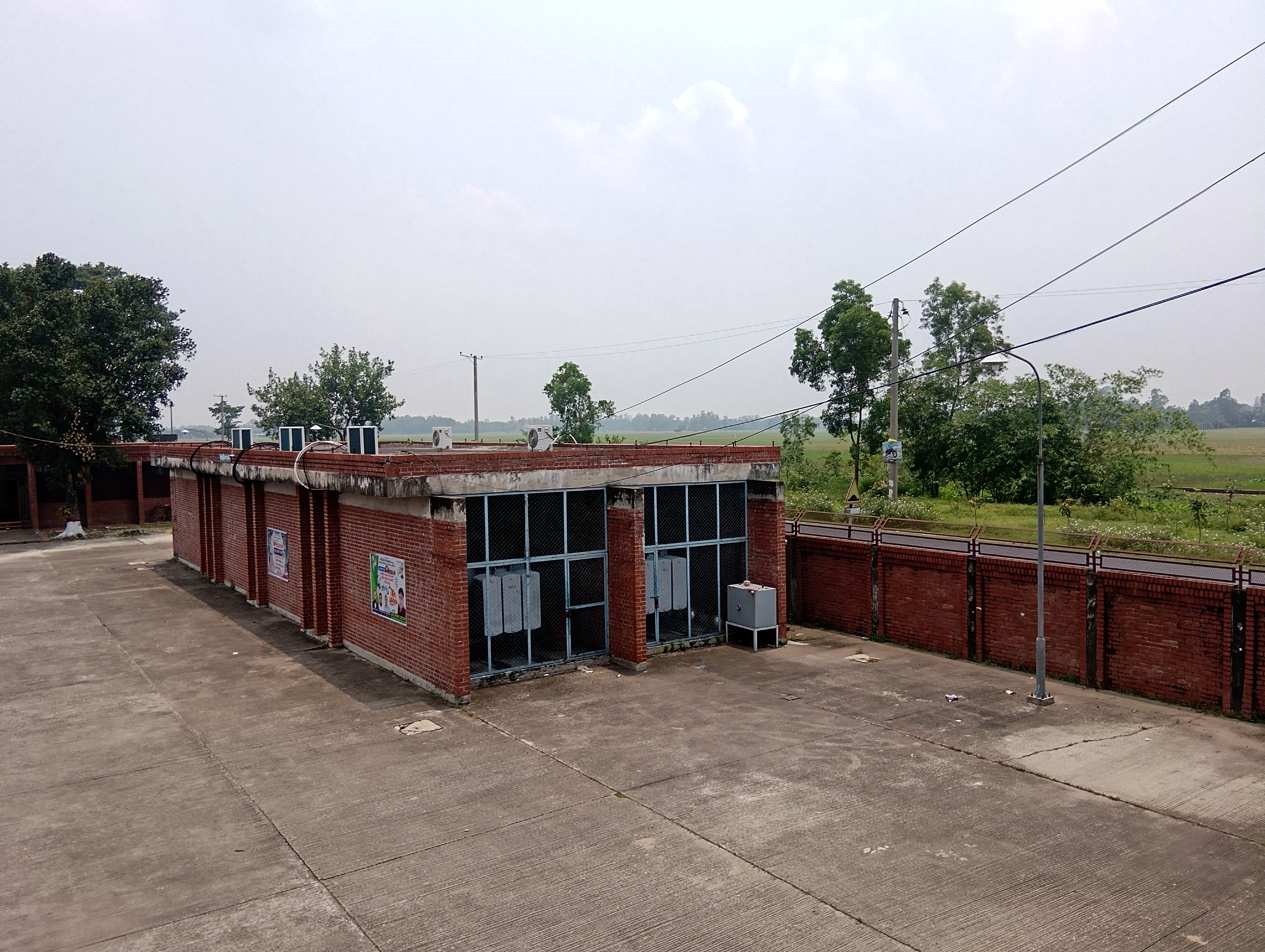 |
|---|
The electrical facilities are another important part of the workshop's infrastructure.
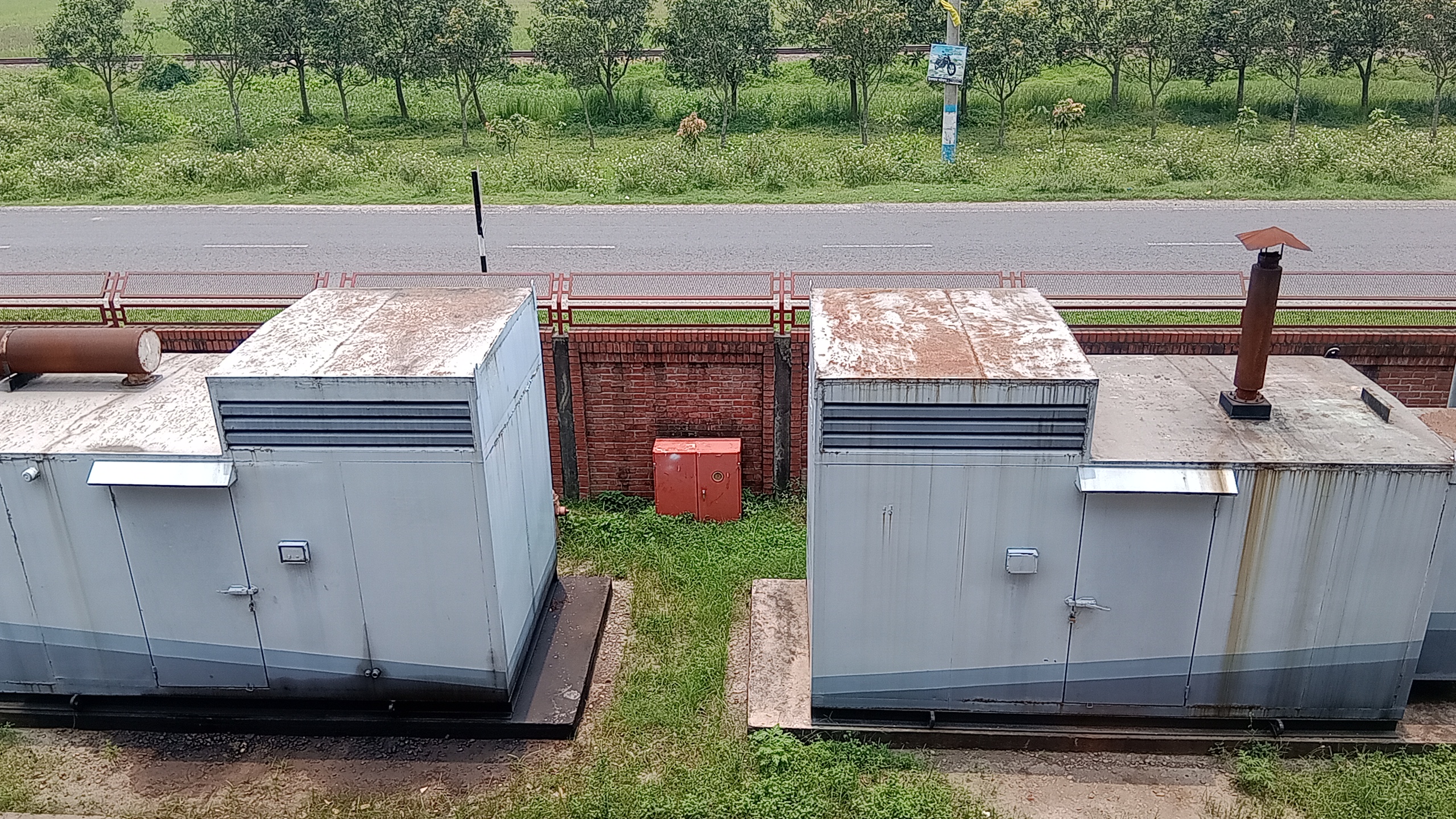 |
|---|
These metal housing panels were located in front of the main workshop building.
Interior Pictures of the Main Workshop Building
Here are some additional photographs from inside the main workshop building.
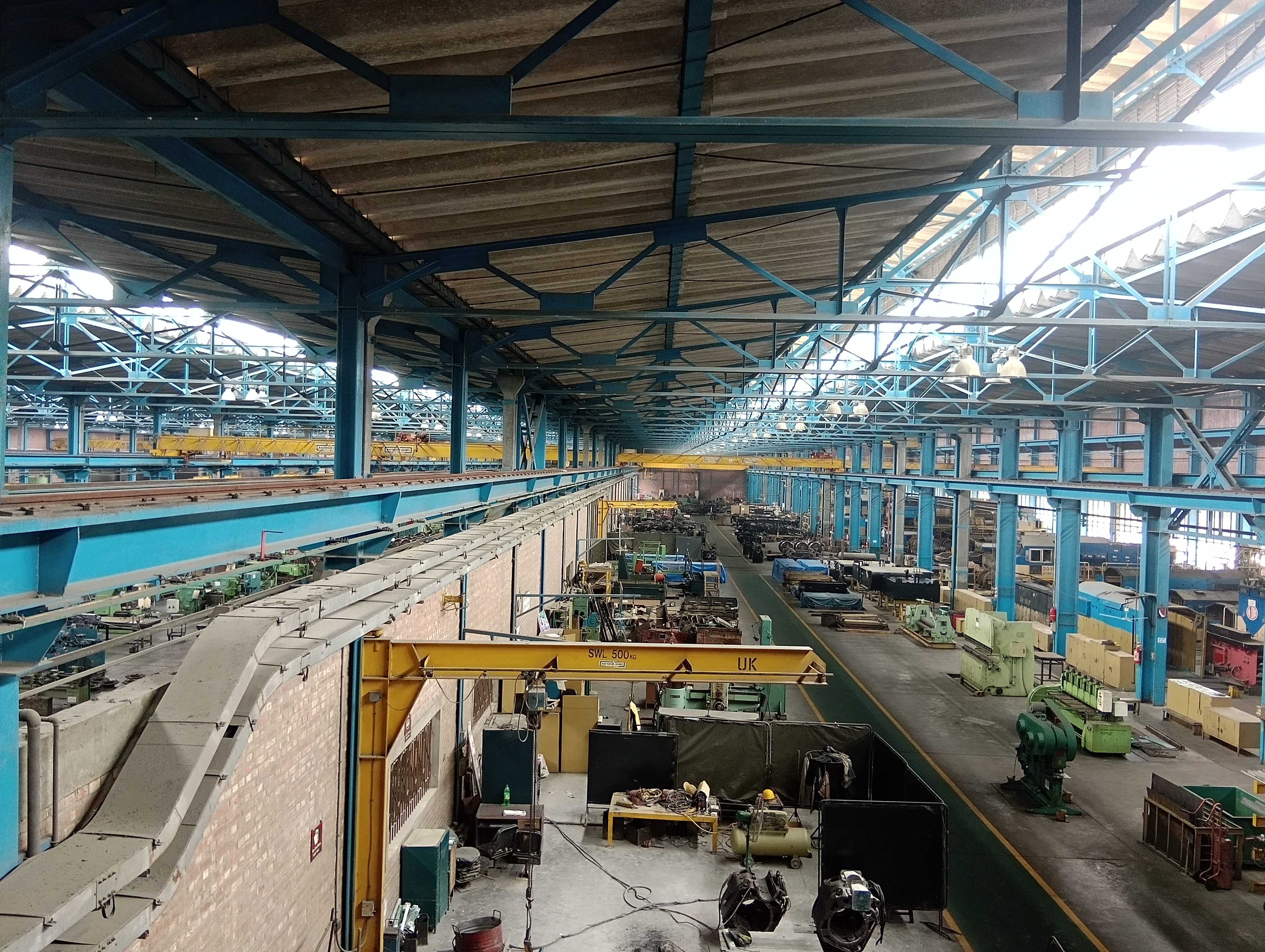
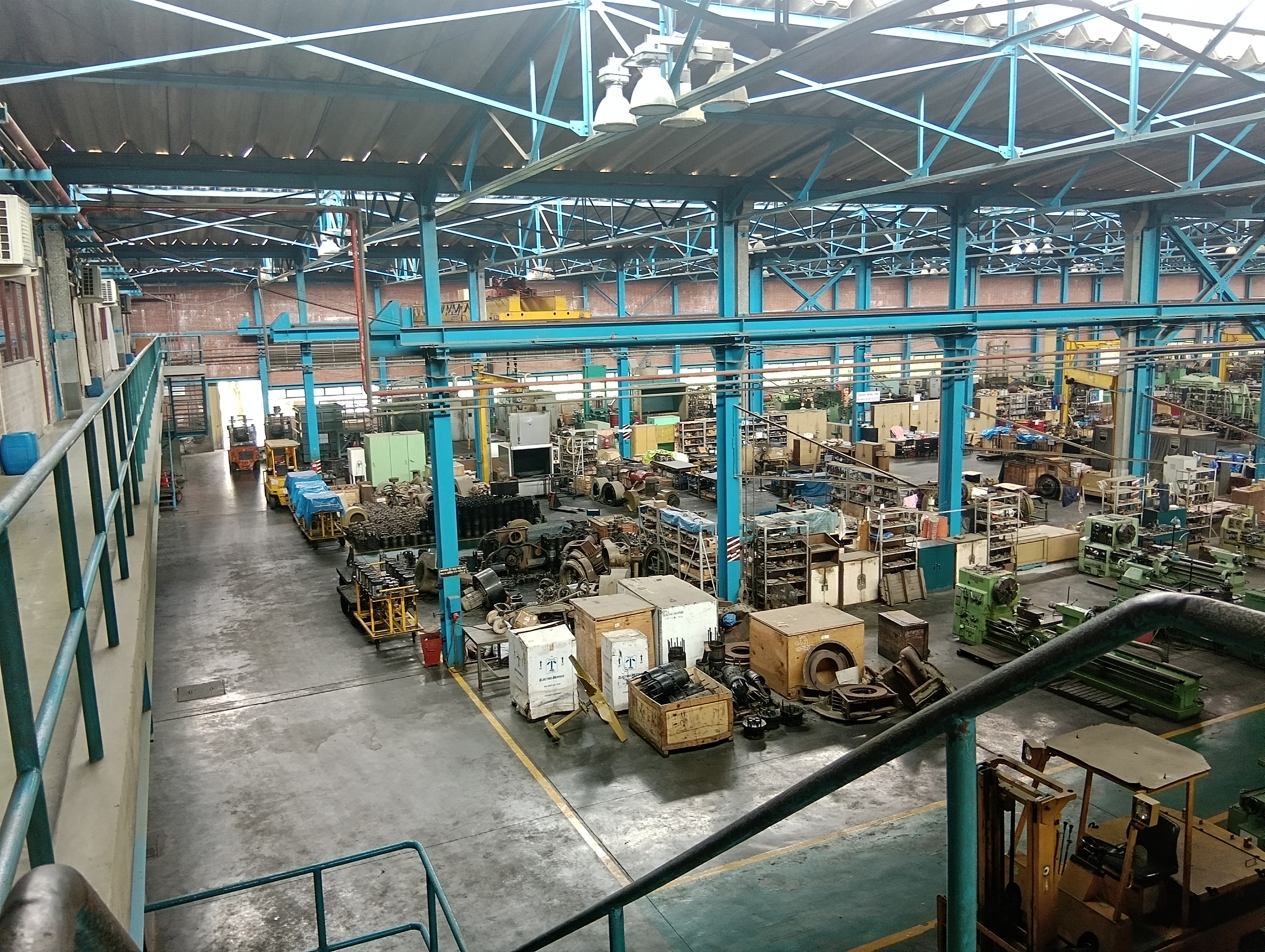
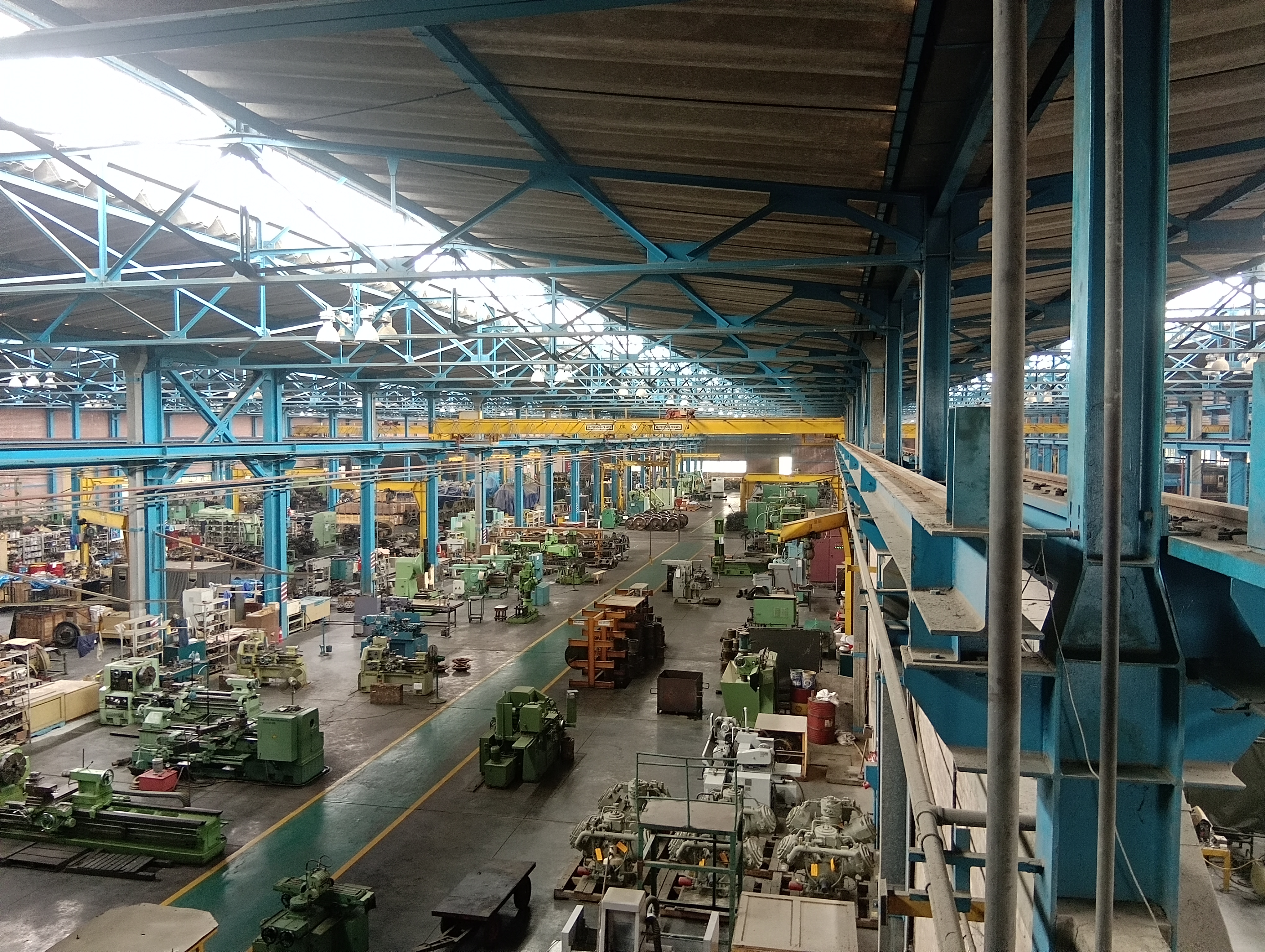
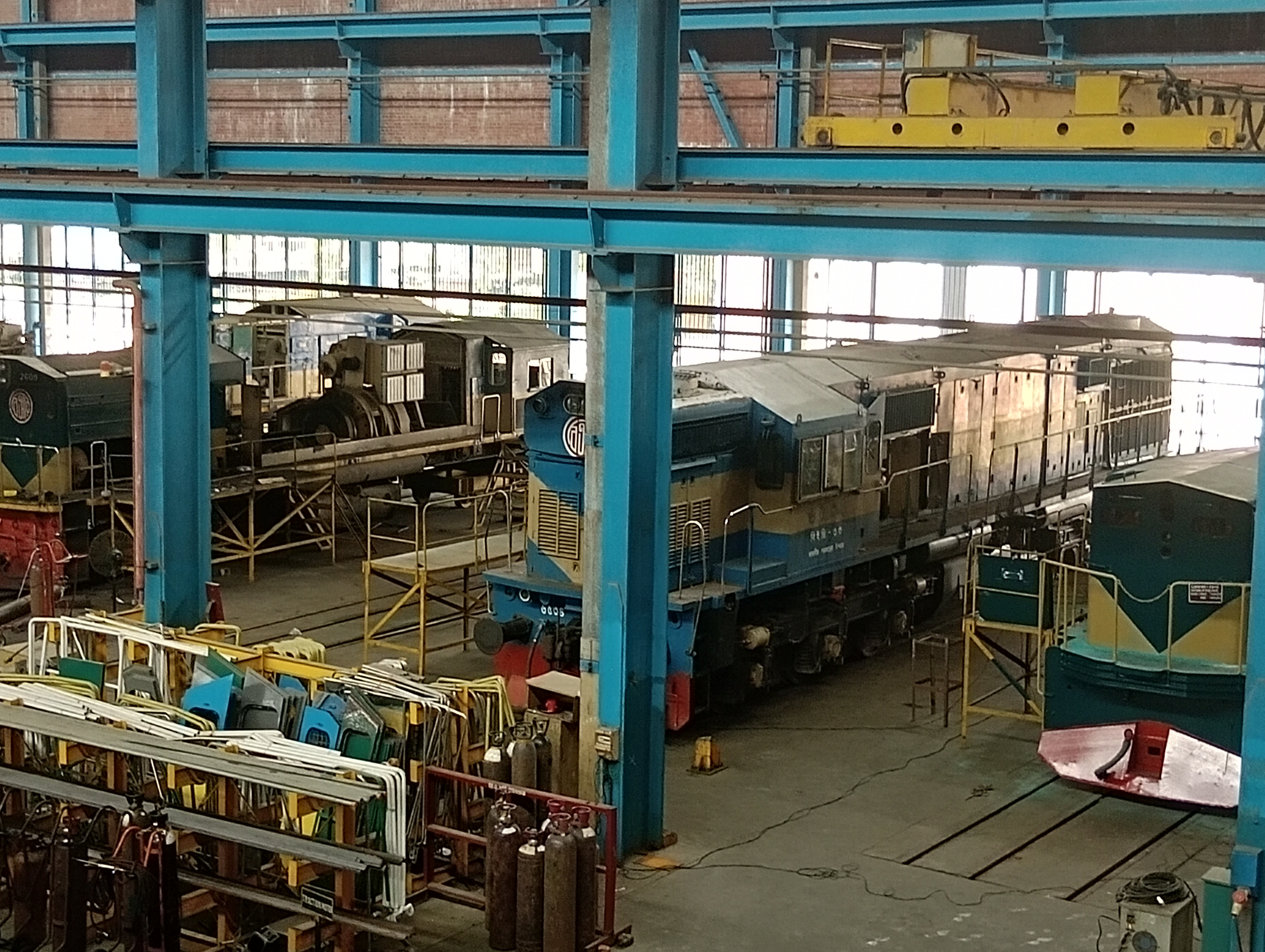
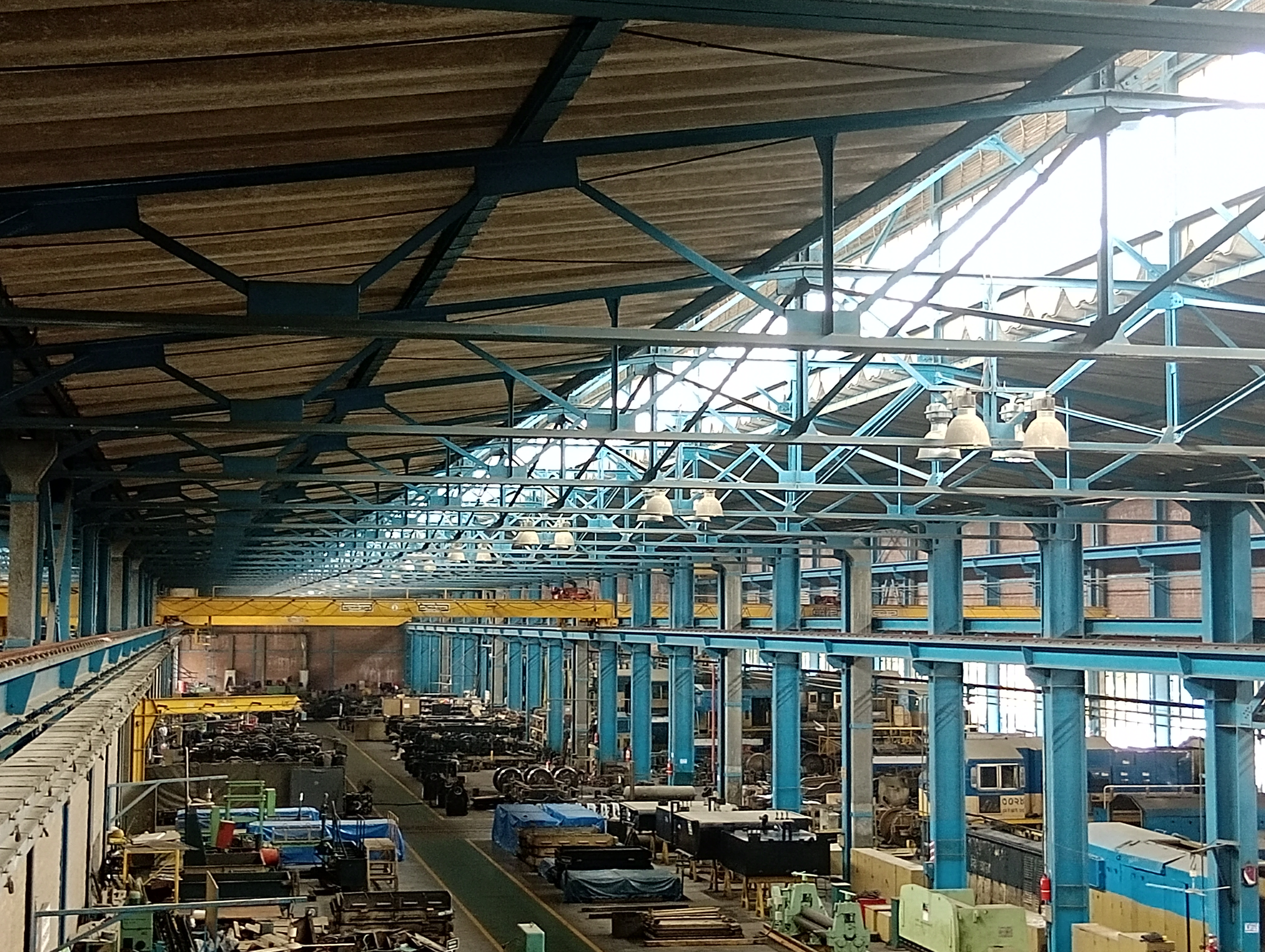
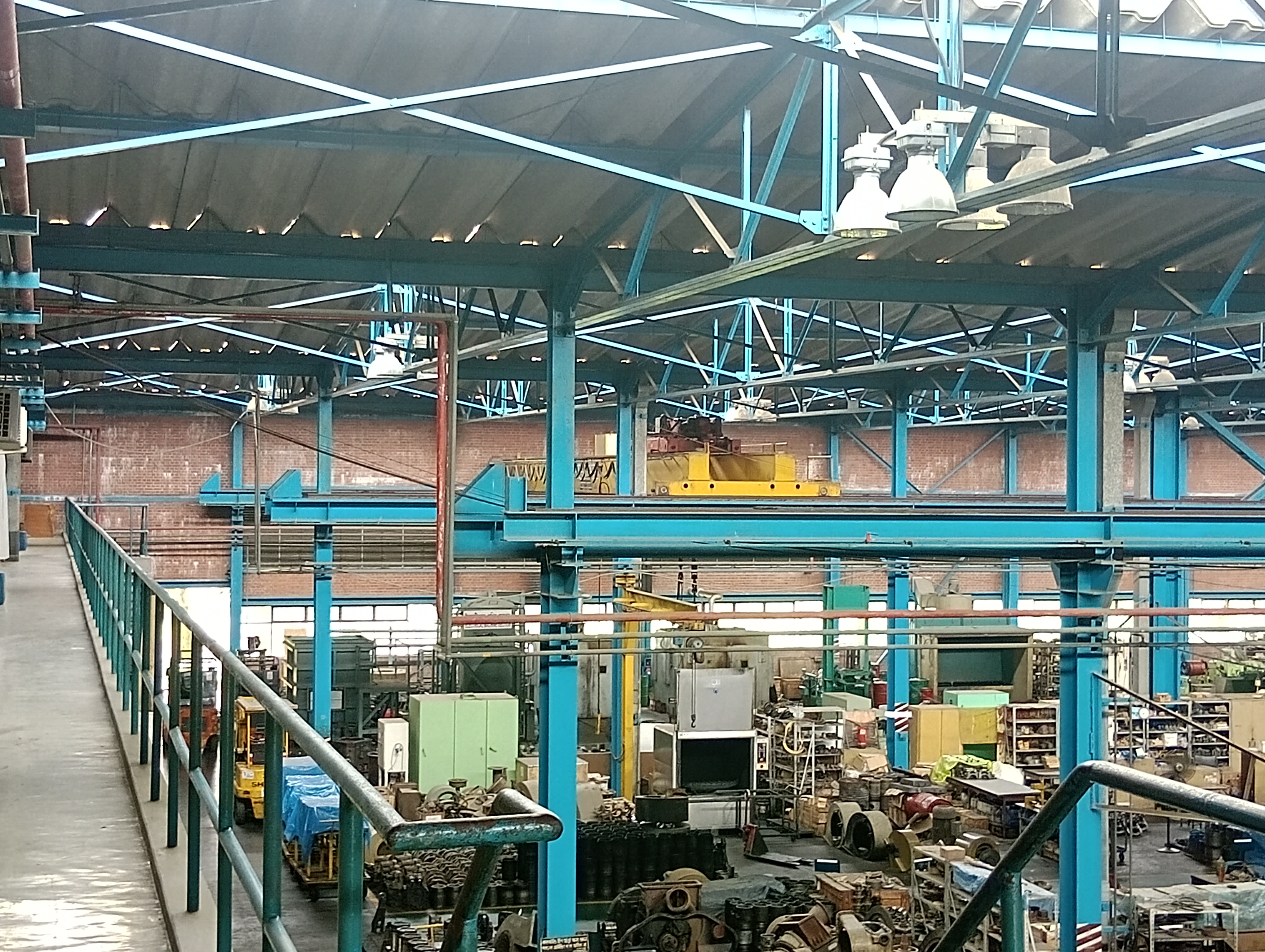
These interior photographs show more of the working environment inside the main workshop.
 |
|---|
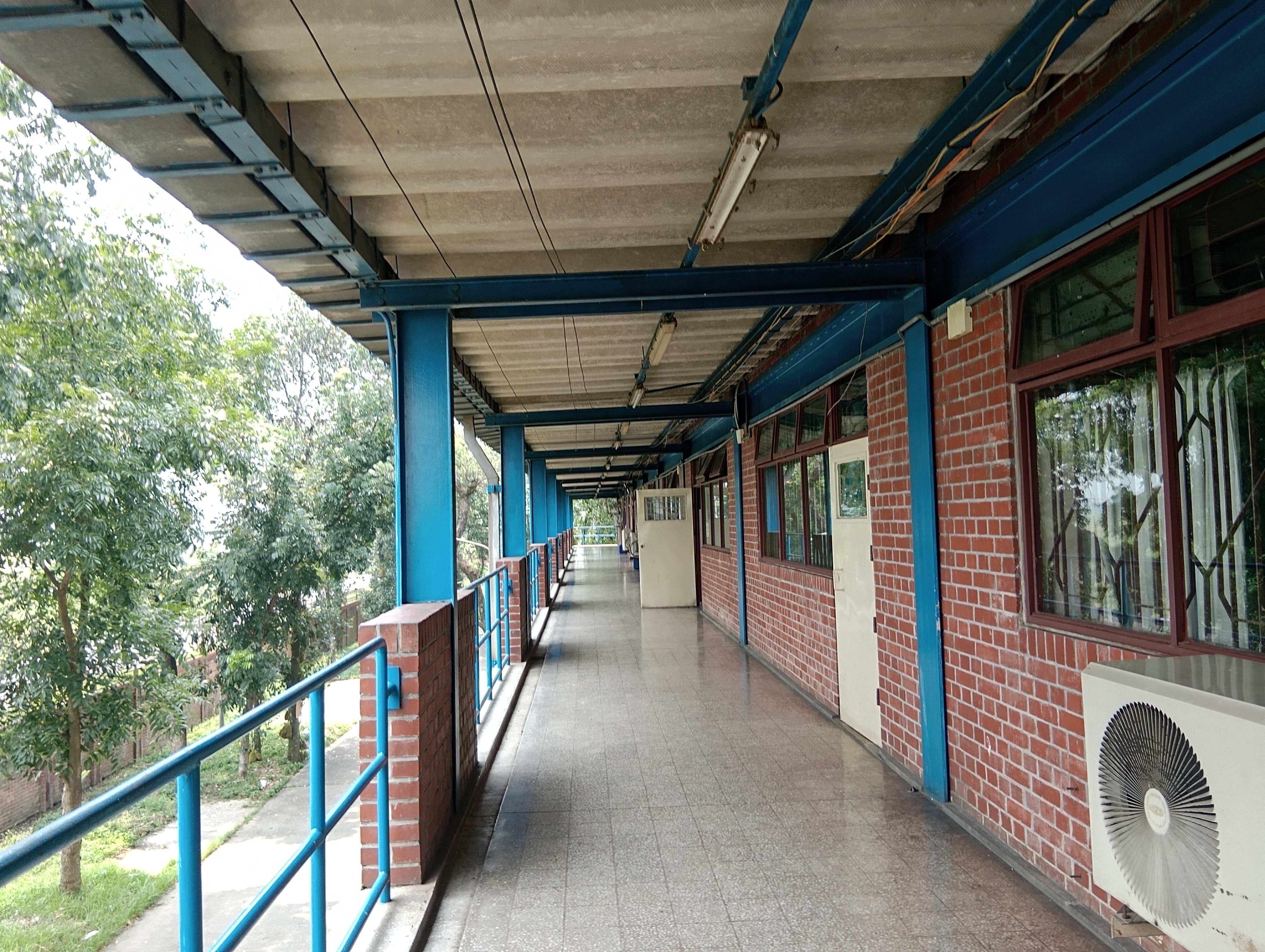
The corridor on the second floor is another part of the building that I remember well because my father's office was also located on this floor.
Administrative Building
The workshop has administrative buildings where different official and management activities take place.
 |
|---|
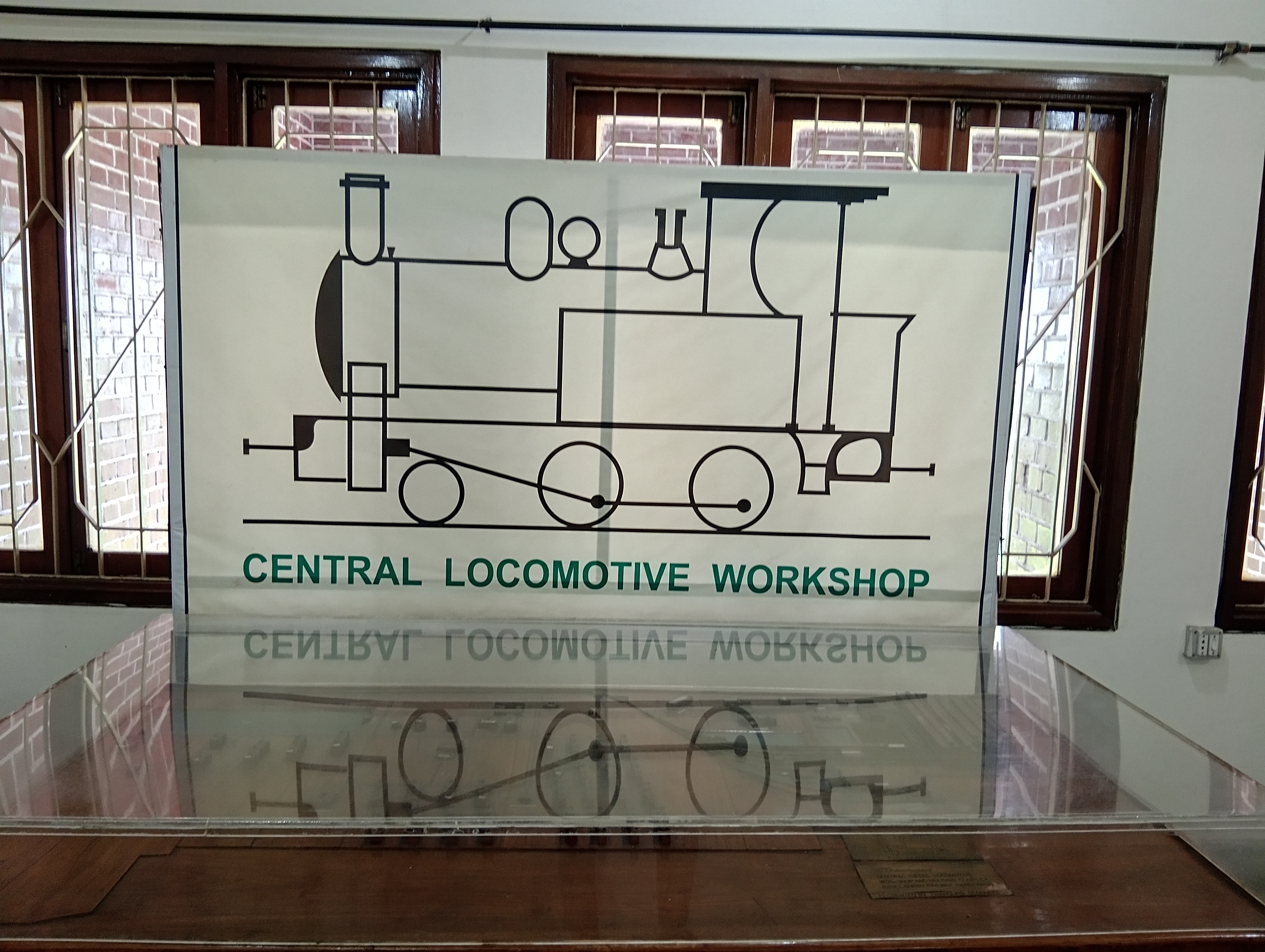
I liked the Central Locomotive Workshop logo. It represents the identity of this important railway workplace.
 |
|---|
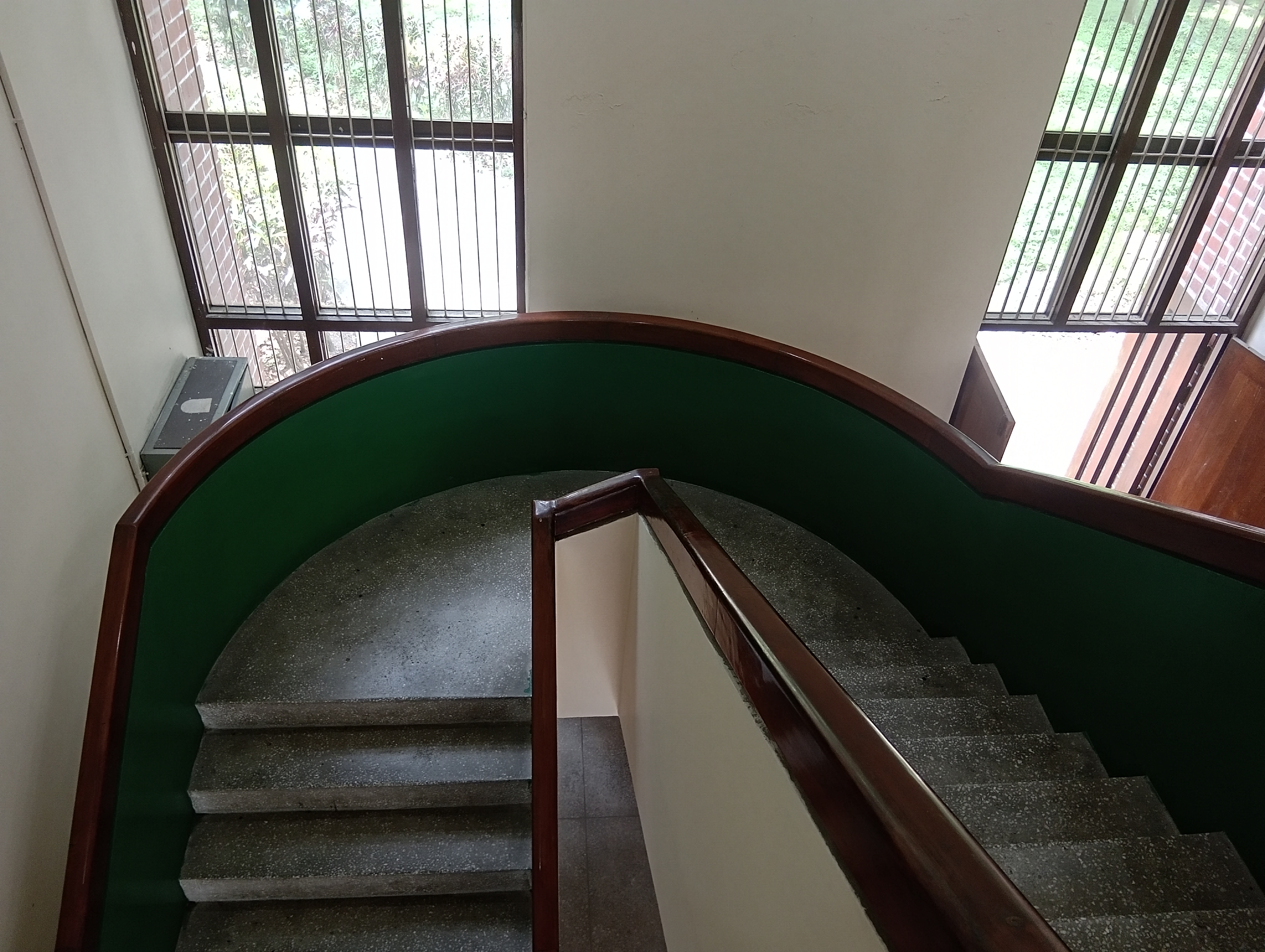
The administrative building also has some beautiful architectural details, including these stairs.
 |
|---|
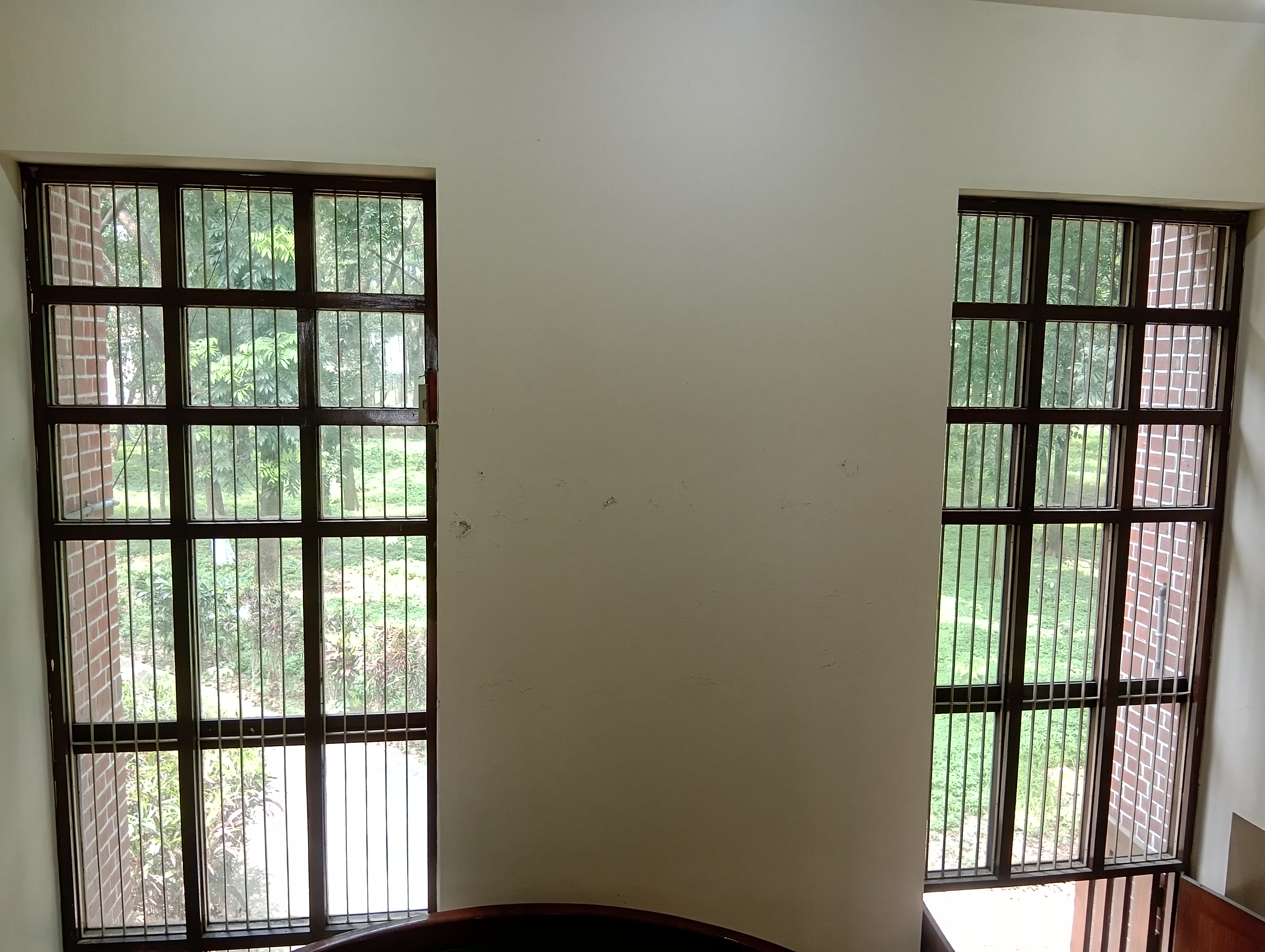
I also liked these two windows in the administrative building. The windows are quite large, and they allow light to enter the building.
 |
|---|
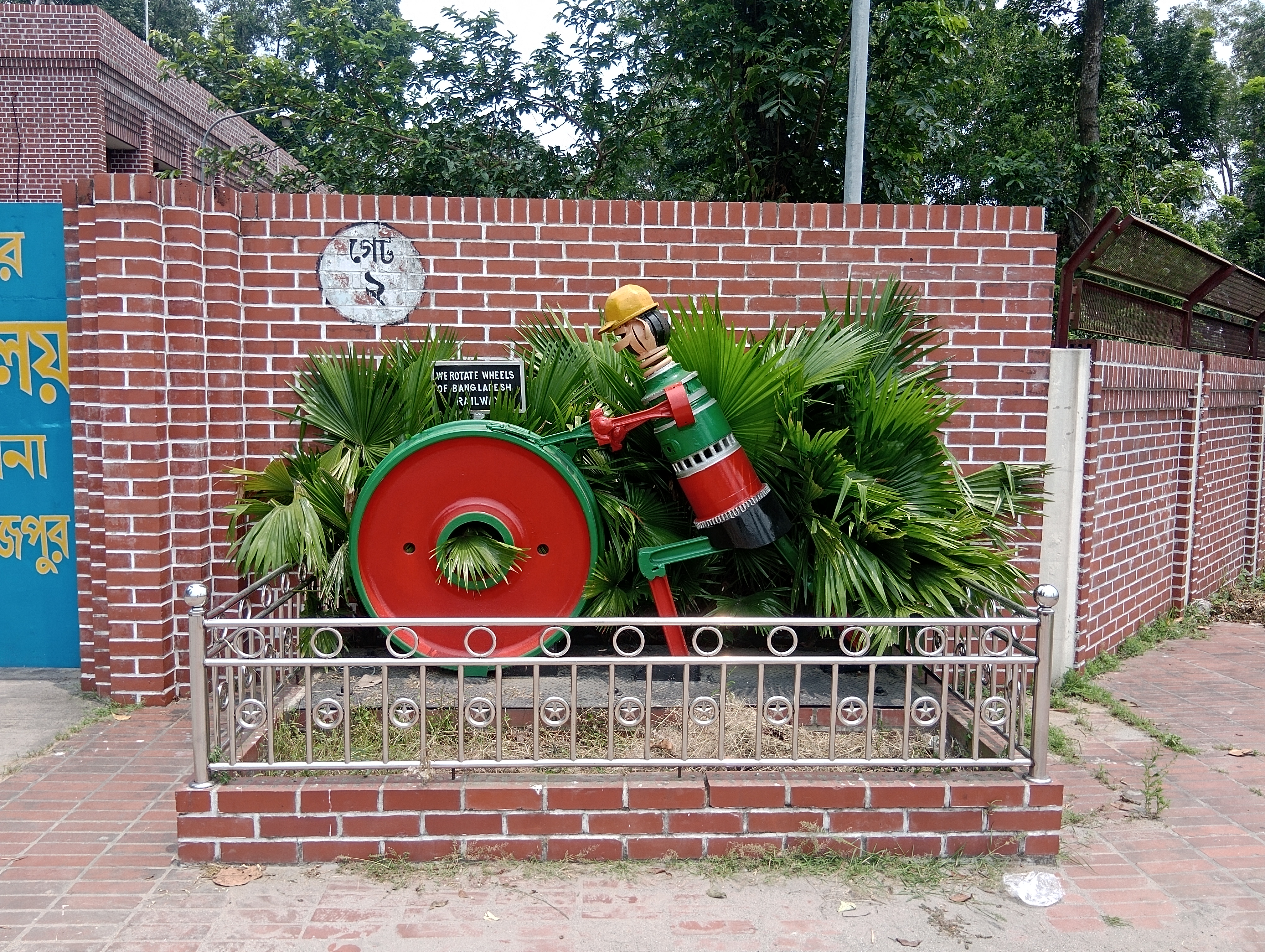
There is another interesting monument next to Gate No. 2.
It is a metal and scrap-art sculpture showing a worker operating a red railway wheel. I found this monument quite interesting because it represents the type of work carried out inside the railway workshop.
Distance from Parbatipur Town
 |
|---|
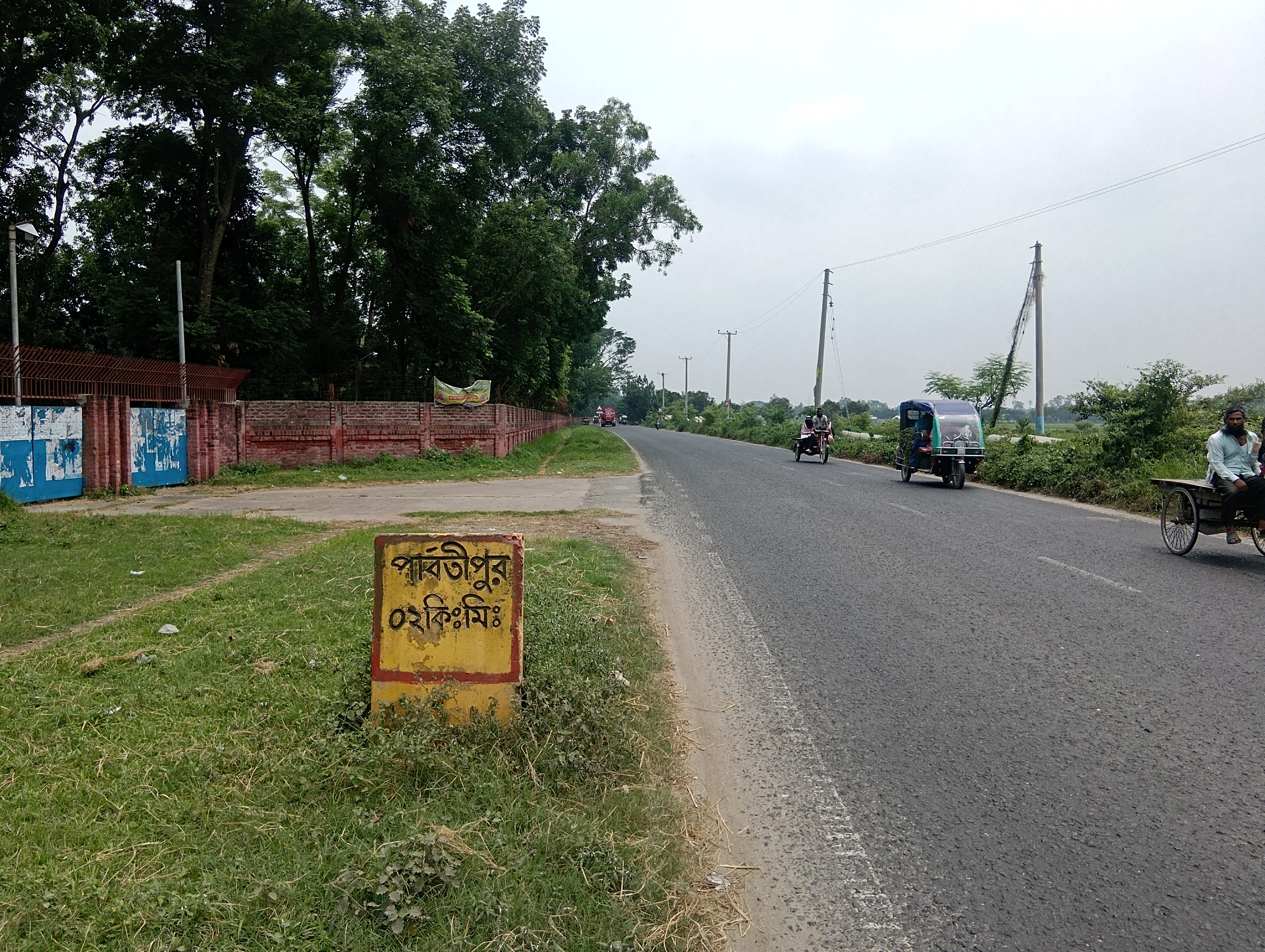
The Central Locomotive Workshop is located close to the main town of Parbatipur. From the locomotive factory or the Keloka residential area, Parbatipur town is approximately 2 kilometers away.
My Personal Experience
My connection with this workshop is quite personal because my father worked here for many years.
Because of him, I had the opportunity to visit the workshop several times.
Every time I entered the main workshop, I found something interesting to observe. The environment inside is relatively peaceful, but everyone is busy with their work.
The main workshop always impressed me because of the huge number of machines, railway parts and technical equipment.
I remember walking between the heavy machinery and looking at different locomotive components. It was a fantastic experience for me because this is a side of the railway system that ordinary passengers rarely get to see.
We usually see a locomotive pulling a train, but we rarely think about the people and machines working behind the scenes to keep that locomotive operational.
A Workshop Full of Different Activities
The Central Locomotive Workshop is a large and complex workplace. Different types of maintenance, repair and technical activities are carried out here.
Bangladesh Railway's official information identifies CLW Parbatipur as a locomotive maintenance facility, and the railway's organizational information also shows that the workshop complex involves departments such as mechanical, electrical, engineering, stores, medical, security and accounts.
So, understanding the complete operation of the workshop is not possible from a short visit alone.
When I visited, I could see many machines, locomotive components, workshops and different working areas. But to understand exactly what work is being done in each section and how each machine is used, a knowledgeable guide would be very helpful.
If I had someone experienced explaining each department and machine while walking through the workshop, I could have learned much more.
Pros and Cons
| Pros | Cons |
|---|---|
| Large and important railway workshop | General visitors cannot freely enter |
| Many different machines and technical facilities | Permission is required to enter |
| Interesting locomotive maintenance environment | A guide is helpful to understand the different sections |
| Skilled workers and technical staff | The workshop is primarily a working facility, not a tourist attraction |
| Railway-themed monuments | Some technical areas may not be accessible to visitors |
| Interesting industrial environment | — |
| Medical and other employee facilities | — |
Final Thoughts
The Central Locomotive Workshop, Parbatipur is a very different kind of place from the usual tourist destinations I write about.
It is a working railway facility where important locomotive maintenance and repair activities take place. Bangladesh Railway's official information confirms its role in locomotive maintenance, while the workshop complex itself contains many technical, administrative and support facilities.
For me, the workshop is also connected with many personal memories because my father worked here for many years.
I was fascinated by the huge machines, railway tracks, locomotive parts, motors, workshops and the busy working environment. Walking through the main workshop and seeing so many different types of equipment was a memorable experience.
At the same time, I believe that simply visiting the workshop is not enough to understand everything that happens there. There are many departments and many specialized jobs. A knowledgeable guide would make the experience much more informative.
The workshop may not be a conventional tourist destination, but for someone who loves trains, railway history, engineering or industrial places, seeing a working locomotive workshop from inside can be a very interesting experience, provided they have the necessary permission to enter.
For me, this place will always have a special connection because of my father's long association with it.
Youtube video
Information Table
| Information | Details |
|---|---|
| Place | Central Locomotive Workshop (CLW) |
| Also Known As | KELOKA / Central Locomotive Factory |
| Location | Parbatipur, Dinajpur, Bangladesh |
| Nearby Road | Parbatipur-Saidpur Road |
| Organization | Bangladesh Railway |
| Main Function | Locomotive maintenance and repair |
| Locomotives | Broad-gauge and metre-gauge locomotives |
| Workshop Type | Railway locomotive workshop |
| Entry | Permission/authorized access required |
| Main Attraction for Me | Heavy machinery, locomotive parts and industrial environment |
| Distance from Parbatipur Town | Approximately 2 km |
| Best For | Railway enthusiasts and people interested in engineering/industrial environments |
| My Rating | 9/10 |
| Steem-Atlas Location | [//]:# (!steematlas 25.680312 lat 88.912063 long Central Locomotive Workshop d3scr) |
| Google Location | Link |
inviting @pea07, @oswaldocuarta & @mahadisalim.
High-Yield Curation by @steem-seven
Your content has been supported!
Maximize your passive income!
Delegate your SP to us and earn high rewards
Click here to see our Tiered Reward System
We are the hope!
Thank you for posting this on Steem Atlas.
https://steematlas.com/@sohanurrahman/atlas-explorer-central-locomotive-workshop-parbatipur
To help improve your posts on Steem Atlas, and increase your chances of winning in the Atlas Challenge, check out these 21 Tips.
Thank you for setting a beneficiary to @steem-atlas, it will help the project grow.