Basic Knowledge in Agriculture #55
Hello Steemians, I welcome you all to this exciting contest, which specifically discusses vermiculture as a form of agriculture that benefits us in several ways, especially in waste management, thereby keeping our surroundings clean.
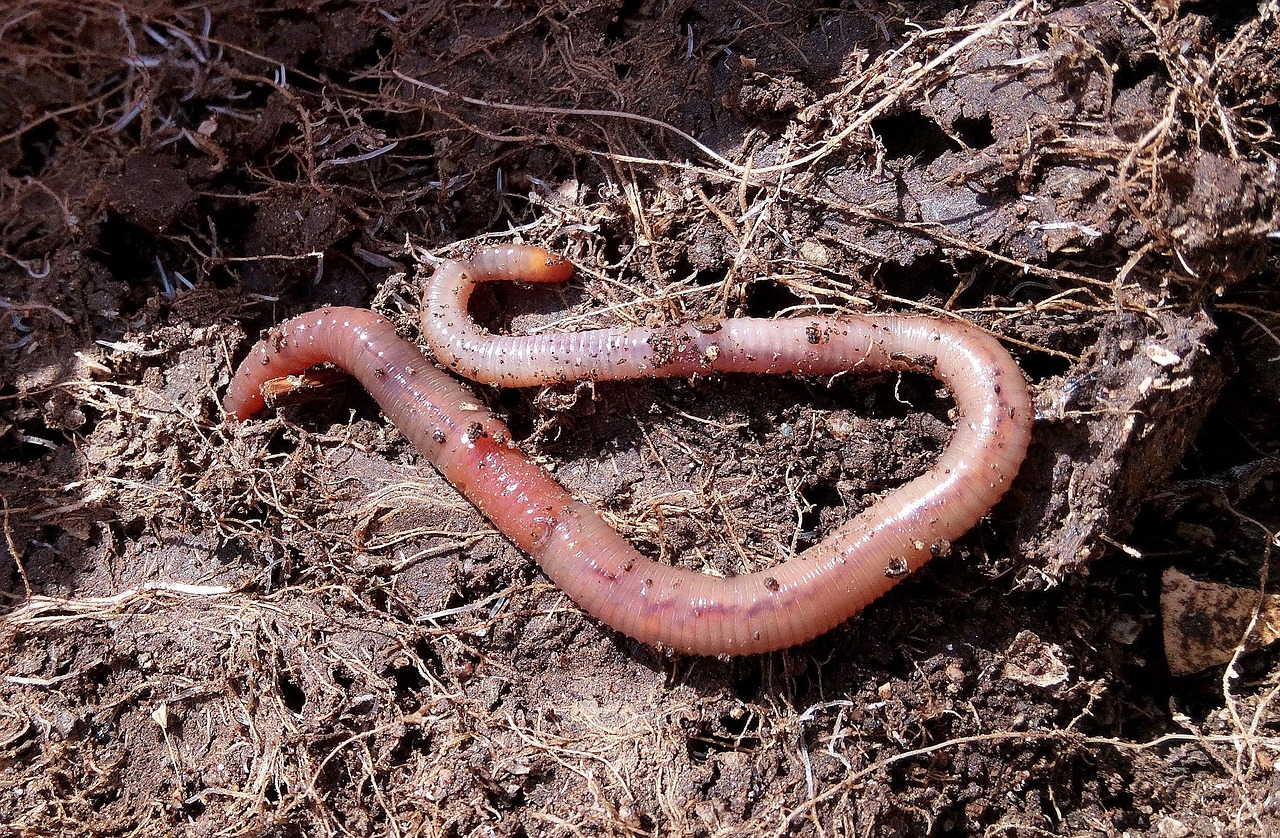
Vermiculture can be defined as the cultivation of worms, specifically red wigglers, for the purpose of producing fish bait, animal feed, and compost.
Most people don't even know that such a form of agriculture exists, the raising of worms for animal feed as well as bait, soil improvement, and animal feed shows how important this is to agriculture. This form of agriculture helps to reduce waste and also promotes eco-friendly agriculture.
Vermiculture is one of the most important agricultural practices that helps the environment and the economy.
Soil improvement: The vermicompost (i.e, worm castings) improves soil fertility, soil structure, and overall health.
Waste management: One of the good things that I like about vermiculture is that it helps to reduce organic waste through the process of turning it into rich nutrients that are in the form of compost.
Reduced greenhouse gas emissions: This is where vermiculture helps to reduce a large amount of organic waste in landfills, also with its method of minimizing methane emissions.
through the nutrients gotten from the act of raising worms, crops then thrive because of the good nutrients that vermiculture provides.
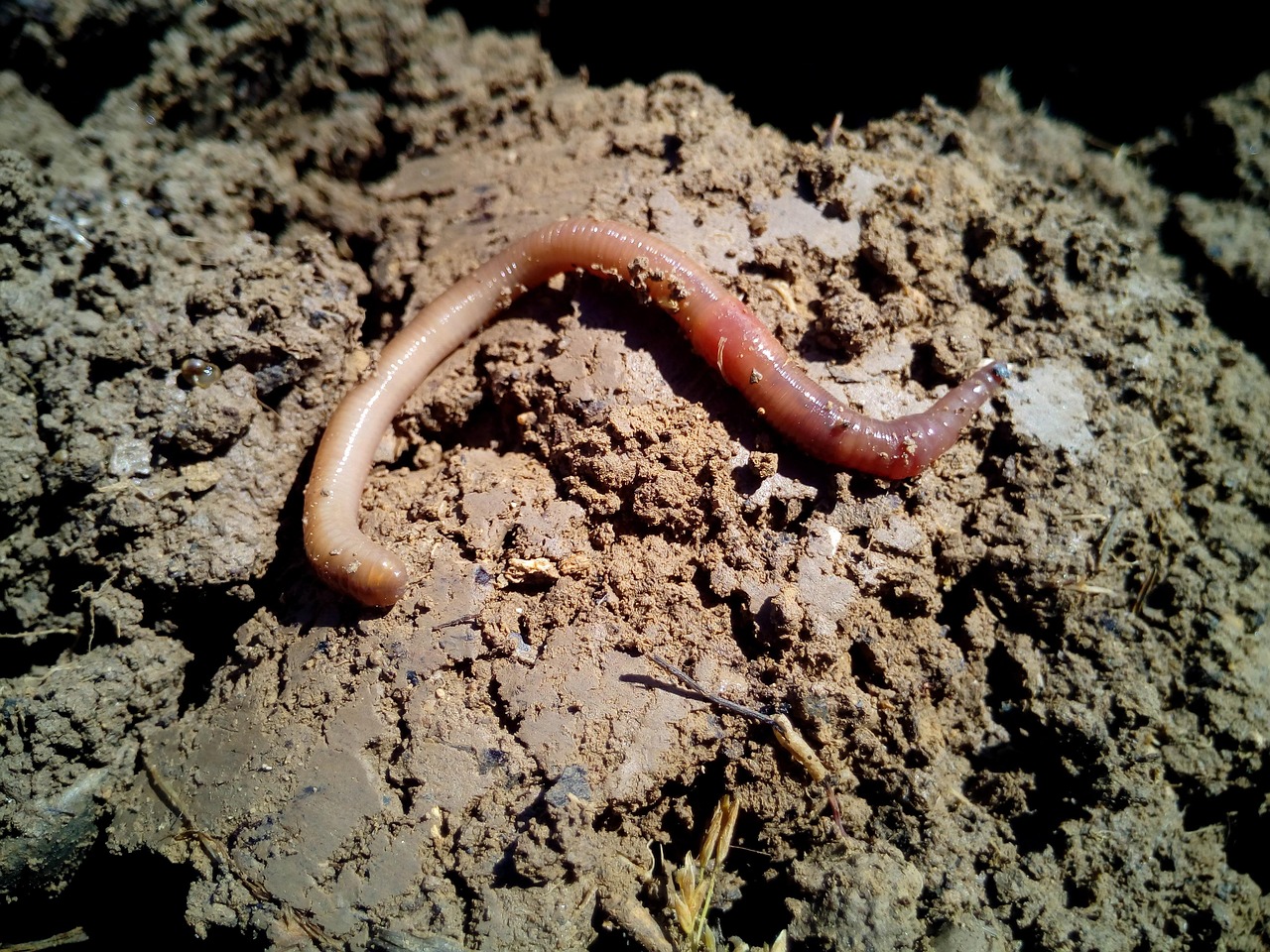
Vermiculture has a lot of advantages as well as limitations. Without hesitation, let's dive completely into the advantages and the limitations.
Rich compost: The waste gotten for vermiculture (vermicompost) is known to be one of the most effective fertilisers for crops, promoting a smooth plant survival.
Sustainable waste management: With the aid of vermiculture, farmers can have a natural and efficient way of managing organic waste, which helps to ensure that the waste products are put to good use.
Income generation: Vermiculture is a good source of income generation via the sale of worms, vermicompost tea, and vermicompost.
Improved soil health: The vermicompost is used to enhance the soil's structure, overall health, and fertility.
Limitations of vermiculture
Space requirements: Vermiculture is a kind of agricultural activity that requires a conducive environment for worm beds or containers.
Initial investment: to be able to effortlessly set up a vermiculture system would require a capital investment in infrastructure and worms, which can be hard for some farmers to afford.
Pest and disease management: worms can be prone to some pests and diseases, and it can be hard to notice if they are infected without proper management and monitoring.
Knowledge and skills: to be able to practice from a culture, you will need to have certain skills and knowledge that can enable you to take care of the worms, handle waste, and make a profit, and it can be difficult to do this without having proper guidance.
I would like to invite
@josepha
@pandora2010
@solperez
@mainuna
@max-pro
Thanks for reading this post!!!
X Shared
https://x.com/emmazilla447/status/1986362115528270317?t=7a0IsQqnMusDZWqMFhYSAw&s=19
Welcome to steem-agro!
MODs Comment/Recommendation:
You have made a good description on what Vermiculture is. Goodluck
Remember to always share your post on Twitter using these 3 main tags #steem #steemit $steem